
Kalapani Museum
About Kalapani Museum
Description
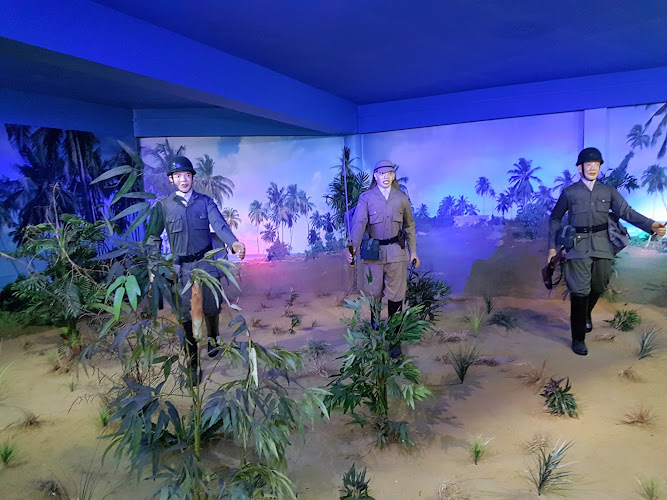
The Kalapani Museum in Port Blair is not just another museum with dusty glass cases and faded labels. It’s a place that pulls you into the layered, sometimes painful, history of the Andaman and Nicobar Islands. Through photographs, paintings, and carefully crafted models, it tells stories of early settlements, the infamous colonial prison years, and the struggles tied to India’s freedom movement. Walking through the galleries feels like flipping through a living history book—except the pages are objects, visuals, and narratives that make you pause and think.
Some visitors find the exhibits deeply moving, while others might feel it’s a bit heavy-handed in parts, but that’s the nature of history—it isn’t always neat or easy. Personally, I found myself lingering at the section on the Cellular Jail, known as "Kalapani," where freedom fighters were once imprisoned. The way the museum blends storytelling with artifacts makes it feel less like a lecture and more like a conversation with the past. And yes, kids can enjoy it too, since the models and visuals are engaging enough to spark curiosity without being overwhelming.
Key Features
- Detailed exhibits covering the history of the Andaman & Nicobar Islands, from early settlements to colonial times.
- Rare photographs and paintings that capture the emotional weight of the freedom struggle.
- Scale models and dioramas that make complex historical events easier to understand.
- Sections dedicated to the infamous Cellular Jail and the hardships endured by prisoners.
- A family-friendly environment where children can learn history in a visual and interactive way.
- Quiet, reflective atmosphere that encourages visitors to slow down and absorb the stories.
Best Time to Visit
If you’re planning a trip, the cooler months from October to March are the sweet spot. The weather in Port Blair is far more forgiving then—you won’t be drenched in sweat while trying to focus on exhibits. I once visited in May, and let me tell you, the humidity had me rushing through instead of soaking it all in. So, if you want to really enjoy the museum without feeling like you’re in a sauna, stick to the winter season. Plus, this timing makes it easier to combine your visit with other outdoor attractions around the islands.
How to Get There
Reaching the Kalapani Museum is straightforward once you’re in Port Blair. Most travelers arrive by flight from mainland India, and from the airport, it’s a short drive to the museum. Auto-rickshaws and taxis are plentiful, and they know the spot well—it’s a popular stop on most local sightseeing tours. If you’re the kind of traveler who likes to explore at your own pace, renting a scooter is also an option. I tried that once, and while weaving through the island’s roads was fun, I’d say be cautious if you’re not used to driving in tropical conditions. Roads can be a bit unpredictable.
Tips for Visiting
Here are a few things I wish someone had told me before my first visit:
- Take your time: Don’t rush through. The exhibits deserve more than a quick glance.
- Hydrate: Even though it’s indoors, the island’s climate can sneak up on you. Carry a bottle of water.
- No restaurant inside: Plan your meals accordingly, as you won’t find dining options within the museum grounds.
- Good for kids: If you’re traveling with family, bring the little ones along. The visuals keep them engaged, and it’s a nice way to introduce them to history.
- Photography: Check the rules before snapping pictures. Some sections may restrict it.
- Pair it with nearby attractions: The museum visit doesn’t take the whole day, so you can combine it with a trip to the Cellular Jail or the local markets.
Most importantly, go in with an open mind. The Kalapani Museum isn’t about glossy entertainment—it’s about reflection, remembrance, and understanding a part of India’s past that often gets brushed aside. And honestly, that’s what makes it worth your time.
Key Features
- Detailed exhibits covering the history of the Andaman & Nicobar Islands, from early settlements to colonial times.
- Rare photographs and paintings that capture the emotional weight of the freedom struggle.
- Scale models and dioramas that make complex historical events easier to understand.
- Sections dedicated to the infamous Cellular Jail and the hardships endured by prisoners.
- A family-friendly environment where children can learn history in a visual and interactive way.
- Quiet, reflective atmosphere that encourages visitors to slow down and absorb the stories.
More Details
Updated September 10, 2025
Table of Contents
Description
The Kalapani Museum in Port Blair is not just another museum with dusty glass cases and faded labels. It’s a place that pulls you into the layered, sometimes painful, history of the Andaman and Nicobar Islands. Through photographs, paintings, and carefully crafted models, it tells stories of early settlements, the infamous colonial prison years, and the struggles tied to India’s freedom movement. Walking through the galleries feels like flipping through a living history book—except the pages are objects, visuals, and narratives that make you pause and think.
Some visitors find the exhibits deeply moving, while others might feel it’s a bit heavy-handed in parts, but that’s the nature of history—it isn’t always neat or easy. Personally, I found myself lingering at the section on the Cellular Jail, known as “Kalapani,” where freedom fighters were once imprisoned. The way the museum blends storytelling with artifacts makes it feel less like a lecture and more like a conversation with the past. And yes, kids can enjoy it too, since the models and visuals are engaging enough to spark curiosity without being overwhelming.
Key Features
- Detailed exhibits covering the history of the Andaman & Nicobar Islands, from early settlements to colonial times.
- Rare photographs and paintings that capture the emotional weight of the freedom struggle.
- Scale models and dioramas that make complex historical events easier to understand.
- Sections dedicated to the infamous Cellular Jail and the hardships endured by prisoners.
- A family-friendly environment where children can learn history in a visual and interactive way.
- Quiet, reflective atmosphere that encourages visitors to slow down and absorb the stories.
Best Time to Visit
If you’re planning a trip, the cooler months from October to March are the sweet spot. The weather in Port Blair is far more forgiving then—you won’t be drenched in sweat while trying to focus on exhibits. I once visited in May, and let me tell you, the humidity had me rushing through instead of soaking it all in. So, if you want to really enjoy the museum without feeling like you’re in a sauna, stick to the winter season. Plus, this timing makes it easier to combine your visit with other outdoor attractions around the islands.
How to Get There
Reaching the Kalapani Museum is straightforward once you’re in Port Blair. Most travelers arrive by flight from mainland India, and from the airport, it’s a short drive to the museum. Auto-rickshaws and taxis are plentiful, and they know the spot well—it’s a popular stop on most local sightseeing tours. If you’re the kind of traveler who likes to explore at your own pace, renting a scooter is also an option. I tried that once, and while weaving through the island’s roads was fun, I’d say be cautious if you’re not used to driving in tropical conditions. Roads can be a bit unpredictable.
Tips for Visiting
Here are a few things I wish someone had told me before my first visit:
- Take your time: Don’t rush through. The exhibits deserve more than a quick glance.
- Hydrate: Even though it’s indoors, the island’s climate can sneak up on you. Carry a bottle of water.
- No restaurant inside: Plan your meals accordingly, as you won’t find dining options within the museum grounds.
- Good for kids: If you’re traveling with family, bring the little ones along. The visuals keep them engaged, and it’s a nice way to introduce them to history.
- Photography: Check the rules before snapping pictures. Some sections may restrict it.
- Pair it with nearby attractions: The museum visit doesn’t take the whole day, so you can combine it with a trip to the Cellular Jail or the local markets.
Most importantly, go in with an open mind. The Kalapani Museum isn’t about glossy entertainment—it’s about reflection, remembrance, and understanding a part of India’s past that often gets brushed aside. And honestly, that’s what makes it worth your time.
Key Highlights
- Detailed exhibits covering the history of the Andaman & Nicobar Islands, from early settlements to colonial times.
- Rare photographs and paintings that capture the emotional weight of the freedom struggle.
- Scale models and dioramas that make complex historical events easier to understand.
- Sections dedicated to the infamous Cellular Jail and the hardships endured by prisoners.
- A family-friendly environment where children can learn history in a visual and interactive way.
- Quiet, reflective atmosphere that encourages visitors to slow down and absorb the stories.
Location
Places to Stay Near Kalapani Museum
Find and Book a Tour
Explore More Travel Guides
No reviews found! Be the first to review!
Traveler Reviews for Kalapani Museum
There are no reviews yet. Be the first one to write one.
Have you visited Kalapani Museum? Help other travelers by sharing your review.
You Might Also Like

Corbyn’s Cove Beach

Veer Savarkar Park
Naval Marine Museum Samudrika
Find Accommodations Nearby
Recommended Tours & Activities
Visitor Reviews
There are no reviews yet. Be the first one to write one.
Share Your Experience
Have you visited Kalapani Museum? Help other travelers by leaving a review.