

Kakamega
About Kakamega
Description
Alright, so Kakamega – this place sits just about 30 kilometers north of the Equator in western Kenya, and it’s sort of the beating heart of the Luhya community. If you’re into exploring towns that hum with local culture but don’t overwhelm you with the chaos of big cities, Kakamega might just surprise you. It’s not huge, with a little over 100,000 folks living in the urban center, but the whole county boasts nearly 1.9 million people, so there’s a lot of life and stories swirling around.
What’s interesting about Kakamega is that it’s both a gateway and a destination. It’s close enough to Kisumu (about 52 kilometers away) that you can easily hop between the two, but it holds its own charm. The town is known for its laid-back vibe, friendly locals, and a strong sense of community that’s deeply rooted in Luhya traditions. You’ll find that the pace here is slower, more relaxed, which is a breath of fresh air if you’re coming from the hustle and bustle of Nairobi or other bigger cities.
But don’t go thinking Kakamega is just a quiet little town with nothing to do. Nope. It’s got some seriously cool spots, especially if you’re a nature lover or someone who digs cultural immersion. The Kakamega Forest, for instance, is a real gem – the only tropical rainforest in Kenya and home to some rare birds and butterflies. It’s a place that feels almost magical, like stepping into a different world. And beyond the forest, the town itself offers markets, local eateries, and festivals that give you a taste of authentic Kenyan life without the tourist traps.
One thing I noticed when visiting was how much pride the locals have in their heritage. You can sense it in the music, the food, and even the way people interact. It’s not just a stopover; it’s a place where you can genuinely connect with the culture and history of the region. If you’re looking for a spot that’s off the usual tourist radar but still packed with character and stories, Kakamega’s worth a serious look.
Key Features
- Strategically located just north of the Equator, offering unique geographical experiences
- Gateway to Kakamega Forest, Kenya’s only tropical rainforest
- Rich Luhya cultural heritage with vibrant local markets and traditional festivals
- Close proximity (52 km) to Kisumu, providing easy access to Lake Victoria and urban amenities
- Moderate urban population ensuring a balance between town life and rural charm
- Abundant birdwatching and wildlife opportunities in and around the forest reserve
- Local cuisine featuring authentic Luhya dishes, perfect for adventurous foodies
- Friendly and welcoming community atmosphere, making travelers feel at home
Best Time to Visit
Now, if you’re wondering when to pack your bags for Kakamega, here’s the scoop. The weather here is generally warm and humid because of its equatorial location, but the rainy seasons can be a bit of a challenge. The best window is usually during the dry spells, which fall roughly between late December to early March, and then again from June to September. During these months, the forest trails are easier to navigate, and you’ll have a better chance of spotting the incredible wildlife without the constant drizzle.
Visiting during the dry season also means local festivals and markets are buzzing, so you get that extra cultural flavor. But hey, if you're a fan of lush greenery and don’t mind a little rain, the wet season has its own charm—the forest looks downright enchanting, and the waterfalls nearby are at their fullest. Just pack a good raincoat and waterproof shoes, that’s all.
How to Get There
Getting to Kakamega is pretty straightforward, but I won’t sugarcoat it—it’s not like hopping on a bullet train. Most travelers either fly into Kisumu International Airport and then take a road trip north for about an hour or so, or they choose to travel by road from Nairobi or other major cities. The drive from Nairobi is roughly 5 to 6 hours, depending on traffic and road conditions, so it’s a bit of a haul but totally doable if you want to see the Kenyan countryside along the way.
Public transport options include matatus (shared minibuses), which are the local way to get around. They can be an adventure in themselves, packed with locals and sometimes blaring music, so if you’re up for a genuine Kenyan experience, give it a shot. Otherwise, hiring a private car or taxi is more comfortable and faster, especially if you’re traveling with family or a group.
Once in town, most of the attractions, markets, and eateries are within easy reach. And if you’re heading to the forest, you might want to book a local guide or join a tour group. It’s safer and you’ll get way more out of the experience with someone who knows the ins and outs of the area.
Tips for Visiting
Alright, here’s where I get to share some nuggets of wisdom from my own adventures and chatting with locals:
- Bring cash: While Kakamega is growing, many small shops and markets still prefer cash. Mobile money is popular too, but it’s good to have some physical currency on hand.
- Pack light but smart: Comfortable walking shoes are a must, especially if you plan to explore the forest. And don’t forget insect repellent – those mosquitoes can be relentless.
- Respect local customs: The Luhya people are warm but traditional. Dress modestly when in town or visiting rural areas, and always ask before taking photos of people.
- Try the local food: Don’t just stick to what you know. Luhya cuisine is rich and hearty – dishes like “ugali” with “nyama choma” (grilled meat) or “sukuma wiki” (collard greens) will fuel your adventures.
- Hire a local guide for Kakamega Forest: It’s worth it. They’ll point out hidden trails, rare birds, and medicinal plants you’d otherwise miss. Plus, it supports the local economy.
- Stay hydrated and pace yourself: The humidity can sneak up on you, especially if you’re trekking. Keep water handy and take breaks.
- Learn a few words in Luhya: Even a simple “hello” or “thank you” goes a long way in building connections.
- Be flexible: Things might not always go as planned – roads can be bumpy, markets might close early, or weather might change. Roll with it and enjoy the unpredictability.
Visiting Kakamega is like stepping into a story that’s still being written by its people and the land. It’s not about ticking off famous landmarks but about soaking in the atmosphere, meeting the locals, and letting the forest’s calmness wash over you. If you’re craving a travel experience that’s a bit different, a bit raw, and genuinely rewarding, Kakamega deserves a spot on your itinerary.
Key Features
- Strategically located just north of the Equator, offering unique geographical experiences
- Gateway to Kakamega Forest, Kenya’s only tropical rainforest
- Rich Luhya cultural heritage with vibrant local markets and traditional festivals
- Close proximity (52 km) to Kisumu, providing easy access to Lake Victoria and urban amenities
- Moderate urban population ensuring a balance between town life and rural charm
- Abundant birdwatching and wildlife opportunities in and around the forest reserve
- Local cuisine featuring authentic Luhya dishes, perfect for adventurous foodies
- Friendly and welcoming community atmosphere, making travelers feel at home
More Details
Updated July 17, 2025
Table of Contents
Description
Alright, so Kakamega – this place sits just about 30 kilometers north of the Equator in western Kenya, and it’s sort of the beating heart of the Luhya community. If you’re into exploring towns that hum with local culture but don’t overwhelm you with the chaos of big cities, Kakamega might just surprise you. It’s not huge, with a little over 100,000 folks living in the urban center, but the whole county boasts nearly 1.9 million people, so there’s a lot of life and stories swirling around.
What’s interesting about Kakamega is that it’s both a gateway and a destination. It’s close enough to Kisumu (about 52 kilometers away) that you can easily hop between the two, but it holds its own charm. The town is known for its laid-back vibe, friendly locals, and a strong sense of community that’s deeply rooted in Luhya traditions. You’ll find that the pace here is slower, more relaxed, which is a breath of fresh air if you’re coming from the hustle and bustle of Nairobi or other bigger cities.
But don’t go thinking Kakamega is just a quiet little town with nothing to do. Nope. It’s got some seriously cool spots, especially if you’re a nature lover or someone who digs cultural immersion. The Kakamega Forest, for instance, is a real gem – the only tropical rainforest in Kenya and home to some rare birds and butterflies. It’s a place that feels almost magical, like stepping into a different world. And beyond the forest, the town itself offers markets, local eateries, and festivals that give you a taste of authentic Kenyan life without the tourist traps.
One thing I noticed when visiting was how much pride the locals have in their heritage. You can sense it in the music, the food, and even the way people interact. It’s not just a stopover; it’s a place where you can genuinely connect with the culture and history of the region. If you’re looking for a spot that’s off the usual tourist radar but still packed with character and stories, Kakamega’s worth a serious look.
Key Features
- Strategically located just north of the Equator, offering unique geographical experiences
- Gateway to Kakamega Forest, Kenya’s only tropical rainforest
- Rich Luhya cultural heritage with vibrant local markets and traditional festivals
- Close proximity (52 km) to Kisumu, providing easy access to Lake Victoria and urban amenities
- Moderate urban population ensuring a balance between town life and rural charm
- Abundant birdwatching and wildlife opportunities in and around the forest reserve
- Local cuisine featuring authentic Luhya dishes, perfect for adventurous foodies
- Friendly and welcoming community atmosphere, making travelers feel at home
Best Time to Visit
Now, if you’re wondering when to pack your bags for Kakamega, here’s the scoop. The weather here is generally warm and humid because of its equatorial location, but the rainy seasons can be a bit of a challenge. The best window is usually during the dry spells, which fall roughly between late December to early March, and then again from June to September. During these months, the forest trails are easier to navigate, and you’ll have a better chance of spotting the incredible wildlife without the constant drizzle.
Visiting during the dry season also means local festivals and markets are buzzing, so you get that extra cultural flavor. But hey, if you’re a fan of lush greenery and don’t mind a little rain, the wet season has its own charm—the forest looks downright enchanting, and the waterfalls nearby are at their fullest. Just pack a good raincoat and waterproof shoes, that’s all.
How to Get There
Getting to Kakamega is pretty straightforward, but I won’t sugarcoat it—it’s not like hopping on a bullet train. Most travelers either fly into Kisumu International Airport and then take a road trip north for about an hour or so, or they choose to travel by road from Nairobi or other major cities. The drive from Nairobi is roughly 5 to 6 hours, depending on traffic and road conditions, so it’s a bit of a haul but totally doable if you want to see the Kenyan countryside along the way.
Public transport options include matatus (shared minibuses), which are the local way to get around. They can be an adventure in themselves, packed with locals and sometimes blaring music, so if you’re up for a genuine Kenyan experience, give it a shot. Otherwise, hiring a private car or taxi is more comfortable and faster, especially if you’re traveling with family or a group.
Once in town, most of the attractions, markets, and eateries are within easy reach. And if you’re heading to the forest, you might want to book a local guide or join a tour group. It’s safer and you’ll get way more out of the experience with someone who knows the ins and outs of the area.
Tips for Visiting
Alright, here’s where I get to share some nuggets of wisdom from my own adventures and chatting with locals:
- Bring cash: While Kakamega is growing, many small shops and markets still prefer cash. Mobile money is popular too, but it’s good to have some physical currency on hand.
- Pack light but smart: Comfortable walking shoes are a must, especially if you plan to explore the forest. And don’t forget insect repellent – those mosquitoes can be relentless.
- Respect local customs: The Luhya people are warm but traditional. Dress modestly when in town or visiting rural areas, and always ask before taking photos of people.
- Try the local food: Don’t just stick to what you know. Luhya cuisine is rich and hearty – dishes like “ugali” with “nyama choma” (grilled meat) or “sukuma wiki” (collard greens) will fuel your adventures.
- Hire a local guide for Kakamega Forest: It’s worth it. They’ll point out hidden trails, rare birds, and medicinal plants you’d otherwise miss. Plus, it supports the local economy.
- Stay hydrated and pace yourself: The humidity can sneak up on you, especially if you’re trekking. Keep water handy and take breaks.
- Learn a few words in Luhya: Even a simple “hello” or “thank you” goes a long way in building connections.
- Be flexible: Things might not always go as planned – roads can be bumpy, markets might close early, or weather might change. Roll with it and enjoy the unpredictability.
Visiting Kakamega is like stepping into a story that’s still being written by its people and the land. It’s not about ticking off famous landmarks but about soaking in the atmosphere, meeting the locals, and letting the forest’s calmness wash over you. If you’re craving a travel experience that’s a bit different, a bit raw, and genuinely rewarding, Kakamega deserves a spot on your itinerary.
Key Highlights
- Strategically located just north of the Equator, offering unique geographical experiences
- Gateway to Kakamega Forest, Kenya’s only tropical rainforest
- Rich Luhya cultural heritage with vibrant local markets and traditional festivals
- Close proximity (52 km) to Kisumu, providing easy access to Lake Victoria and urban amenities
- Moderate urban population ensuring a balance between town life and rural charm
- Abundant birdwatching and wildlife opportunities in and around the forest reserve
- Local cuisine featuring authentic Luhya dishes, perfect for adventurous foodies
- Friendly and welcoming community atmosphere, making travelers feel at home
Location
Places to Stay Near Kakamega
Find and Book a Tour
Explore More Travel Guides
No reviews found! Be the first to review!
Traveler Reviews for Kakamega
There are no reviews yet. Be the first one to write one.
Have you visited Kakamega? Help other travelers by sharing your review.
You Might Also Like
Shikumulo kakamega

Lamanis Haven

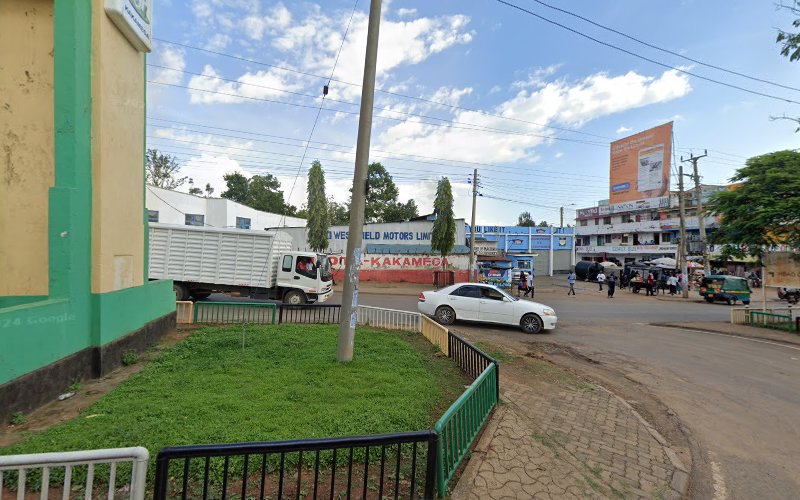
Kakamega main round about
Find Accommodations Nearby
Recommended Tours & Activities
Visitor Reviews
There are no reviews yet. Be the first one to write one.
Share Your Experience
Have you visited Kakamega? Help other travelers by leaving a review.