
Kagikan Museum
About Kagikan Museum
Description
Kagikan Museum in Tagum City, Davao del Norte, is the sort of local history museum that sneaks up on you. From the street you might think it’s modest, but step inside and there’s a warm, quiet confidence to its displays. This is a place about people — Tagumenyo stories, local crafts, the agricultural and fishing life of the province — presented in a way that feels personal rather than encyclopedic. If you’re a traveler chasing authentic encounters with Mindanao culture, Kagikan Museum rewards curiosity. If you’re a family with kids, or someone who needs accessible facilities, it’s considerate and easy to navigate. I’ve been to dozens of small museums across the Philippines and this one sits comfortably in that sweet spot between community archive and curator-led exhibit.
Right up front: the museum takes accessibility seriously. There is a wheelchair accessible parking lot and restroom, and general restroom facilities are available for visitors. These practical touches matter, especially if you travel with elders or little ones — and if you’ve ever been to a museum where basic needs are an afterthought, you’ll appreciate this. Tickets are best secured in advance for some events and guided tours, and while walk-ins are often welcome, planning ahead avoids disappointment on busier days.
What sets Kagikan apart is its focus on Tagum’s human stories. The exhibits emphasize local heritage: indigenous influences, the evolution of the town into a city, craftspeople, and community rituals. There are artifacts that feel intimate — tools, traditional clothing, photographs with notes — rather than objects chosen purely for spectacle. That intimacy is its charm. A few exhibits include multimedia or small video segments; others are simple panels and carefully labeled objects. If you like big, flashy installations you may find this museum more restrained. But if you appreciate layered context and small revelations, you’ll find plenty to read, touch (where allowed), and think about.
One of the small pleasures here is watching kids interact with the displays. The museum is good for kids: hands-on learning corners, kid-friendly descriptions, and a layout that doesn’t overwhelm. I once watched a little boy trace the outline of an old agricultural implement and then run off excited to tell his grandmother how people used to plant rice differently. Those moments — quiet curiosity turning into shared stories — are the reason local museums exist. Kagikan fosters that kind of intergenerational conversation.
There’s also a curatorial sensibility that feels current without being showy. Exhibits are rotated often enough to keep things fresh, and the museum hosts the occasional workshop or community event that connects traditional craftspeople with visitors. On a slow afternoon the staff will happily chat about provenance, local materials, or the best place in Tagum to try a regional snack; on busier days they manage the flow with practiced efficiency. Don’t expect long lines or heavy tourist crowds — Tagum’s museum scene isn’t overtouristed — but do expect to leave with a clearer sense of place.
For travelers who plan their route through Davao del Norte, Kagikan acts as a compact cultural primer. It’s the place to start if the goal is to understand how Tagumenyo identity developed: migration patterns, farming innovations, local artists’ responses to city life, and the intersection of indigenous traditions with modern civic life. The displays do a solid job connecting the past to present-day Tagum: you’ll come away understanding not only what used to be, but what still matters to people living there now.
It’s worth saying a bit about scale and expectations. The museum is not enormous. It’s intentionally curated, frequently described by locals as a heritage center as much as a museum. That means fewer rooms but richer stories. Some travelers looking for blockbuster collections might feel underwhelmed; others will appreciate the depth and focus. There’s no pretense here: the museum’s mission is to preserve, educate, and celebrate Tagum’s local history rather than compete with national institutions. Personally, that’s refreshing. You can learn more here about the region’s agricultural practices, community celebrations, and everyday objects than you might think possible in such a tidy space.
A practical thing that often goes unsaid: the museum is well-suited for quick visits or leisurely afternoons. If your schedule is tight, 45–60 minutes can cover the main exhibits comfortably. If you’re the type who likes reading every panel and asking the staff questions, plan for 90–120 minutes. And yes, timing matters because some special exhibitions and workshops are scheduled — which is why getting tickets or checking availability in advance is recommended. I once turned up on what I thought was a normal weekday only to find a school group workshop happening; not a bad surprise, but it changed how I navigated the space.
Photographers take note: the lighting is museum-appropriate (gentle, protective) so bring a camera if you like, but respect any no-flash policies. There are corners where the texture of old photographs or artisan textiles makes for excellent close-ups. For social media-savvy travelers, the museum offers plenty of evocative, quiet shots that tell a story without needing a filter. For those who prefer analog memories, you’ll want to linger over the handwritten notes and donated memorabilia that provide context you won’t find online.
Food and drink inside the museum are typically restricted, as with most cultural sites. But Tagum city’s local vendors and cafes are not far away, and chatting with baristas or market sellers afterward often adds another layer to the museum experience. One of my favorite travel rituals is pairing a museum visit with a walk through nearby streets to find a local specialty — in Tagum it’s the kind of afternoon where a small museum visit and a big, messy snack somehow belong together.
Budget-conscious travelers will like that the museum is accessible without a hefty entrance fee. It’s publicly minded and community-focused, which tends to translate to reasonable ticket prices or donation-based entry on certain days. Educational groups — students, researchers, and community organizations — are often welcomed with special arrangements. If you’re traveling with children, it’s worth asking about any guided family tours or activity sheets that the museum might offer; on my last visit, a simple scavenger-hunt handout made a world of difference for the kids in our group.
Finally, a few candid thoughts to balance the praise. The museum is small and sometimes feels constrained by space; larger artifacts or long-term exhibits are limited for that reason. Interpretive materials are generally good, but readers who prefer highly interactive tech might find it low-tech in places. And operating hours can change around local holidays or events, so checking ahead is wise. These aren’t deal-breakers — just realities that help you plan better and get the most out of your visit.
In short, Kagikan Museum in Tagum City is a thoughtful, approachable local history museum that prioritizes people and stories. It’s accessible, family-friendly, and geared toward meaningful engagement rather than spectacle. Whether you’re passing through Davao del Norte or spending a slow day exploring Tagum, the museum is worth that planned hour in your itinerary. Bring patience, curiosity, and a few questions — and if you’re lucky, you’ll leave with a small story to tuck into your travel memory bank.
Key Features
More Details
Updated August 29, 2025
Table of Contents
Description
Kagikan Museum in Tagum City, Davao del Norte, is the sort of local history museum that sneaks up on you. From the street you might think it’s modest, but step inside and there’s a warm, quiet confidence to its displays. This is a place about people — Tagumenyo stories, local crafts, the agricultural and fishing life of the province — presented in a way that feels personal rather than encyclopedic. If you’re a traveler chasing authentic encounters with Mindanao culture, Kagikan Museum rewards curiosity. If you’re a family with kids, or someone who needs accessible facilities, it’s considerate and easy to navigate. I’ve been to dozens of small museums across the Philippines and this one sits comfortably in that sweet spot between community archive and curator-led exhibit.
Right up front: the museum takes accessibility seriously. There is a wheelchair accessible parking lot and restroom, and general restroom facilities are available for visitors. These practical touches matter, especially if you travel with elders or little ones — and if you’ve ever been to a museum where basic needs are an afterthought, you’ll appreciate this. Tickets are best secured in advance for some events and guided tours, and while walk-ins are often welcome, planning ahead avoids disappointment on busier days.
What sets Kagikan apart is its focus on Tagum’s human stories. The exhibits emphasize local heritage: indigenous influences, the evolution of the town into a city, craftspeople, and community rituals. There are artifacts that feel intimate — tools, traditional clothing, photographs with notes — rather than objects chosen purely for spectacle. That intimacy is its charm. A few exhibits include multimedia or small video segments; others are simple panels and carefully labeled objects. If you like big, flashy installations you may find this museum more restrained. But if you appreciate layered context and small revelations, you’ll find plenty to read, touch (where allowed), and think about.
One of the small pleasures here is watching kids interact with the displays. The museum is good for kids: hands-on learning corners, kid-friendly descriptions, and a layout that doesn’t overwhelm. I once watched a little boy trace the outline of an old agricultural implement and then run off excited to tell his grandmother how people used to plant rice differently. Those moments — quiet curiosity turning into shared stories — are the reason local museums exist. Kagikan fosters that kind of intergenerational conversation.
There’s also a curatorial sensibility that feels current without being showy. Exhibits are rotated often enough to keep things fresh, and the museum hosts the occasional workshop or community event that connects traditional craftspeople with visitors. On a slow afternoon the staff will happily chat about provenance, local materials, or the best place in Tagum to try a regional snack; on busier days they manage the flow with practiced efficiency. Don’t expect long lines or heavy tourist crowds — Tagum’s museum scene isn’t overtouristed — but do expect to leave with a clearer sense of place.
For travelers who plan their route through Davao del Norte, Kagikan acts as a compact cultural primer. It’s the place to start if the goal is to understand how Tagumenyo identity developed: migration patterns, farming innovations, local artists’ responses to city life, and the intersection of indigenous traditions with modern civic life. The displays do a solid job connecting the past to present-day Tagum: you’ll come away understanding not only what used to be, but what still matters to people living there now.
It’s worth saying a bit about scale and expectations. The museum is not enormous. It’s intentionally curated, frequently described by locals as a heritage center as much as a museum. That means fewer rooms but richer stories. Some travelers looking for blockbuster collections might feel underwhelmed; others will appreciate the depth and focus. There’s no pretense here: the museum’s mission is to preserve, educate, and celebrate Tagum’s local history rather than compete with national institutions. Personally, that’s refreshing. You can learn more here about the region’s agricultural practices, community celebrations, and everyday objects than you might think possible in such a tidy space.
A practical thing that often goes unsaid: the museum is well-suited for quick visits or leisurely afternoons. If your schedule is tight, 45–60 minutes can cover the main exhibits comfortably. If you’re the type who likes reading every panel and asking the staff questions, plan for 90–120 minutes. And yes, timing matters because some special exhibitions and workshops are scheduled — which is why getting tickets or checking availability in advance is recommended. I once turned up on what I thought was a normal weekday only to find a school group workshop happening; not a bad surprise, but it changed how I navigated the space.
Photographers take note: the lighting is museum-appropriate (gentle, protective) so bring a camera if you like, but respect any no-flash policies. There are corners where the texture of old photographs or artisan textiles makes for excellent close-ups. For social media-savvy travelers, the museum offers plenty of evocative, quiet shots that tell a story without needing a filter. For those who prefer analog memories, you’ll want to linger over the handwritten notes and donated memorabilia that provide context you won’t find online.
Food and drink inside the museum are typically restricted, as with most cultural sites. But Tagum city’s local vendors and cafes are not far away, and chatting with baristas or market sellers afterward often adds another layer to the museum experience. One of my favorite travel rituals is pairing a museum visit with a walk through nearby streets to find a local specialty — in Tagum it’s the kind of afternoon where a small museum visit and a big, messy snack somehow belong together.
Budget-conscious travelers will like that the museum is accessible without a hefty entrance fee. It’s publicly minded and community-focused, which tends to translate to reasonable ticket prices or donation-based entry on certain days. Educational groups — students, researchers, and community organizations — are often welcomed with special arrangements. If you’re traveling with children, it’s worth asking about any guided family tours or activity sheets that the museum might offer; on my last visit, a simple scavenger-hunt handout made a world of difference for the kids in our group.
Finally, a few candid thoughts to balance the praise. The museum is small and sometimes feels constrained by space; larger artifacts or long-term exhibits are limited for that reason. Interpretive materials are generally good, but readers who prefer highly interactive tech might find it low-tech in places. And operating hours can change around local holidays or events, so checking ahead is wise. These aren’t deal-breakers — just realities that help you plan better and get the most out of your visit.
In short, Kagikan Museum in Tagum City is a thoughtful, approachable local history museum that prioritizes people and stories. It’s accessible, family-friendly, and geared toward meaningful engagement rather than spectacle. Whether you’re passing through Davao del Norte or spending a slow day exploring Tagum, the museum is worth that planned hour in your itinerary. Bring patience, curiosity, and a few questions — and if you’re lucky, you’ll leave with a small story to tuck into your travel memory bank.
Key Highlights
Kagikan Museum
Location
Places to Stay Near Kagikan Museum
Find and Book a Tour
Explore More Travel Guides
No reviews found! Be the first to review!
Traveler Reviews for Kagikan Museum
There are no reviews yet. Be the first one to write one.
Have you visited Kagikan Museum? Help other travelers by sharing your review.
You Might Also Like

Tamondong
Buying buying nature park
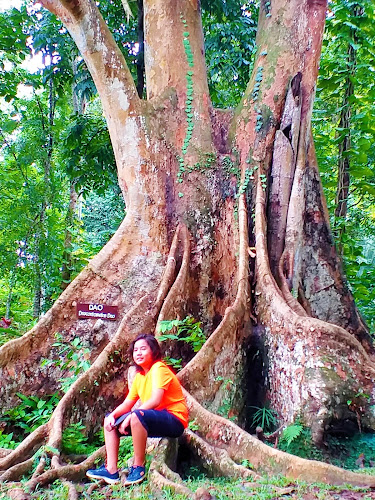
Huyong-huyong Nature Park
Find Accommodations Nearby
Recommended Tours & Activities
Visitor Reviews
There are no reviews yet. Be the first one to write one.
Share Your Experience
Have you visited Kagikan Museum? Help other travelers by leaving a review.