
Joliet Diamond Railroad Crossing
About Joliet Diamond Railroad Crossing
Key Features
More Details
Updated April 15, 2024
## Joliet Diamond Railroad Crossing (Joliet, Illinois): what it is, why it matters, and how to experience it safely
If you like places where a city’s story is literally carried through town on steel wheels, downtown Joliet delivers. What railfans call the “Joliet Diamond” sits beside the Joliet Gateway Center at 90 E Jefferson St, Joliet, IL 60432—a multimodal hub for Amtrak and Metra that also happens to be next to one of the Chicago-area region’s most train-dense junctions.
This guide focuses on the railroad crossing/interlocking area near the station (not a staged attraction). You’ll get practical, on-the-ground context—what crosses here, what you can realistically see, and how to do it without getting in the way.
—
## Quick facts (from the details you provided + verified station sources)
– Place: Joliet Diamond Railroad Crossing
– Address: 90 E Jefferson St, Joliet, IL 60432, USA
– Coordinates: 41.5242256, -88.0792235
– City: Joliet, Illinois
– Type: Tourist attraction (best understood as a rail-viewing hotspot adjacent to an active station and junction)
– Accessibility (station): Joliet Gateway Center is a modern transit facility and is listed as accessible.
—
## What “the Joliet Diamond” actually is
A diamond crossing is where rail lines intersect at grade, forming a crisscross of rails (the “diamond”). In downtown Joliet, the diamond is part of a larger interlocking—a controlled junction where signals and switches prevent conflicting train movements.
Historically, an interlocking tower known as UD Tower controlled this complex. Rail signaling documentation and photo histories place UD Tower at the diamond crossing where the former ATSF (Santa Fe), Chicago & Alton, and Rock Island routes converged (with today’s operators and ownership evolving through mergers and commuter agency control).
What that means for a visitor: you’re not just watching one line—you’re watching a node where different services and freight flows meet.
—
## The rail lines and services you can see here (high-level, evidence-based)
Multiple operators and services run through or immediately alongside this junction:
### Passenger trains
– Metra Rock Island District trains terminate in Joliet (service levels vary by day).
– Metra Heritage Corridor (weekday-focused service pattern in the source).
– Amtrak service through Joliet includes Lincoln Service and the Texas Eagle.
### Freight railroads and traffic character
A detailed hotspot write-up describes Joliet as a place where you can encounter heavy freight, especially on the BNSF main, with additional UP/CN-area movements and other connecting freight activity. It’s also explicit that traffic volumes and patterns differ by line (and change over time).
Outdated-data flag (important): the train counts, frequencies, and some operational notes in railfan/hotspot articles may reflect the situation at the time of publication (e.g., the Trains Magazine hotspot page shown here cites operational detail that can shift with timetables, capital projects, and dispatching practices). Treat any “X trains per day” number as directional, not permanent.
—
## How to visit: the easiest way is by train (and why that’s fitting)
Because the crossing sits next to a transit hub, arriving by rail is unusually straightforward:
– Amtrak station listing: Joliet (Gateway Center), 90 East Jefferson Street.
– Metra station listing: same address, with published waiting room hours (weekday vs. weekend).
– City of Joliet transportation page: reiterates the station address and hours.
If you’re driving, aim for downtown parking near the station area and walk the last few minutes so you’re not fighting one-way streets or event traffic.
—
## Where to stand (and what “good viewing” means here)
This is an active railroad environment. The best experience comes from staying entirely on public sidewalks, platforms, and clearly marked public areas.
A realistic expectation:
– You’ll often see trains accelerating, slowing, stopping, or waiting as dispatchers sequence movements through the interlocking.
– You may see trains passing on different alignments within a short period, precisely because the junction concentrates traffic.
Practical tip: your best “view” is usually not a single photogenic spot—it’s a short walking loop around the station frontage and nearby public vantage points that keeps you safe and gives you different angles as trains line up.
—
## What to watch for (details that make the experience more interesting)
### 1) Interlocking behavior, not just passing trains
At busy junctions, the most interesting moments are:
– A train being held short of the crossing while another movement clears.
– Signal changes that indicate routing decisions (proceed vs. stop, diverging routes, etc.).
The UD Tower documentation emphasizes how the diamond and the surrounding crossovers/signal system were designed to manage conflicts between lines.
### 2) A living “railroad timeline” in one place
Joliet’s rail story is tightly tied to the city’s development as a hub outside Chicago. Nearby, the former Joliet Union Station (built in 1912) reflects that era of rail prominence, and the modern Joliet Gateway Center represents the current commuter + intercity focus.
Even if you never go inside a building, you’re standing in a corridor shaped by more than a century of rail engineering decisions.
—
## Safety, etiquette, and inclusivity (this matters here)
### Safety rules that keep you—and everyone else—out of trouble
– Never step onto tracks, ballast, or railroad right-of-way. Trains are quieter than people expect, and schedules aren’t the point—dispatching is.
– Stay behind platform edge markings and obey station signage.
– Don’t block sidewalks, platform flow, ramps, or doorways—especially important for travelers with mobility devices, strollers, or luggage. (The station is listed as accessible; help keep it usable.)
### Respect the neighborhood
Downtown transit spaces serve commuters, families, elderly riders, and visitors with different needs. Keep volume reasonable, avoid confrontational behavior with staff or passengers, and treat the station as a shared civic space—not a private viewing deck.
—
## Add-on stops within the same footprint
Because your provided address matches the transit center, a natural add-on is the Joliet Railroad Museum, which lists 90 E Jefferson St as its address and operates within the Gateway Center area. Area Historical Museum
(Verify current exhibit status/hours before you go; museum hours can change seasonally.) Area Historical Museum
—
—
## Bottom line: who this stop is best for
– Railfans and photographers who want a high-activity junction where trains interact with signals and routing.
– History-minded travelers who like infrastructure that explains why a city sits where it sits.
– Families with train-curious kids—as long as the visit stays firmly within public areas and safety boundaries.
If you want, I can also build a tight “What to expect in 30 minutes / 60 minutes / 2 hours” itinerary format for this stop—still sticking only to verifiable facts and clearly-labeled assumptions.
Table of Contents
Key Highlights
Joliet Diamond Railroad Crossing
Location
Places to Stay Near Joliet Diamond Railroad Crossing
Find and Book a Tour
Explore More Travel Guides
No reviews found! Be the first to review!
Traveler Reviews for Joliet Diamond Railroad Crossing
There are no reviews yet. Be the first one to write one.
Have you visited Joliet Diamond Railroad Crossing? Help other travelers by sharing your review.
You Might Also Like

Inwood Park
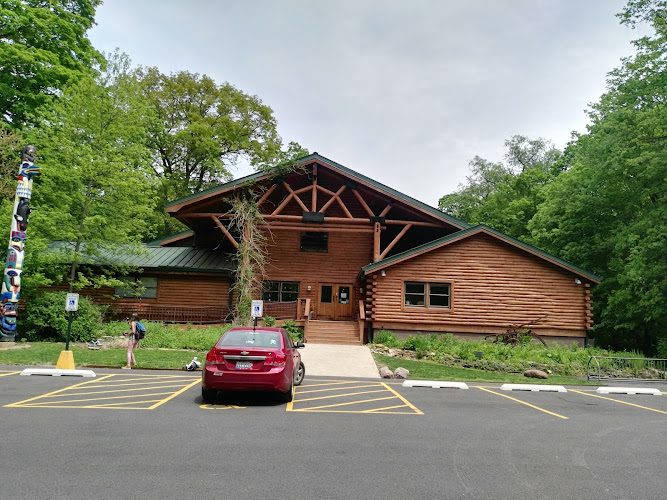
Pilcher Park Nature Center

Nowell Park
Find Accommodations Nearby
Recommended Tours & Activities
Visitor Reviews
There are no reviews yet. Be the first one to write one.
Share Your Experience
Have you visited Joliet Diamond Railroad Crossing? Help other travelers by leaving a review.