
Jilin
About Jilin
Description
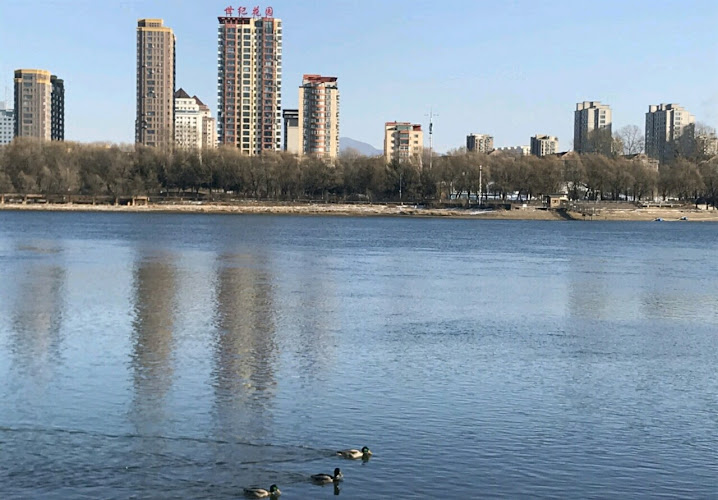
Jilin is one of those places that quietly surprises you. Tucked away in the northeast corner of China, it shares borders with both North Korea and Russia — a fact that gives the region this fascinating mix of cultures, cuisines, and even accents. The province is best known for its snowy landscapes, ancient forests, and long, poetic winters. But honestly, it’s more than just a cold-weather destination. It’s a place where history, nature, and everyday life blend in a way that feels strangely grounding.
Changchun, the capital city, carries the weight of history on its shoulders. It was once the capital of Manchukuo, that controversial Japanese puppet state from 1932 to 1945. You can still see remnants of that era in places like the Puppet Emperor’s Palace — a hauntingly beautiful museum that tells a story most people outside China barely know. Walking through its halls feels like stepping into a time capsule, and it’s hard not to get a little reflective about how much this region has seen and endured.
Then there’s Jilin City, which might just be one of the most underrated winter destinations in China. Every year, when temperatures drop and the Songhua River freezes over, something magical happens. The trees along the riverbank get coated in frost — not snow, but delicate ice crystals that glimmer in the morning sun. Locals call it “rime,” and it’s honestly one of the most beautiful natural sights you’ll ever see. I remember standing there one morning, coffee in hand, watching the mist rise from the river and thinking, “This is what peace looks like.”
The province’s landscape is a mix of rolling hills, volcanic plateaus, and pristine lakes. Songhua Lake is a favorite among travelers — not just for its views, but because it’s surrounded by ski resorts like Beidahu. If you’re into skiing or snowboarding, Beidahu is a must. It’s hosted international events, but still feels approachable for beginners. And if you’re not into winter sports, the area is just as stunning in summer, when the forests turn lush and green.
Key Features
- Historical Depth: The Puppet Emperor’s Palace in Changchun offers a rare glimpse into the region’s complex past during the Manchukuo period.
- Natural Wonders: The rime ice phenomenon along the Songhua River in Jilin City draws photographers and dreamers alike every winter.
- Outdoor Adventures: Beidahu Ski Resort provides top-notch skiing and snowboarding experiences with scenic mountain views.
- Cultural Fusion: Proximity to North Korea and Russia has shaped Jilin’s cuisine, architecture, and dialects, giving it a unique cultural flavor.
- Seasonal Beauty: From frozen winters to flower-filled summers, Jilin’s landscapes change dramatically throughout the year.
- Local Cuisine: Expect hearty northeastern dishes — think hotpot, dumplings, and the famous “guo bao rou” (crispy pork) that’ll warm you right up.
Best Time to Visit
When you visit Jilin really depends on what kind of traveler you are. If you love snow, cold air that bites your cheeks, and landscapes that look like they’ve been pulled straight from a fairytale, winter (December to February) is your season. That’s when the rime trees bloom and the ski resorts are at their best. But don’t underestimate spring and autumn — those shoulder seasons are gorgeous, too.
Spring (April to May) brings a soft thaw, with wildflowers starting to peek through. Autumn (September to early November) paints the forests in fiery reds and golds. I’ve been in Jilin in October, and honestly, the air just smells different — crisp, clean, and a little nostalgic. Summer (June to August) can be warm but not uncomfortably so, making it ideal for hiking around Songhua Lake or exploring Changbai Mountain, which straddles the border with North Korea.
How to Get There
Getting to Jilin is easier than most people think. The province is well connected by air, rail, and road. Changchun Longjia International Airport is the main gateway, with direct flights from major Chinese cities like Beijing, Shanghai, and Guangzhou, as well as a few international routes. From the airport, you can hop on a high-speed train to Jilin City — the ride takes about an hour and offers some pretty countryside views along the way.
If you’re traveling from Beijing, the high-speed train to Changchun takes roughly five hours, which is actually quite comfortable. I once took that route in winter, and I still remember watching the landscape shift from dry plains to snow-covered forests. It felt like watching a movie unfold through the window.
Once you’re in the province, local transportation is straightforward. Buses, taxis, and ride-hailing apps work well in the cities. For more remote areas — like ski resorts or mountain trails — hiring a local driver for a day or two can make your trip smoother.
Tips for Visiting
First things first: dress for the weather. Winters in Jilin are no joke — temperatures can easily drop below -20°C (-4°F). Bring thermal layers, a good down jacket, gloves, and boots that can handle ice. You’ll thank yourself later.
Second, try to plan around local festivals if you can. The Jilin Rime Ice Festival usually takes place in January, and it’s worth timing your visit for it. The atmosphere is lively but not overly commercial, and you’ll get to see the city at its most photogenic.
Third, don’t skip the food. Northeastern Chinese cuisine is hearty, flavorful, and perfect for cold weather. Try the local hotpot with sauerkraut and pork, or the sweet-and-sour “guo bao rou.” And if you’re feeling adventurous, some restaurants near the border serve fusion dishes influenced by Russian and Korean cooking — it’s a fascinating mix.
Also, be prepared for limited English outside of major cities. Learning a few basic Mandarin phrases goes a long way. The locals are friendly and curious, and even if you stumble through your words, they’ll usually respond with a smile.
Lastly, take your time. Jilin isn’t a place to rush through. It’s the kind of destination that rewards slow travel — the kind where you spend a morning wandering through a park, chatting with a vendor selling roasted chestnuts, or just watching the snow fall over the Songhua River. There’s a quiet poetry to life here, one that sneaks up on you when you least expect it.
So if you’re looking for a part of China that feels authentic, a bit off the beaten path, and full of stories waiting to be told — Jilin might just be your next adventure. And who knows? You might end up falling for its quiet charm the way I did, standing by that frozen river, watching the rime trees sparkle in the pale winter sun.
Key Features
- Key Features
- Best Time to Visit
- How to Get There
- Tips for Visiting
More Details
Updated October 10, 2025
Table of Contents
Description
Jilin is one of those places that quietly surprises you. Tucked away in the northeast corner of China, it shares borders with both North Korea and Russia — a fact that gives the region this fascinating mix of cultures, cuisines, and even accents. The province is best known for its snowy landscapes, ancient forests, and long, poetic winters. But honestly, it’s more than just a cold-weather destination. It’s a place where history, nature, and everyday life blend in a way that feels strangely grounding.
Changchun, the capital city, carries the weight of history on its shoulders. It was once the capital of Manchukuo, that controversial Japanese puppet state from 1932 to 1945. You can still see remnants of that era in places like the Puppet Emperor’s Palace — a hauntingly beautiful museum that tells a story most people outside China barely know. Walking through its halls feels like stepping into a time capsule, and it’s hard not to get a little reflective about how much this region has seen and endured.
Then there’s Jilin City, which might just be one of the most underrated winter destinations in China. Every year, when temperatures drop and the Songhua River freezes over, something magical happens. The trees along the riverbank get coated in frost — not snow, but delicate ice crystals that glimmer in the morning sun. Locals call it “rime,” and it’s honestly one of the most beautiful natural sights you’ll ever see. I remember standing there one morning, coffee in hand, watching the mist rise from the river and thinking, “This is what peace looks like.”
The province’s landscape is a mix of rolling hills, volcanic plateaus, and pristine lakes. Songhua Lake is a favorite among travelers — not just for its views, but because it’s surrounded by ski resorts like Beidahu. If you’re into skiing or snowboarding, Beidahu is a must. It’s hosted international events, but still feels approachable for beginners. And if you’re not into winter sports, the area is just as stunning in summer, when the forests turn lush and green.
Key Features
- Historical Depth: The Puppet Emperor’s Palace in Changchun offers a rare glimpse into the region’s complex past during the Manchukuo period.
- Natural Wonders: The rime ice phenomenon along the Songhua River in Jilin City draws photographers and dreamers alike every winter.
- Outdoor Adventures: Beidahu Ski Resort provides top-notch skiing and snowboarding experiences with scenic mountain views.
- Cultural Fusion: Proximity to North Korea and Russia has shaped Jilin’s cuisine, architecture, and dialects, giving it a unique cultural flavor.
- Seasonal Beauty: From frozen winters to flower-filled summers, Jilin’s landscapes change dramatically throughout the year.
- Local Cuisine: Expect hearty northeastern dishes — think hotpot, dumplings, and the famous “guo bao rou” (crispy pork) that’ll warm you right up.
Best Time to Visit
When you visit Jilin really depends on what kind of traveler you are. If you love snow, cold air that bites your cheeks, and landscapes that look like they’ve been pulled straight from a fairytale, winter (December to February) is your season. That’s when the rime trees bloom and the ski resorts are at their best. But don’t underestimate spring and autumn — those shoulder seasons are gorgeous, too.
Spring (April to May) brings a soft thaw, with wildflowers starting to peek through. Autumn (September to early November) paints the forests in fiery reds and golds. I’ve been in Jilin in October, and honestly, the air just smells different — crisp, clean, and a little nostalgic. Summer (June to August) can be warm but not uncomfortably so, making it ideal for hiking around Songhua Lake or exploring Changbai Mountain, which straddles the border with North Korea.
How to Get There
Getting to Jilin is easier than most people think. The province is well connected by air, rail, and road. Changchun Longjia International Airport is the main gateway, with direct flights from major Chinese cities like Beijing, Shanghai, and Guangzhou, as well as a few international routes. From the airport, you can hop on a high-speed train to Jilin City — the ride takes about an hour and offers some pretty countryside views along the way.
If you’re traveling from Beijing, the high-speed train to Changchun takes roughly five hours, which is actually quite comfortable. I once took that route in winter, and I still remember watching the landscape shift from dry plains to snow-covered forests. It felt like watching a movie unfold through the window.
Once you’re in the province, local transportation is straightforward. Buses, taxis, and ride-hailing apps work well in the cities. For more remote areas — like ski resorts or mountain trails — hiring a local driver for a day or two can make your trip smoother.
Tips for Visiting
First things first: dress for the weather. Winters in Jilin are no joke — temperatures can easily drop below -20°C (-4°F). Bring thermal layers, a good down jacket, gloves, and boots that can handle ice. You’ll thank yourself later.
Second, try to plan around local festivals if you can. The Jilin Rime Ice Festival usually takes place in January, and it’s worth timing your visit for it. The atmosphere is lively but not overly commercial, and you’ll get to see the city at its most photogenic.
Third, don’t skip the food. Northeastern Chinese cuisine is hearty, flavorful, and perfect for cold weather. Try the local hotpot with sauerkraut and pork, or the sweet-and-sour “guo bao rou.” And if you’re feeling adventurous, some restaurants near the border serve fusion dishes influenced by Russian and Korean cooking — it’s a fascinating mix.
Also, be prepared for limited English outside of major cities. Learning a few basic Mandarin phrases goes a long way. The locals are friendly and curious, and even if you stumble through your words, they’ll usually respond with a smile.
Lastly, take your time. Jilin isn’t a place to rush through. It’s the kind of destination that rewards slow travel — the kind where you spend a morning wandering through a park, chatting with a vendor selling roasted chestnuts, or just watching the snow fall over the Songhua River. There’s a quiet poetry to life here, one that sneaks up on you when you least expect it.
So if you’re looking for a part of China that feels authentic, a bit off the beaten path, and full of stories waiting to be told — Jilin might just be your next adventure. And who knows? You might end up falling for its quiet charm the way I did, standing by that frozen river, watching the rime trees sparkle in the pale winter sun.
Key Highlights
- Key Features
- Best Time to Visit
- How to Get There
- Tips for Visiting
Location
Places to Stay Near Jilin
Find and Book a Tour
Explore More Travel Guides
No reviews found! Be the first to review!
Traveler Reviews for Jilin
There are no reviews yet. Be the first one to write one.
Have you visited Jilin? Help other travelers by sharing your review.
You Might Also Like
Shihezi
Shennongjia National Nature Reserve
Er Huan Dong Lu
Find Accommodations Nearby
Recommended Tours & Activities
Visitor Reviews
There are no reviews yet. Be the first one to write one.
Share Your Experience
Have you visited Jilin? Help other travelers by leaving a review.