
Shihezi
About Shihezi
Description
Shihezi, tucked away in the northern part of Xinjiang, China, feels like one of those places that surprises you the moment you arrive. It’s not a massive metropolis or a chaotic tourist hub—it’s more of a city that quietly thrives, with clean streets, wide boulevards, and a sense of order that’s rare in many parts of the country. Built in the mid-20th century, Shihezi has grown from a planned settlement into a modern, well-organized city surrounded by the desert landscape of the Junggar Basin. And yet, despite its modernity, it hasn’t lost that small-town friendliness that makes you feel like you belong, even if you’ve just stepped off the bus.
The city is known for its connection to the Xinjiang Production and Construction Corps, which played a huge role in developing the region. You’ll notice this influence in the city’s layout—everything feels intentional, from the tree-lined streets to the parks that seem to pop up just when you need a quiet break. Shihezi University gives the city a youthful energy, with students filling cafes and bookstores, chatting in Mandarin, Uyghur, and sometimes English. It’s a fascinating mix of cultures, histories, and ambitions.
If you’re the kind of traveler who enjoys discovering places that aren’t plastered all over Instagram, Shihezi might just be your kind of city. It’s clean, calm, and surprisingly green—locals say it has more trees per acre than any other city in China. And honestly, walking through its leafy avenues, you might believe it.
Key Features
- Urban Planning: Shihezi’s grid-like layout and wide roads make it one of the most organized cities in Xinjiang, ideal for walking or cycling.
- Shihezi University: A major educational hub that brings a youthful, intellectual vibe to the city.
- Local Parks: The city is dotted with green spaces—perfect for picnics, jogging, or simply people-watching on a sunny day.
- Manasi River: Flowing near the city, it adds a refreshing contrast to the surrounding desert landscape.
- Agricultural Heartland: Known for its cotton and fruit production, Shihezi offers fresh local produce that’s hard to beat.
- Cleanliness and Order: Visitors often comment on how tidy and well-maintained the city feels—almost like it’s been built with precision and care.
- Cultural Blend: A mix of Han Chinese and Uyghur influences reflected in the cuisine, markets, and daily life.
Best Time to Visit
If you can, plan your trip between May and September. That’s when Shihezi really comes alive. The weather is warm but not scorching, the parks are lush, and the markets overflow with fresh melons, grapes, and apricots from nearby farms. Summers here are dry and sunny, which makes it perfect for exploring on foot or renting a bike.
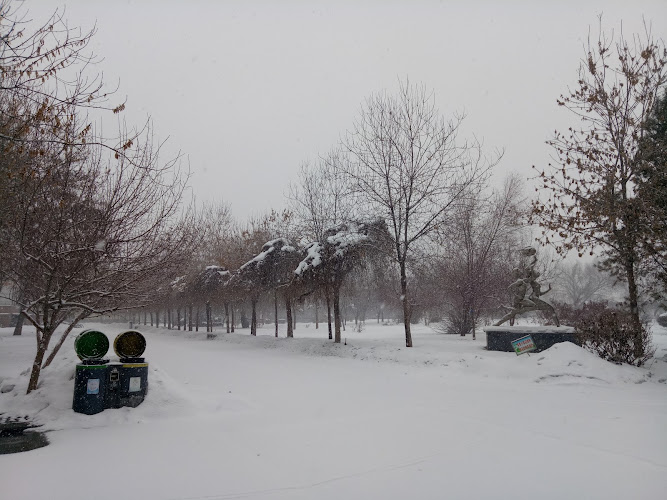
Winter, on the other hand, can be a bit harsh. The city sits in the north of Xinjiang, so temperatures can drop below freezing. But if you don’t mind the cold, there’s something magical about the quiet streets dusted with snow. I remember visiting one January—it was freezing, yes, but the air was so crisp and clean that I didn’t mind walking for hours with a hot cup of milk tea in hand.
Spring is short but sweet, with blossoms popping up almost overnight. Autumn might be my personal favorite though—the air cools down, the trees turn golden, and the city feels calm and reflective, like it’s taking a deep breath before winter sets in.
How to Get There
Getting to Shihezi is easier than you might think, though it’s not exactly a direct flight kind of destination. The nearest major airport is in Ürümqi, about 140 kilometers away. From there, you can hop on a bus or hire a private car for the two-hour journey north. The drive itself is part of the adventure—you’ll pass through stretches of desert, farmland, and the occasional small town that looks like it hasn’t changed much in decades.
There’s also a train option, which is both affordable and scenic. Trains from Ürümqi to Shihezi run regularly and take around two and a half hours. If you’re traveling long-distance from other parts of China, it’s usually best to connect through Ürümqi first.
Once you’re in Shihezi, getting around is simple. The city’s layout makes navigation easy, even if your Mandarin isn’t perfect. Taxis are inexpensive, and public buses run frequently. Honestly, though, walking might be your best bet—it’s the kind of place where you want to slow down and take it all in.
Tips for Visiting
First off, don’t come expecting a bustling nightlife scene or endless tourist attractions. Shihezi is more about quiet exploration and local experiences. It’s the kind of city where you’ll find joy in small details—a chat with a shopkeeper, an unexpected park hidden behind a row of apartment blocks, or the smell of freshly baked naan drifting from a Uyghur bakery.
If you’re a foodie, you’re in for a treat. The local cuisine is hearty and flavorful, with influences from both Han and Uyghur traditions. Try the hand-pulled noodles, lamb skewers, and the local yogurt—it’s thick, tangy, and nothing like what you get back home. And don’t skip the fruit markets. Xinjiang’s melons and grapes are legendary for a reason.
Language-wise, Mandarin will get you far, but a few phrases in Uyghur can earn you some smiles. People here are friendly and curious about visitors, especially foreigners. I once spent an entire afternoon chatting with a group of university students who insisted on practicing their English over cups of jasmine tea. It’s those little encounters that make Shihezi memorable.
A few practical things: the sun can be intense, even if it doesn’t feel hot, so bring sunscreen and a hat. Carry cash, as smaller shops might not accept cards. And if you’re planning day trips outside the city—like to the nearby Manasi River or the desert outskirts—bring plenty of water and snacks.
One last thing: take your time. Shihezi isn’t a place you rush through. It rewards slow travel—the kind where you linger in a café, watch locals go about their day, and realize that sometimes, the best travel moments aren’t about ticking off landmarks but about simply being somewhere new and letting it unfold naturally.
In short, Shihezi might not be on every traveler’s radar, but that’s exactly what makes it special. It’s a city that feels real, grounded, and quietly beautiful. If you’re looking to experience a different side of Xinjiang—one that blends modern life with a deep connection to the land—then this little city in the desert might just surprise you in all the right ways.
Key Features
- Key Features
- Best Time to Visit
- How to Get There
- Tips for Visiting
More Details
Updated November 7, 2025
Table of Contents
Description
Shihezi, tucked away in the northern part of Xinjiang, China, feels like one of those places that surprises you the moment you arrive. It’s not a massive metropolis or a chaotic tourist hub—it’s more of a city that quietly thrives, with clean streets, wide boulevards, and a sense of order that’s rare in many parts of the country. Built in the mid-20th century, Shihezi has grown from a planned settlement into a modern, well-organized city surrounded by the desert landscape of the Junggar Basin. And yet, despite its modernity, it hasn’t lost that small-town friendliness that makes you feel like you belong, even if you’ve just stepped off the bus.
The city is known for its connection to the Xinjiang Production and Construction Corps, which played a huge role in developing the region. You’ll notice this influence in the city’s layout—everything feels intentional, from the tree-lined streets to the parks that seem to pop up just when you need a quiet break. Shihezi University gives the city a youthful energy, with students filling cafes and bookstores, chatting in Mandarin, Uyghur, and sometimes English. It’s a fascinating mix of cultures, histories, and ambitions.
If you’re the kind of traveler who enjoys discovering places that aren’t plastered all over Instagram, Shihezi might just be your kind of city. It’s clean, calm, and surprisingly green—locals say it has more trees per acre than any other city in China. And honestly, walking through its leafy avenues, you might believe it.
Key Features
- Urban Planning: Shihezi’s grid-like layout and wide roads make it one of the most organized cities in Xinjiang, ideal for walking or cycling.
- Shihezi University: A major educational hub that brings a youthful, intellectual vibe to the city.
- Local Parks: The city is dotted with green spaces—perfect for picnics, jogging, or simply people-watching on a sunny day.
- Manasi River: Flowing near the city, it adds a refreshing contrast to the surrounding desert landscape.
- Agricultural Heartland: Known for its cotton and fruit production, Shihezi offers fresh local produce that’s hard to beat.
- Cleanliness and Order: Visitors often comment on how tidy and well-maintained the city feels—almost like it’s been built with precision and care.
- Cultural Blend: A mix of Han Chinese and Uyghur influences reflected in the cuisine, markets, and daily life.
Best Time to Visit
If you can, plan your trip between May and September. That’s when Shihezi really comes alive. The weather is warm but not scorching, the parks are lush, and the markets overflow with fresh melons, grapes, and apricots from nearby farms. Summers here are dry and sunny, which makes it perfect for exploring on foot or renting a bike.
Winter, on the other hand, can be a bit harsh. The city sits in the north of Xinjiang, so temperatures can drop below freezing. But if you don’t mind the cold, there’s something magical about the quiet streets dusted with snow. I remember visiting one January—it was freezing, yes, but the air was so crisp and clean that I didn’t mind walking for hours with a hot cup of milk tea in hand.
Spring is short but sweet, with blossoms popping up almost overnight. Autumn might be my personal favorite though—the air cools down, the trees turn golden, and the city feels calm and reflective, like it’s taking a deep breath before winter sets in.
How to Get There
Getting to Shihezi is easier than you might think, though it’s not exactly a direct flight kind of destination. The nearest major airport is in Ürümqi, about 140 kilometers away. From there, you can hop on a bus or hire a private car for the two-hour journey north. The drive itself is part of the adventure—you’ll pass through stretches of desert, farmland, and the occasional small town that looks like it hasn’t changed much in decades.
There’s also a train option, which is both affordable and scenic. Trains from Ürümqi to Shihezi run regularly and take around two and a half hours. If you’re traveling long-distance from other parts of China, it’s usually best to connect through Ürümqi first.
Once you’re in Shihezi, getting around is simple. The city’s layout makes navigation easy, even if your Mandarin isn’t perfect. Taxis are inexpensive, and public buses run frequently. Honestly, though, walking might be your best bet—it’s the kind of place where you want to slow down and take it all in.
Tips for Visiting
First off, don’t come expecting a bustling nightlife scene or endless tourist attractions. Shihezi is more about quiet exploration and local experiences. It’s the kind of city where you’ll find joy in small details—a chat with a shopkeeper, an unexpected park hidden behind a row of apartment blocks, or the smell of freshly baked naan drifting from a Uyghur bakery.
If you’re a foodie, you’re in for a treat. The local cuisine is hearty and flavorful, with influences from both Han and Uyghur traditions. Try the hand-pulled noodles, lamb skewers, and the local yogurt—it’s thick, tangy, and nothing like what you get back home. And don’t skip the fruit markets. Xinjiang’s melons and grapes are legendary for a reason.
Language-wise, Mandarin will get you far, but a few phrases in Uyghur can earn you some smiles. People here are friendly and curious about visitors, especially foreigners. I once spent an entire afternoon chatting with a group of university students who insisted on practicing their English over cups of jasmine tea. It’s those little encounters that make Shihezi memorable.
A few practical things: the sun can be intense, even if it doesn’t feel hot, so bring sunscreen and a hat. Carry cash, as smaller shops might not accept cards. And if you’re planning day trips outside the city—like to the nearby Manasi River or the desert outskirts—bring plenty of water and snacks.
One last thing: take your time. Shihezi isn’t a place you rush through. It rewards slow travel—the kind where you linger in a café, watch locals go about their day, and realize that sometimes, the best travel moments aren’t about ticking off landmarks but about simply being somewhere new and letting it unfold naturally.
In short, Shihezi might not be on every traveler’s radar, but that’s exactly what makes it special. It’s a city that feels real, grounded, and quietly beautiful. If you’re looking to experience a different side of Xinjiang—one that blends modern life with a deep connection to the land—then this little city in the desert might just surprise you in all the right ways.
Key Highlights
- Key Features
- Best Time to Visit
- How to Get There
- Tips for Visiting
Location
Places to Stay Near Shihezi
Find and Book a Tour
Explore More Travel Guides
No reviews found! Be the first to review!
Traveler Reviews for Shihezi
There are no reviews yet. Be the first one to write one.
Have you visited Shihezi? Help other travelers by sharing your review.
You Might Also Like

Wenchang
472143
Shennongding
Find Accommodations Nearby
Recommended Tours & Activities
Visitor Reviews
There are no reviews yet. Be the first one to write one.
Share Your Experience
Have you visited Shihezi? Help other travelers by leaving a review.