

Jhansi Govt Museum
About Jhansi Govt Museum
Description
The Jhansi Government Museum stands as a testament to centuries of Indian history, housed within the formidable walls of an ancient fort that has witnessed empires rise and fall. This isn't your typical sterile museum experience where you shuffle past glass cases feeling disconnected from the past. Here, you're literally walking through history, surrounded by the same stone walls that once protected Mughal emperors and colonial administrators. I've always believed that the best museums are those where the building itself becomes part of the story, and that's exactly what you get here. The fort setting adds an atmospheric quality that modern museum buildings just can't replicate. You can almost hear the echo of footsteps from centuries past as you explore the collections spread throughout this historic structure. What makes this museum particularly special is its diverse collection that spans multiple eras of Indian history. The Mughal art pieces showcase the refined aesthetic sensibilities of that golden age, while the colonial-era weapons tell stories of conflict and resistance. And then there are the coins – oh, the coins! They might not sound exciting at first, but numismatic collections like this one are basically ancient newspapers, telling you everything about trade routes, political alliances, and economic conditions of their time. The museum serves as a cultural repository for the Bundelkhand region, preserving artifacts that might otherwise have been lost to time. For travelers interested in understanding the layered history of central India, this place provides context that you won't find in textbooks. The exhibits offer glimpses into daily life, warfare, art, and commerce across different periods, making it an educational experience that doesn't feel like homework.Key Features
- Extensive collection of Mughal artwork including miniature paintings, manuscripts, and decorative pieces that demonstrate the artistic sophistication of the era
- Colonial-era weaponry display featuring swords, firearms, and military equipment used during British rule and Indian resistance movements
- Impressive numismatic collection with coins from various dynasties and periods, providing insights into economic history and trade patterns
- The fort architecture itself, which creates an immersive historical atmosphere rarely found in conventional museum spaces
- Artifacts related to Rani Lakshmibai and the 1857 rebellion, connecting visitors to one of India's most celebrated freedom fighters
- Archaeological finds from the surrounding Bundelkhand region, including sculptures and inscriptions
- Terracotta figurines and pottery that reveal details about ancient lifestyles and artistic traditions
- Wheelchair accessible facilities throughout, including entrance, parking, and restrooms, making it inclusive for all visitors
- Child-friendly exhibits that make history engaging for younger visitors without dumbing down the content
- Stone sculptures and inscriptions that showcase regional artistic styles and religious practices across centuries
Best Time to Visit
Timing can make or break your museum experience, honestly. The ideal months for visiting the Jhansi Government Museum are October through March when the weather in this part of Uttar Pradesh becomes more forgiving. Summer temperatures here can climb past 45 degrees Celsius, and since you're exploring a fort with limited air conditioning, you'd be more focused on surviving the heat than appreciating Mughal miniatures. Winter mornings are particularly lovely – there's something about crisp air and historical exploration that just works together. The museum typically sees fewer crowds on weekday mornings, especially right after opening. If you want to take your time examining the coin collections or reading exhibit descriptions without jostling through tour groups, aim for a Tuesday or Wednesday morning around 10 AM. Avoid visiting on Mondays as many government museums in India remain closed on this day. Double-check the current schedule before planning your trip because holiday closures can sometimes extend beyond the typical weekly off day. Local festivals and national holidays can also affect visiting hours and crowd levels. The monsoon season from July to September brings relief from the heat, but the fort premises can become slippery, and some outdoor sections might be less accessible. If you do visit during this period, bring appropriate footwear and maybe an umbrella. For photography enthusiasts – and let's face it, who doesn't want Instagram-worthy shots these days – the afternoon light filtering through the fort's architecture creates dramatic shadows and interesting compositions. But balance this against the midday heat if you're visiting during warmer months.How to Get There
Getting to the Jhansi Government Museum is relatively straightforward since Jhansi serves as a major railway junction in central India. The city's connectivity is actually one of its strongest advantages for travelers. If you're coming by train, you're in luck. Jhansi Railway Station connects to virtually every major city in India, with frequent services from Delhi, Mumbai, Kolkata, and Chennai. The museum sits within reasonable distance from the station, and you can hire an auto-rickshaw or taxi to reach the fort premises. The ride shouldn't take more than 15-20 minutes depending on traffic, which admittedly can be chaotic during peak hours. Air travelers will need to fly into either Gwalior Airport (about 100 kilometers away) or Khajuraho Airport (roughly 175 kilometers). From there, you can hire a taxi or take a bus to Jhansi. Personally, I think the train journey offers better value and convenience for this particular destination, plus you get to see the countryside rolling past your window. For those driving, Jhansi is well-connected by National Highway 44 and National Highway 39. The roads are generally in decent condition, though you should always expect the unexpected when driving in India – wandering cattle, sudden speed breakers, and adventurous overtaking maneuvers are part of the experience. Local transportation within Jhansi includes auto-rickshaws, cycle-rickshaws, and app-based taxi services. Most auto drivers know the fort and museum location, but having the address written in Hindi can help avoid confusion. Negotiate fares beforehand if you're taking a non-metered auto to save yourself from inflated tourist prices. Parking facilities are available near the museum complex, and the designated wheelchair accessible parking makes it convenient for visitors with mobility requirements.Tips for Visiting
First things first – carry identification documents. Government museums in India typically require ID proof for entry, and you don't want to be turned away at the gate after making the journey there. A driver's license or passport photocopy works fine. The museum charges a nominal entry fee that's different for Indian nationals and foreign tourists. Keep small bills handy because change can sometimes be an issue at ticket counters. Photography fees may be separate, so clarify this when purchasing tickets if you plan to take pictures inside. Wear comfortable walking shoes because you'll be covering significant ground exploring both the museum galleries and the fort premises. The floors are mostly even, and the wheelchair accessibility is genuine, but comfortable footwear makes the experience much more enjoyable for everyone. Bring water, especially during warmer months. While there are restroom facilities available, there's no restaurant on-site, so plan accordingly. You might want to grab a meal before arriving or after you finish exploring. The area around the fort has several local eateries where you can sample Bundelkhandi cuisine. Give yourself at least two to three hours for a thorough visit. Rushing through defeats the purpose of experiencing the collections properly. The artifacts deserve your attention, and the fort architecture itself warrants exploration. Some visitors breeze through in an hour, but they're missing out on the details that make this place special. Consider hiring a guide if you want deeper insights into the exhibits. Official guides are usually available near the entrance, and their knowledge can transform your visit from simply seeing objects to understanding their historical significance. Alternatively, some exhibits have information placards, though the quality and detail of signage can vary. The lighting inside certain sections of the fort-turned-museum can be dim, which is partly for artifact preservation but can make reading labels challenging for older visitors. Carrying a small flashlight on your phone helps. Be respectful of the historical space you're occupying. These artifacts have survived centuries, and preservation depends on visitor behavior. Don't touch exhibits unless explicitly permitted, and follow any photography restrictions in sensitive areas. Check if any special exhibitions or events are scheduled during your visit. Museums sometimes host temporary displays or cultural programs that add extra value to your experience. Finally, manage your expectations. This isn't the National Museum in Delhi or the British Museum in London. It's a regional museum doing important preservation work with limited resources. The collections are genuinely fascinating, but the presentation might feel dated compared to international standards. Look past any dusty display cases or faded labels to appreciate the actual historical treasures being preserved here. That's where the real magic lies anyway.Key Features
- Collections spanning prehistoric tools to medieval sculptures
- Artifacts from local archaeological sites like Erich
- Displays related to Rani Lakshmibai and the 1857 rebellion
- Numismatic (coin) collection of gold, silver and copper pieces
- Peaceful garden setting adjacent to Jhansi Fort
More Details
Updated March 30, 2026
Table of Contents
Description
The Jhansi Government Museum stands as a testament to centuries of Indian history, housed within the formidable walls of an ancient fort that has witnessed empires rise and fall. This isn’t your typical sterile museum experience where you shuffle past glass cases feeling disconnected from the past. Here, you’re literally walking through history, surrounded by the same stone walls that once protected Mughal emperors and colonial administrators.
I’ve always believed that the best museums are those where the building itself becomes part of the story, and that’s exactly what you get here. The fort setting adds an atmospheric quality that modern museum buildings just can’t replicate. You can almost hear the echo of footsteps from centuries past as you explore the collections spread throughout this historic structure.
What makes this museum particularly special is its diverse collection that spans multiple eras of Indian history. The Mughal art pieces showcase the refined aesthetic sensibilities of that golden age, while the colonial-era weapons tell stories of conflict and resistance. And then there are the coins – oh, the coins! They might not sound exciting at first, but numismatic collections like this one are basically ancient newspapers, telling you everything about trade routes, political alliances, and economic conditions of their time.
The museum serves as a cultural repository for the Bundelkhand region, preserving artifacts that might otherwise have been lost to time. For travelers interested in understanding the layered history of central India, this place provides context that you won’t find in textbooks. The exhibits offer glimpses into daily life, warfare, art, and commerce across different periods, making it an educational experience that doesn’t feel like homework.
Key Features
- Extensive collection of Mughal artwork including miniature paintings, manuscripts, and decorative pieces that demonstrate the artistic sophistication of the era
- Colonial-era weaponry display featuring swords, firearms, and military equipment used during British rule and Indian resistance movements
- Impressive numismatic collection with coins from various dynasties and periods, providing insights into economic history and trade patterns
- The fort architecture itself, which creates an immersive historical atmosphere rarely found in conventional museum spaces
- Artifacts related to Rani Lakshmibai and the 1857 rebellion, connecting visitors to one of India’s most celebrated freedom fighters
- Archaeological finds from the surrounding Bundelkhand region, including sculptures and inscriptions
- Terracotta figurines and pottery that reveal details about ancient lifestyles and artistic traditions
- Wheelchair accessible facilities throughout, including entrance, parking, and restrooms, making it inclusive for all visitors
- Child-friendly exhibits that make history engaging for younger visitors without dumbing down the content
- Stone sculptures and inscriptions that showcase regional artistic styles and religious practices across centuries
Best Time to Visit
Timing can make or break your museum experience, honestly. The ideal months for visiting the Jhansi Government Museum are October through March when the weather in this part of Uttar Pradesh becomes more forgiving. Summer temperatures here can climb past 45 degrees Celsius, and since you’re exploring a fort with limited air conditioning, you’d be more focused on surviving the heat than appreciating Mughal miniatures.
Winter mornings are particularly lovely – there’s something about crisp air and historical exploration that just works together. The museum typically sees fewer crowds on weekday mornings, especially right after opening. If you want to take your time examining the coin collections or reading exhibit descriptions without jostling through tour groups, aim for a Tuesday or Wednesday morning around 10 AM.
Avoid visiting on Mondays as many government museums in India remain closed on this day. Double-check the current schedule before planning your trip because holiday closures can sometimes extend beyond the typical weekly off day. Local festivals and national holidays can also affect visiting hours and crowd levels.
The monsoon season from July to September brings relief from the heat, but the fort premises can become slippery, and some outdoor sections might be less accessible. If you do visit during this period, bring appropriate footwear and maybe an umbrella.
For photography enthusiasts – and let’s face it, who doesn’t want Instagram-worthy shots these days – the afternoon light filtering through the fort’s architecture creates dramatic shadows and interesting compositions. But balance this against the midday heat if you’re visiting during warmer months.
How to Get There
Getting to the Jhansi Government Museum is relatively straightforward since Jhansi serves as a major railway junction in central India. The city’s connectivity is actually one of its strongest advantages for travelers.
If you’re coming by train, you’re in luck. Jhansi Railway Station connects to virtually every major city in India, with frequent services from Delhi, Mumbai, Kolkata, and Chennai. The museum sits within reasonable distance from the station, and you can hire an auto-rickshaw or taxi to reach the fort premises. The ride shouldn’t take more than 15-20 minutes depending on traffic, which admittedly can be chaotic during peak hours.
Air travelers will need to fly into either Gwalior Airport (about 100 kilometers away) or Khajuraho Airport (roughly 175 kilometers). From there, you can hire a taxi or take a bus to Jhansi. Personally, I think the train journey offers better value and convenience for this particular destination, plus you get to see the countryside rolling past your window.
For those driving, Jhansi is well-connected by National Highway 44 and National Highway 39. The roads are generally in decent condition, though you should always expect the unexpected when driving in India – wandering cattle, sudden speed breakers, and adventurous overtaking maneuvers are part of the experience.
Local transportation within Jhansi includes auto-rickshaws, cycle-rickshaws, and app-based taxi services. Most auto drivers know the fort and museum location, but having the address written in Hindi can help avoid confusion. Negotiate fares beforehand if you’re taking a non-metered auto to save yourself from inflated tourist prices.
Parking facilities are available near the museum complex, and the designated wheelchair accessible parking makes it convenient for visitors with mobility requirements.
Tips for Visiting
First things first – carry identification documents. Government museums in India typically require ID proof for entry, and you don’t want to be turned away at the gate after making the journey there. A driver’s license or passport photocopy works fine.
The museum charges a nominal entry fee that’s different for Indian nationals and foreign tourists. Keep small bills handy because change can sometimes be an issue at ticket counters. Photography fees may be separate, so clarify this when purchasing tickets if you plan to take pictures inside.
Wear comfortable walking shoes because you’ll be covering significant ground exploring both the museum galleries and the fort premises. The floors are mostly even, and the wheelchair accessibility is genuine, but comfortable footwear makes the experience much more enjoyable for everyone.
Bring water, especially during warmer months. While there are restroom facilities available, there’s no restaurant on-site, so plan accordingly. You might want to grab a meal before arriving or after you finish exploring. The area around the fort has several local eateries where you can sample Bundelkhandi cuisine.
Give yourself at least two to three hours for a thorough visit. Rushing through defeats the purpose of experiencing the collections properly. The artifacts deserve your attention, and the fort architecture itself warrants exploration. Some visitors breeze through in an hour, but they’re missing out on the details that make this place special.
Consider hiring a guide if you want deeper insights into the exhibits. Official guides are usually available near the entrance, and their knowledge can transform your visit from simply seeing objects to understanding their historical significance. Alternatively, some exhibits have information placards, though the quality and detail of signage can vary.
The lighting inside certain sections of the fort-turned-museum can be dim, which is partly for artifact preservation but can make reading labels challenging for older visitors. Carrying a small flashlight on your phone helps.
Be respectful of the historical space you’re occupying. These artifacts have survived centuries, and preservation depends on visitor behavior. Don’t touch exhibits unless explicitly permitted, and follow any photography restrictions in sensitive areas.
Check if any special exhibitions or events are scheduled during your visit. Museums sometimes host temporary displays or cultural programs that add extra value to your experience.
Finally, manage your expectations. This isn’t the National Museum in Delhi or the British Museum in London. It’s a regional museum doing important preservation work with limited resources. The collections are genuinely fascinating, but the presentation might feel dated compared to international standards. Look past any dusty display cases or faded labels to appreciate the actual historical treasures being preserved here. That’s where the real magic lies anyway.
Key Highlights
- Collections spanning prehistoric tools to medieval sculptures
- Artifacts from local archaeological sites like Erich
- Displays related to Rani Lakshmibai and the 1857 rebellion
- Numismatic (coin) collection of gold, silver and copper pieces
- Peaceful garden setting adjacent to Jhansi Fort
Location
Places to Stay Near Jhansi Govt Museum
Find and Book a Tour
Explore More Travel Guides
No reviews found! Be the first to review!
Jhansi Govt Museum is a prominent museums located in Jhansi.
Visit us at: FH3F+C69, Jhokan Bagh, Jhansi, Uttar Pradesh 284002, Inde.
Traveler Reviews for Jhansi Govt Museum
There are no reviews yet. Be the first one to write one.
Have you visited Jhansi Govt Museum? Help other travelers by sharing your review.
Nearby Attractions
You Might Also Like

Cenotaph of Raja Gangadhar Rao

Veerangna Maharani Laxmi Bai Park
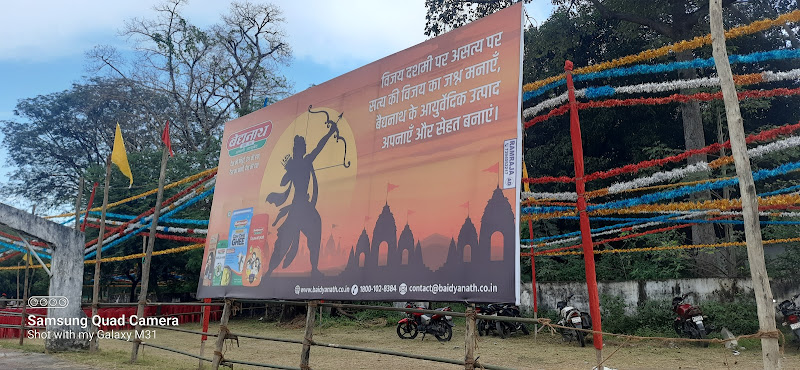
Ramleela maidaan (zym khana)
Find Accommodations Nearby
Recommended Tours & Activities
Visitor Reviews
There are no reviews yet. Be the first one to write one.
Share Your Experience
Have you visited Jhansi Govt Museum? Help other travelers by leaving a review.