

Jembatan Cipelang
About Jembatan Cipelang
Description
Jembatan Cipelang is one of those places that quietly captures your attention the moment you see it. It’s not a massive tourist hotspot with crowds and souvenir stalls, but that’s exactly what makes it special. The bridge stretches gracefully over the Cipelang River, surrounded by the soft hum of local life and the kind of greenery that only West Java seems to pull off so effortlessly. Some say it’s just a bridge, but if you stand there long enough, you’ll realize it’s more like a story told in steel and stone — a connection between the old and the new, the rural and the modern.
I remember the first time I visited, early in the morning when the mist still clung to the trees. The air was cool, and the sound of rushing water echoed under the bridge. A few locals were already out, some heading to the fields, others just chatting by the roadside. There’s something grounding about that scene, something that makes you slow down and just breathe. Sure, it’s not a perfectly kept tourist attraction — a few parts show their age, and the infrastructure could use some love — but maybe that’s part of its charm. It feels real, unpolished, and honest.
Travelers who love off-the-beaten-path experiences will find Jembatan Cipelang refreshing. It’s the kind of place where you can take your time, snap a few photos, and simply enjoy being somewhere that hasn’t been overrun by commercialization. The bridge itself offers a lovely vantage point for photography, especially at sunrise and sunset when the surrounding hills glow with that golden hue. And if you’re into local culture, you’ll likely end up chatting with residents who are more than happy to share stories about the area.
Key Features
- Scenic Views: The bridge overlooks lush rice fields and the winding Cipelang River, offering a picturesque backdrop for photos.
- Local Atmosphere: Visitors can experience authentic village life, with friendly locals often passing by on motorbikes or walking to nearby markets.
- Peaceful Environment: Far from the noise of the city, it’s a quiet spot perfect for reflection or a short rest during a road trip.
- Photographic Opportunities: The bridge’s structure and surrounding landscape make it ideal for both amateur and professional photographers.
- Historical Touch: Though not ancient, the bridge has become a local landmark and a symbol of connection for the community.
Now, let’s be honest — it’s not the most accessible place for everyone. There’s no wheelchair-friendly path or parking, and the walkways can be uneven. But if you’re up for a bit of adventure and don’t mind some imperfections, it’s absolutely worth it. The beauty here lies in the simplicity and the sense of calm that washes over you when you stand in the middle of the bridge, watching the river flow beneath your feet.
Best Time to Visit
If you ask me, the best time to visit Jembatan Cipelang is early in the morning or late in the afternoon. The lighting during those hours is soft, and the air feels fresher. The mornings bring a gentle mist that makes the whole place look almost dreamlike. And in the late afternoon, you’ll catch the sunset reflecting on the water — a sight that’s hard to forget.
Avoid visiting during the peak rainy season, usually between November and February, since the river can swell, and the roads might get slippery. The dry months, from June to September, are ideal for exploring. The weather’s pleasant, and the surrounding scenery bursts into shades of green and gold that make for stunning photos. If you’re a photographer or just someone who loves a good view, you’ll find those months particularly rewarding.
How to Get There
Reaching Jembatan Cipelang isn’t complicated, but it does require a bit of planning. The bridge sits within the Sukabumi region of West Java, and the most common way to get there is by car or motorbike. If you’re coming from Jakarta, it’s roughly a three-hour drive, depending on traffic. The route winds through scenic countryside roads, passing small towns and stretches of farmland that give you a glimpse of rural Indonesia.
Public transportation options are limited, so renting a car or hiring a local driver is the most practical choice. For those who enjoy a bit of adventure, riding a motorbike offers a more immersive experience — just make sure you’re comfortable with narrow roads and occasional potholes. Once you’re close to the area, locals are usually happy to point you in the right direction. GPS works fairly well, but I’ve found that asking around often leads to discovering hidden gems nearby — like small warungs (local eateries) serving delicious Sundanese food.
Parking is available near the bridge, though it’s informal and may just be a patch of gravel or roadside space. Bring small cash for parking fees or snacks. And if you’re planning to visit other attractions in Sukabumi, Jembatan Cipelang makes a great stop along the way rather than a full-day destination.
Tips for Visiting
Before heading to Jembatan Cipelang, there are a few things you should keep in mind. These aren’t strict rules, just friendly suggestions based on my own visits and a few lessons learned the hard way.
- Bring comfortable footwear: The ground around the bridge can be uneven, especially after rain. Sneakers or sturdy sandals work best.
- Pack light: You don’t need much here — just your camera, some water, and maybe a small snack. Traveling light makes it easier to move around.
- Respect local customs: This is a community area, not a commercial tourist site. Smile, say hello, and avoid being too intrusive with your camera.
- Stay safe: The railings aren’t particularly high, so keep an eye on your footing, especially if you’re taking photos near the edge.
- Check the weather: Rain can make the area slippery, and the river can rise quickly. Always check forecasts before you go.
- Bring cash: There are no ATMs nearby, and small vendors usually don’t take digital payments.
- Take your time: Don’t rush. Part of the joy here is simply standing still and soaking in the surroundings.
One thing I’ve noticed is how peaceful the bridge feels when you visit during off-peak hours. There’s a rhythm to the place — the sound of water, the rustle of trees, the occasional motorbike humming by. It’s a reminder that travel doesn’t always have to be about ticking off major attractions. Sometimes, it’s about finding those quiet corners that tell their own story.
If you’re a photography enthusiast, bring a tripod for those long-exposure shots of the river at dusk. And if you’re visiting with friends, pack some snacks and make it a mini picnic. There’s no official seating area, but you’ll find plenty of spots nearby where you can sit and enjoy the view. Just remember to take your trash with you — the beauty of Jembatan Cipelang lies in its natural simplicity, and keeping it clean helps preserve that charm for others.
In all honesty, Jembatan Cipelang may not appear on every traveler’s radar, and that’s fine. It’s not a flashy destination with big signs or crowds of influencers snapping selfies. But for those who appreciate authenticity, the sound of a flowing river, and the quiet strength of a bridge that’s stood the test of time, it’s a hidden gem worth discovering. The best part? You’ll likely have it all to yourself.
So if you ever find yourself wandering through Sukabumi and crave a moment of calm — a place where you can just pause and take in the landscape — make a small detour to Jembatan Cipelang. It’s not grand or glamorous, but it has heart. And sometimes, that’s all you really need.
Key Features
- Key Features
- Best Time to Visit
- How to Get There
- Tips for Visiting
More Details
Updated December 1, 2025
Table of Contents
Description
Jembatan Cipelang is one of those places that quietly captures your attention the moment you see it. It’s not a massive tourist hotspot with crowds and souvenir stalls, but that’s exactly what makes it special. The bridge stretches gracefully over the Cipelang River, surrounded by the soft hum of local life and the kind of greenery that only West Java seems to pull off so effortlessly. Some say it’s just a bridge, but if you stand there long enough, you’ll realize it’s more like a story told in steel and stone — a connection between the old and the new, the rural and the modern.
I remember the first time I visited, early in the morning when the mist still clung to the trees. The air was cool, and the sound of rushing water echoed under the bridge. A few locals were already out, some heading to the fields, others just chatting by the roadside. There’s something grounding about that scene, something that makes you slow down and just breathe. Sure, it’s not a perfectly kept tourist attraction — a few parts show their age, and the infrastructure could use some love — but maybe that’s part of its charm. It feels real, unpolished, and honest.
Travelers who love off-the-beaten-path experiences will find Jembatan Cipelang refreshing. It’s the kind of place where you can take your time, snap a few photos, and simply enjoy being somewhere that hasn’t been overrun by commercialization. The bridge itself offers a lovely vantage point for photography, especially at sunrise and sunset when the surrounding hills glow with that golden hue. And if you’re into local culture, you’ll likely end up chatting with residents who are more than happy to share stories about the area.
Key Features
- Scenic Views: The bridge overlooks lush rice fields and the winding Cipelang River, offering a picturesque backdrop for photos.
- Local Atmosphere: Visitors can experience authentic village life, with friendly locals often passing by on motorbikes or walking to nearby markets.
- Peaceful Environment: Far from the noise of the city, it’s a quiet spot perfect for reflection or a short rest during a road trip.
- Photographic Opportunities: The bridge’s structure and surrounding landscape make it ideal for both amateur and professional photographers.
- Historical Touch: Though not ancient, the bridge has become a local landmark and a symbol of connection for the community.
Now, let’s be honest — it’s not the most accessible place for everyone. There’s no wheelchair-friendly path or parking, and the walkways can be uneven. But if you’re up for a bit of adventure and don’t mind some imperfections, it’s absolutely worth it. The beauty here lies in the simplicity and the sense of calm that washes over you when you stand in the middle of the bridge, watching the river flow beneath your feet.
Best Time to Visit
If you ask me, the best time to visit Jembatan Cipelang is early in the morning or late in the afternoon. The lighting during those hours is soft, and the air feels fresher. The mornings bring a gentle mist that makes the whole place look almost dreamlike. And in the late afternoon, you’ll catch the sunset reflecting on the water — a sight that’s hard to forget.
Avoid visiting during the peak rainy season, usually between November and February, since the river can swell, and the roads might get slippery. The dry months, from June to September, are ideal for exploring. The weather’s pleasant, and the surrounding scenery bursts into shades of green and gold that make for stunning photos. If you’re a photographer or just someone who loves a good view, you’ll find those months particularly rewarding.
How to Get There
Reaching Jembatan Cipelang isn’t complicated, but it does require a bit of planning. The bridge sits within the Sukabumi region of West Java, and the most common way to get there is by car or motorbike. If you’re coming from Jakarta, it’s roughly a three-hour drive, depending on traffic. The route winds through scenic countryside roads, passing small towns and stretches of farmland that give you a glimpse of rural Indonesia.
Public transportation options are limited, so renting a car or hiring a local driver is the most practical choice. For those who enjoy a bit of adventure, riding a motorbike offers a more immersive experience — just make sure you’re comfortable with narrow roads and occasional potholes. Once you’re close to the area, locals are usually happy to point you in the right direction. GPS works fairly well, but I’ve found that asking around often leads to discovering hidden gems nearby — like small warungs (local eateries) serving delicious Sundanese food.
Parking is available near the bridge, though it’s informal and may just be a patch of gravel or roadside space. Bring small cash for parking fees or snacks. And if you’re planning to visit other attractions in Sukabumi, Jembatan Cipelang makes a great stop along the way rather than a full-day destination.
Tips for Visiting
Before heading to Jembatan Cipelang, there are a few things you should keep in mind. These aren’t strict rules, just friendly suggestions based on my own visits and a few lessons learned the hard way.
- Bring comfortable footwear: The ground around the bridge can be uneven, especially after rain. Sneakers or sturdy sandals work best.
- Pack light: You don’t need much here — just your camera, some water, and maybe a small snack. Traveling light makes it easier to move around.
- Respect local customs: This is a community area, not a commercial tourist site. Smile, say hello, and avoid being too intrusive with your camera.
- Stay safe: The railings aren’t particularly high, so keep an eye on your footing, especially if you’re taking photos near the edge.
- Check the weather: Rain can make the area slippery, and the river can rise quickly. Always check forecasts before you go.
- Bring cash: There are no ATMs nearby, and small vendors usually don’t take digital payments.
- Take your time: Don’t rush. Part of the joy here is simply standing still and soaking in the surroundings.
One thing I’ve noticed is how peaceful the bridge feels when you visit during off-peak hours. There’s a rhythm to the place — the sound of water, the rustle of trees, the occasional motorbike humming by. It’s a reminder that travel doesn’t always have to be about ticking off major attractions. Sometimes, it’s about finding those quiet corners that tell their own story.
If you’re a photography enthusiast, bring a tripod for those long-exposure shots of the river at dusk. And if you’re visiting with friends, pack some snacks and make it a mini picnic. There’s no official seating area, but you’ll find plenty of spots nearby where you can sit and enjoy the view. Just remember to take your trash with you — the beauty of Jembatan Cipelang lies in its natural simplicity, and keeping it clean helps preserve that charm for others.
In all honesty, Jembatan Cipelang may not appear on every traveler’s radar, and that’s fine. It’s not a flashy destination with big signs or crowds of influencers snapping selfies. But for those who appreciate authenticity, the sound of a flowing river, and the quiet strength of a bridge that’s stood the test of time, it’s a hidden gem worth discovering. The best part? You’ll likely have it all to yourself.
So if you ever find yourself wandering through Sukabumi and crave a moment of calm — a place where you can just pause and take in the landscape — make a small detour to Jembatan Cipelang. It’s not grand or glamorous, but it has heart. And sometimes, that’s all you really need.
Key Highlights
- Key Features
- Best Time to Visit
- How to Get There
- Tips for Visiting
Location
Places to Stay Near Jembatan Cipelang
Find and Book a Tour
Explore More Travel Guides
No reviews found! Be the first to review!
Traveler Reviews for Jembatan Cipelang
There are no reviews yet. Be the first one to write one.
Have you visited Jembatan Cipelang? Help other travelers by sharing your review.
You Might Also Like

SantaSea Water Theme Park Sukabumi
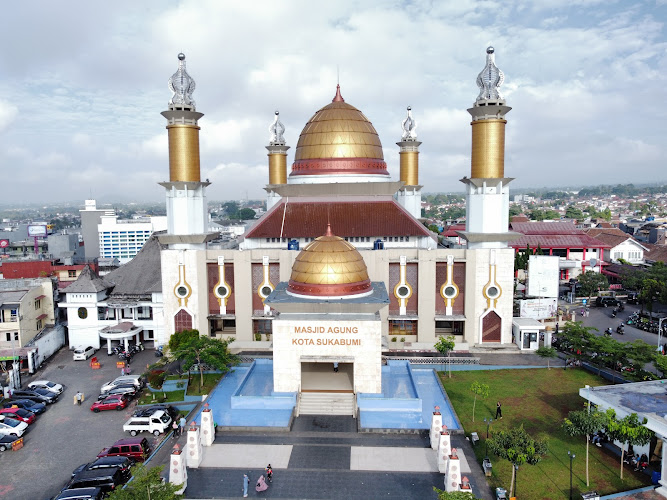
Masjid Agung Kota Sukabumi

Hutan Kota Kerkof Kota Sukabumi
Find Accommodations Nearby
Recommended Tours & Activities
Visitor Reviews
There are no reviews yet. Be the first one to write one.
Share Your Experience
Have you visited Jembatan Cipelang? Help other travelers by leaving a review.