

Janm bhumi mathura govind nager
About Janm bhumi mathura govind nager
Description
Janm Bhumi in Mathura, located near Govind Nagar, stands as one of the most sacred and emotionally stirring places in India. It’s not just a temple—it’s the very heart of Lord Krishna’s story. Many believe this is the exact spot where Lord Krishna was born, inside a prison cell where his parents, Devaki and Vasudeva, were held captive by the tyrant king Kansa. When you walk through the temple complex, you can almost feel the echoes of that divine moment. There’s a certain energy in the air—something ancient, powerful, and oddly comforting. Even if you’re not deeply religious, it’s hard not to be moved by the sense of history and faith that surrounds you here.
The temple complex is beautifully maintained, with a blend of old-world charm and modern facilities. The architecture itself tells stories—carvings depicting scenes from Krishna’s life, the soft hum of devotees reciting prayers, and the faint scent of incense lingering in the corridors. It’s a living piece of history. And while it attracts pilgrims from all over the world, it somehow retains a peaceful, almost personal atmosphere. I remember the first time I visited—it was early morning, the sun just rising over the Yamuna River, and the temple bells began to ring. That sound stayed with me for days.
What’s particularly striking about Janm Bhumi is how inclusive and accessible it is. The temple offers wheelchair access, well-kept restrooms, and onsite services that make the experience comfortable for visitors of all ages. The caretakers and priests are welcoming, often sharing stories or answering questions with a smile. It’s the kind of place where time slows down, and you find yourself reflecting—not just on mythology, but on your own life, your own beliefs.
Key Features
- Spiritual Significance: Believed to be the birthplace of Lord Krishna, making it one of the holiest sites in Hinduism.
- Historical Depth: The temple complex stands over ancient ruins, some dating back thousands of years, offering a glimpse into Mathura’s layered past.
- Architectural Beauty: Intricate carvings, vibrant sculptures, and traditional temple design that merge devotion with artistry.
- Accessibility: Wheelchair-friendly entrances and parking areas ensure that everyone can experience the site comfortably.
- Peaceful Atmosphere: Despite being a major pilgrimage site, it maintains a calm and reflective environment, especially during early morning and late evening hours.
- Festivals: Janmashtami celebrations here are grand and deeply emotional, drawing thousands of devotees who come to relive Krishna’s birth moment at midnight.
- Local Culture: Surrounded by bustling markets selling sweets, flowers, and religious souvenirs, giving visitors a taste of authentic Mathura life.
Best Time to Visit
While the temple is open year-round, the best time to visit Janm Bhumi is between October and March. The weather during these months is pleasant, making it easier to explore both the temple and nearby attractions like Dwarkadhish Temple and Vishram Ghat. If you love festivals, visiting during Janmashtami (usually in August or September) is an unforgettable experience. The entire city lights up, chants fill the air, and the energy is electric. But be prepared—it gets crowded, and accommodations fill up quickly.
For those who prefer quieter moments, early mornings are magical. The soft light, the sound of conch shells, and the sight of devotees offering flowers at the shrine—it’s a peaceful way to start your day. I often tell people that Mathura in the early hours feels like stepping into another world, one where devotion and simplicity still rule the heart.
How to Get There
Reaching Janm Bhumi in Mathura is quite straightforward. Mathura is well-connected by road and rail, lying on the main Delhi–Agra route. If you’re coming from Delhi, it’s about a three-hour drive. Trains from major cities like Delhi, Agra, and Jaipur run frequently to Mathura Junction, which is just a short auto-rickshaw ride from the temple area.
For those flying in, the nearest airport is in Agra, around 60 kilometers away. From there, taxis and buses are readily available. Within Mathura, local transport—rickshaws, e-rickshaws, or even a leisurely walk if you’re staying nearby—makes getting around easy. Just a little tip: avoid peak hours in the evening when the streets around Govind Nagar can get quite busy with pilgrims and vendors.
Tips for Visiting
Visiting Janm Bhumi is as much about preparation as it is about experience. Here are a few things that can make your trip smoother and more meaningful:
- Arrive Early: Morning hours (around 6–8 AM) are the most serene. You’ll avoid crowds and get more time to soak in the atmosphere.
- Respect Local Customs: Dress modestly and remove your shoes before entering the temple premises. Photography is restricted in certain areas, especially near the sanctum.
- Stay Hydrated: Mathura can get quite warm, especially during the day. Carry a water bottle, but remember that food and drinks aren’t allowed inside the main temple area.
- Engage with Locals: Don’t hesitate to chat with shopkeepers or priests. You’ll hear fascinating local legends and stories that don’t appear in guidebooks.
- Plan Around Festivals: If you’re visiting during Janmashtami or Holi, book accommodations well in advance. The city gets packed, but the energy is worth it.
- Security Checks: Expect thorough security screening at the entrance. It’s best to carry minimal belongings to speed up entry.
- Combine Your Visit: Pair your trip with nearby spots like Vishram Ghat, Govardhan Hill, or Barsana to get a fuller sense of Krishna’s life and legends.
One thing I’ve learned from multiple visits is that every time you come here, you notice something new. Maybe it’s a small carving you missed before, or a priest’s chant that hits you differently. The place has that kind of depth—it grows on you. And it’s not just about religion; it’s about connection. You don’t have to be a devotee to feel moved here. The mix of history, devotion, and humanity makes Janm Bhumi in Mathura one of those rare places that touches your heart long after you’ve left.
So, if you’re planning a trip, don’t rush it. Take your time. Sit quietly for a while. Watch the people, listen to the bells, and let the moment sink in. Because in that stillness, you’ll understand why this site has drawn millions for centuries—and why it continues to do so today.
Key Features
- Key Features
- Best Time to Visit
- How to Get There
- Tips for Visiting
More Details
Updated December 1, 2025
Table of Contents
Description
Janm Bhumi in Mathura, located near Govind Nagar, stands as one of the most sacred and emotionally stirring places in India. It’s not just a temple—it’s the very heart of Lord Krishna’s story. Many believe this is the exact spot where Lord Krishna was born, inside a prison cell where his parents, Devaki and Vasudeva, were held captive by the tyrant king Kansa. When you walk through the temple complex, you can almost feel the echoes of that divine moment. There’s a certain energy in the air—something ancient, powerful, and oddly comforting. Even if you’re not deeply religious, it’s hard not to be moved by the sense of history and faith that surrounds you here.
The temple complex is beautifully maintained, with a blend of old-world charm and modern facilities. The architecture itself tells stories—carvings depicting scenes from Krishna’s life, the soft hum of devotees reciting prayers, and the faint scent of incense lingering in the corridors. It’s a living piece of history. And while it attracts pilgrims from all over the world, it somehow retains a peaceful, almost personal atmosphere. I remember the first time I visited—it was early morning, the sun just rising over the Yamuna River, and the temple bells began to ring. That sound stayed with me for days.
What’s particularly striking about Janm Bhumi is how inclusive and accessible it is. The temple offers wheelchair access, well-kept restrooms, and onsite services that make the experience comfortable for visitors of all ages. The caretakers and priests are welcoming, often sharing stories or answering questions with a smile. It’s the kind of place where time slows down, and you find yourself reflecting—not just on mythology, but on your own life, your own beliefs.
Key Features
- Spiritual Significance: Believed to be the birthplace of Lord Krishna, making it one of the holiest sites in Hinduism.
- Historical Depth: The temple complex stands over ancient ruins, some dating back thousands of years, offering a glimpse into Mathura’s layered past.
- Architectural Beauty: Intricate carvings, vibrant sculptures, and traditional temple design that merge devotion with artistry.
- Accessibility: Wheelchair-friendly entrances and parking areas ensure that everyone can experience the site comfortably.
- Peaceful Atmosphere: Despite being a major pilgrimage site, it maintains a calm and reflective environment, especially during early morning and late evening hours.
- Festivals: Janmashtami celebrations here are grand and deeply emotional, drawing thousands of devotees who come to relive Krishna’s birth moment at midnight.
- Local Culture: Surrounded by bustling markets selling sweets, flowers, and religious souvenirs, giving visitors a taste of authentic Mathura life.
Best Time to Visit
While the temple is open year-round, the best time to visit Janm Bhumi is between October and March. The weather during these months is pleasant, making it easier to explore both the temple and nearby attractions like Dwarkadhish Temple and Vishram Ghat. If you love festivals, visiting during Janmashtami (usually in August or September) is an unforgettable experience. The entire city lights up, chants fill the air, and the energy is electric. But be prepared—it gets crowded, and accommodations fill up quickly.
For those who prefer quieter moments, early mornings are magical. The soft light, the sound of conch shells, and the sight of devotees offering flowers at the shrine—it’s a peaceful way to start your day. I often tell people that Mathura in the early hours feels like stepping into another world, one where devotion and simplicity still rule the heart.
How to Get There
Reaching Janm Bhumi in Mathura is quite straightforward. Mathura is well-connected by road and rail, lying on the main Delhi–Agra route. If you’re coming from Delhi, it’s about a three-hour drive. Trains from major cities like Delhi, Agra, and Jaipur run frequently to Mathura Junction, which is just a short auto-rickshaw ride from the temple area.
For those flying in, the nearest airport is in Agra, around 60 kilometers away. From there, taxis and buses are readily available. Within Mathura, local transport—rickshaws, e-rickshaws, or even a leisurely walk if you’re staying nearby—makes getting around easy. Just a little tip: avoid peak hours in the evening when the streets around Govind Nagar can get quite busy with pilgrims and vendors.
Tips for Visiting
Visiting Janm Bhumi is as much about preparation as it is about experience. Here are a few things that can make your trip smoother and more meaningful:
- Arrive Early: Morning hours (around 6–8 AM) are the most serene. You’ll avoid crowds and get more time to soak in the atmosphere.
- Respect Local Customs: Dress modestly and remove your shoes before entering the temple premises. Photography is restricted in certain areas, especially near the sanctum.
- Stay Hydrated: Mathura can get quite warm, especially during the day. Carry a water bottle, but remember that food and drinks aren’t allowed inside the main temple area.
- Engage with Locals: Don’t hesitate to chat with shopkeepers or priests. You’ll hear fascinating local legends and stories that don’t appear in guidebooks.
- Plan Around Festivals: If you’re visiting during Janmashtami or Holi, book accommodations well in advance. The city gets packed, but the energy is worth it.
- Security Checks: Expect thorough security screening at the entrance. It’s best to carry minimal belongings to speed up entry.
- Combine Your Visit: Pair your trip with nearby spots like Vishram Ghat, Govardhan Hill, or Barsana to get a fuller sense of Krishna’s life and legends.
One thing I’ve learned from multiple visits is that every time you come here, you notice something new. Maybe it’s a small carving you missed before, or a priest’s chant that hits you differently. The place has that kind of depth—it grows on you. And it’s not just about religion; it’s about connection. You don’t have to be a devotee to feel moved here. The mix of history, devotion, and humanity makes Janm Bhumi in Mathura one of those rare places that touches your heart long after you’ve left.
So, if you’re planning a trip, don’t rush it. Take your time. Sit quietly for a while. Watch the people, listen to the bells, and let the moment sink in. Because in that stillness, you’ll understand why this site has drawn millions for centuries—and why it continues to do so today.
Key Highlights
- Key Features
- Best Time to Visit
- How to Get There
- Tips for Visiting
Location
Places to Stay Near Janm bhumi mathura govind nager
Find and Book a Tour
Explore More Travel Guides
No reviews found! Be the first to review!
Traveler Reviews for Janm bhumi mathura govind nager
There are no reviews yet. Be the first one to write one.
Have you visited Janm bhumi mathura govind nager? Help other travelers by sharing your review.
You Might Also Like

Kans Quila, Mathura

Baba Jai Guru Dev Mandir mathura
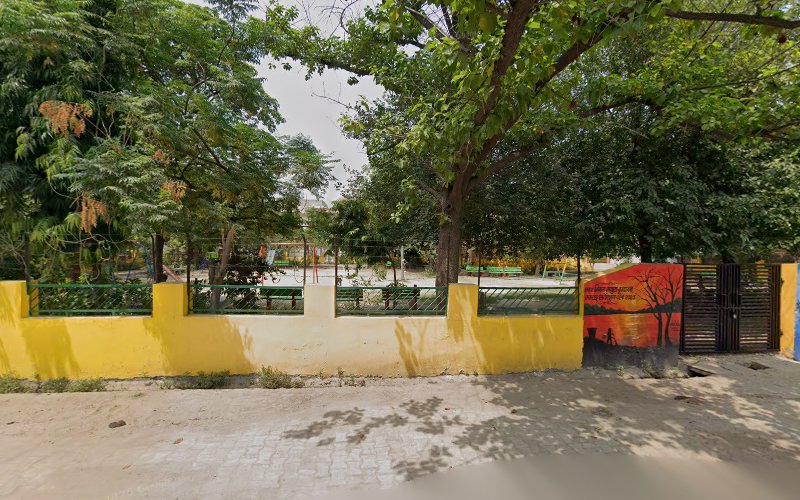
Manas Nagar Park
Find Accommodations Nearby
Recommended Tours & Activities
Visitor Reviews
There are no reviews yet. Be the first one to write one.
Share Your Experience
Have you visited Janm bhumi mathura govind nager? Help other travelers by leaving a review.