
Jamiul Atique Fourah Bay Mosque
About Jamiul Atique Fourah Bay Mosque
Description
The Jamiul Atique Fourah Bay Mosque in Freetown, Sierra Leone, is one of those places that quietly commands respect the moment you see it. It’s not just a building—it’s a living, breathing part of the city’s spiritual rhythm. The mosque stands as a symbol of faith and tradition in the heart of Fourah Bay, an area known for its deep cultural roots and strong sense of community. What makes it truly special is how seamlessly it blends the old with the new—centuries of Islamic heritage meeting the hum of modern-day Freetown life.
Walking up to the mosque, you’ll notice the calm that seems to settle over the area. The call to prayer echoes softly through the neighborhood, and locals pause their daily routines, if only for a moment, to honor something greater than themselves. The architecture isn’t overly ornate, but that’s part of its charm. It’s elegant in a modest way—clean lines, pale tones, and a sense of groundedness that feels both humble and dignified. If you’re the kind of traveler who appreciates authenticity over spectacle, this place will speak to you.
Inside, the atmosphere shifts. The air feels cooler, quieter. You can almost sense the layers of devotion that have built up over generations. It’s not a tourist attraction in the flashy sense; it’s a functioning mosque, a sacred space where faith is practiced daily. Visitors are welcome, but respect is key here—modest clothing, quiet voices, and an open heart go a long way. I remember sitting outside one afternoon, watching people come and go, and feeling this unexpected sense of serenity. Even if you’re not religious, there’s something grounding about being in a place where people gather for something so deeply meaningful.
And while it’s not the biggest or most famous mosque in West Africa, it holds its own kind of importance. It’s a cornerstone for the Muslim community in Freetown, a place where generations have prayed, celebrated, and found solace. You can feel that history in the walls. It’s the kind of place that reminds you that spirituality doesn’t need grandeur—it just needs sincerity.
Key Features
- Architectural Simplicity: The mosque’s design reflects traditional West African Islamic architecture, emphasizing function and faith over ornamentation.
- Community Hub: Serves as a central gathering place for worshippers and visitors alike, fostering a sense of unity and belonging.
- Peaceful Ambiance: The atmosphere is calm and contemplative, ideal for reflection or quiet observation.
- Accessible Facilities: Restrooms are available on-site, which is always a plus for travelers exploring the city.
- Cultural Insight: Offers visitors a glimpse into the daily rhythm of Muslim life in Freetown, especially during Friday prayers.
- Photographic Appeal: While photography should be done respectfully, the mosque’s structure and surroundings provide beautiful, understated visuals.
Best Time to Visit
If you’re planning a visit, mornings and late afternoons are the sweet spots. The light is softer then, perfect for photography and quiet reflection. Fridays, of course, are significant—the day of congregational prayer. But unless you’re joining in worship, it’s best to visit outside of prayer times to avoid crowding and to give worshippers their space.
The dry season, typically from November to April, offers the most comfortable weather for exploring Freetown. The humidity drops a bit, and the skies are clearer. During the rainy months, the area around the mosque can get muddy, though there’s something oddly beautiful about the sound of rain against the mosque’s roof—it’s like nature’s own call to pause.
I once visited during Ramadan, and it was an entirely different experience. The sense of community was palpable—people breaking fast together, sharing food, laughter, and stories. If you’re open to cultural immersion, timing your visit with one of the Islamic holidays could be incredibly rewarding.
How to Get There
Getting to the Jamiul Atique Fourah Bay Mosque is relatively straightforward if you’re already in Freetown. The city’s layout can feel a bit chaotic at first—bustling markets, taxis weaving through narrow streets—but that’s part of its charm. You can take a local taxi or motorbike (known as an okada) to the Fourah Bay area. Most drivers will know the mosque by name, so just mention “Jamiul Atique Mosque” and they’ll nod in recognition.
If you prefer a more comfortable ride, hiring a private car or using a hotel shuttle is another option, especially if you’re unfamiliar with the area. Public transportation is available too, but it can be crowded and unpredictable. I personally enjoy walking when I can—it gives you a better sense of the neighborhood’s pulse. Just be mindful of traffic and bring water; Freetown’s heat can sneak up on you.
And here’s a small piece of advice from experience: plan your route ahead of time. Streets in Freetown aren’t always clearly marked, and GPS can be hit or miss. But don’t stress too much—locals are friendly and usually happy to point you in the right direction if you ask politely.
Tips for Visiting
Visiting a mosque, especially one as active as Jamiul Atique, is as much about respect as it is about curiosity. Here are a few tips to help make your visit meaningful and smooth.
- Dress Modestly: Both men and women should cover shoulders and knees. Women may be asked to wear a headscarf before entering the prayer area.
- Remove Shoes: As in most mosques, you’ll need to remove your shoes before stepping inside. Bring socks if you prefer not to go barefoot.
- Be Respectful During Prayer Times: Avoid walking in front of people praying or making loud noises. Silence is appreciated.
- Ask Before Taking Photos: Always get permission before photographing the mosque or its worshippers. Some areas may be off-limits for photography.
- Hydrate and Rest: Freetown’s climate can be warm and humid. Carry water and take breaks when needed—there’s often a shaded spot nearby where you can sit and relax.
- Engage with Locals: If you’re open and respectful, you might find yourself in conversation with someone eager to share stories about the mosque’s history or their faith. Those moments often end up being the most memorable part of any trip.
And one more thing—you don’t need to be Muslim to appreciate the beauty of this place. The sense of peace, the steady rhythm of daily prayers, the gentle hum of community life—it all comes together to create an experience that feels both grounding and uplifting. There’s something universal about spaces like this. They remind us that even in the middle of a busy city, there are still pockets of stillness waiting to be found.
So, if you ever find yourself in Freetown, take a detour to the Jamiul Atique Fourah Bay Mosque. Go not just to see, but to feel. Sit for a while, listen to the sounds around you, and let the simplicity of the moment sink in. It’s one of those places that stays with you long after you’ve left—not because it’s the grandest or the most famous, but because it’s real. And in travel, that’s often what matters most.
Key Features
- Key Features
- Best Time to Visit
- How to Get There
- Tips for Visiting
More Details
Updated October 8, 2025
Table of Contents
Description
The Jamiul Atique Fourah Bay Mosque in Freetown, Sierra Leone, is one of those places that quietly commands respect the moment you see it. It’s not just a building—it’s a living, breathing part of the city’s spiritual rhythm. The mosque stands as a symbol of faith and tradition in the heart of Fourah Bay, an area known for its deep cultural roots and strong sense of community. What makes it truly special is how seamlessly it blends the old with the new—centuries of Islamic heritage meeting the hum of modern-day Freetown life.
Walking up to the mosque, you’ll notice the calm that seems to settle over the area. The call to prayer echoes softly through the neighborhood, and locals pause their daily routines, if only for a moment, to honor something greater than themselves. The architecture isn’t overly ornate, but that’s part of its charm. It’s elegant in a modest way—clean lines, pale tones, and a sense of groundedness that feels both humble and dignified. If you’re the kind of traveler who appreciates authenticity over spectacle, this place will speak to you.
Inside, the atmosphere shifts. The air feels cooler, quieter. You can almost sense the layers of devotion that have built up over generations. It’s not a tourist attraction in the flashy sense; it’s a functioning mosque, a sacred space where faith is practiced daily. Visitors are welcome, but respect is key here—modest clothing, quiet voices, and an open heart go a long way. I remember sitting outside one afternoon, watching people come and go, and feeling this unexpected sense of serenity. Even if you’re not religious, there’s something grounding about being in a place where people gather for something so deeply meaningful.
And while it’s not the biggest or most famous mosque in West Africa, it holds its own kind of importance. It’s a cornerstone for the Muslim community in Freetown, a place where generations have prayed, celebrated, and found solace. You can feel that history in the walls. It’s the kind of place that reminds you that spirituality doesn’t need grandeur—it just needs sincerity.
Key Features
- Architectural Simplicity: The mosque’s design reflects traditional West African Islamic architecture, emphasizing function and faith over ornamentation.
- Community Hub: Serves as a central gathering place for worshippers and visitors alike, fostering a sense of unity and belonging.
- Peaceful Ambiance: The atmosphere is calm and contemplative, ideal for reflection or quiet observation.
- Accessible Facilities: Restrooms are available on-site, which is always a plus for travelers exploring the city.
- Cultural Insight: Offers visitors a glimpse into the daily rhythm of Muslim life in Freetown, especially during Friday prayers.
- Photographic Appeal: While photography should be done respectfully, the mosque’s structure and surroundings provide beautiful, understated visuals.
Best Time to Visit
If you’re planning a visit, mornings and late afternoons are the sweet spots. The light is softer then, perfect for photography and quiet reflection. Fridays, of course, are significant—the day of congregational prayer. But unless you’re joining in worship, it’s best to visit outside of prayer times to avoid crowding and to give worshippers their space.
The dry season, typically from November to April, offers the most comfortable weather for exploring Freetown. The humidity drops a bit, and the skies are clearer. During the rainy months, the area around the mosque can get muddy, though there’s something oddly beautiful about the sound of rain against the mosque’s roof—it’s like nature’s own call to pause.
I once visited during Ramadan, and it was an entirely different experience. The sense of community was palpable—people breaking fast together, sharing food, laughter, and stories. If you’re open to cultural immersion, timing your visit with one of the Islamic holidays could be incredibly rewarding.
How to Get There
Getting to the Jamiul Atique Fourah Bay Mosque is relatively straightforward if you’re already in Freetown. The city’s layout can feel a bit chaotic at first—bustling markets, taxis weaving through narrow streets—but that’s part of its charm. You can take a local taxi or motorbike (known as an okada) to the Fourah Bay area. Most drivers will know the mosque by name, so just mention “Jamiul Atique Mosque” and they’ll nod in recognition.
If you prefer a more comfortable ride, hiring a private car or using a hotel shuttle is another option, especially if you’re unfamiliar with the area. Public transportation is available too, but it can be crowded and unpredictable. I personally enjoy walking when I can—it gives you a better sense of the neighborhood’s pulse. Just be mindful of traffic and bring water; Freetown’s heat can sneak up on you.
And here’s a small piece of advice from experience: plan your route ahead of time. Streets in Freetown aren’t always clearly marked, and GPS can be hit or miss. But don’t stress too much—locals are friendly and usually happy to point you in the right direction if you ask politely.
Tips for Visiting
Visiting a mosque, especially one as active as Jamiul Atique, is as much about respect as it is about curiosity. Here are a few tips to help make your visit meaningful and smooth.
- Dress Modestly: Both men and women should cover shoulders and knees. Women may be asked to wear a headscarf before entering the prayer area.
- Remove Shoes: As in most mosques, you’ll need to remove your shoes before stepping inside. Bring socks if you prefer not to go barefoot.
- Be Respectful During Prayer Times: Avoid walking in front of people praying or making loud noises. Silence is appreciated.
- Ask Before Taking Photos: Always get permission before photographing the mosque or its worshippers. Some areas may be off-limits for photography.
- Hydrate and Rest: Freetown’s climate can be warm and humid. Carry water and take breaks when needed—there’s often a shaded spot nearby where you can sit and relax.
- Engage with Locals: If you’re open and respectful, you might find yourself in conversation with someone eager to share stories about the mosque’s history or their faith. Those moments often end up being the most memorable part of any trip.
And one more thing—you don’t need to be Muslim to appreciate the beauty of this place. The sense of peace, the steady rhythm of daily prayers, the gentle hum of community life—it all comes together to create an experience that feels both grounding and uplifting. There’s something universal about spaces like this. They remind us that even in the middle of a busy city, there are still pockets of stillness waiting to be found.
So, if you ever find yourself in Freetown, take a detour to the Jamiul Atique Fourah Bay Mosque. Go not just to see, but to feel. Sit for a while, listen to the sounds around you, and let the simplicity of the moment sink in. It’s one of those places that stays with you long after you’ve left—not because it’s the grandest or the most famous, but because it’s real. And in travel, that’s often what matters most.
Key Highlights
- Key Features
- Best Time to Visit
- How to Get There
- Tips for Visiting
Location
Places to Stay Near Jamiul Atique Fourah Bay Mosque
Find and Book a Tour
Explore More Travel Guides
No reviews found! Be the first to review!
Traveler Reviews for Jamiul Atique Fourah Bay Mosque
There are no reviews yet. Be the first one to write one.
Have you visited Jamiul Atique Fourah Bay Mosque? Help other travelers by sharing your review.
You Might Also Like

Freetown Central Mosque
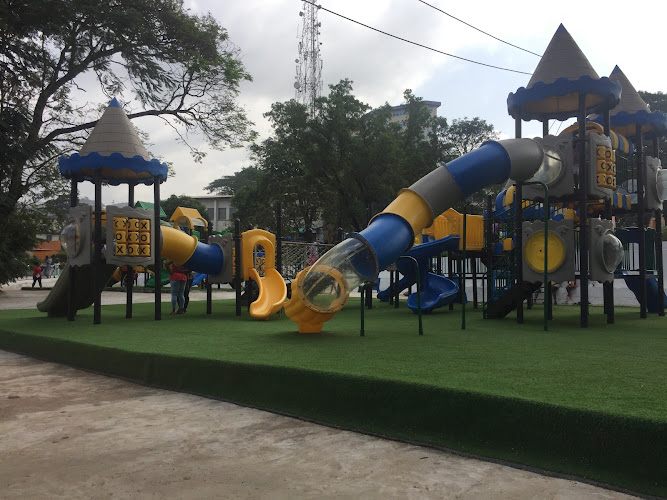
Victoria Park
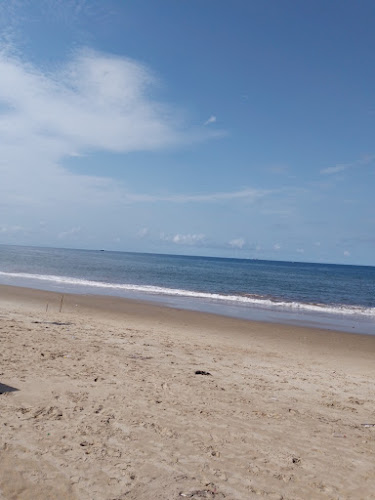
Aberdeen beach
Find Accommodations Nearby
Recommended Tours & Activities
Visitor Reviews
There are no reviews yet. Be the first one to write one.
Share Your Experience
Have you visited Jamiul Atique Fourah Bay Mosque? Help other travelers by leaving a review.