
James Monroe’s Highland
About James Monroe’s Highland
Key Features
More Details
Updated September 18, 2025
Highland, the Federal-style estate where James Monroe lived and entertained from 1799 to 1823, sits on 2,500 acres of rolling Virginia landscape and preserves his late-18th/early-19th-century domestic life. Visitors can tour the restored mansion with original and period-reproduction furnishings, see Monroe’s law office and plantation outbuildings, and walk gardens and trails that reveal the property’s agricultural and enslaved-labor history. Interpreters and exhibits contextualize Monroe’s roles as Revolutionary War officer, diplomat, commander-in-chief neighbor, and fifth U.S. president, while also addressing the lives of the enslaved people who worked the estate.
Table of Contents
Key Highlights
Guided estate tours that typically last 30–45 minutes and cover Monroe’s life, the farm’s operations, and the latest archaeology.
Archaeological site interpretation revealing the footprint of Monroe’s long-lost main house discovered in 2016.
Historic “guest house” furnished with period objects and Monroe-era artifacts.
Gardens and grounds with boxwood paths, seasonal flowers, and open lawns ideal for a relaxed wander.
Educational exhibits addressing enslavement at Highland and ongoing descendant engagement.
Occasional special events and living-history programs that bring early 1800s daily life into focus.
Family-friendly setting with room to roam and approachable, interactive stories for kids.
Proximity to Monticello, making it easy to plan a two-president day.
Onsite services including a visitor center, gift shop with Virginia-made items, and restrooms.
Wheelchair accessible entrance and parking; select outdoor areas are firm-surface paths.
Quiet picnic spots on the grounds; bring lunch and enjoy the views.
Knowledgeable staff and tour guides who happily field questions about the era and estate.
Location
Places to Stay Near James Monroe’s Highland
Find and Book a Tour
Explore More Travel Guides
No reviews found! Be the first to review!
Description
James Monroe’s Highland sits just a few minutes from Monticello, yet it has a personality all its own. Tucked among rolling pastureland and woodlands at 2050 James Monroe Pkwy in Charlottesville, this historical landmark was home to the fifth president from 1799 to 1823. It’s part heritage museum, part working landscape, and part ongoing archaeology site—so you don’t just learn about Monroe; you watch the story of his estate continue to unfold.
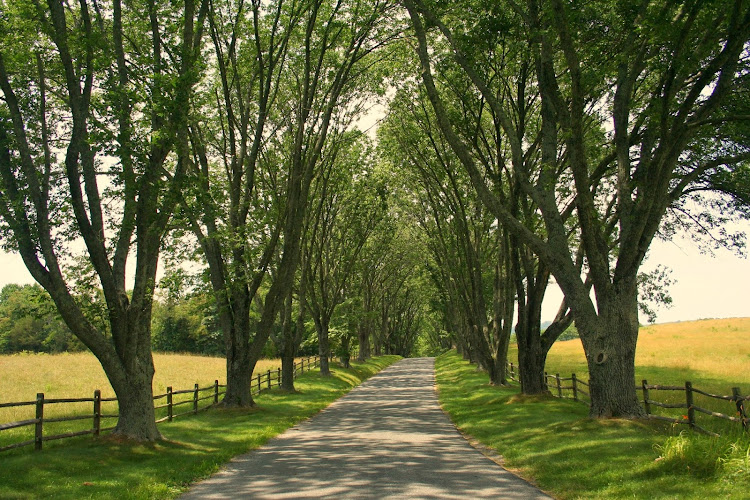
When I first walked up the drive, I expected a typical “big house” tour. Instead, Highland surprised me. The white frame dwelling you see—long called the “guest house”—is central to today’s visit, but the larger main house where Monroe lived burned in 1829. For decades, that fact was an aside on tours. Then, a 2016 archaeological investigation changed everything: researchers uncovered foundations and artifacts proving the footprint of Monroe’s main residence survives underfoot nearby. You now stand in a place where interpretation blends documents, descendant memories, and spade-in-the-dirt discoveries. It makes this site feel alive, not fossilized.
Inside, the guided tour moves through rooms furnished with period pieces and objects linked to the Monroes, weaving in the bigger arc of his career—diplomatic missions in Europe, the Louisiana Purchase era, the Monroe Doctrine—and what life was like at a Virginia farm and plantation at the turn of the 19th century. Staff are generous with questions, and I appreciated how plainly they spoke about the people enslaved at Highland and how their labor built the estate. Exhibits name individuals when possible and acknowledge the work with a descendant community to shape interpretation. That honesty gives Highland depth beyond presidential trivia.
Outside, gardens and shaded paths invite lingering. I followed the boxwood-lined walk, wandered past pollinator beds, and watched swallows skim over the fields. On my last visit the grounds crew were tending vegetable plots used for interpretive programs; a staff member pointed out where students help with archaeology in summer. You may spot peafowl strutting near the lawns (a beloved tradition on this property), and it’s easy to imagine Monroe’s guests arriving from neighboring Monticello for dinners and debate. Jefferson and Monroe were close friends and literal neighbors; the estates are only a short drive apart, making a satisfying two-site day if you’re into early American history.
Highland is a history museum that feels like a landscape you can inhabit for a couple of hours: stroll, sit under a tree, then step into rooms where policy and domestic life intertwined. As a bonus, it’s a calm counterpoint to busier attractions, with plenty of space for kids to explore and photo-friendly vistas of Albemarle County’s gentle hills.
Key Features
- Guided estate tours that typically last 30–45 minutes and cover Monroe’s life, the farm’s operations, and the latest archaeology.
- Archaeological site interpretation revealing the footprint of Monroe’s long-lost main house discovered in 2016.
- Historic “guest house” furnished with period objects and Monroe-era artifacts.
- Gardens and grounds with boxwood paths, seasonal flowers, and open lawns ideal for a relaxed wander.
- Educational exhibits addressing enslavement at Highland and ongoing descendant engagement.
- Occasional special events and living-history programs that bring early 1800s daily life into focus.
- Family-friendly setting with room to roam and approachable, interactive stories for kids.
- Proximity to Monticello, making it easy to plan a two-president day.
- Onsite services including a visitor center, gift shop with Virginia-made items, and restrooms.
- Wheelchair accessible entrance and parking; select outdoor areas are firm-surface paths.
- Quiet picnic spots on the grounds; bring lunch and enjoy the views.
- Knowledgeable staff and tour guides who happily field questions about the era and estate.
Best Time to Visit
I’ve been in several seasons and would vote for spring and fall if you can swing it. In spring (March–May), the gardens start to wake up, and the lawns are emerald without the heavy heat. You get long, gentle afternoons that pair nicely with a guided tour. Fall (late September–November) brings clear skies, cooler temperatures, and foliage colors that frame the house and farm buildings beautifully—photographers will have a field day.
Summer is absolutely doable, just plan around the midday sun. The estate grounds are open, and you’ll appreciate shade breaks under the big trees. A morning tour followed by a leisurely stroll works well, especially with kids. In winter the site is quieter, and the tour can feel extra personal; docents take their time, and you get a more contemplative experience of this history museum. That said, some outdoor interpretation is less comfortable if there’s wind or rain, so dress for conditions.
If you’re angling for fewer crowds, weekdays outside of holiday weeks are typically calm. Tours often run on a schedule; I like to arrive a little early, check in at the visitor center, and spend the extra minutes looking at the orientation exhibits so I have context before stepping into the historic rooms.
How to Get There
James Monroe’s Highland is on the southeastern side of Charlottesville, about a 15-minute drive from the Downtown Mall. From downtown, take Monticello Avenue toward VA-20 South, then follow signs for VA-53 (Thomas Jefferson Parkway). James Monroe Parkway will appear shortly, and the entrance is well-marked. The address—2050 James Monroe Pkwy, Charlottesville, VA 22902—plugs in cleanly to GPS.
Coming from Interstate 64, use Exit 121 for VA-20 South toward Scottsville, then connect to VA-53. It’s straightforward and well signed for both Highland and Monticello. From Richmond, the drive is roughly 1 to 1.5 hours west on I-64. From Washington, D.C., figure on about 2.5 hours depending on traffic; US-29 South to I-64 is the simplest route. If you’re already visiting Monticello, Highland is just a short hop—about three miles—so pairing them the same day makes sense if you pace yourself.
Parking is free and close to the visitor center. Rideshare services operate in Charlottesville and can reach the site reliably during the day. There’s no convenient public transit directly to Highland, so a car or rideshare is your best bet.
Tips for Visiting
– Give yourself 1.5 to 2 hours. That covers a guided tour, time in the gardens, and a moment to absorb the outdoor archaeology stories. If you’re an avid reader of exhibit panels (guilty), add a bit more.
– Start at the visitor center. The orientation exhibit sets up Monroe’s career and the estate’s timeline—including the 1829 fire and the 2016 archaeological discovery—so the guided tour clicks into place.
– Ask questions on the tour. Guides are excellent, and the Q&A often dives into lesser-known aspects, like Monroe’s European diplomacy and how Highland’s operations compared with neighboring farms.
– Plan for terrain. Paths are a mix of paved, firm, and gravel surfaces. The entrance and parking are wheelchair accessible, and I’ve seen visitors use mobility devices comfortably, but some areas have slight slopes or uneven surfaces typical of historic grounds.
– Bring water and sun protection in warm months. Shade exists, but you’ll likely spend time outdoors between buildings and at the main house site interpretation. Comfortable shoes make a difference on gravel.
– Families: let the kids lead the way outside. The wide lawns and garden paths are freedom with boundaries, and there are plenty of approachable stories about daily life, from cooking and farming to diplomacy explained in kid-friendly terms. I’ve seen staff offer simple activity sheets during busy seasons—worth asking.
– Photography is welcome on the grounds. Indoors, follow the guide’s instructions—flash is usually a no-go. Morning light is lovely along the boxwoods; late afternoon is best for warm, sideways light on the house.
– Consider pairing Highland with Monticello. Seeing both near-neighbor estates in one day gives you a richer view of early American politics and the plantation economy. If you do, reserve the longer Monticello experience in the morning, lunch, then finish with Highland’s more intimate tour.
– Check the day’s events when you arrive. Highland sometimes hosts seasonal programs, craft demonstrations, or talks that layer in new perspectives. These extras are often short and easy to fit around your tour.
– Respect the landscape. Some areas protect archaeological features close to the surface; stick to marked paths and keep an eye on kids near interpretive signage and flagged research zones.
– Bring a picnic. There are spots to sit, and it’s a pleasant way to slow down and really take in the scenery. If you prefer, Charlottesville has excellent food options; you can grab something in town and eat it here.
– Shop the gift store if you like meaningful souvenirs. I found books that go beyond the basics—great for anyone collecting presidential history—and Virginia-made goods that echo the region’s craft traditions.
– Be ready for weather changes. In spring and fall, temperatures can swing; layers help if you plan to spend time exploring the grounds after your tour.
Whether you’re a dedicated presidential history buff or simply curious about life in early 19th-century Virginia, James Monroe’s Highland rewards an unhurried visit. The combination of guided storytelling, archaeology you can see, and peaceful gardens makes it more than a quick stop on a checklist. It’s a place where the past still feels tangible—and where new discoveries keep reshaping the story you’ll take home.
Traveler Reviews for James Monroe’s Highland
There are no reviews yet. Be the first one to write one.
Have you visited James Monroe’s Highland? Help other travelers by sharing your review.
You Might Also Like
Albemarle Charlottesville Historical Society

Forest Hills Park

Darden Towe Park
Find Accommodations Nearby
Recommended Tours & Activities
Visitor Reviews
There are no reviews yet. Be the first one to write one.
Share Your Experience
Have you visited James Monroe’s Highland? Help other travelers by leaving a review.