About Jacmel Arts Center (Sant D’A Jakmel)

Description

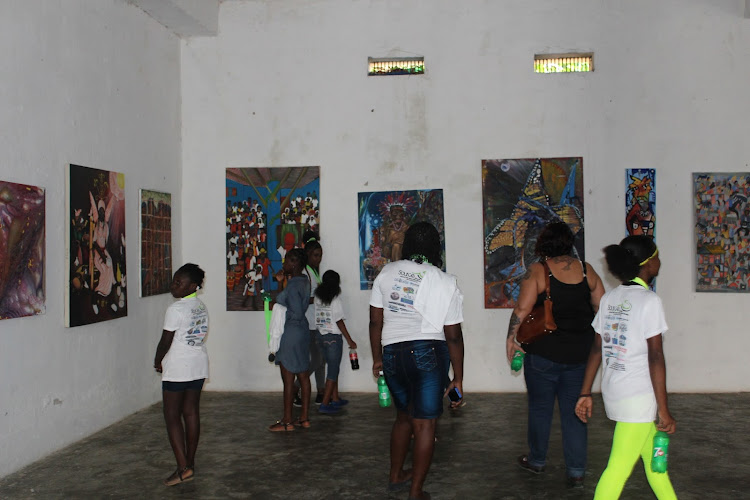
The Jacmel Arts Center, locally known as Sant D'A Jakmel, sits at the heart of Jacmel’s creative pulse, and it feels less like a polished museum and more like a living workshop. That’s part of its charm. Travelers who come expecting hushed galleries and white walls sometimes pause at the door, unsure. But give it a minute. The place opens up on you. You’ll hear voices, laughter, maybe a radio humming in the background. And suddenly you realize this isn’t art trapped behind glass; it’s art that breathes.

Sant D'A Jakmel plays a big role in preserving and pushing forward Jacmel’s long-standing artistic traditions, especially the papier-mâché work that made the town famous during Carnival. Walking through the center, you see masks that feel almost too expressive, sculptures that look mid-conversation, and paintings that don’t apologize for their emotions. Some pieces are refined, others raw. That mix is honest, and honestly, that’s what makes the visit stick with you.

It’s not perfect. And that’s okay. The building shows its age in places, and exhibitions change depending on funding, timing, or who’s working there that week. But those imperfections make the experience feel real, not staged for tourists. One afternoon, I wandered in thinking I’d stay 20 minutes and ended up chatting with an artist for nearly an hour about how hurricanes affect creative work. I left with paint on my shoe and zero regrets.

For travelers interested in Haitian culture beyond beaches and rum punch, this art center delivers context. It shows how history, politics, spirituality, and daily survival show up in art, sometimes subtly, sometimes like a punch to the chest. You don’t need to be an art expert. You just need curiosity and a little patience.

Key Features

  • Authentic Haitian artwork: Paintings, sculptures, mixed media, and iconic papier-mâché pieces created by local and regional artists.
  • Strong Carnival connection: Many works tie directly to Jacmel’s Carnival traditions, including masks and figures used in real parades.
  • Artist interaction: It’s common to meet artists working on-site, which turns a casual visit into a personal exchange.
  • Community-focused space: The center often doubles as a gathering place for workshops, talks, and informal events.
  • Ever-changing displays: Exhibits rotate frequently, so repeat visits rarely feel repetitive.
  • Accessible for travelers: You don’t need an appointment, deep art knowledge, or fancy clothes to walk in.

Best Time to Visit

The timing of your visit can shape the whole experience. Late morning to early afternoon is usually ideal, when artists are actively working and the space feels alive. If you’re in Jacmel during the weeks leading up to Carnival, that’s when Sant D'A Jakmel really hums. You’ll see half-finished masks leaning against walls, paint buckets everywhere, and a sense of creative urgency that’s kind of contagious.

But there’s a flip side. During peak Carnival season, it can feel crowded and chaotic. Some travelers love that energy. Others don’t. If you prefer a calmer visit, consider coming outside major festivals, maybe in late spring or early fall. The art is still there, the conversations slower, and you can take your time without feeling in the way.

Weather matters too. Jacmel is coastal, and heavy rains can affect opening hours or accessibility. Dry season months tend to be easier for getting around town and lingering without sweating through your shirt in five minutes. Trust me, I learned that the hard way.

How to Get There

Getting to Sant D'A Jakmel is part of the Jacmel experience. The town itself is walkable, and if you’re staying nearby, walking is often the best option. You’ll pass pastel houses, street vendors, and kids playing soccer in narrow lanes. And yes, sometimes a goat. That’s normal.

If you’re coming from Port-au-Prince, the journey takes a few hours by car, depending on traffic and road conditions. It’s not a smooth ride, but the coastal views near the end help make up for it. Once in Jacmel, local drivers and motorcycle taxis know the arts center well. You don’t need to pronounce it perfectly; a half-accurate Sant D'A Jakmel usually does the trick.

Public transport gets you close, but expect to walk the last stretch. Wear shoes you don’t mind getting dusty. Or muddy. Or both.

Tips for Visiting

First tip: slow down. This isn’t a place to rush through snapping photos for social media. Take time to look closely. Ask questions. Most artists are happy to talk about their work, and those conversations are often the highlight.

Bring small cash if you’re interested in purchasing art. Prices are generally fair, and buying directly supports the artists. Just don’t haggle aggressively. It’s not a flea market, and respect goes a long way.

Photography is usually allowed, but always ask before photographing people or works in progress. It’s basic courtesy, and you’ll get better photos anyway when people feel respected.

Keep expectations flexible. Some days the center feels buzzing; other days it’s quiet, almost sleepy. Both moods have their charm. And if something feels a bit disorganized, shrug it off. That’s part of traveling, especially in places where creativity survives despite limited resources.

And finally, let yourself feel something. Haitian art doesn’t tiptoe around heavy themes. You might leave inspired, unsettled, or thoughtful. All of those reactions are valid. When I left Sant D'A Jakmel the first time, I didn’t just remember the art. I remembered the people, the stories, and the sense that creativity here isn’t a luxury. It’s a necessity.

Key Features

  • Key Features
  • Best Time to Visit
  • How to Get There
  • Tips for Visiting

More Details

Updated December 30, 2025

Description

The Jacmel Arts Center, locally known as Sant D’A Jakmel, sits at the heart of Jacmel’s creative pulse, and it feels less like a polished museum and more like a living workshop. That’s part of its charm. Travelers who come expecting hushed galleries and white walls sometimes pause at the door, unsure. But give it a minute. The place opens up on you. You’ll hear voices, laughter, maybe a radio humming in the background. And suddenly you realize this isn’t art trapped behind glass; it’s art that breathes.

Sant D’A Jakmel plays a big role in preserving and pushing forward Jacmel’s long-standing artistic traditions, especially the papier-mâché work that made the town famous during Carnival. Walking through the center, you see masks that feel almost too expressive, sculptures that look mid-conversation, and paintings that don’t apologize for their emotions. Some pieces are refined, others raw. That mix is honest, and honestly, that’s what makes the visit stick with you.

It’s not perfect. And that’s okay. The building shows its age in places, and exhibitions change depending on funding, timing, or who’s working there that week. But those imperfections make the experience feel real, not staged for tourists. One afternoon, I wandered in thinking I’d stay 20 minutes and ended up chatting with an artist for nearly an hour about how hurricanes affect creative work. I left with paint on my shoe and zero regrets.

For travelers interested in Haitian culture beyond beaches and rum punch, this art center delivers context. It shows how history, politics, spirituality, and daily survival show up in art, sometimes subtly, sometimes like a punch to the chest. You don’t need to be an art expert. You just need curiosity and a little patience.

Key Features

  • Authentic Haitian artwork: Paintings, sculptures, mixed media, and iconic papier-mâché pieces created by local and regional artists.
  • Strong Carnival connection: Many works tie directly to Jacmel’s Carnival traditions, including masks and figures used in real parades.
  • Artist interaction: It’s common to meet artists working on-site, which turns a casual visit into a personal exchange.
  • Community-focused space: The center often doubles as a gathering place for workshops, talks, and informal events.
  • Ever-changing displays: Exhibits rotate frequently, so repeat visits rarely feel repetitive.
  • Accessible for travelers: You don’t need an appointment, deep art knowledge, or fancy clothes to walk in.

Best Time to Visit

The timing of your visit can shape the whole experience. Late morning to early afternoon is usually ideal, when artists are actively working and the space feels alive. If you’re in Jacmel during the weeks leading up to Carnival, that’s when Sant D’A Jakmel really hums. You’ll see half-finished masks leaning against walls, paint buckets everywhere, and a sense of creative urgency that’s kind of contagious.

But there’s a flip side. During peak Carnival season, it can feel crowded and chaotic. Some travelers love that energy. Others don’t. If you prefer a calmer visit, consider coming outside major festivals, maybe in late spring or early fall. The art is still there, the conversations slower, and you can take your time without feeling in the way.

Weather matters too. Jacmel is coastal, and heavy rains can affect opening hours or accessibility. Dry season months tend to be easier for getting around town and lingering without sweating through your shirt in five minutes. Trust me, I learned that the hard way.

How to Get There

Getting to Sant D’A Jakmel is part of the Jacmel experience. The town itself is walkable, and if you’re staying nearby, walking is often the best option. You’ll pass pastel houses, street vendors, and kids playing soccer in narrow lanes. And yes, sometimes a goat. That’s normal.

If you’re coming from Port-au-Prince, the journey takes a few hours by car, depending on traffic and road conditions. It’s not a smooth ride, but the coastal views near the end help make up for it. Once in Jacmel, local drivers and motorcycle taxis know the arts center well. You don’t need to pronounce it perfectly; a half-accurate Sant D’A Jakmel usually does the trick.

Public transport gets you close, but expect to walk the last stretch. Wear shoes you don’t mind getting dusty. Or muddy. Or both.

Tips for Visiting

First tip: slow down. This isn’t a place to rush through snapping photos for social media. Take time to look closely. Ask questions. Most artists are happy to talk about their work, and those conversations are often the highlight.

Bring small cash if you’re interested in purchasing art. Prices are generally fair, and buying directly supports the artists. Just don’t haggle aggressively. It’s not a flea market, and respect goes a long way.

Photography is usually allowed, but always ask before photographing people or works in progress. It’s basic courtesy, and you’ll get better photos anyway when people feel respected.

Keep expectations flexible. Some days the center feels buzzing; other days it’s quiet, almost sleepy. Both moods have their charm. And if something feels a bit disorganized, shrug it off. That’s part of traveling, especially in places where creativity survives despite limited resources.

And finally, let yourself feel something. Haitian art doesn’t tiptoe around heavy themes. You might leave inspired, unsettled, or thoughtful. All of those reactions are valid. When I left Sant D’A Jakmel the first time, I didn’t just remember the art. I remembered the people, the stories, and the sense that creativity here isn’t a luxury. It’s a necessity.

Key Highlights

  • Key Features
  • Best Time to Visit
  • How to Get There
  • Tips for Visiting

Location

Places to Stay Near Jacmel Arts Center (Sant D'A Jakmel)

Find and Book a Tour

Explore More Travel Guides

No reviews found! Be the first to review!

Traveler Reviews for Jacmel Arts Center (Sant D’A Jakmel)

There are no reviews yet. Be the first one to write one.

Share Your Experience

Have you visited Jacmel Arts Center (Sant D’A Jakmel)? Help other travelers by sharing your review.

Find Accommodations Nearby

Recommended Tours & Activities

Visitor Reviews

There are no reviews yet. Be the first one to write one.

Share Your Experience

Have you visited Jacmel Arts Center (Sant D’A Jakmel)? Help other travelers by leaving a review.