
Jack Nicklaus Museum
About Jack Nicklaus Museum
Description
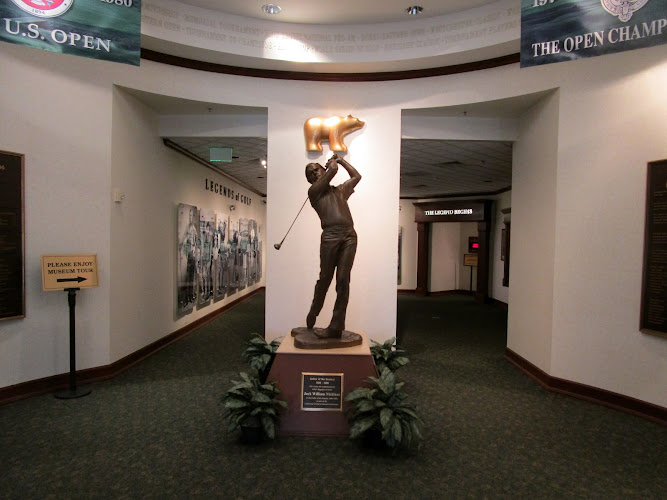
The Jack Nicklaus Museum in Columbus, Ohio stands as a focused, intimate tribute to one of golf's most storied careers. It presents the life, achievements, and influence of Jack Nicklaus — the Golden Bear — through a compact but carefully curated selection of exhibits, trophies, artifacts, and multimedia. The museum does not try to overwhelm. Instead, it invites visitors to walk a clear narrative: a young Ohio athlete grows into a global champion, then into a designer, ambassador and builder of the modern game. That narrative is useful for travelers who want a meaningful stop that connects local history, university-town culture, and the broader history of golf in the United States.
Clinically speaking, the collection emphasizes wins and milestones: major championships, professional victories, iconic moments (those putts and comebacks that get replayed in highlight reels), and the machines of the sport — clubs, shoes, and scorecards that feel oddly personal when displayed under museum lights. But the real draw is how the objects are arranged to tell a human story. The layout mixes glass cases with interactive theater segments, so a visitor moves from static displays to short films that give context — a good balance for people who like to read labels and for those who prefer to watch and listen. The museum includes a theater space that plays a concise biography and event highlights, which is a welcome pause for those who arrive having walked from nearby campus areas or from a long day of sightseeing in Columbus.
Accessibility is a practical strength. The facility provides a wheelchair-accessible entrance, parking, and restroom, which eases the visit for travelers with mobility concerns. There is on-site parking, rare for inner-city attractions, making this museum an easy drop-in for a couple of hours or as part of a half-day itinerary. Admission is fee-based, but the cost tends to be modest — a small price to pay for a concentrated look at the career of a golfer who, for many, helped define the modern era of the sport. The museum also offers guided tours at scheduled times, a feature that adds color and insider anecdotes that labels alone cannot deliver.
Visitors should expect a size that is respectful rather than grandiose. This is not a colossal national museum; it’s a place that fits into the local fabric of Columbus and gives proportional attention to Nicklaus’ Ohio roots, his time at Ohio State, and the relationship between hometown landscapes and a champion’s identity. The setting is pleasant; exhibits reference regional connections such as local courses and early formative years, which helps the museum feel grounded rather than purely celebratory or touristy. A traveler who loves golf will savor the trophies and memorabilia, yes, but also the smaller items — a practice ball with a story, a handwritten note, or an original scorecard — items that hint at the private routines behind public triumphs.
Educational value is another layer. The museum frames Nicklaus’ career within changes in the sport: equipment technology, tournament structures like the PGA and Masters, and the evolving role of course design. For students of the game — and curious laypeople — the displays show how one career intersects with larger trends in golf history. Exhibits often reference major championships and professional milestones, but they also touch on the design career that followed Nicklaus’ competitive years. Those interested in architecture and landscapes will find references to course design philosophy, and to how a champion’s approach to play can influence how a course is stitched together. It’s a subtle take, and it rewards visitors who pause to read beyond the big-name trophies.
One pleasantly surprising trait is the museum’s ability to be personal without being fawning. There is genuine admiration, yes, but the tone is measured. The storytelling includes setbacks and close calls alongside triumphs, which makes the narrative feel credible. The museum’s multimedia elements — short films in the theater, recorded interviews, and timeline displays — help frame these ups and downs in context. Visitors leave with a rounded picture: Nicklaus as athlete, family man, designer, and a figure in the history of American sport. It’s not a shrine in the worst sense; rather, it’s a reflective look that respects both the myth and the facts.
Practicalities matter for travelers. On-site restrooms are available, and while there is no full-service restaurant inside, the museum’s location places it within easy reach of dining options and the rhythms of the surrounding area. Tours are offered, and they are worth watching for the occasional behind-the-scenes anecdotes and historical details that don’t make it to the static panels. The museum’s staff typically know the material well and can point visitors to particular highlights — favorite exhibits, the most photogenic displays, or the best sequence to view items for a stronger narrative flow. These human touches — helpful staff, a clear theater presentation, and accessible design — make the museum feel like more than glass cases and plaques.
For the travel planner who thinks in timings: a typical visit runs between 45 minutes and 90 minutes. That makes it a perfect complement to a day spent visiting Ohio State-related sites, local parks along the Olentangy River, or other Columbus museums. The museum’s compact size can surprise people who expect a sprawling complex; it rewards slow looking rather than quick scanning. Travelers who linger will find Easter eggs — small artifacts that hint at lesser-known chapters of Nicklaus’ story, or displays that link his career to the broader narrative of American golf. Those little discoveries often become the memory that sticks — an anecdote shared over dinner later, or the photograph that sparks conversation.
There is also an element of local pride. The museum shows how a hometown hero’s arc can be celebrated in a community that values its sports history and its university culture. For visitors who appreciate regional stories, the museum acts as a neat microcosm: it is a place where local identity and international achievement meet. That said, the space isn’t just for die-hard fans. Casual visitors who come with curiosity — even without golf expertise — can follow the timeline, enjoy the multimedia, and leave with an appreciation for how individual dedication meets sport-wide change.
Realistically, expectations should be balanced. The museum receives mostly positive feedback for its collection and interpretation, though some visitors note it is smaller than anticipated. On balance, for travelers seeking an efficient, enjoyable museum experience with clear ties to Columbus and Ohio State history, this is an excellent stop. The theater program and guided tours add tangible value, and the accessibility features make it straightforward for a wide array of visitors. The lack of a restaurant inside means planning a meal elsewhere, but the walkable surroundings and on-site parking soften that inconvenience.
Finally, for those who love a good travel detail: the museum’s displays often include tactile and visual elements that appeal across generations. Families with children may find the narrative accessible because the story is chronological and the theater presentation breaks up the exhibit flow. Golf historians will appreciate the archival artifacts, while casual tourists will value the human stories and the clear ties to Ohio and the region. It’s a museum about a great career, but it’s also a museum about a life shaped by a place — and that connection is, frankly, what makes the visit feel worthwhile.
In short, the Jack Nicklaus Museum in Columbus serves travelers best when it’s approached with modest expectations and genuine curiosity. It is compact, thoughtful, and well-presented. Visitors who allow time for the films, ask questions during tours, and take the exhibits slowly will find a richer experience than those who rush. There’s history here, not only of a single champion, but of the game of golf as it evolved in America. And for a couple of hours, that combination of trophies, artifacts, and narrative will likely stick with a visitor long after they leave the gallery lights behind.
Key Features
More Details
Updated August 29, 2025
Table of Contents
Description
The Jack Nicklaus Museum in Columbus, Ohio stands as a focused, intimate tribute to one of golf’s most storied careers. It presents the life, achievements, and influence of Jack Nicklaus — the Golden Bear — through a compact but carefully curated selection of exhibits, trophies, artifacts, and multimedia. The museum does not try to overwhelm. Instead, it invites visitors to walk a clear narrative: a young Ohio athlete grows into a global champion, then into a designer, ambassador and builder of the modern game. That narrative is useful for travelers who want a meaningful stop that connects local history, university-town culture, and the broader history of golf in the United States.
Clinically speaking, the collection emphasizes wins and milestones: major championships, professional victories, iconic moments (those putts and comebacks that get replayed in highlight reels), and the machines of the sport — clubs, shoes, and scorecards that feel oddly personal when displayed under museum lights. But the real draw is how the objects are arranged to tell a human story. The layout mixes glass cases with interactive theater segments, so a visitor moves from static displays to short films that give context — a good balance for people who like to read labels and for those who prefer to watch and listen. The museum includes a theater space that plays a concise biography and event highlights, which is a welcome pause for those who arrive having walked from nearby campus areas or from a long day of sightseeing in Columbus.
Accessibility is a practical strength. The facility provides a wheelchair-accessible entrance, parking, and restroom, which eases the visit for travelers with mobility concerns. There is on-site parking, rare for inner-city attractions, making this museum an easy drop-in for a couple of hours or as part of a half-day itinerary. Admission is fee-based, but the cost tends to be modest — a small price to pay for a concentrated look at the career of a golfer who, for many, helped define the modern era of the sport. The museum also offers guided tours at scheduled times, a feature that adds color and insider anecdotes that labels alone cannot deliver.
Visitors should expect a size that is respectful rather than grandiose. This is not a colossal national museum; it’s a place that fits into the local fabric of Columbus and gives proportional attention to Nicklaus’ Ohio roots, his time at Ohio State, and the relationship between hometown landscapes and a champion’s identity. The setting is pleasant; exhibits reference regional connections such as local courses and early formative years, which helps the museum feel grounded rather than purely celebratory or touristy. A traveler who loves golf will savor the trophies and memorabilia, yes, but also the smaller items — a practice ball with a story, a handwritten note, or an original scorecard — items that hint at the private routines behind public triumphs.
Educational value is another layer. The museum frames Nicklaus’ career within changes in the sport: equipment technology, tournament structures like the PGA and Masters, and the evolving role of course design. For students of the game — and curious laypeople — the displays show how one career intersects with larger trends in golf history. Exhibits often reference major championships and professional milestones, but they also touch on the design career that followed Nicklaus’ competitive years. Those interested in architecture and landscapes will find references to course design philosophy, and to how a champion’s approach to play can influence how a course is stitched together. It’s a subtle take, and it rewards visitors who pause to read beyond the big-name trophies.
One pleasantly surprising trait is the museum’s ability to be personal without being fawning. There is genuine admiration, yes, but the tone is measured. The storytelling includes setbacks and close calls alongside triumphs, which makes the narrative feel credible. The museum’s multimedia elements — short films in the theater, recorded interviews, and timeline displays — help frame these ups and downs in context. Visitors leave with a rounded picture: Nicklaus as athlete, family man, designer, and a figure in the history of American sport. It’s not a shrine in the worst sense; rather, it’s a reflective look that respects both the myth and the facts.
Practicalities matter for travelers. On-site restrooms are available, and while there is no full-service restaurant inside, the museum’s location places it within easy reach of dining options and the rhythms of the surrounding area. Tours are offered, and they are worth watching for the occasional behind-the-scenes anecdotes and historical details that don’t make it to the static panels. The museum’s staff typically know the material well and can point visitors to particular highlights — favorite exhibits, the most photogenic displays, or the best sequence to view items for a stronger narrative flow. These human touches — helpful staff, a clear theater presentation, and accessible design — make the museum feel like more than glass cases and plaques.
For the travel planner who thinks in timings: a typical visit runs between 45 minutes and 90 minutes. That makes it a perfect complement to a day spent visiting Ohio State-related sites, local parks along the Olentangy River, or other Columbus museums. The museum’s compact size can surprise people who expect a sprawling complex; it rewards slow looking rather than quick scanning. Travelers who linger will find Easter eggs — small artifacts that hint at lesser-known chapters of Nicklaus’ story, or displays that link his career to the broader narrative of American golf. Those little discoveries often become the memory that sticks — an anecdote shared over dinner later, or the photograph that sparks conversation.
There is also an element of local pride. The museum shows how a hometown hero’s arc can be celebrated in a community that values its sports history and its university culture. For visitors who appreciate regional stories, the museum acts as a neat microcosm: it is a place where local identity and international achievement meet. That said, the space isn’t just for die-hard fans. Casual visitors who come with curiosity — even without golf expertise — can follow the timeline, enjoy the multimedia, and leave with an appreciation for how individual dedication meets sport-wide change.
Realistically, expectations should be balanced. The museum receives mostly positive feedback for its collection and interpretation, though some visitors note it is smaller than anticipated. On balance, for travelers seeking an efficient, enjoyable museum experience with clear ties to Columbus and Ohio State history, this is an excellent stop. The theater program and guided tours add tangible value, and the accessibility features make it straightforward for a wide array of visitors. The lack of a restaurant inside means planning a meal elsewhere, but the walkable surroundings and on-site parking soften that inconvenience.
Finally, for those who love a good travel detail: the museum’s displays often include tactile and visual elements that appeal across generations. Families with children may find the narrative accessible because the story is chronological and the theater presentation breaks up the exhibit flow. Golf historians will appreciate the archival artifacts, while casual tourists will value the human stories and the clear ties to Ohio and the region. It’s a museum about a great career, but it’s also a museum about a life shaped by a place — and that connection is, frankly, what makes the visit feel worthwhile.
In short, the Jack Nicklaus Museum in Columbus serves travelers best when it’s approached with modest expectations and genuine curiosity. It is compact, thoughtful, and well-presented. Visitors who allow time for the films, ask questions during tours, and take the exhibits slowly will find a richer experience than those who rush. There’s history here, not only of a single champion, but of the game of golf as it evolved in America. And for a couple of hours, that combination of trophies, artifacts, and narrative will likely stick with a visitor long after they leave the gallery lights behind.
Key Highlights
Jack Nicklaus Museum
Location
Places to Stay Near Jack Nicklaus Museum
Find and Book a Tour
Explore More Travel Guides
No reviews found! Be the first to review!
Traveler Reviews for Jack Nicklaus Museum
There are no reviews yet. Be the first one to write one.
Have you visited Jack Nicklaus Museum? Help other travelers by sharing your review.
You Might Also Like
Bravo! Italian Kitchen

Taco Bell
Frank Fetch Park
Find Accommodations Nearby
Recommended Tours & Activities
Visitor Reviews
There are no reviews yet. Be the first one to write one.
Share Your Experience
Have you visited Jack Nicklaus Museum? Help other travelers by leaving a review.