
Istoriya Yaroslavskogo Kraya
About Istoriya Yaroslavskogo Kraya
Description
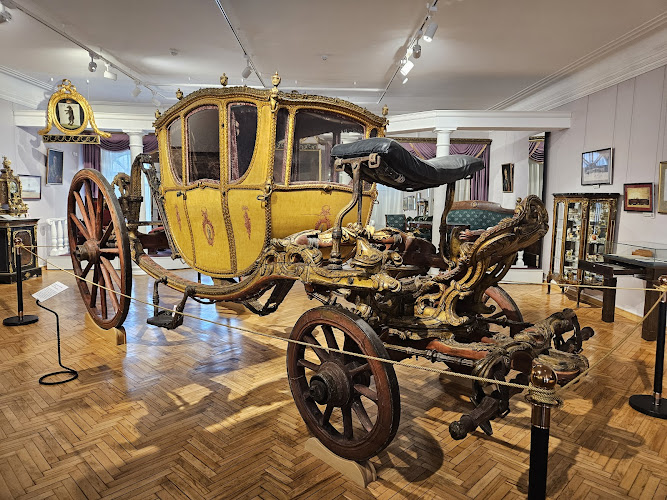
The Istoriya Yaroslavskogo Kraya represents one of those remarkable museum experiences that genuinely captures the soul of Russia's Golden Ring region. This museum dedicated to the history of the Yaroslavl region offers travelers an authentic window into centuries of Russian life, culture, and development that shaped this historically significant area along the Volga River. Walking through these exhibition halls feels like stepping through time itself. The museum houses an impressive collection that spans from ancient settlements through medieval glory days and right up to modern times. You'll find artifacts that tell stories of trade routes, religious devotion, industrial progress, and everyday life in ways that textbooks simply can't convey. And honestly, that's what makes this place special—it doesn't just show you objects behind glass but actually helps you understand the people who lived here centuries ago. The curators have done something really interesting here. Rather than overwhelming visitors with endless displays, they've created thoughtful exhibitions that focus on key periods and themes in Yaroslavl's development. You'll encounter traditional clothing worn by merchants and peasants, household items that reveal daily routines, religious icons that demonstrate the region's spiritual heritage, and documents that chronicle major historical events. Each piece connects to the larger narrative of how this region became such an important part of Russian identity. What strikes many visitors is how the museum makes local history feel relevant and engaging even for international travelers who might not know much about Yaroslavl before arriving. The displays provide context that helps you understand why this region mattered—and still matters—in Russia's story. You start seeing connections between what happened here and broader European history, which makes the experience surprisingly meaningful. The building itself carries historical significance, adding another layer to your visit. The architecture reflects the period when the museum was established, and walking these corridors gives you a sense of how Russians have thought about preserving and presenting their own history over the decades.Key Features
The museum offers several standout elements that make it worth including in any Yaroslavl itinerary: • Extensive collections covering prehistoric settlements through contemporary times, giving visitors a comprehensive overview of regional development across millennia • Detailed exhibitions focused on Yaroslavl's golden age during the 17th century when the city became Russia's second-largest urban center and a major trading hub • Traditional folk art and craft displays showcasing the distinctive artistic traditions that developed in various districts of the Yaroslavl region • Archaeological finds from excavations throughout the area, including items from ancient Finno-Ugric settlements that predated Slavic arrival • Photographic archives documenting life in Yaroslavl from the late 19th century onwards, providing fascinating glimpses of how the city transformed • Period room reconstructions that immerse you in the domestic environments of different social classes and historical periods • Educational programs and temporary exhibitions that rotate throughout the year, ensuring repeat visitors always find something new • Child-friendly displays and interactive elements designed specifically for younger visitors, making this genuinely suitable for families traveling with kids • Knowledgeable staff who can provide additional context and answer questions, though English availability may vary • Well-organized layout that allows you to follow chronological progression naturally without getting lost or confusedBest Time to Visit
Planning when to visit the Istoriya Yaroslavskogo Kraya requires thinking about both seasonal considerations and practical factors that affect your museum experience. The shoulder seasons of late spring (May) and early autumn (September) offer perhaps the most pleasant overall experience. During these months, Yaroslavl sees fewer crowds than the peak summer period, which means you'll likely have more space to view exhibitions without constantly navigating around tour groups. The weather remains comfortable for walking to and from the museum, and the city itself looks beautiful as trees either bloom or display autumn colors. Summer months from June through August bring the highest tourist numbers to Yaroslavl, being part of the famous Golden Ring route. While this means the museum can get busier, especially midday, it also means extended hours at many attractions and the liveliest atmosphere in the surrounding city. If you're visiting during summer, try arriving right when the museum opens or later in the afternoon to avoid peak crowding. Winter visits have their own appeal, honestly. From November through March, you'll experience the museum in a quieter, more contemplative atmosphere. There's something special about exploring Russian history while snow falls outside the windows. Just be prepared for the cold when traveling to and from your accommodation. The museum provides welcome warmth during winter months, and you'll often have exhibitions nearly to yourself. Weekdays typically offer a calmer experience than weekends when local families visit. Tuesday through Thursday tends to be quietest if you have flexibility in your schedule. But weekends also bring special energy, particularly when temporary exhibitions open or special programs run. Consider checking the museum's schedule for temporary exhibitions before booking your trip. These special displays often focus on specific themes or bring in items from other collections, potentially adding significant value to your visit depending on your interests.How to Get There
Reaching the Istoriya Yaroslavskogo Kraya proves straightforward once you've arrived in Yaroslavl itself, though getting to the city requires some planning depending on your starting point. Most international travelers begin their journey from Moscow, which lies approximately 250 kilometers southwest of Yaroslavl. The train represents the most popular and practical option for this route. Regular services depart from Moscow's Yaroslavsky Railway Station, with journey times ranging from around 3.5 to 4.5 hours depending on the specific train. The experience of traveling through Russian countryside by rail adds to your overall adventure, and trains offer comfort and reliability that make this the preferred choice for many visitors. Buses also connect Moscow to Yaroslavl, departing from several stations in the capital. These take roughly similar time as trains but generally cost less. However, comfort levels vary more significantly between different bus services, so research your specific operator if choosing this option. Some travelers opt to rent cars and drive from Moscow, which provides flexibility for stopping at other Golden Ring cities along the way. The M8 highway connects the cities directly. Just remember that Russian driving conditions and regulations may differ from what you're accustomed to, and winter driving requires particular caution. Once in Yaroslavl, getting to the museum depends on its specific location within the city. Most central hotels sit within walking distance, as Yaroslavl's historic center remains quite compact. Local buses and marshrutkas (fixed-route minibuses) provide inexpensive transportation if you're staying further out. Taxis and ride-sharing services operate throughout the city and offer convenience, particularly if you're managing luggage or traveling with children. The city's layout along the Volga River makes orientation relatively simple. Most tourists stay in or near the historic center, and the museum falls within the area where many key attractions cluster together. You'll likely visit several sites in a single day of walking.Tips for Visiting
Making the most of your time at the Istoriya Yaroslavskogo Kraya involves some practical preparation that enhances your overall experience significantly. Allow more time than you initially think you'll need. Museum fatigue is real, but this collection deserves at least two hours for even a moderately paced visit. If you're genuinely interested in regional history or want to read all the detailed information provided, plan for three hours or more. Rushing through defeats the purpose and you'll miss nuances that make the displays meaningful. Photography policies vary between different sections of the museum, so check signage as you move through exhibitions. Some areas permit photos while others don't, particularly where preservation of delicate artifacts requires limiting light exposure. When photos are allowed, remember to be respectful of other visitors and avoid using flash even if technically permitted. Language considerations matter here more than at some tourist attractions. While major exhibitions typically include some English translation, not every label or description will be fully translated. Consider downloading a translation app on your phone before visiting, or bring a Russian phrasebook. Alternatively, some visitors hire local guides who can provide English-language tours, adding considerable context and stories that static displays can't convey. The museum's family-friendly designation proves accurate, and bringing children can actually enhance the experience. Kids often notice details that adults overlook, and their questions prompt deeper thinking about what you're viewing. That said, prepare them beforehand that this is a place for observation rather than running around. Small snacks in your bag help maintain energy levels since the museum doesn't have a restaurant on site. Dress comfortably with walking in mind. You'll be on your feet for extended periods, so supportive footwear matters more than fashion. Temperature inside museums can vary between rooms, so layering clothing gives you flexibility. Visit the gift shop before leaving, not just for souvenirs but because it often stocks excellent books on local history that might not be readily available elsewhere. These make meaningful mementos and help you continue learning after returning home. Consider your visit to the Istoriya Yaroslavskogo Kraya as foundational to understanding everything else you'll see in Yaroslavl. The context you gain here helps you appreciate the architectural monuments, churches, and cultural sites throughout the city with greater depth. Many visitors wish they'd come to this museum first thing upon arriving rather than later in their trip. Budget for the entrance fee in cash, as card acceptance can be inconsistent at smaller museums in Russian cities. Fees typically remain quite reasonable compared to Western European museums, but having rubles on hand prevents any payment complications. Finally, remember that museums like this preserve more than just objects—they protect stories, identities, and connections between past and present. Approaching your visit with genuine curiosity rather than just ticking off a checklist transforms the experience from ordinary tourism into actual cultural exchange. The Yaroslavl region has shaped Russian history in profound ways, and this museum offers you direct access to understanding how and why.Key Features
- Comprehensive regional exhibits covering archaeology, folk life, economy and urban history
- Notable collection of Yaroslavl icon painting and religious artifacts
- Reconstructed historical interiors and domestic displays
- Multimedia and interpretive panels in multiple sections for context
- Central location near Yaroslavl’s historic center and riverfront
More Details
Updated March 30, 2026
Table of Contents
Description
The Istoriya Yaroslavskogo Kraya represents one of those remarkable museum experiences that genuinely captures the soul of Russia’s Golden Ring region. This museum dedicated to the history of the Yaroslavl region offers travelers an authentic window into centuries of Russian life, culture, and development that shaped this historically significant area along the Volga River.
Walking through these exhibition halls feels like stepping through time itself. The museum houses an impressive collection that spans from ancient settlements through medieval glory days and right up to modern times. You’ll find artifacts that tell stories of trade routes, religious devotion, industrial progress, and everyday life in ways that textbooks simply can’t convey. And honestly, that’s what makes this place special—it doesn’t just show you objects behind glass but actually helps you understand the people who lived here centuries ago.
The curators have done something really interesting here. Rather than overwhelming visitors with endless displays, they’ve created thoughtful exhibitions that focus on key periods and themes in Yaroslavl’s development. You’ll encounter traditional clothing worn by merchants and peasants, household items that reveal daily routines, religious icons that demonstrate the region’s spiritual heritage, and documents that chronicle major historical events. Each piece connects to the larger narrative of how this region became such an important part of Russian identity.
What strikes many visitors is how the museum makes local history feel relevant and engaging even for international travelers who might not know much about Yaroslavl before arriving. The displays provide context that helps you understand why this region mattered—and still matters—in Russia’s story. You start seeing connections between what happened here and broader European history, which makes the experience surprisingly meaningful.
The building itself carries historical significance, adding another layer to your visit. The architecture reflects the period when the museum was established, and walking these corridors gives you a sense of how Russians have thought about preserving and presenting their own history over the decades.
Key Features
The museum offers several standout elements that make it worth including in any Yaroslavl itinerary:
• Extensive collections covering prehistoric settlements through contemporary times, giving visitors a comprehensive overview of regional development across millennia
• Detailed exhibitions focused on Yaroslavl’s golden age during the 17th century when the city became Russia’s second-largest urban center and a major trading hub
• Traditional folk art and craft displays showcasing the distinctive artistic traditions that developed in various districts of the Yaroslavl region
• Archaeological finds from excavations throughout the area, including items from ancient Finno-Ugric settlements that predated Slavic arrival
• Photographic archives documenting life in Yaroslavl from the late 19th century onwards, providing fascinating glimpses of how the city transformed
• Period room reconstructions that immerse you in the domestic environments of different social classes and historical periods
• Educational programs and temporary exhibitions that rotate throughout the year, ensuring repeat visitors always find something new
• Child-friendly displays and interactive elements designed specifically for younger visitors, making this genuinely suitable for families traveling with kids
• Knowledgeable staff who can provide additional context and answer questions, though English availability may vary
• Well-organized layout that allows you to follow chronological progression naturally without getting lost or confused
Best Time to Visit
Planning when to visit the Istoriya Yaroslavskogo Kraya requires thinking about both seasonal considerations and practical factors that affect your museum experience.
The shoulder seasons of late spring (May) and early autumn (September) offer perhaps the most pleasant overall experience. During these months, Yaroslavl sees fewer crowds than the peak summer period, which means you’ll likely have more space to view exhibitions without constantly navigating around tour groups. The weather remains comfortable for walking to and from the museum, and the city itself looks beautiful as trees either bloom or display autumn colors.
Summer months from June through August bring the highest tourist numbers to Yaroslavl, being part of the famous Golden Ring route. While this means the museum can get busier, especially midday, it also means extended hours at many attractions and the liveliest atmosphere in the surrounding city. If you’re visiting during summer, try arriving right when the museum opens or later in the afternoon to avoid peak crowding.
Winter visits have their own appeal, honestly. From November through March, you’ll experience the museum in a quieter, more contemplative atmosphere. There’s something special about exploring Russian history while snow falls outside the windows. Just be prepared for the cold when traveling to and from your accommodation. The museum provides welcome warmth during winter months, and you’ll often have exhibitions nearly to yourself.
Weekdays typically offer a calmer experience than weekends when local families visit. Tuesday through Thursday tends to be quietest if you have flexibility in your schedule. But weekends also bring special energy, particularly when temporary exhibitions open or special programs run.
Consider checking the museum’s schedule for temporary exhibitions before booking your trip. These special displays often focus on specific themes or bring in items from other collections, potentially adding significant value to your visit depending on your interests.
How to Get There
Reaching the Istoriya Yaroslavskogo Kraya proves straightforward once you’ve arrived in Yaroslavl itself, though getting to the city requires some planning depending on your starting point.
Most international travelers begin their journey from Moscow, which lies approximately 250 kilometers southwest of Yaroslavl. The train represents the most popular and practical option for this route. Regular services depart from Moscow’s Yaroslavsky Railway Station, with journey times ranging from around 3.5 to 4.5 hours depending on the specific train. The experience of traveling through Russian countryside by rail adds to your overall adventure, and trains offer comfort and reliability that make this the preferred choice for many visitors.
Buses also connect Moscow to Yaroslavl, departing from several stations in the capital. These take roughly similar time as trains but generally cost less. However, comfort levels vary more significantly between different bus services, so research your specific operator if choosing this option.
Some travelers opt to rent cars and drive from Moscow, which provides flexibility for stopping at other Golden Ring cities along the way. The M8 highway connects the cities directly. Just remember that Russian driving conditions and regulations may differ from what you’re accustomed to, and winter driving requires particular caution.
Once in Yaroslavl, getting to the museum depends on its specific location within the city. Most central hotels sit within walking distance, as Yaroslavl’s historic center remains quite compact. Local buses and marshrutkas (fixed-route minibuses) provide inexpensive transportation if you’re staying further out. Taxis and ride-sharing services operate throughout the city and offer convenience, particularly if you’re managing luggage or traveling with children.
The city’s layout along the Volga River makes orientation relatively simple. Most tourists stay in or near the historic center, and the museum falls within the area where many key attractions cluster together. You’ll likely visit several sites in a single day of walking.
Tips for Visiting
Making the most of your time at the Istoriya Yaroslavskogo Kraya involves some practical preparation that enhances your overall experience significantly.
Allow more time than you initially think you’ll need. Museum fatigue is real, but this collection deserves at least two hours for even a moderately paced visit. If you’re genuinely interested in regional history or want to read all the detailed information provided, plan for three hours or more. Rushing through defeats the purpose and you’ll miss nuances that make the displays meaningful.
Photography policies vary between different sections of the museum, so check signage as you move through exhibitions. Some areas permit photos while others don’t, particularly where preservation of delicate artifacts requires limiting light exposure. When photos are allowed, remember to be respectful of other visitors and avoid using flash even if technically permitted.
Language considerations matter here more than at some tourist attractions. While major exhibitions typically include some English translation, not every label or description will be fully translated. Consider downloading a translation app on your phone before visiting, or bring a Russian phrasebook. Alternatively, some visitors hire local guides who can provide English-language tours, adding considerable context and stories that static displays can’t convey.
The museum’s family-friendly designation proves accurate, and bringing children can actually enhance the experience. Kids often notice details that adults overlook, and their questions prompt deeper thinking about what you’re viewing. That said, prepare them beforehand that this is a place for observation rather than running around. Small snacks in your bag help maintain energy levels since the museum doesn’t have a restaurant on site.
Dress comfortably with walking in mind. You’ll be on your feet for extended periods, so supportive footwear matters more than fashion. Temperature inside museums can vary between rooms, so layering clothing gives you flexibility.
Visit the gift shop before leaving, not just for souvenirs but because it often stocks excellent books on local history that might not be readily available elsewhere. These make meaningful mementos and help you continue learning after returning home.
Consider your visit to the Istoriya Yaroslavskogo Kraya as foundational to understanding everything else you’ll see in Yaroslavl. The context you gain here helps you appreciate the architectural monuments, churches, and cultural sites throughout the city with greater depth. Many visitors wish they’d come to this museum first thing upon arriving rather than later in their trip.
Budget for the entrance fee in cash, as card acceptance can be inconsistent at smaller museums in Russian cities. Fees typically remain quite reasonable compared to Western European museums, but having rubles on hand prevents any payment complications.
Finally, remember that museums like this preserve more than just objects—they protect stories, identities, and connections between past and present. Approaching your visit with genuine curiosity rather than just ticking off a checklist transforms the experience from ordinary tourism into actual cultural exchange. The Yaroslavl region has shaped Russian history in profound ways, and this museum offers you direct access to understanding how and why.
Key Highlights
- Comprehensive regional exhibits covering archaeology, folk life, economy and urban history
- Notable collection of Yaroslavl icon painting and religious artifacts
- Reconstructed historical interiors and domestic displays
- Multimedia and interpretive panels in multiple sections for context
- Central location near Yaroslavl’s historic center and riverfront
Location
Places to Stay Near Istoriya Yaroslavskogo Kraya
Find and Book a Tour
Explore More Travel Guides
No reviews found! Be the first to review!
Istoriya Yaroslavskogo Kraya is a prominent museums located in Yaroslavl.
Visit us at: Kotorosl’naya Naberezhnaya, Yaroslavl, Yaroslavl Oblast, Russia, 150000.
Traveler Reviews for Istoriya Yaroslavskogo Kraya
There are no reviews yet. Be the first one to write one.
Have you visited Istoriya Yaroslavskogo Kraya? Help other travelers by sharing your review.
Nearby Attractions
You Might Also Like

Parki Kul'tury I Otdykha

Yaroslavskiy Khudozhestvennyy Muzey

Strelka
Find Accommodations Nearby
Recommended Tours & Activities
Visitor Reviews
There are no reviews yet. Be the first one to write one.
Share Your Experience
Have you visited Istoriya Yaroslavskogo Kraya? Help other travelers by leaving a review.