

iON Digital Zone – Madhopara Purnia
About iON Digital Zone – Madhopara Purnia
Description
The iON Digital Zone in Madhopara, Purnia, is one of those places that most travelers wouldn’t think to visit—until they realize how much it reveals about the rhythm of modern life in small-town India. It’s primarily an educational testing center, yes, but it’s also a window into the country’s growing digital education movement. The facility hums quietly with the energy of students, job seekers, and professionals arriving from all corners of Bihar and nearby states to take their exams. There’s a certain seriousness in the air, mixed with that faint nervous excitement that comes before any big test. And honestly, if you’ve ever been a student yourself, you’ll recognize that feeling right away.
What struck me most about the place is how organized it feels despite the constant flow of people. The staff are used to handling large crowds—sometimes hundreds of candidates a day—and they do it with surprising calm. The building itself is modern, with wide entrances and accessible pathways, which makes it easier for everyone, including those with mobility challenges, to move around comfortably. It’s not fancy, but it’s functional, clean, and well-maintained. There’s even a sense of quiet discipline that seems to hang in the air, the kind that makes you lower your voice without realizing it.
Outside, the streets of Madhopara are lively, dotted with tea stalls and small eateries that cater to the steady stream of visitors. You’ll see groups of students revising notes under the shade of trees, or parents waiting patiently with lunch boxes, chatting about travel routes and exam results. It’s a slice of everyday life that feels both ordinary and deeply meaningful. And if you’re the kind of traveler who enjoys observing local culture in its raw, unfiltered form, this place offers plenty to take in.
While the iON Digital Zone is not a tourist attraction in the traditional sense, it represents the aspirations of thousands of young people who come here chasing dreams of better opportunities. It’s a symbol of how education and technology are reshaping even the smaller towns of India. Sure, the experience isn’t perfect—occasional delays, technical hiccups, and the stress of exam day can test anyone’s patience—but for the most part, it works smoothly. There’s a quiet pride among locals who see it as a mark of progress for their community.
Key Features
- Modern Testing Infrastructure: Equipped with up-to-date computers, secure systems, and comfortable seating arrangements designed for large-scale digital exams.
- Accessibility: The center includes wheelchair-accessible entrances and parking areas, ensuring inclusivity for all candidates.
- Efficient Staff: The on-site team is known for their professionalism and ability to manage large crowds effectively, even during peak exam seasons.
- Peaceful Environment: The testing area maintains a quiet, focused atmosphere ideal for concentration and minimal distractions.
- Convenient Location: Situated near local eateries and transport options, making it easy for visitors and candidates to find refreshments or travel assistance.
- Security and Monitoring: Advanced surveillance and digital verification systems ensure exam integrity and candidate safety.
In short, it’s a place built for purpose, not show. But that’s exactly what makes it interesting—it’s a reflection of how infrastructure can quietly support the ambitions of an entire generation.
Best Time to Visit
Now, this might sound funny, but there really is a “best time” to visit a testing center if you’re not there for an exam. Early mornings, especially on weekdays, are ideal if you want to get a sense of the place without the heavy rush. The area tends to get busier around major exam seasons—usually between March and August—when candidates from across Bihar and neighboring states pour in. If you’re a traveler just exploring the local scene, visiting during off-peak months like November or December can be quite pleasant. The weather in Purnia is cooler then, and you can stroll around without breaking a sweat.
For those coming to take an exam, it’s wise to arrive at least an hour before your scheduled time. The traffic in and around Madhopara can be unpredictable, especially near the main road intersections. And if you’re traveling from outside the city, plan your trip a day in advance. Trust me, nothing kills exam-day nerves like a last-minute rush.
How to Get There
Reaching the iON Digital Zone in Madhopara is fairly straightforward once you’re in Purnia. The city is well-connected by both road and rail. The nearest major railway station is Purnea Junction, which sits about a couple of kilometers away. From there, you can hop on a local auto-rickshaw or hire a cab. The ride doesn’t take more than ten minutes, depending on traffic. If you’re coming from further away—say, from Patna or Siliguri—there are regular trains and buses that make the journey quite manageable.
For those who like to travel with a bit more comfort, private taxis are available, and the roads leading to Madhopara are generally in decent condition. I once took a shared auto from the station, and while it was a bit cramped, it turned into a fun experience—I ended up chatting with a group of students who were just as nervous as they were hopeful. That’s the kind of local connection you can’t get from a guidebook.
If you’re driving yourself, parking is available near the center, though it can fill up quickly during big exam days. There’s also a small tea stall nearby that seems to be a favorite waiting spot for parents and friends—worth a stop if you want to soak in the local vibe.
Tips for Visiting
Visiting the iON Digital Zone, whether for an exam or just curiosity, can be smoother if you keep a few simple tips in mind. First, always double-check your exam details or entry requirements before arriving. The center is strict about identification and timing, and missing even a small detail can mean trouble. If you’re just exploring, be respectful of the fact that it’s a working facility—keep noise to a minimum and avoid disrupting candidates.
Carry a bottle of water and some light snacks; while there are shops nearby, queues can get long, especially during exam days. And if you’re traveling during summer, prepare for the heat—Bihar’s sun doesn’t mess around. Comfortable clothing and a hat go a long way.
For travelers interested in photography or local culture, spend some time walking around the nearby streets after your visit. You’ll find a mix of small shops, street vendors, and local eateries serving everything from spicy samosas to sweet jalebis. It’s a great way to experience the everyday life of Purnia beyond the testing center walls. Just keep your camera respectful—many people prefer not to be photographed without permission.
And here’s a small personal note: I once spent an afternoon sitting outside the center, sipping chai and chatting with a father whose daughter had just taken her first government exam. His quiet pride and nervous excitement reminded me that places like this aren’t just about computers and tests—they’re about dreams, families, and the hope of a better future. That’s what makes the iON Digital Zone in Madhopara more than just a building. It’s a milestone in countless personal journeys.
So whether you’re a traveler curious about modern India’s educational pulse or a candidate gearing up for your big day, this place has a story to tell. It’s not glamorous, but it’s real—and sometimes, that’s exactly what makes a place worth remembering.
Key Features
- Key Features
- Best Time to Visit
- How to Get There
- Tips for Visiting
More Details
Updated November 30, 2025
Table of Contents
- Description
- Key Features
- Best Time to Visit
- How to Get There
- Tips for Visiting
- Key Highlights
- Location
- Places to Stay Near iON Digital Zone - Madhopara Purnia
- Find and Book a Tour
- Explore More Travel Guides
- Nearby Places You Might Like
- Traveler Reviews for iON Digital Zone – Madhopara Purnia
- Share Your Experience
Description
The iON Digital Zone in Madhopara, Purnia, is one of those places that most travelers wouldn’t think to visit—until they realize how much it reveals about the rhythm of modern life in small-town India. It’s primarily an educational testing center, yes, but it’s also a window into the country’s growing digital education movement. The facility hums quietly with the energy of students, job seekers, and professionals arriving from all corners of Bihar and nearby states to take their exams. There’s a certain seriousness in the air, mixed with that faint nervous excitement that comes before any big test. And honestly, if you’ve ever been a student yourself, you’ll recognize that feeling right away.
What struck me most about the place is how organized it feels despite the constant flow of people. The staff are used to handling large crowds—sometimes hundreds of candidates a day—and they do it with surprising calm. The building itself is modern, with wide entrances and accessible pathways, which makes it easier for everyone, including those with mobility challenges, to move around comfortably. It’s not fancy, but it’s functional, clean, and well-maintained. There’s even a sense of quiet discipline that seems to hang in the air, the kind that makes you lower your voice without realizing it.
Outside, the streets of Madhopara are lively, dotted with tea stalls and small eateries that cater to the steady stream of visitors. You’ll see groups of students revising notes under the shade of trees, or parents waiting patiently with lunch boxes, chatting about travel routes and exam results. It’s a slice of everyday life that feels both ordinary and deeply meaningful. And if you’re the kind of traveler who enjoys observing local culture in its raw, unfiltered form, this place offers plenty to take in.
While the iON Digital Zone is not a tourist attraction in the traditional sense, it represents the aspirations of thousands of young people who come here chasing dreams of better opportunities. It’s a symbol of how education and technology are reshaping even the smaller towns of India. Sure, the experience isn’t perfect—occasional delays, technical hiccups, and the stress of exam day can test anyone’s patience—but for the most part, it works smoothly. There’s a quiet pride among locals who see it as a mark of progress for their community.
Key Features
- Modern Testing Infrastructure: Equipped with up-to-date computers, secure systems, and comfortable seating arrangements designed for large-scale digital exams.
- Accessibility: The center includes wheelchair-accessible entrances and parking areas, ensuring inclusivity for all candidates.
- Efficient Staff: The on-site team is known for their professionalism and ability to manage large crowds effectively, even during peak exam seasons.
- Peaceful Environment: The testing area maintains a quiet, focused atmosphere ideal for concentration and minimal distractions.
- Convenient Location: Situated near local eateries and transport options, making it easy for visitors and candidates to find refreshments or travel assistance.
- Security and Monitoring: Advanced surveillance and digital verification systems ensure exam integrity and candidate safety.
In short, it’s a place built for purpose, not show. But that’s exactly what makes it interesting—it’s a reflection of how infrastructure can quietly support the ambitions of an entire generation.
Best Time to Visit
Now, this might sound funny, but there really is a “best time” to visit a testing center if you’re not there for an exam. Early mornings, especially on weekdays, are ideal if you want to get a sense of the place without the heavy rush. The area tends to get busier around major exam seasons—usually between March and August—when candidates from across Bihar and neighboring states pour in. If you’re a traveler just exploring the local scene, visiting during off-peak months like November or December can be quite pleasant. The weather in Purnia is cooler then, and you can stroll around without breaking a sweat.
For those coming to take an exam, it’s wise to arrive at least an hour before your scheduled time. The traffic in and around Madhopara can be unpredictable, especially near the main road intersections. And if you’re traveling from outside the city, plan your trip a day in advance. Trust me, nothing kills exam-day nerves like a last-minute rush.
How to Get There
Reaching the iON Digital Zone in Madhopara is fairly straightforward once you’re in Purnia. The city is well-connected by both road and rail. The nearest major railway station is Purnea Junction, which sits about a couple of kilometers away. From there, you can hop on a local auto-rickshaw or hire a cab. The ride doesn’t take more than ten minutes, depending on traffic. If you’re coming from further away—say, from Patna or Siliguri—there are regular trains and buses that make the journey quite manageable.
For those who like to travel with a bit more comfort, private taxis are available, and the roads leading to Madhopara are generally in decent condition. I once took a shared auto from the station, and while it was a bit cramped, it turned into a fun experience—I ended up chatting with a group of students who were just as nervous as they were hopeful. That’s the kind of local connection you can’t get from a guidebook.
If you’re driving yourself, parking is available near the center, though it can fill up quickly during big exam days. There’s also a small tea stall nearby that seems to be a favorite waiting spot for parents and friends—worth a stop if you want to soak in the local vibe.
Tips for Visiting
Visiting the iON Digital Zone, whether for an exam or just curiosity, can be smoother if you keep a few simple tips in mind. First, always double-check your exam details or entry requirements before arriving. The center is strict about identification and timing, and missing even a small detail can mean trouble. If you’re just exploring, be respectful of the fact that it’s a working facility—keep noise to a minimum and avoid disrupting candidates.
Carry a bottle of water and some light snacks; while there are shops nearby, queues can get long, especially during exam days. And if you’re traveling during summer, prepare for the heat—Bihar’s sun doesn’t mess around. Comfortable clothing and a hat go a long way.
For travelers interested in photography or local culture, spend some time walking around the nearby streets after your visit. You’ll find a mix of small shops, street vendors, and local eateries serving everything from spicy samosas to sweet jalebis. It’s a great way to experience the everyday life of Purnia beyond the testing center walls. Just keep your camera respectful—many people prefer not to be photographed without permission.
And here’s a small personal note: I once spent an afternoon sitting outside the center, sipping chai and chatting with a father whose daughter had just taken her first government exam. His quiet pride and nervous excitement reminded me that places like this aren’t just about computers and tests—they’re about dreams, families, and the hope of a better future. That’s what makes the iON Digital Zone in Madhopara more than just a building. It’s a milestone in countless personal journeys.
So whether you’re a traveler curious about modern India’s educational pulse or a candidate gearing up for your big day, this place has a story to tell. It’s not glamorous, but it’s real—and sometimes, that’s exactly what makes a place worth remembering.
Key Highlights
- Key Features
- Best Time to Visit
- How to Get There
- Tips for Visiting
Location
Places to Stay Near iON Digital Zone - Madhopara Purnia
Find and Book a Tour
Explore More Travel Guides
No reviews found! Be the first to review!
Traveler Reviews for iON Digital Zone – Madhopara Purnia
There are no reviews yet. Be the first one to write one.
Have you visited iON Digital Zone – Madhopara Purnia? Help other travelers by sharing your review.
You Might Also Like

Renu Park
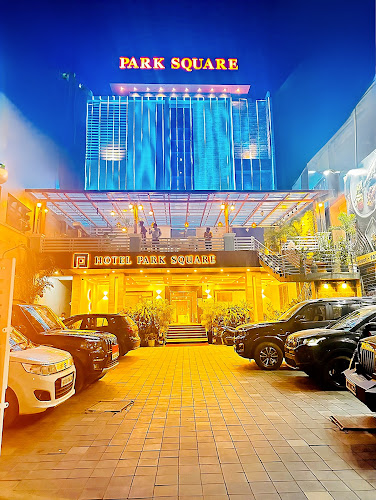
Hotel Park Square

Lassi Ghar Purnea
Find Accommodations Nearby
Recommended Tours & Activities
Visitor Reviews
There are no reviews yet. Be the first one to write one.
Share Your Experience
Have you visited iON Digital Zone – Madhopara Purnia? Help other travelers by leaving a review.