
Iglesia de San Servacio
About Iglesia de San Servacio
Description
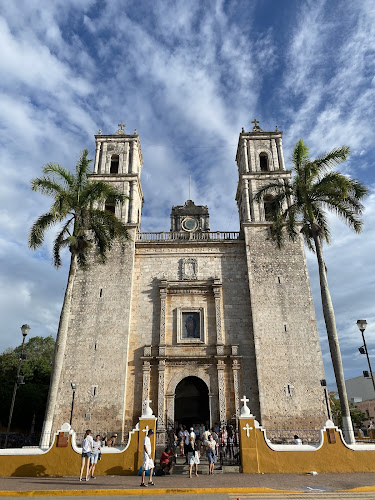
Standing proudly in the heart of Valladolid, the Iglesia de San Servacio (also known as the Church of San Servatius) is one of those places that quietly steals your attention before you even realize it. Its twin bell towers rise above the main square, framed by palm trees and the hum of daily life. The church was originally built in 1545, making it one of the oldest colonial structures in the region, though what you see today is mostly from a reconstruction in 1706 after a rather dark chapter in the town’s history. That mix of beauty and tragedy gives it a weight that you can almost feel when you step inside.
The façade is made of pale limestone that glows golden in the late afternoon sun, and the symmetry of its towers gives it a quiet strength. I remember standing there one evening, the bells ringing out across the plaza, and thinking how this place has seen centuries of change—wars, revolutions, celebrations, and everything in between. It’s not just a church; it’s a silent witness to Valladolid’s story.
Inside, the atmosphere shifts instantly. The thick stone walls mute the sounds from outside, leaving only the faint echo of footsteps and the occasional rustle of prayer candles. The interior is simple but dignified—whitewashed walls, arched ceilings, and a few ornate altars that glint in the dim light. It’s not overwhelming like some grand cathedrals; instead, it feels personal, like a place meant for reflection. And maybe that’s what makes it so special—it’s both a landmark and a sanctuary.
What makes the Iglesia de San Servacio particularly fascinating is its unique orientation. Unlike most churches in Yucatán, which face east, this one faces north. Locals say it was intentionally built that way as a symbolic punishment after a violent event in the early 1700s—a reminder of humility and renewal. Whether that’s true or not, it adds a layer of mystery that gives the site even more character.
Of course, not everyone walks away awestruck. Some visitors find it a bit too plain compared to other colonial churches in Mexico. But for those who take the time to really look—to notice the details, the small carvings, the weathered stones—it reveals its beauty slowly. It’s a place that rewards curiosity rather than spectacle.
Key Features
- Historical significance: Originally built in 1545 and rebuilt in 1706, the church reflects Valladolid’s layered colonial history.
- Distinctive orientation: The only major church in Yucatán that faces north instead of east, tied to a local historical legend.
- Architectural design: Twin bell towers, a limestone façade, and a modest Baroque interior with traditional altars.
- Cultural importance: A focal point for local festivals, religious ceremonies, and community gatherings in the main square.
- Accessibility: The church offers a wheelchair-accessible entrance and parking area, making it inclusive for all visitors.
- Photographic charm: The church looks stunning at sunset when the stone façade catches the warm light, perfect for photography lovers.
And if you’re a history buff, you’ll love learning about the cannons once mounted on the towers during the Caste War in the 1800s. Locals still talk about it with a mix of pride and reverence—it’s a story of resilience and survival that’s woven into the church’s identity.
Best Time to Visit
If you ask me, the best time to visit the Iglesia de San Servacio is late afternoon, around golden hour. The light hits the limestone just right, turning it into this soft honey color that makes the whole plaza look cinematic. Plus, that’s when the square starts to come alive—families strolling, kids chasing pigeons, and street vendors setting up for the evening. It’s the perfect moment to soak in the atmosphere without the midday heat.
Morning visits are lovely too, especially if you prefer quiet. The church opens early, and the air feels cooler and calmer. You might even catch a local mass if you’re lucky, which adds an authentic touch to the experience. Avoid visiting during midday if you can—the sun in Yucatán can be relentless, and the plaza offers little shade.
For those planning around events, the church is particularly lively during Holy Week and local festivals like the Feast of San Servacio in October. The square fills with decorations, music, and food stalls—it’s a wonderful way to experience local culture up close.
How to Get There
Valladolid is one of those towns that’s easy to navigate once you’re there. The Iglesia de San Servacio sits right in the main square, so you really can’t miss it. If you’re coming from Mérida or Cancún, you can take a bus or drive—both routes are straightforward and take about two hours. The drive itself is scenic, passing through small Yucatecan towns and stretches of jungle that make you feel like you’re stepping back in time.
If you’re already in Valladolid, the church is within walking distance from most hotels and restaurants in the city center. The square is pedestrian-friendly, and the area around the church is well-lit and safe, even in the evenings. Taxis and mototaxis are also easy to find if you need a quick ride.
For those driving, there’s parking nearby, including accessible options. Just be mindful that during festivals or weekends, the plaza can get crowded, so arriving early is a smart move.
Tips for Visiting
Here’s the thing about visiting the Iglesia de San Servacio—it’s not just about snapping a few photos and moving on. Take your time. Sit on one of the benches in the square, grab a cold drink from a nearby vendor, and just watch life unfold around you. That’s when you really feel the soul of the place.
- Dress respectfully: It’s an active church, so modest clothing is appreciated—especially if you plan to step inside during a service.
- Bring water: The Yucatán heat can be intense, even in the shade. A bottle of water goes a long way.
- Visit at sunset: The lighting is magical, and you’ll get some of the best photos of your trip.
- Explore the plaza: After visiting, wander around the square. There are great cafés, artisan shops, and even a few street performers in the evenings.
- Respect the locals: Many residents come here to pray or attend mass, so keeping noise down inside the church is appreciated.
One thing I’ve learned from traveling through Mexico is that small details make the biggest difference. The Iglesia de San Servacio might not have the grandeur of a cathedral in Mexico City, but it has heart. You can feel it in the worn steps leading to the entrance, in the flicker of candles, and in the quiet pride of the people who care for it.
If you’re exploring Valladolid, don’t rush this stop. Let it linger. The church stands as both a symbol of endurance and a gentle reminder of the past—a place where history, faith, and community still meet every single day. And honestly, that’s the kind of travel experience that stays with you long after you’ve left.
Key Features
- Key Features
- Best Time to Visit
- How to Get There
- Tips for Visiting
More Details
Updated November 9, 2025
Table of Contents
Description
Standing proudly in the heart of Valladolid, the Iglesia de San Servacio (also known as the Church of San Servatius) is one of those places that quietly steals your attention before you even realize it. Its twin bell towers rise above the main square, framed by palm trees and the hum of daily life. The church was originally built in 1545, making it one of the oldest colonial structures in the region, though what you see today is mostly from a reconstruction in 1706 after a rather dark chapter in the town’s history. That mix of beauty and tragedy gives it a weight that you can almost feel when you step inside.
The façade is made of pale limestone that glows golden in the late afternoon sun, and the symmetry of its towers gives it a quiet strength. I remember standing there one evening, the bells ringing out across the plaza, and thinking how this place has seen centuries of change—wars, revolutions, celebrations, and everything in between. It’s not just a church; it’s a silent witness to Valladolid’s story.
Inside, the atmosphere shifts instantly. The thick stone walls mute the sounds from outside, leaving only the faint echo of footsteps and the occasional rustle of prayer candles. The interior is simple but dignified—whitewashed walls, arched ceilings, and a few ornate altars that glint in the dim light. It’s not overwhelming like some grand cathedrals; instead, it feels personal, like a place meant for reflection. And maybe that’s what makes it so special—it’s both a landmark and a sanctuary.
What makes the Iglesia de San Servacio particularly fascinating is its unique orientation. Unlike most churches in Yucatán, which face east, this one faces north. Locals say it was intentionally built that way as a symbolic punishment after a violent event in the early 1700s—a reminder of humility and renewal. Whether that’s true or not, it adds a layer of mystery that gives the site even more character.
Of course, not everyone walks away awestruck. Some visitors find it a bit too plain compared to other colonial churches in Mexico. But for those who take the time to really look—to notice the details, the small carvings, the weathered stones—it reveals its beauty slowly. It’s a place that rewards curiosity rather than spectacle.
Key Features
- Historical significance: Originally built in 1545 and rebuilt in 1706, the church reflects Valladolid’s layered colonial history.
- Distinctive orientation: The only major church in Yucatán that faces north instead of east, tied to a local historical legend.
- Architectural design: Twin bell towers, a limestone façade, and a modest Baroque interior with traditional altars.
- Cultural importance: A focal point for local festivals, religious ceremonies, and community gatherings in the main square.
- Accessibility: The church offers a wheelchair-accessible entrance and parking area, making it inclusive for all visitors.
- Photographic charm: The church looks stunning at sunset when the stone façade catches the warm light, perfect for photography lovers.
And if you’re a history buff, you’ll love learning about the cannons once mounted on the towers during the Caste War in the 1800s. Locals still talk about it with a mix of pride and reverence—it’s a story of resilience and survival that’s woven into the church’s identity.
Best Time to Visit
If you ask me, the best time to visit the Iglesia de San Servacio is late afternoon, around golden hour. The light hits the limestone just right, turning it into this soft honey color that makes the whole plaza look cinematic. Plus, that’s when the square starts to come alive—families strolling, kids chasing pigeons, and street vendors setting up for the evening. It’s the perfect moment to soak in the atmosphere without the midday heat.
Morning visits are lovely too, especially if you prefer quiet. The church opens early, and the air feels cooler and calmer. You might even catch a local mass if you’re lucky, which adds an authentic touch to the experience. Avoid visiting during midday if you can—the sun in Yucatán can be relentless, and the plaza offers little shade.
For those planning around events, the church is particularly lively during Holy Week and local festivals like the Feast of San Servacio in October. The square fills with decorations, music, and food stalls—it’s a wonderful way to experience local culture up close.
How to Get There
Valladolid is one of those towns that’s easy to navigate once you’re there. The Iglesia de San Servacio sits right in the main square, so you really can’t miss it. If you’re coming from Mérida or Cancún, you can take a bus or drive—both routes are straightforward and take about two hours. The drive itself is scenic, passing through small Yucatecan towns and stretches of jungle that make you feel like you’re stepping back in time.
If you’re already in Valladolid, the church is within walking distance from most hotels and restaurants in the city center. The square is pedestrian-friendly, and the area around the church is well-lit and safe, even in the evenings. Taxis and mototaxis are also easy to find if you need a quick ride.
For those driving, there’s parking nearby, including accessible options. Just be mindful that during festivals or weekends, the plaza can get crowded, so arriving early is a smart move.
Tips for Visiting
Here’s the thing about visiting the Iglesia de San Servacio—it’s not just about snapping a few photos and moving on. Take your time. Sit on one of the benches in the square, grab a cold drink from a nearby vendor, and just watch life unfold around you. That’s when you really feel the soul of the place.
- Dress respectfully: It’s an active church, so modest clothing is appreciated—especially if you plan to step inside during a service.
- Bring water: The Yucatán heat can be intense, even in the shade. A bottle of water goes a long way.
- Visit at sunset: The lighting is magical, and you’ll get some of the best photos of your trip.
- Explore the plaza: After visiting, wander around the square. There are great cafés, artisan shops, and even a few street performers in the evenings.
- Respect the locals: Many residents come here to pray or attend mass, so keeping noise down inside the church is appreciated.
One thing I’ve learned from traveling through Mexico is that small details make the biggest difference. The Iglesia de San Servacio might not have the grandeur of a cathedral in Mexico City, but it has heart. You can feel it in the worn steps leading to the entrance, in the flicker of candles, and in the quiet pride of the people who care for it.
If you’re exploring Valladolid, don’t rush this stop. Let it linger. The church stands as both a symbol of endurance and a gentle reminder of the past—a place where history, faith, and community still meet every single day. And honestly, that’s the kind of travel experience that stays with you long after you’ve left.
Key Highlights
- Key Features
- Best Time to Visit
- How to Get There
- Tips for Visiting
Location
Places to Stay Near Iglesia de San Servacio
Find and Book a Tour
Explore More Travel Guides
No reviews found! Be the first to review!
Traveler Reviews for Iglesia de San Servacio
There are no reviews yet. Be the first one to write one.
Have you visited Iglesia de San Servacio? Help other travelers by sharing your review.
You Might Also Like
CENOTE CHICHIKAN

Museo San Roque
Zoologico Valladolid
Find Accommodations Nearby
Recommended Tours & Activities
Visitor Reviews
There are no reviews yet. Be the first one to write one.
Share Your Experience
Have you visited Iglesia de San Servacio? Help other travelers by leaving a review.