
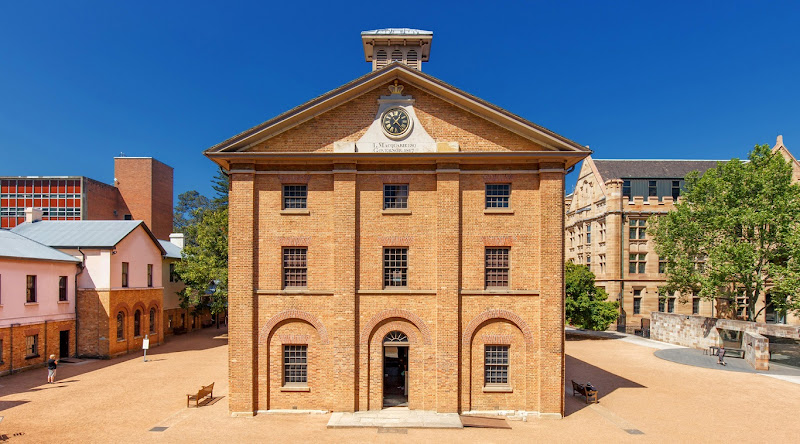
Hyde Park Barracks
About Hyde Park Barracks
Description
Stepping into Hyde Park Barracks is like flipping open a dusty, well-worn chapter of Australia’s convict past. It’s not just some old building with a few plaques slapped on the walls — this place was actually designed by a convict architect, Francis Greenway, and built by convict labor back in 1819. Imagine that: men and women who were sentenced to hard labor, living within these walls under the watchful eye of the colonial government. It’s a raw, real glimpse into a world that shaped modern Sydney in ways you might not expect.
Over the years, Hyde Park Barracks has worn many hats. It wasn’t just a convict dormitory; it later became a women’s immigration depot, an asylum, and even housed law courts and government offices. Each layer adds to the rich, sometimes haunting, tapestry of stories you’ll uncover during your visit. The museum today does a fantastic job of bringing those stories alive, with immersive exhibits that make you feel like you’re walking alongside the convicts, or the orphans who once called this place home.
One thing that really struck me when I first visited was how the barracks manage to balance the harsh realities of its past with a respectful, almost tender approach to storytelling. It’s not just grim history; it’s about resilience, survival, and the human spirit against the backdrop of colonial Australia. Plus, the architecture itself is stunning — a solid, sandstone structure that has stood the test of time right in the heart of bustling Sydney. It’s a rare chance to connect with a piece of history that’s still very much alive, even in the 21st century.
Key Features
- Authentic convict-era architecture designed by Francis Greenway, a convict architect
- Immersive audio tours that guide you through the lives of convicts, orphans, and immigrants
- Wheelchair-accessible entrances and restrooms, plus assisted listening devices for inclusivity
- Family-friendly exhibits that engage kids with interactive storytelling
- Multi-purpose historical use: from prison to immigration depot, asylum, and law courts
- Located near Hyde Park, with a statue of Governor Lachlan Macquarie nearby, adding context to the site
- Onsite services including restrooms, though no restaurant facilities
- Detailed displays and artifacts that reveal daily life in the 1800s colonial Sydney
Best Time to Visit
Honestly, Sydney’s climate is pretty forgiving most of the year, but if you want to avoid the crowds and enjoy a more leisurely experience, aim for the shoulder seasons — early autumn or late spring. The barracks sit right in the city center, so weekends can get a bit busy with tourists and school groups. Weekdays, especially mornings, offer a quieter, more intimate vibe where you can really soak up the atmosphere without feeling rushed.
Also, if you’re the kind of traveler who loves a bit of history with a side of event buzz, keep an eye out for special exhibitions or guided tours that pop up now and then. They can add an extra layer of depth to your visit. Just a heads-up, summer in Sydney can be scorchingly hot, and while the barracks offer some shelter inside, you might want to bring water and a hat if you’re planning to explore the surrounding Hyde Park too.
How to Get There
Getting to Hyde Park Barracks is pretty straightforward. It’s smack dab in the middle of Sydney’s CBD, so you’ve got plenty of options. If you’re using public transport, several bus routes and the train will drop you within a short stroll. The closest train stations are Museum and St James, both just a few minutes’ walk away. If you’re driving, be prepared for typical city parking challenges — it’s usually easier to park in a nearby garage and walk over.
Walking around Sydney’s city center is a treat in itself, so if you’re staying nearby, consider arriving on foot. The barracks sit just north of Hyde Park, so you can combine your visit with a stroll through the park or a coffee at one of the local cafes. Plus, the area is well signposted, so you won’t be wandering around lost for long. Just keep your eyes peeled for the sandstone walls and the colonial-era feel that sets it apart from the glass and steel skyscrapers.
Tips for Visiting
First off, don’t rush. Hyde Park Barracks is one of those places where the magic is in the details — the stories, the artifacts, the subtle clues etched into the walls. Give yourself at least an hour to really take it all in. The audio tour is a game-changer; it’s like having a local historian whispering secrets in your ear, and it makes the experience way more engaging.
Wear comfy shoes, because you’ll be on your feet exploring the old dormitories and exhibition spaces. Also, if you’re bringing kids, they’ll find plenty to keep them interested, but a quick heads-up: some of the stories can be a bit heavy, so it’s worth chatting with them beforehand about what to expect.
Accessibility is well thought out here, so if you or someone in your group needs assistance, rest assured the barracks have you covered. Just check ahead if you want to book any special tours or need specific accommodations. And while there’s no restaurant onsite, the surrounding area is packed with great spots for a bite — I once grabbed a fantastic coffee and a pastry just around the corner after my visit, perfect for soaking up the historic vibes a little longer.
Finally, keep an eye out for the little things — like the statue of Governor Macquarie nearby, who played a big role in commissioning the barracks, or the way the building’s design reflects the harsh discipline of the convict era. These subtle touches really bring the history to life and make your visit more than just a walk through an old building.
Key Features
- Authentic convict-era architecture designed by Francis Greenway, a convict architect
- Immersive audio tours that guide you through the lives of convicts, orphans, and immigrants
- Wheelchair-accessible entrances and restrooms, plus assisted listening devices for inclusivity
- Family-friendly exhibits that engage kids with interactive storytelling
- Multi-purpose historical use: from prison to immigration depot, asylum, and law courts
- Located near Hyde Park, with a statue of Governor Lachlan Macquarie nearby, adding context to the site
- Onsite services including restrooms, though no restaurant facilities
- Detailed displays and artifacts that reveal daily life in the 1800s colonial Sydney
More Details
Updated July 21, 2025
Table of Contents
Description
Stepping into Hyde Park Barracks is like flipping open a dusty, well-worn chapter of Australia’s convict past. It’s not just some old building with a few plaques slapped on the walls — this place was actually designed by a convict architect, Francis Greenway, and built by convict labor back in 1819. Imagine that: men and women who were sentenced to hard labor, living within these walls under the watchful eye of the colonial government. It’s a raw, real glimpse into a world that shaped modern Sydney in ways you might not expect.
Over the years, Hyde Park Barracks has worn many hats. It wasn’t just a convict dormitory; it later became a women’s immigration depot, an asylum, and even housed law courts and government offices. Each layer adds to the rich, sometimes haunting, tapestry of stories you’ll uncover during your visit. The museum today does a fantastic job of bringing those stories alive, with immersive exhibits that make you feel like you’re walking alongside the convicts, or the orphans who once called this place home.
One thing that really struck me when I first visited was how the barracks manage to balance the harsh realities of its past with a respectful, almost tender approach to storytelling. It’s not just grim history; it’s about resilience, survival, and the human spirit against the backdrop of colonial Australia. Plus, the architecture itself is stunning — a solid, sandstone structure that has stood the test of time right in the heart of bustling Sydney. It’s a rare chance to connect with a piece of history that’s still very much alive, even in the 21st century.
Key Features
- Authentic convict-era architecture designed by Francis Greenway, a convict architect
- Immersive audio tours that guide you through the lives of convicts, orphans, and immigrants
- Wheelchair-accessible entrances and restrooms, plus assisted listening devices for inclusivity
- Family-friendly exhibits that engage kids with interactive storytelling
- Multi-purpose historical use: from prison to immigration depot, asylum, and law courts
- Located near Hyde Park, with a statue of Governor Lachlan Macquarie nearby, adding context to the site
- Onsite services including restrooms, though no restaurant facilities
- Detailed displays and artifacts that reveal daily life in the 1800s colonial Sydney
Best Time to Visit
Honestly, Sydney’s climate is pretty forgiving most of the year, but if you want to avoid the crowds and enjoy a more leisurely experience, aim for the shoulder seasons — early autumn or late spring. The barracks sit right in the city center, so weekends can get a bit busy with tourists and school groups. Weekdays, especially mornings, offer a quieter, more intimate vibe where you can really soak up the atmosphere without feeling rushed.
Also, if you’re the kind of traveler who loves a bit of history with a side of event buzz, keep an eye out for special exhibitions or guided tours that pop up now and then. They can add an extra layer of depth to your visit. Just a heads-up, summer in Sydney can be scorchingly hot, and while the barracks offer some shelter inside, you might want to bring water and a hat if you’re planning to explore the surrounding Hyde Park too.
How to Get There
Getting to Hyde Park Barracks is pretty straightforward. It’s smack dab in the middle of Sydney’s CBD, so you’ve got plenty of options. If you’re using public transport, several bus routes and the train will drop you within a short stroll. The closest train stations are Museum and St James, both just a few minutes’ walk away. If you’re driving, be prepared for typical city parking challenges — it’s usually easier to park in a nearby garage and walk over.
Walking around Sydney’s city center is a treat in itself, so if you’re staying nearby, consider arriving on foot. The barracks sit just north of Hyde Park, so you can combine your visit with a stroll through the park or a coffee at one of the local cafes. Plus, the area is well signposted, so you won’t be wandering around lost for long. Just keep your eyes peeled for the sandstone walls and the colonial-era feel that sets it apart from the glass and steel skyscrapers.
Tips for Visiting
First off, don’t rush. Hyde Park Barracks is one of those places where the magic is in the details — the stories, the artifacts, the subtle clues etched into the walls. Give yourself at least an hour to really take it all in. The audio tour is a game-changer; it’s like having a local historian whispering secrets in your ear, and it makes the experience way more engaging.
Wear comfy shoes, because you’ll be on your feet exploring the old dormitories and exhibition spaces. Also, if you’re bringing kids, they’ll find plenty to keep them interested, but a quick heads-up: some of the stories can be a bit heavy, so it’s worth chatting with them beforehand about what to expect.
Accessibility is well thought out here, so if you or someone in your group needs assistance, rest assured the barracks have you covered. Just check ahead if you want to book any special tours or need specific accommodations. And while there’s no restaurant onsite, the surrounding area is packed with great spots for a bite — I once grabbed a fantastic coffee and a pastry just around the corner after my visit, perfect for soaking up the historic vibes a little longer.
Finally, keep an eye out for the little things — like the statue of Governor Macquarie nearby, who played a big role in commissioning the barracks, or the way the building’s design reflects the harsh discipline of the convict era. These subtle touches really bring the history to life and make your visit more than just a walk through an old building.
Key Highlights
- Authentic convict-era architecture designed by Francis Greenway, a convict architect
- Immersive audio tours that guide you through the lives of convicts, orphans, and immigrants
- Wheelchair-accessible entrances and restrooms, plus assisted listening devices for inclusivity
- Family-friendly exhibits that engage kids with interactive storytelling
- Multi-purpose historical use: from prison to immigration depot, asylum, and law courts
- Located near Hyde Park, with a statue of Governor Lachlan Macquarie nearby, adding context to the site
- Onsite services including restrooms, though no restaurant facilities
- Detailed displays and artifacts that reveal daily life in the 1800s colonial Sydney
Location
Places to Stay Near Hyde Park Barracks
Find and Book a Tour
Explore More Travel Guides
No reviews found! Be the first to review!
Traveler Reviews for Hyde Park Barracks
There are no reviews yet. Be the first one to write one.
Have you visited Hyde Park Barracks? Help other travelers by sharing your review.
Find Accommodations Nearby
Recommended Tours & Activities
Visitor Reviews
There are no reviews yet. Be the first one to write one.
Share Your Experience
Have you visited Hyde Park Barracks? Help other travelers by leaving a review.