

Hunter Museum of American Art
About Hunter Museum of American Art
Description
The Hunter Museum of American Art sits confidently above the Tennessee River, and it knows it. The building doesn’t try to disappear into the landscape; it frames it. From the terraces and those big windows, the river bends below and the mountains hang back like patient onlookers. The museum focuses on U.S. art from the Colonial period through the present day, which sounds academic, sure, but in practice it feels surprisingly approachable. The galleries move through time in a way that makes sense even if you’re not the type who reads every wall label. And honestly, many people don’t. They just look, absorb, and move on.
The experience is a mix of old and new, both in the collection and the architecture. One wing leans traditional, the other unapologetically modern. The contrast works. It mirrors American art itself: polite portraits on one wall, bold contemporary pieces around the corner, sometimes loud, sometimes puzzling, sometimes hilarious. The museum doesn’t spoon-feed opinions. It lets visitors argue quietly with the art, which I’ve always appreciated. I remember standing in front of a contemporary sculpture there thinking, I don’t get this at all. Then five minutes later, I kind of did. That’s a good museum moment.
For travelers, the Hunter Museum functions as both a cultural stop and a breather. After walking downtown or driving through the surrounding hills, stepping into the galleries slows things down. It’s not chaotic or overwhelming. Families wander through without feeling shushed, couples linger on benches, and solo travelers take their time. There’s a friendliness to the place that’s hard to fake. Staff members tend to meet visitors where they are, whether that’s deep art questions or simple directions to the restroom.
The museum also hosts live performances and rotating exhibitions, which keeps repeat visits from feeling stale. One visit might focus on early American landscapes, the next on modern social themes. That unpredictability is part of the appeal. And yes, not every exhibit will land for every visitor. Some pieces challenge patience more than perspective. But overall, the museum strikes a thoughtful balance between being educational and being enjoyable, which is harder than it looks.
Key Features
- Extensive American art collection: Works span from the Colonial era through contemporary movements, offering a clear sense of how American identity has shifted over time.
- Modern and historic architecture: The building itself feels like part of the exhibit, blending older structures with sleek, modern design.
- River and mountain views: Several vantage points overlook the Tennessee River, and they’re not an afterthought. People stop and stare.
- Rotating exhibitions: Temporary exhibits keep the museum fresh and give returning visitors a reason to come back.
- Live performances: Events and performances add a layer beyond static galleries, especially during special programming.
- Family-friendly layout: Open spaces and approachable displays make it easier for visitors with kids.
- Onsite gift shop: Thoughtful, well-curated items that don’t feel like cheap souvenirs.
- Accessibility features: Wheelchair accessible entrances, restrooms, and parking make the museum navigable for more visitors.
- Guided tours available: For those who want context and storytelling, tours offer deeper insight into the collection.
Best Time to Visit
The Hunter Museum of American Art can be visited year-round, but timing does shape the experience. Spring and fall tend to be the sweet spots. The weather cooperates, the river looks its best, and the views from the museum feel like a bonus exhibit. Summer brings more travelers, especially families, which adds energy but also a bit of noise. Not a deal-breaker, just something to know if you prefer quieter galleries.
Weekday mornings are ideal for travelers who like space to think. The galleries feel calmer, and it’s easier to linger without feeling like you’re in someone’s way. Afternoons can be busier, particularly on weekends, though the museum rarely feels packed to the point of discomfort. I once visited on a rainy afternoon, expecting crowds, and ended up with entire rooms nearly to myself. Weather has a funny way of scaring people off, which can work in your favor.
If live performances or special exhibitions interest you, checking the museum’s schedule before planning your visit helps. These events can draw larger crowds but also add a memorable layer to the experience. There’s something about hearing live music or a talk in an art museum that makes the space feel alive, like it’s doing more than just preserving objects.
How to Get There
The museum is easy to reach for travelers already exploring the city or passing through the region. It sits near central routes, making it a convenient stop without a lot of detours. Drivers will appreciate the parking options, including free and paid lots nearby and on-site parking. That alone removes a common travel headache. Nothing kills museum enthusiasm faster than circling for a spot.
For those staying downtown, the museum is often walkable, depending on where you’re based and how much you enjoy hills. And yes, there are hills. Comfortable shoes matter. Public transportation and rideshares also make the trip straightforward, especially for visitors who’d rather not deal with parking at all. The area around the museum feels safe and well-maintained, which matters when you’re unfamiliar with a place.
Tips for Visiting
Plan for at least two hours, even if you think you’ll breeze through. Most people don’t. The flow of the galleries invites lingering, and the views alone deserve a pause. And don’t skip the outdoor terraces. They’re part of the experience, not an afterthought.
If you’re visiting with kids, set expectations early. The museum is welcoming to families, but it’s still an art museum, not a playground. That said, some contemporary pieces spark great conversations with younger visitors. I’ve overheard kids asking better questions than adults, which always makes me smile.
Take advantage of tours if you enjoy context. A good guide can turn a painting from “nice” into “oh, wow, I didn’t know that.” But if you prefer wandering solo, that works too. The signage is clear without being overwhelming.
The gift shop is worth a look, even if you’re not a big souvenir person. The items tend to reflect the art rather than scream tourist attraction. I once bought a small print there and still have it hanging at home. It’s a quiet reminder of a thoughtful afternoon.
Finally, give yourself permission to not love every piece. That’s part of engaging with American art, especially contemporary work. The Hunter Museum doesn’t demand agreement, only attention. And for travelers, that kind of honest encounter with culture is often the most memorable part of the trip.
Key Features
- Key Features
- Best Time to Visit
- How to Get There
- Tips for Visiting
More Details
Updated January 1, 2026
Table of Contents
Description
The Hunter Museum of American Art sits confidently above the Tennessee River, and it knows it. The building doesn’t try to disappear into the landscape; it frames it. From the terraces and those big windows, the river bends below and the mountains hang back like patient onlookers. The museum focuses on U.S. art from the Colonial period through the present day, which sounds academic, sure, but in practice it feels surprisingly approachable. The galleries move through time in a way that makes sense even if you’re not the type who reads every wall label. And honestly, many people don’t. They just look, absorb, and move on.
The experience is a mix of old and new, both in the collection and the architecture. One wing leans traditional, the other unapologetically modern. The contrast works. It mirrors American art itself: polite portraits on one wall, bold contemporary pieces around the corner, sometimes loud, sometimes puzzling, sometimes hilarious. The museum doesn’t spoon-feed opinions. It lets visitors argue quietly with the art, which I’ve always appreciated. I remember standing in front of a contemporary sculpture there thinking, I don’t get this at all. Then five minutes later, I kind of did. That’s a good museum moment.
For travelers, the Hunter Museum functions as both a cultural stop and a breather. After walking downtown or driving through the surrounding hills, stepping into the galleries slows things down. It’s not chaotic or overwhelming. Families wander through without feeling shushed, couples linger on benches, and solo travelers take their time. There’s a friendliness to the place that’s hard to fake. Staff members tend to meet visitors where they are, whether that’s deep art questions or simple directions to the restroom.
The museum also hosts live performances and rotating exhibitions, which keeps repeat visits from feeling stale. One visit might focus on early American landscapes, the next on modern social themes. That unpredictability is part of the appeal. And yes, not every exhibit will land for every visitor. Some pieces challenge patience more than perspective. But overall, the museum strikes a thoughtful balance between being educational and being enjoyable, which is harder than it looks.
Key Features
- Extensive American art collection: Works span from the Colonial era through contemporary movements, offering a clear sense of how American identity has shifted over time.
- Modern and historic architecture: The building itself feels like part of the exhibit, blending older structures with sleek, modern design.
- River and mountain views: Several vantage points overlook the Tennessee River, and they’re not an afterthought. People stop and stare.
- Rotating exhibitions: Temporary exhibits keep the museum fresh and give returning visitors a reason to come back.
- Live performances: Events and performances add a layer beyond static galleries, especially during special programming.
- Family-friendly layout: Open spaces and approachable displays make it easier for visitors with kids.
- Onsite gift shop: Thoughtful, well-curated items that don’t feel like cheap souvenirs.
- Accessibility features: Wheelchair accessible entrances, restrooms, and parking make the museum navigable for more visitors.
- Guided tours available: For those who want context and storytelling, tours offer deeper insight into the collection.
Best Time to Visit
The Hunter Museum of American Art can be visited year-round, but timing does shape the experience. Spring and fall tend to be the sweet spots. The weather cooperates, the river looks its best, and the views from the museum feel like a bonus exhibit. Summer brings more travelers, especially families, which adds energy but also a bit of noise. Not a deal-breaker, just something to know if you prefer quieter galleries.
Weekday mornings are ideal for travelers who like space to think. The galleries feel calmer, and it’s easier to linger without feeling like you’re in someone’s way. Afternoons can be busier, particularly on weekends, though the museum rarely feels packed to the point of discomfort. I once visited on a rainy afternoon, expecting crowds, and ended up with entire rooms nearly to myself. Weather has a funny way of scaring people off, which can work in your favor.
If live performances or special exhibitions interest you, checking the museum’s schedule before planning your visit helps. These events can draw larger crowds but also add a memorable layer to the experience. There’s something about hearing live music or a talk in an art museum that makes the space feel alive, like it’s doing more than just preserving objects.
How to Get There
The museum is easy to reach for travelers already exploring the city or passing through the region. It sits near central routes, making it a convenient stop without a lot of detours. Drivers will appreciate the parking options, including free and paid lots nearby and on-site parking. That alone removes a common travel headache. Nothing kills museum enthusiasm faster than circling for a spot.
For those staying downtown, the museum is often walkable, depending on where you’re based and how much you enjoy hills. And yes, there are hills. Comfortable shoes matter. Public transportation and rideshares also make the trip straightforward, especially for visitors who’d rather not deal with parking at all. The area around the museum feels safe and well-maintained, which matters when you’re unfamiliar with a place.
Tips for Visiting
Plan for at least two hours, even if you think you’ll breeze through. Most people don’t. The flow of the galleries invites lingering, and the views alone deserve a pause. And don’t skip the outdoor terraces. They’re part of the experience, not an afterthought.
If you’re visiting with kids, set expectations early. The museum is welcoming to families, but it’s still an art museum, not a playground. That said, some contemporary pieces spark great conversations with younger visitors. I’ve overheard kids asking better questions than adults, which always makes me smile.
Take advantage of tours if you enjoy context. A good guide can turn a painting from “nice” into “oh, wow, I didn’t know that.” But if you prefer wandering solo, that works too. The signage is clear without being overwhelming.
The gift shop is worth a look, even if you’re not a big souvenir person. The items tend to reflect the art rather than scream tourist attraction. I once bought a small print there and still have it hanging at home. It’s a quiet reminder of a thoughtful afternoon.
Finally, give yourself permission to not love every piece. That’s part of engaging with American art, especially contemporary work. The Hunter Museum doesn’t demand agreement, only attention. And for travelers, that kind of honest encounter with culture is often the most memorable part of the trip.
Key Highlights
- Key Features
- Best Time to Visit
- How to Get There
- Tips for Visiting
Location
Places to Stay Near Hunter Museum of American Art
Find and Book a Tour
Explore More Travel Guides
No reviews found! Be the first to review!
Traveler Reviews for Hunter Museum of American Art
There are no reviews yet. Be the first one to write one.
Have you visited Hunter Museum of American Art? Help other travelers by sharing your review.
You Might Also Like

Creative Discovery Museum

Chattanooga Ghost Tours Inc
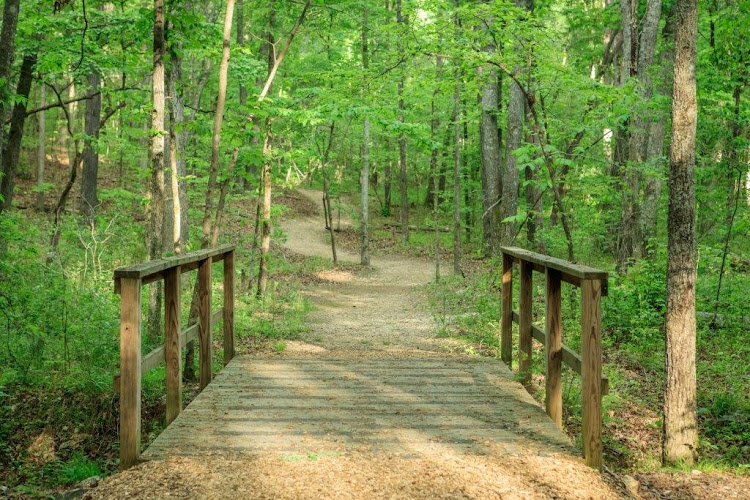
Enterprise South Nature Park
Find Accommodations Nearby
Recommended Tours & Activities
Visitor Reviews
There are no reviews yet. Be the first one to write one.
Share Your Experience
Have you visited Hunter Museum of American Art? Help other travelers by leaving a review.