Hsinchu Air Base
About Hsinchu Air Base
Description
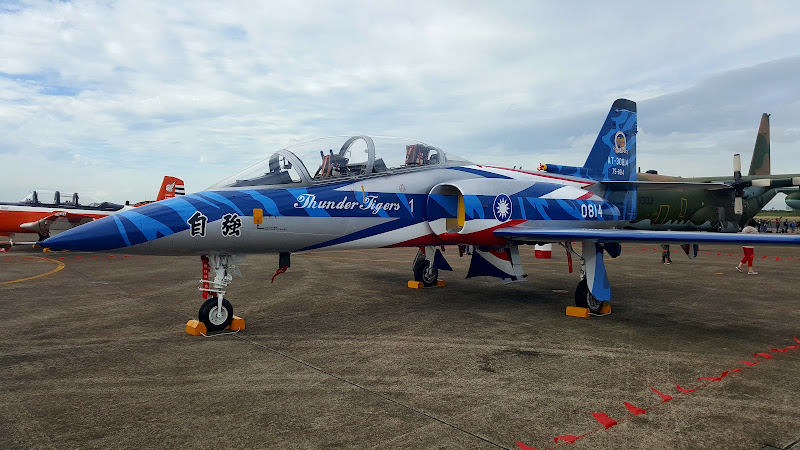
Hsinchu Air Base stands as one of Taiwan's most significant military installations, serving as an active operational hub for the Republic of China Air Force. Located in the northern region of Taiwan, this facility has been a cornerstone of the nation's air defense strategy for decades. While primarily a working military base rather than a traditional tourist destination, it offers a unique glimpse into Taiwan's aviation heritage and modern military capabilities that aviation enthusiasts and military history buffs find absolutely fascinating. The base has witnessed countless moments in Taiwan's military history, and while access is naturally restricted due to its active status, the surrounding area and occasional public events provide opportunities for visitors to appreciate the power and precision of military aviation. Fighter jets roar overhead during training exercises, creating an impressive spectacle that you won't soon forget. I remember the first time I heard those engines—the sheer force of sound alone made my chest vibrate, and it's something that photographs simply can't capture. What makes this location particularly interesting is its dual nature. Yes, it's an operational military facility, but it's also become a point of interest for travelers who want to experience something beyond Taiwan's typical tourist attractions. The base represents Taiwan's commitment to defense and showcases the island nation's impressive air capabilities. During certain times of the year, public viewing opportunities arise that allow civilians to witness military aircraft up close, though these occasions require advance planning and adherence to strict protocols. The facility's accessibility features deserve mention, as the base has made efforts to accommodate visitors with mobility challenges during public access periods. Wheelchair accessible entrances and parking facilities demonstrate that even military installations can prioritize inclusivity when opening their doors to the public.Key Features
The distinctive characteristics of Hsinchu Air Base include several noteworthy elements that set it apart from other military installations in the region: • Active fighter jet operations providing real-world aviation experiences that aviation photographers dream about capturing • Historical significance dating back several decades as a crucial component of Taiwan's air defense network • Occasional public events and air shows that offer rare civilian access to military aircraft and demonstrations • Modern facilities that house some of Taiwan's most advanced fighter aircraft, including indigenous defense fighters • Wheelchair accessible infrastructure including entrance points and designated parking areas for visitors during public access times • Strategic location within Taiwan's northern defense corridor, making it a vital operational base • Proximity to Hsinchu city proper, allowing visitors to combine military tourism with exploration of local culture and cuisine • Training operations that showcase the skill and dedication of Taiwan's air force personnel • Observation areas near the perimeter where aviation enthusiasts gather to watch takeoffs and landings • Photo opportunities during special events that attract military aviation photographers from across AsiaBest Time to Visit
Planning your visit to Hsinchu Air Base requires understanding that this isn't your typical "drop by anytime" destination. The base operates year-round with military precision, but opportunities for civilian observation vary significantly throughout the year. The absolute best times to plan a visit coincide with Taiwan's national celebrations and military open house events. October is particularly promising, as Taiwan's National Day on October 10th sometimes includes military demonstrations and increased activity at air bases across the island. During these periods, you might catch special flight demonstrations or even gain access to areas typically off-limits to the public. Weather plays a crucial role in your viewing experience too. Spring months from March through May offer clear skies and comfortable temperatures that make standing outside for extended periods quite pleasant. The visibility during these months is typically excellent, which matters tremendously when you're trying to photograph or simply observe aircraft operations. And honestly, there's nothing worse than planning a special trip only to have it rain the entire time. Summer months from June through August bring hot, humid conditions and occasional typhoons that can ground operations entirely. But if you can handle the heat, summer mornings before the temperature peaks can provide stunning lighting conditions for photography. Fall, particularly September through November, presents another excellent window. The weather moderates, skies clear up after the summer monsoon season, and training activities often intensify. I've spoken with several aviation enthusiasts who swear by late autumn visits because the cooler air provides crisper sound quality for those incredible jet engine roars. Winter months remain viable, though you'll need to bundle up a bit. December through February sees less rain but cooler temperatures. Training operations continue regardless of the chill, so dedicated visitors can still experience the base's activities. Weekdays typically see more routine operations compared to weekends, when training schedules might be lighter. However, this varies based on operational requirements that aren't publicly advertised.How to Get There
Getting to Hsinchu Air Base requires some planning, but Taiwan's excellent transportation infrastructure makes the journey relatively straightforward for most travelers. By high-speed rail, visitors can reach Hsinchu Station from Taipei in approximately 35-40 minutes, which makes this a perfectly doable day trip from Taiwan's capital. The HSR provides comfortable, punctual service that runs frequently throughout the day. From Hsinchu HSR Station, you'll need to transfer to local transportation to reach the base area. Taiwan's conventional rail system also serves Hsinchu, with regular trains departing from Taipei Main Station. The journey takes longer than the HSR—around 70-90 minutes depending on the service type—but costs considerably less if you're traveling on a budget. Local buses connect various parts of Hsinchu city to areas near the base. The city's bus system is reasonably reliable, though you'll want to download a translation app if your Mandarin skills are rusty. Bus routes change occasionally, so confirming current routes before your trip saves potential headaches. Taxi services throughout Hsinchu can take you directly to viewing areas near the base perimeter. While more expensive than public transit, taxis offer convenience and flexibility, especially if you're carrying photography equipment or traveling in a group. Most drivers understand basic English, and showing them the Chinese characters for the destination helps immensely. For those renting cars, Taiwan's road system is well-maintained and signage includes English in major areas. Parking near the base during public events can get competitive, so arriving early is wise. GPS navigation works reliably throughout Taiwan, making independent driving quite feasible for confident travelers. Cycling is another option that some adventurous visitors pursue. Hsinchu has been developing its cycling infrastructure, and the relatively flat terrain around the base area makes biking practical for those who enjoy two-wheeled exploration.Tips for Visiting
Visiting an active military installation requires preparation and realistic expectations that differ significantly from typical tourist attractions. First and absolutely most important—respect all restricted areas and security protocols. This isn't a playground, and security personnel take their responsibilities seriously. Photography restrictions exist for legitimate security reasons, so always observe posted signs and follow instructions from military personnel or security staff. Getting yourself detained for unauthorized photography would definitely ruin your vacation. Bring proper identification documents. During public access events, you'll likely need to present your passport or Taiwan entry permit. Some events require advance registration, so research requirements well before your planned visit date. Photography equipment deserves careful consideration. If public viewing is permitted, long telephoto lenses become invaluable for capturing aircraft from safe distances. A 300mm lens or longer gives you the reach needed for quality shots. Tripods or monopods help stabilize those heavy lenses during extended shooting sessions. Ear protection isn't mandatory but greatly appreciated by your future self. Fighter jets produce sound levels that can cause temporary or even permanent hearing damage at close range. Foam earplugs are inexpensive insurance against ringing ears that last for days. Weather preparation makes or breaks outdoor viewing experiences. Taiwan's sun is intense, so sunscreen, hats, and plenty of water are essential during warm months. Conversely, winter viewing requires layers because standing still while watching aircraft gets cold quickly. Connect with local aviation enthusiast communities online before your visit. These groups often share information about training schedules, special events, and best viewing locations that you won't find in official tourism materials. The knowledge that experienced spotters possess can transform a mediocre visit into an exceptional one. Language barriers pose challenges but aren't insurmountable. Learning a few basic Mandarin phrases shows respect and helps with practical matters. "Excuse me" (bu hao yi si), "thank you" (xie xie), and "where is" (zai nar) get used constantly. Combine your air base visit with exploration of Hsinchu city itself. The city offers excellent food scenes, night markets, and cultural attractions that round out a trip focused solely on military aviation. The local rice noodles are legendary, and you'd be doing yourself a disservice by not sampling them. Check official Taiwan military and government websites before finalizing plans. Policy changes, security situations, or operational requirements can alter access without much advance notice. Building flexibility into your itinerary prevents disappointment. Finally, manage expectations appropriately. Unlike air shows in some countries where you can walk right up to aircraft, viewing opportunities here may be more limited and distant. But that doesn't diminish the experience—witnessing operational military aviation in action carries its own unique appeal that staged demonstrations can't replicate.Key Features
- Historical airfield established 1936 (Japanese era origins)
- Active Republic of China Air Force base with operational runways
- Good local vantage points for plane-spotting and aviation photography
- Nearby Hsinchu urban amenities and cultural sites for combined visits
- Occasional public events/open days and military memorials in the area
More Details
Updated January 17, 2026
Table of Contents
Description
Hsinchu Air Base stands as one of Taiwan’s most significant military installations, serving as an active operational hub for the Republic of China Air Force. Located in the northern region of Taiwan, this facility has been a cornerstone of the nation’s air defense strategy for decades. While primarily a working military base rather than a traditional tourist destination, it offers a unique glimpse into Taiwan’s aviation heritage and modern military capabilities that aviation enthusiasts and military history buffs find absolutely fascinating.
The base has witnessed countless moments in Taiwan’s military history, and while access is naturally restricted due to its active status, the surrounding area and occasional public events provide opportunities for visitors to appreciate the power and precision of military aviation. Fighter jets roar overhead during training exercises, creating an impressive spectacle that you won’t soon forget. I remember the first time I heard those engines—the sheer force of sound alone made my chest vibrate, and it’s something that photographs simply can’t capture.
What makes this location particularly interesting is its dual nature. Yes, it’s an operational military facility, but it’s also become a point of interest for travelers who want to experience something beyond Taiwan’s typical tourist attractions. The base represents Taiwan’s commitment to defense and showcases the island nation’s impressive air capabilities. During certain times of the year, public viewing opportunities arise that allow civilians to witness military aircraft up close, though these occasions require advance planning and adherence to strict protocols.
The facility’s accessibility features deserve mention, as the base has made efforts to accommodate visitors with mobility challenges during public access periods. Wheelchair accessible entrances and parking facilities demonstrate that even military installations can prioritize inclusivity when opening their doors to the public.
Key Features
The distinctive characteristics of Hsinchu Air Base include several noteworthy elements that set it apart from other military installations in the region:
• Active fighter jet operations providing real-world aviation experiences that aviation photographers dream about capturing
• Historical significance dating back several decades as a crucial component of Taiwan’s air defense network
• Occasional public events and air shows that offer rare civilian access to military aircraft and demonstrations
• Modern facilities that house some of Taiwan’s most advanced fighter aircraft, including indigenous defense fighters
• Wheelchair accessible infrastructure including entrance points and designated parking areas for visitors during public access times
• Strategic location within Taiwan’s northern defense corridor, making it a vital operational base
• Proximity to Hsinchu city proper, allowing visitors to combine military tourism with exploration of local culture and cuisine
• Training operations that showcase the skill and dedication of Taiwan’s air force personnel
• Observation areas near the perimeter where aviation enthusiasts gather to watch takeoffs and landings
• Photo opportunities during special events that attract military aviation photographers from across Asia
Best Time to Visit
Planning your visit to Hsinchu Air Base requires understanding that this isn’t your typical “drop by anytime” destination. The base operates year-round with military precision, but opportunities for civilian observation vary significantly throughout the year.
The absolute best times to plan a visit coincide with Taiwan’s national celebrations and military open house events. October is particularly promising, as Taiwan’s National Day on October 10th sometimes includes military demonstrations and increased activity at air bases across the island. During these periods, you might catch special flight demonstrations or even gain access to areas typically off-limits to the public.
Weather plays a crucial role in your viewing experience too. Spring months from March through May offer clear skies and comfortable temperatures that make standing outside for extended periods quite pleasant. The visibility during these months is typically excellent, which matters tremendously when you’re trying to photograph or simply observe aircraft operations. And honestly, there’s nothing worse than planning a special trip only to have it rain the entire time.
Summer months from June through August bring hot, humid conditions and occasional typhoons that can ground operations entirely. But if you can handle the heat, summer mornings before the temperature peaks can provide stunning lighting conditions for photography.
Fall, particularly September through November, presents another excellent window. The weather moderates, skies clear up after the summer monsoon season, and training activities often intensify. I’ve spoken with several aviation enthusiasts who swear by late autumn visits because the cooler air provides crisper sound quality for those incredible jet engine roars.
Winter months remain viable, though you’ll need to bundle up a bit. December through February sees less rain but cooler temperatures. Training operations continue regardless of the chill, so dedicated visitors can still experience the base’s activities.
Weekdays typically see more routine operations compared to weekends, when training schedules might be lighter. However, this varies based on operational requirements that aren’t publicly advertised.
How to Get There
Getting to Hsinchu Air Base requires some planning, but Taiwan’s excellent transportation infrastructure makes the journey relatively straightforward for most travelers.
By high-speed rail, visitors can reach Hsinchu Station from Taipei in approximately 35-40 minutes, which makes this a perfectly doable day trip from Taiwan’s capital. The HSR provides comfortable, punctual service that runs frequently throughout the day. From Hsinchu HSR Station, you’ll need to transfer to local transportation to reach the base area.
Taiwan’s conventional rail system also serves Hsinchu, with regular trains departing from Taipei Main Station. The journey takes longer than the HSR—around 70-90 minutes depending on the service type—but costs considerably less if you’re traveling on a budget.
Local buses connect various parts of Hsinchu city to areas near the base. The city’s bus system is reasonably reliable, though you’ll want to download a translation app if your Mandarin skills are rusty. Bus routes change occasionally, so confirming current routes before your trip saves potential headaches.
Taxi services throughout Hsinchu can take you directly to viewing areas near the base perimeter. While more expensive than public transit, taxis offer convenience and flexibility, especially if you’re carrying photography equipment or traveling in a group. Most drivers understand basic English, and showing them the Chinese characters for the destination helps immensely.
For those renting cars, Taiwan’s road system is well-maintained and signage includes English in major areas. Parking near the base during public events can get competitive, so arriving early is wise. GPS navigation works reliably throughout Taiwan, making independent driving quite feasible for confident travelers.
Cycling is another option that some adventurous visitors pursue. Hsinchu has been developing its cycling infrastructure, and the relatively flat terrain around the base area makes biking practical for those who enjoy two-wheeled exploration.
Tips for Visiting
Visiting an active military installation requires preparation and realistic expectations that differ significantly from typical tourist attractions.
First and absolutely most important—respect all restricted areas and security protocols. This isn’t a playground, and security personnel take their responsibilities seriously. Photography restrictions exist for legitimate security reasons, so always observe posted signs and follow instructions from military personnel or security staff. Getting yourself detained for unauthorized photography would definitely ruin your vacation.
Bring proper identification documents. During public access events, you’ll likely need to present your passport or Taiwan entry permit. Some events require advance registration, so research requirements well before your planned visit date.
Photography equipment deserves careful consideration. If public viewing is permitted, long telephoto lenses become invaluable for capturing aircraft from safe distances. A 300mm lens or longer gives you the reach needed for quality shots. Tripods or monopods help stabilize those heavy lenses during extended shooting sessions.
Ear protection isn’t mandatory but greatly appreciated by your future self. Fighter jets produce sound levels that can cause temporary or even permanent hearing damage at close range. Foam earplugs are inexpensive insurance against ringing ears that last for days.
Weather preparation makes or breaks outdoor viewing experiences. Taiwan’s sun is intense, so sunscreen, hats, and plenty of water are essential during warm months. Conversely, winter viewing requires layers because standing still while watching aircraft gets cold quickly.
Connect with local aviation enthusiast communities online before your visit. These groups often share information about training schedules, special events, and best viewing locations that you won’t find in official tourism materials. The knowledge that experienced spotters possess can transform a mediocre visit into an exceptional one.
Language barriers pose challenges but aren’t insurmountable. Learning a few basic Mandarin phrases shows respect and helps with practical matters. “Excuse me” (bu hao yi si), “thank you” (xie xie), and “where is” (zai nar) get used constantly.
Combine your air base visit with exploration of Hsinchu city itself. The city offers excellent food scenes, night markets, and cultural attractions that round out a trip focused solely on military aviation. The local rice noodles are legendary, and you’d be doing yourself a disservice by not sampling them.
Check official Taiwan military and government websites before finalizing plans. Policy changes, security situations, or operational requirements can alter access without much advance notice. Building flexibility into your itinerary prevents disappointment.
Finally, manage expectations appropriately. Unlike air shows in some countries where you can walk right up to aircraft, viewing opportunities here may be more limited and distant. But that doesn’t diminish the experience—witnessing operational military aviation in action carries its own unique appeal that staged demonstrations can’t replicate.
Key Highlights
- Historical airfield established 1936 (Japanese era origins)
- Active Republic of China Air Force base with operational runways
- Good local vantage points for plane-spotting and aviation photography
- Nearby Hsinchu urban amenities and cultural sites for combined visits
- Occasional public events/open days and military memorials in the area
Location
Places to Stay Near Hsinchu Air Base
Find and Book a Tour
Explore More Travel Guides
No reviews found! Be the first to review!
Traveler Reviews for Hsinchu Air Base
There are no reviews yet. Be the first one to write one.
Have you visited Hsinchu Air Base? Help other travelers by sharing your review.
Nearby Attractions
Find Accommodations Nearby
Recommended Tours & Activities
Visitor Reviews
There are no reviews yet. Be the first one to write one.
Share Your Experience
Have you visited Hsinchu Air Base? Help other travelers by leaving a review.
