
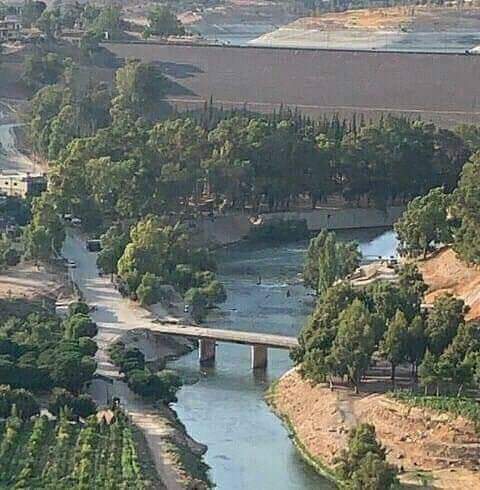
Homs Governorate
About Homs Governorate
Description
Homs Governorate, right in the heart of Syria, is the country’s largest governorate by land area, stretching across more than 40,000 square kilometers. That sheer size alone makes it a place of contrasts—you’ve got everything from fertile valleys that feel almost Mediterranean in spirit to dry desert stretches that seem endless. The population, which was around 1.7 million in 2010, reflects centuries of history, culture, and resilience. Travelers who make their way here quickly notice that Homs isn’t just another dot on the map; it’s a crossroads of civilizations, a place where Roman ruins sit not far from medieval castles, and where local traditions still hum beneath the surface of daily life.
When people talk about Syria, they often focus on Damascus or Aleppo, but Homs Governorate has its own rhythm, and honestly, it’s one that tends to surprise visitors. It’s not polished or curated for tourists in the way some destinations are, but that’s part of its charm. You’ll find authenticity here—markets that haven’t changed much in decades, families welcoming strangers with strong coffee, and landscapes that feel raw and unfiltered. Not every corner is easy to explore, and some spots can feel a little challenging, but that’s what makes the experience memorable.
From my own travels, I remember sitting at a roadside café near the Orontes River, sipping tea while watching kids splash in the water. It wasn’t glamorous, but it felt real, and that’s exactly the kind of memory Homs tends to leave you with. It’s a place that might not always be comfortable, but it’s deeply human, layered with stories, and worth taking the time to understand.
Key Features
- The ancient city of Palmyra, a UNESCO World Heritage Site, lies within the governorate’s borders.
- Crac des Chevaliers, one of the best-preserved Crusader castles in the world, dominates the western hills.
- The Orontes River cuts through the region, supporting agriculture and small villages along its banks.
- Diverse landscapes: fertile plains, rugged mountains, and stretches of desert all within a day’s drive.
- Traditional souks and markets that still operate much as they did generations ago.
- A mix of cultural influences—Roman, Byzantine, Arab, Ottoman—visible in architecture and local customs.
Best Time to Visit
If you’re planning a trip, spring (March to May) is hands down the most pleasant time to be in Homs Governorate. The weather is mild, flowers bloom across the plains, and the countryside feels alive. Autumn (September to November) is another good option, with cooler temperatures and fewer crowds. Summers can be brutally hot, especially if you’re venturing into the desert areas, while winters bring chilly winds and occasional snow in the higher elevations. Personally, I’d avoid July and August unless you’re someone who thrives in the heat—it can get draining pretty fast.
One of the joys of visiting in spring is catching local festivals and seeing families out in the fields enjoying picnics. It’s a season that feels hopeful and welcoming, making it easier to connect with people along the way.
How to Get There
Reaching Homs Governorate usually involves traveling through Damascus or Aleppo first, as those cities have the main international connections. From Damascus, it’s roughly a two-hour drive north to the city of Homs, which acts as the governorate’s hub. Buses and shared taxis are common, though not always the most comfortable option. If you’re adventurous, renting a car gives you the freedom to explore the countryside, but be prepared for roads that sometimes test your patience—potholes, unexpected detours, and herds of sheep crossing at their own pace.
For those coming from Lebanon, it’s possible to cross the border near Tripoli and head eastward into the governorate, though border procedures can vary. I once took that route and ended up sharing a ride with a family who insisted I try their homemade pastries along the way—one of those small, unexpected moments that makes travel worthwhile.
Tips for Visiting
Traveling in Homs Governorate isn’t like booking a weekend in Paris or Rome. It requires a bit of flexibility and a sense of adventure. Here are some tips that make the journey smoother:
- Respect local customs: Dress modestly, especially in rural areas. A little effort goes a long way in making connections.
- Learn a few Arabic phrases: Even simple greetings can open doors. People appreciate the attempt, and you’ll likely get a smile in return.
- Stay hydrated: The climate can be dry, and walking through archaeological sites like Palmyra can take a toll.
- Hire local guides: Not only do they know the history, but they also help you navigate areas that might otherwise feel overwhelming.
- Be patient with transport: Buses don’t always run on schedule, and roads can be unpredictable. Treat delays as part of the adventure.
- Bring cash: ATMs aren’t always reliable, especially outside the main city of Homs.
Most importantly, keep an open mind. Homs Governorate isn’t polished tourism—it’s raw, layered, and sometimes complicated. But if you approach it with curiosity and respect, you’ll come away with stories that stick with you long after you’ve left. And really, isn’t that the whole point of travel?
Key Features
- The ancient city of Palmyra, a UNESCO World Heritage Site, lies within the governorate’s borders.
- Crac des Chevaliers, one of the best-preserved Crusader castles in the world, dominates the western hills.
- The Orontes River cuts through the region, supporting agriculture and small villages along its banks.
- Diverse landscapes: fertile plains, rugged mountains, and stretches of desert all within a day’s drive.
- Traditional souks and markets that still operate much as they did generations ago.
- A mix of cultural influences—Roman, Byzantine, Arab, Ottoman—visible in architecture and local customs.
More Details
Updated September 23, 2025
Table of Contents
Description
Homs Governorate, right in the heart of Syria, is the country’s largest governorate by land area, stretching across more than 40,000 square kilometers. That sheer size alone makes it a place of contrasts—you’ve got everything from fertile valleys that feel almost Mediterranean in spirit to dry desert stretches that seem endless. The population, which was around 1.7 million in 2010, reflects centuries of history, culture, and resilience. Travelers who make their way here quickly notice that Homs isn’t just another dot on the map; it’s a crossroads of civilizations, a place where Roman ruins sit not far from medieval castles, and where local traditions still hum beneath the surface of daily life.
When people talk about Syria, they often focus on Damascus or Aleppo, but Homs Governorate has its own rhythm, and honestly, it’s one that tends to surprise visitors. It’s not polished or curated for tourists in the way some destinations are, but that’s part of its charm. You’ll find authenticity here—markets that haven’t changed much in decades, families welcoming strangers with strong coffee, and landscapes that feel raw and unfiltered. Not every corner is easy to explore, and some spots can feel a little challenging, but that’s what makes the experience memorable.
From my own travels, I remember sitting at a roadside café near the Orontes River, sipping tea while watching kids splash in the water. It wasn’t glamorous, but it felt real, and that’s exactly the kind of memory Homs tends to leave you with. It’s a place that might not always be comfortable, but it’s deeply human, layered with stories, and worth taking the time to understand.
Key Features
- The ancient city of Palmyra, a UNESCO World Heritage Site, lies within the governorate’s borders.
- Crac des Chevaliers, one of the best-preserved Crusader castles in the world, dominates the western hills.
- The Orontes River cuts through the region, supporting agriculture and small villages along its banks.
- Diverse landscapes: fertile plains, rugged mountains, and stretches of desert all within a day’s drive.
- Traditional souks and markets that still operate much as they did generations ago.
- A mix of cultural influences—Roman, Byzantine, Arab, Ottoman—visible in architecture and local customs.
Best Time to Visit
If you’re planning a trip, spring (March to May) is hands down the most pleasant time to be in Homs Governorate. The weather is mild, flowers bloom across the plains, and the countryside feels alive. Autumn (September to November) is another good option, with cooler temperatures and fewer crowds. Summers can be brutally hot, especially if you’re venturing into the desert areas, while winters bring chilly winds and occasional snow in the higher elevations. Personally, I’d avoid July and August unless you’re someone who thrives in the heat—it can get draining pretty fast.
One of the joys of visiting in spring is catching local festivals and seeing families out in the fields enjoying picnics. It’s a season that feels hopeful and welcoming, making it easier to connect with people along the way.
How to Get There
Reaching Homs Governorate usually involves traveling through Damascus or Aleppo first, as those cities have the main international connections. From Damascus, it’s roughly a two-hour drive north to the city of Homs, which acts as the governorate’s hub. Buses and shared taxis are common, though not always the most comfortable option. If you’re adventurous, renting a car gives you the freedom to explore the countryside, but be prepared for roads that sometimes test your patience—potholes, unexpected detours, and herds of sheep crossing at their own pace.
For those coming from Lebanon, it’s possible to cross the border near Tripoli and head eastward into the governorate, though border procedures can vary. I once took that route and ended up sharing a ride with a family who insisted I try their homemade pastries along the way—one of those small, unexpected moments that makes travel worthwhile.
Tips for Visiting
Traveling in Homs Governorate isn’t like booking a weekend in Paris or Rome. It requires a bit of flexibility and a sense of adventure. Here are some tips that make the journey smoother:
- Respect local customs: Dress modestly, especially in rural areas. A little effort goes a long way in making connections.
- Learn a few Arabic phrases: Even simple greetings can open doors. People appreciate the attempt, and you’ll likely get a smile in return.
- Stay hydrated: The climate can be dry, and walking through archaeological sites like Palmyra can take a toll.
- Hire local guides: Not only do they know the history, but they also help you navigate areas that might otherwise feel overwhelming.
- Be patient with transport: Buses don’t always run on schedule, and roads can be unpredictable. Treat delays as part of the adventure.
- Bring cash: ATMs aren’t always reliable, especially outside the main city of Homs.
Most importantly, keep an open mind. Homs Governorate isn’t polished tourism—it’s raw, layered, and sometimes complicated. But if you approach it with curiosity and respect, you’ll come away with stories that stick with you long after you’ve left. And really, isn’t that the whole point of travel?
Key Highlights
- The ancient city of Palmyra, a UNESCO World Heritage Site, lies within the governorate’s borders.
- Crac des Chevaliers, one of the best-preserved Crusader castles in the world, dominates the western hills.
- The Orontes River cuts through the region, supporting agriculture and small villages along its banks.
- Diverse landscapes: fertile plains, rugged mountains, and stretches of desert all within a day’s drive.
- Traditional souks and markets that still operate much as they did generations ago.
- A mix of cultural influences—Roman, Byzantine, Arab, Ottoman—visible in architecture and local customs.
Location
Places to Stay Near Homs Governorate
Find and Book a Tour
Explore More Travel Guides
No reviews found! Be the first to review!
Traveler Reviews for Homs Governorate
There are no reviews yet. Be the first one to write one.
Have you visited Homs Governorate? Help other travelers by sharing your review.
You Might Also Like

Find Accommodations Nearby
Recommended Tours & Activities
Visitor Reviews
There are no reviews yet. Be the first one to write one.
Share Your Experience
Have you visited Homs Governorate? Help other travelers by leaving a review.