
Historisch Museum Haarlemmermeer
About Historisch Museum Haarlemmermeer
Description
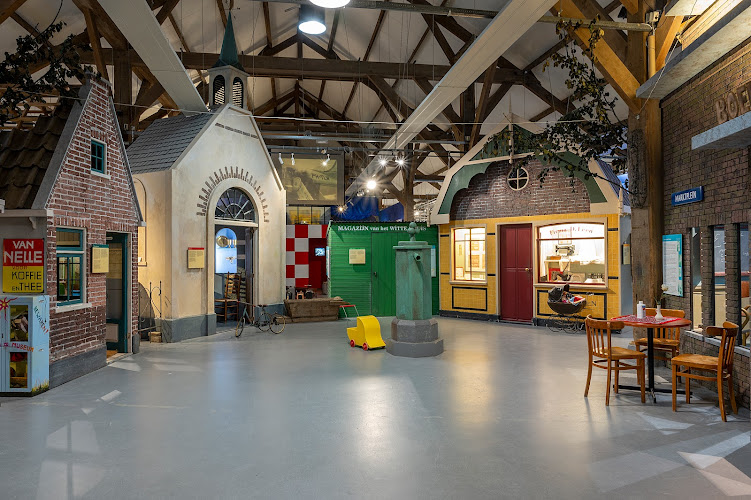
The Historisch Museum Haarlemmermeer is one of those places that sneaks up on you. At first glance, it looks like a small regional museum tucked away in Hoofddorp, but once inside, it opens up into a surprisingly rich and layered story about the land itself. This isn’t just another collection of old tools and faded photos (though you’ll find those too). It’s about the transformation of a massive lake into the fertile polder we see today, a feat of engineering and sheer Dutch determination.
What makes it stand out is how approachable it feels. Families with kids often find it a welcoming space because there are models, interactive displays, and even films that explain the history in a way that doesn’t feel like a lecture. And while the exhibits lean heavily on the 1800s reclamation of the Haarlemmermeer, they also touch on the human stories—farmers, pioneers, and ordinary people who made this land their home. I’ve always liked museums that balance the big picture with the small details, and this one does that well. Sure, not every corner is polished to perfection, but that’s part of the charm. It feels authentic, like the kind of place where you can slow down and really absorb the history without being rushed along.
The museum is housed in a former farm, which adds another layer of character. You’re not just walking through sterile galleries; you’re stepping into a building that itself is part of the region’s story. And while it’s not as flashy as some of the larger museums in Amsterdam, it has a warmth and sincerity that makes it memorable. For travelers who like to dig a little deeper into Dutch history beyond the canals and tulips, this spot is a hidden gem worth the detour.
Key Features
- Interactive models and maps showing the reclamation of Haarlemmermeer from lake to polder
- Kid-friendly exhibits with films and hands-on activities
- Historic artifacts, tools, and photographs from the 19th and 20th centuries
- Personal stories of the pioneering families who settled in the reclaimed land
- Wheelchair accessible facilities, including entrance, parking, and restrooms
- Free Wi-Fi available throughout the museum
- Set in a former farm building, adding authentic atmosphere to the visit
- Women-owned and community-focused institution
Best Time to Visit
If you’re the type of traveler who likes a bit of breathing room, weekdays are your best bet. The museum doesn’t usually get overwhelmed with crowds, but weekends can bring in more families, especially when the weather is rainy and people look for indoor activities. Spring and autumn, in my opinion, are the sweet spots. The weather is mild, and the surrounding polder landscape looks gorgeous—green fields stretching out forever or golden tones in the fall. Visiting in summer is fine too, but you might find the indoor exhibits a little warm if it’s a hot day, since it’s an older building. Winter has its charm, though; the history of battling water and reclaiming land somehow feels more dramatic when the skies are gray and heavy.
How to Get There
Reaching the Historisch Museum Haarlemmermeer is relatively straightforward. If you’re coming from Amsterdam, it’s just a short trip by train or bus to Hoofddorp, followed by a local bus or a quick taxi ride. For those driving, there’s parking nearby, and the roads are easy to navigate. Personally, I’d recommend public transport if you’re not used to Dutch driving and roundabouts—it saves the hassle. But for families with kids or anyone who likes the freedom of a car, driving is convenient. And if you’re already visiting the nearby Cruquius Museum, it makes sense to combine the two in one day since they complement each other perfectly.
Tips for Visiting
Here are a few things I wish I’d known before my first visit. First, plan at least an hour and a half, maybe two, if you really want to dive into the details. The museum isn’t massive, but there’s more to read and see than you might expect. Second, while there isn’t a restaurant on-site, you’ll find places to eat in Hoofddorp, so don’t come hungry unless you’ve packed a snack. Third, bring your curiosity. The museum rewards those who take the time to look closely at the maps and models—you start to appreciate just how monumental the reclamation project was.
If you’re traveling with children, prepare for questions, lots of them. The exhibits are designed to spark curiosity, and kids often get fascinated by the idea of an entire lake disappearing. And yes, the staff are friendly and happy to explain things, so don’t be shy about asking. One small tip: check the schedule before you go, as the museum sometimes runs special events or themed days, which can make the visit even more engaging.
Lastly, don’t expect glitz and glamour. This isn’t a blockbuster museum with flashy tech everywhere. It’s more personal, more grounded. And honestly, that’s what makes it worth your time. If you’re the kind of traveler who enjoys peeling back the layers of a place and discovering how people shaped the land, you’ll walk out with a deeper appreciation of Haarlemmermeer and maybe even a new perspective on Dutch history.
Key Features
- Interactive models and maps showing the reclamation of Haarlemmermeer from lake to polder
- Kid-friendly exhibits with films and hands-on activities
- Historic artifacts, tools, and photographs from the 19th and 20th centuries
- Personal stories of the pioneering families who settled in the reclaimed land
- Wheelchair accessible facilities, including entrance, parking, and restrooms
- Free Wi-Fi available throughout the museum
- Set in a former farm building, adding authentic atmosphere to the visit
- Women-owned and community-focused institution
More Details
Updated September 8, 2025
Table of Contents
Description
The Historisch Museum Haarlemmermeer is one of those places that sneaks up on you. At first glance, it looks like a small regional museum tucked away in Hoofddorp, but once inside, it opens up into a surprisingly rich and layered story about the land itself. This isn’t just another collection of old tools and faded photos (though you’ll find those too). It’s about the transformation of a massive lake into the fertile polder we see today, a feat of engineering and sheer Dutch determination.
What makes it stand out is how approachable it feels. Families with kids often find it a welcoming space because there are models, interactive displays, and even films that explain the history in a way that doesn’t feel like a lecture. And while the exhibits lean heavily on the 1800s reclamation of the Haarlemmermeer, they also touch on the human stories—farmers, pioneers, and ordinary people who made this land their home. I’ve always liked museums that balance the big picture with the small details, and this one does that well. Sure, not every corner is polished to perfection, but that’s part of the charm. It feels authentic, like the kind of place where you can slow down and really absorb the history without being rushed along.
The museum is housed in a former farm, which adds another layer of character. You’re not just walking through sterile galleries; you’re stepping into a building that itself is part of the region’s story. And while it’s not as flashy as some of the larger museums in Amsterdam, it has a warmth and sincerity that makes it memorable. For travelers who like to dig a little deeper into Dutch history beyond the canals and tulips, this spot is a hidden gem worth the detour.
Key Features
- Interactive models and maps showing the reclamation of Haarlemmermeer from lake to polder
- Kid-friendly exhibits with films and hands-on activities
- Historic artifacts, tools, and photographs from the 19th and 20th centuries
- Personal stories of the pioneering families who settled in the reclaimed land
- Wheelchair accessible facilities, including entrance, parking, and restrooms
- Free Wi-Fi available throughout the museum
- Set in a former farm building, adding authentic atmosphere to the visit
- Women-owned and community-focused institution
Best Time to Visit
If you’re the type of traveler who likes a bit of breathing room, weekdays are your best bet. The museum doesn’t usually get overwhelmed with crowds, but weekends can bring in more families, especially when the weather is rainy and people look for indoor activities. Spring and autumn, in my opinion, are the sweet spots. The weather is mild, and the surrounding polder landscape looks gorgeous—green fields stretching out forever or golden tones in the fall. Visiting in summer is fine too, but you might find the indoor exhibits a little warm if it’s a hot day, since it’s an older building. Winter has its charm, though; the history of battling water and reclaiming land somehow feels more dramatic when the skies are gray and heavy.
How to Get There
Reaching the Historisch Museum Haarlemmermeer is relatively straightforward. If you’re coming from Amsterdam, it’s just a short trip by train or bus to Hoofddorp, followed by a local bus or a quick taxi ride. For those driving, there’s parking nearby, and the roads are easy to navigate. Personally, I’d recommend public transport if you’re not used to Dutch driving and roundabouts—it saves the hassle. But for families with kids or anyone who likes the freedom of a car, driving is convenient. And if you’re already visiting the nearby Cruquius Museum, it makes sense to combine the two in one day since they complement each other perfectly.
Tips for Visiting
Here are a few things I wish I’d known before my first visit. First, plan at least an hour and a half, maybe two, if you really want to dive into the details. The museum isn’t massive, but there’s more to read and see than you might expect. Second, while there isn’t a restaurant on-site, you’ll find places to eat in Hoofddorp, so don’t come hungry unless you’ve packed a snack. Third, bring your curiosity. The museum rewards those who take the time to look closely at the maps and models—you start to appreciate just how monumental the reclamation project was.
If you’re traveling with children, prepare for questions, lots of them. The exhibits are designed to spark curiosity, and kids often get fascinated by the idea of an entire lake disappearing. And yes, the staff are friendly and happy to explain things, so don’t be shy about asking. One small tip: check the schedule before you go, as the museum sometimes runs special events or themed days, which can make the visit even more engaging.
Lastly, don’t expect glitz and glamour. This isn’t a blockbuster museum with flashy tech everywhere. It’s more personal, more grounded. And honestly, that’s what makes it worth your time. If you’re the kind of traveler who enjoys peeling back the layers of a place and discovering how people shaped the land, you’ll walk out with a deeper appreciation of Haarlemmermeer and maybe even a new perspective on Dutch history.
Key Highlights
- Interactive models and maps showing the reclamation of Haarlemmermeer from lake to polder
- Kid-friendly exhibits with films and hands-on activities
- Historic artifacts, tools, and photographs from the 19th and 20th centuries
- Personal stories of the pioneering families who settled in the reclaimed land
- Wheelchair accessible facilities, including entrance, parking, and restrooms
- Free Wi-Fi available throughout the museum
- Set in a former farm building, adding authentic atmosphere to the visit
- Women-owned and community-focused institution
Location
Places to Stay Near Historisch Museum Haarlemmermeer
Find and Book a Tour
Explore More Travel Guides
No reviews found! Be the first to review!
Traveler Reviews for Historisch Museum Haarlemmermeer
There are no reviews yet. Be the first one to write one.
Have you visited Historisch Museum Haarlemmermeer? Help other travelers by sharing your review.
Find Accommodations Nearby
Recommended Tours & Activities
Visitor Reviews
There are no reviews yet. Be the first one to write one.
Share Your Experience
Have you visited Historisch Museum Haarlemmermeer? Help other travelers by leaving a review.