
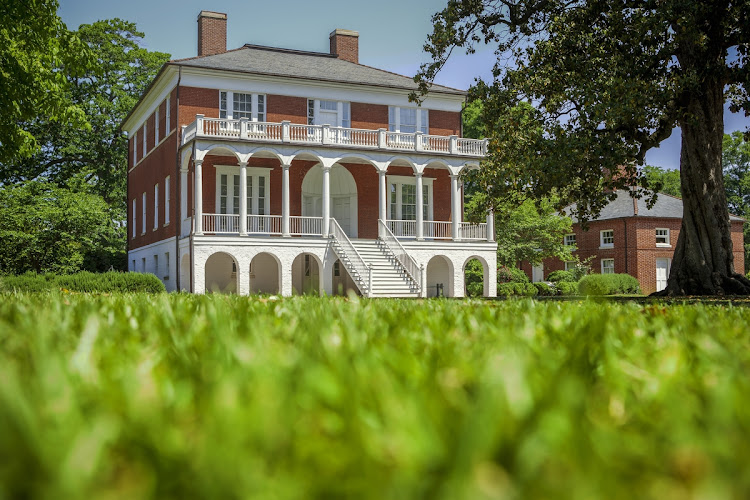
Historic Columbia
About Historic Columbia
Description
Historic Columbia offers travelers a remarkable journey through South Carolina's rich past, and honestly, it's one of those places that exceeded my expectations when I first visited a few years back. This isn't just another dusty old museum where you shuffle past roped-off furniture – it's actually a collection of historic houses and properties that together tell the story of Columbia's evolution from antebellum days through Reconstruction and beyond. The museum complex manages multiple historic properties throughout the city, each with its own unique character and story to share. When you walk through these preserved homes and gardens, you're stepping into spaces where real people lived, worked, and made history. And what struck me most was how the staff manages to make these old houses feel alive rather than like preserved time capsules. What really sets Historic Columbia apart is its commitment to telling complete stories – not just the sanitized versions we often get at historic sites. They tackle difficult subjects and acknowledge the full spectrum of people who built and maintained these properties, including enslaved individuals whose labor made much of this history possible. That kind of honesty in historical interpretation has become increasingly important to modern travelers who want authentic experiences. The properties serve multiple purposes too. Beyond operating as museums, these spaces host events, weddings, and educational programs throughout the year. I remember stumbling upon a living history demonstration during one visit, and the interpreter was so knowledgeable that I ended up staying for an extra hour just asking questions. These kinds of unexpected moments make visiting Historic Columbia feel more like an adventure than a typical museum trip.Key Features
Historic Columbia provides visitors with an impressive array of experiences across its properties:- Multiple historic house museums showcasing different architectural periods and social histories from the 18th and 19th centuries
- Beautifully maintained period gardens that demonstrate historical landscaping practices and provide peaceful spaces for reflection
- Guided tours led by knowledgeable staff and volunteers who bring history to life with engaging storytelling and detailed historical context
- Wheelchair accessible entrances and parking lots making the site welcoming for visitors with mobility considerations
- Educational programs and exhibits that explore Columbia's role in state and national history, including Civil War and Reconstruction era events
- Special event programming throughout the year featuring holiday celebrations, craft demonstrations, and living history presentations
- Wedding and private event venue options within the historic properties, offering unique backdrops for special occasions
- Active military discounts recognizing service members and their families
- Family-friendly programming designed to engage children with history through interactive experiences
- Gender-neutral restroom facilities and modern amenities including WiFi access for visitor convenience
- Free street parking available in the surrounding neighborhoods, making access convenient and budget-friendly
- Research opportunities for those interested in diving deeper into local and family history through the historical society's archives
Best Time to Visit
Timing your visit to Historic Columbia can really enhance your experience, and I've learned this through both good and not-so-great timing on my part. Spring, particularly March through May, is absolutely gorgeous when the gardens are in full bloom. The azaleas and other flowering plants create this incredible backdrop for the historic properties, and temperatures are comfortable for walking between buildings. Fall, especially October and November, ranks as another prime visiting season. The weather cooperates beautifully – not too hot, not too cold – and the autumn foliage adds warmth to the already charming historic architecture. Plus, Historic Columbia typically offers special programming around Halloween and the holiday season that adds extra dimension to your visit. Summer can be challenging due to South Carolina's notorious heat and humidity. But if summer's your only option, try visiting in the mornings when it's cooler, or take advantage of the air-conditioned interiors of the historic houses. The staff keeps things comfortable inside, even if the walk between properties might leave you a bit sweaty. Winter months see fewer crowds, which some travelers actually prefer. You'll get more personalized attention from tour guides, and there's something almost magical about seeing these historic homes decorated for Christmas if you visit in December. Just keep in mind that some outdoor activities and garden tours might be less appealing when temperatures drop. Weekdays generally offer a more relaxed experience than weekends, particularly during tourist season. And if you're interested in special events – living history demonstrations, lecture series, or themed tours – check the calendar before planning your trip because these programs can significantly enhance what you'll get out of your visit.How to Get There
Getting to Historic Columbia's properties is straightforward, though you'll want to plan ahead since the organization manages several locations throughout downtown Columbia. Most of the main properties cluster in the historic downtown area, which makes exploring on foot entirely feasible if you're staying nearby. If you're driving into Columbia, the city sits at the intersection of several major highways. Interstate 26 and Interstate 77 both pass through, making access convenient from Charlotte, Charleston, or other regional cities. Once you're in downtown Columbia, navigation becomes pretty simple with most streets laid out in a grid pattern. Free street parking is available around the historic properties, which honestly is a huge plus when many attractions nickel-and-dime you for parking. You might need to circle the block once or twice during busy periods, but I've never had serious trouble finding a spot within reasonable walking distance. For travelers flying in, Columbia Metropolitan Airport lies about 10 miles southwest of downtown. Rental cars are available at the airport, and that's probably your best bet for maximum flexibility. Ride-sharing services like Uber and Lyft operate in Columbia too, offering another option if you don't want to deal with a rental car. Public transportation exists through the COMET bus system, though like many mid-sized Southern cities, Columbia is more car-friendly than transit-oriented. If you're relying on buses, you'll want to research routes carefully in advance. The downtown location makes Historic Columbia easily combinable with other Columbia attractions. You could easily spend a morning at the State House, grab lunch at one of the local restaurants, then spend your afternoon touring historic properties – it all flows together nicely in terms of geography.Tips for Visiting
After visiting Historic Columbia multiple times, I've picked up some insider knowledge that'll help you maximize your experience. First off, purchase your tickets in advance if you're visiting during peak season or for special events. While walk-ups are welcome, having tickets squared away means you won't miss out on popular tour times. Wear comfortable walking shoes – this is non-negotiable. You'll be walking between properties, standing during tours, and potentially navigating uneven historic flooring and outdoor paths. Those cute sandals might look great in photos, but your feet will hate you by afternoon. Tour times are scheduled throughout the day, but they're not continuous. When you arrive, ask about the full schedule so you can plan your time efficiently rather than ending up with awkward gaps between tours. And honestly? Don't try to cram everything into one visit if you're feeling rushed. It's better to thoroughly enjoy two or three properties than to race through everything. Bring a water bottle, especially during warmer months. While restrooms and water fountains are available, having water on hand keeps you comfortable between buildings. The properties have WiFi if you need it, but I'd encourage putting your phone away during tours – these guides share incredible details that deserve your full attention. Photography is generally permitted in most areas, but ask before snapping photos during tours. Some rooms have restrictions due to preservation concerns or out of respect for the historic nature of certain spaces. If you're traveling with kids, ask about family-friendly programming or scavenger hunt activities. The staff genuinely cares about engaging young visitors, and they've developed programs specifically to keep children interested rather than bored. My nephew actually asked to come back after his first visit, which is saying something for a ten-year-old. The admission fee is reasonable considering what you get access to, but military families should definitely take advantage of those active duty discounts. Every bit helps when you're traveling. Consider timing your visit to coincide with special events or living history days. These programs happen periodically throughout the year and offer experiences you simply can't get during regular visiting hours – I'm talking about costumed interpreters, craft demonstrations, and sometimes even food tastings of historic recipes. Don't hesitate to ask questions during your tour. The guides and staff are genuinely passionate about this history, and they love when visitors engage beyond just passive listening. Some of my most memorable moments came from conversations that started with a simple question. Finally, plan some time to simply sit in the gardens if weather permits. These spaces offer peaceful reflection opportunities and help you process everything you've learned. History can feel overwhelming sometimes, and those garden benches provide perfect spots to decompress before heading back into the modern world.Key Features
- Multiple historic house museums showcasing different architectural periods and social histories from the 18th and 19th centuries
- Beautifully maintained period gardens that demonstrate historical landscaping practices and provide peaceful spaces for reflection
- Guided tours led by knowledgeable staff and volunteers who bring history to life with engaging storytelling and detailed historical context
- Wheelchair accessible entrances and parking lots making the site welcoming for visitors with mobility considerations
- Educational programs and exhibits that explore Columbia's role in state and national history, including Civil War and Reconstruction era events
- Special event programming throughout the year featuring holiday celebrations, craft demonstrations, and living history presentations
- Wedding and private event venue options within the historic properties, offering unique backdrops for special occasions
- Active military discounts recognizing service members and their families
More Details
Updated March 30, 2026
Table of Contents
Description
Historic Columbia offers travelers a remarkable journey through South Carolina’s rich past, and honestly, it’s one of those places that exceeded my expectations when I first visited a few years back. This isn’t just another dusty old museum where you shuffle past roped-off furniture – it’s actually a collection of historic houses and properties that together tell the story of Columbia’s evolution from antebellum days through Reconstruction and beyond.
The museum complex manages multiple historic properties throughout the city, each with its own unique character and story to share. When you walk through these preserved homes and gardens, you’re stepping into spaces where real people lived, worked, and made history. And what struck me most was how the staff manages to make these old houses feel alive rather than like preserved time capsules.
What really sets Historic Columbia apart is its commitment to telling complete stories – not just the sanitized versions we often get at historic sites. They tackle difficult subjects and acknowledge the full spectrum of people who built and maintained these properties, including enslaved individuals whose labor made much of this history possible. That kind of honesty in historical interpretation has become increasingly important to modern travelers who want authentic experiences.
The properties serve multiple purposes too. Beyond operating as museums, these spaces host events, weddings, and educational programs throughout the year. I remember stumbling upon a living history demonstration during one visit, and the interpreter was so knowledgeable that I ended up staying for an extra hour just asking questions. These kinds of unexpected moments make visiting Historic Columbia feel more like an adventure than a typical museum trip.
Key Features
Historic Columbia provides visitors with an impressive array of experiences across its properties:
- Multiple historic house museums showcasing different architectural periods and social histories from the 18th and 19th centuries
- Beautifully maintained period gardens that demonstrate historical landscaping practices and provide peaceful spaces for reflection
- Guided tours led by knowledgeable staff and volunteers who bring history to life with engaging storytelling and detailed historical context
- Wheelchair accessible entrances and parking lots making the site welcoming for visitors with mobility considerations
- Educational programs and exhibits that explore Columbia’s role in state and national history, including Civil War and Reconstruction era events
- Special event programming throughout the year featuring holiday celebrations, craft demonstrations, and living history presentations
- Wedding and private event venue options within the historic properties, offering unique backdrops for special occasions
- Active military discounts recognizing service members and their families
- Family-friendly programming designed to engage children with history through interactive experiences
- Gender-neutral restroom facilities and modern amenities including WiFi access for visitor convenience
- Free street parking available in the surrounding neighborhoods, making access convenient and budget-friendly
- Research opportunities for those interested in diving deeper into local and family history through the historical society’s archives
Best Time to Visit
Timing your visit to Historic Columbia can really enhance your experience, and I’ve learned this through both good and not-so-great timing on my part. Spring, particularly March through May, is absolutely gorgeous when the gardens are in full bloom. The azaleas and other flowering plants create this incredible backdrop for the historic properties, and temperatures are comfortable for walking between buildings.
Fall, especially October and November, ranks as another prime visiting season. The weather cooperates beautifully – not too hot, not too cold – and the autumn foliage adds warmth to the already charming historic architecture. Plus, Historic Columbia typically offers special programming around Halloween and the holiday season that adds extra dimension to your visit.
Summer can be challenging due to South Carolina’s notorious heat and humidity. But if summer’s your only option, try visiting in the mornings when it’s cooler, or take advantage of the air-conditioned interiors of the historic houses. The staff keeps things comfortable inside, even if the walk between properties might leave you a bit sweaty.
Winter months see fewer crowds, which some travelers actually prefer. You’ll get more personalized attention from tour guides, and there’s something almost magical about seeing these historic homes decorated for Christmas if you visit in December. Just keep in mind that some outdoor activities and garden tours might be less appealing when temperatures drop.
Weekdays generally offer a more relaxed experience than weekends, particularly during tourist season. And if you’re interested in special events – living history demonstrations, lecture series, or themed tours – check the calendar before planning your trip because these programs can significantly enhance what you’ll get out of your visit.
How to Get There
Getting to Historic Columbia’s properties is straightforward, though you’ll want to plan ahead since the organization manages several locations throughout downtown Columbia. Most of the main properties cluster in the historic downtown area, which makes exploring on foot entirely feasible if you’re staying nearby.
If you’re driving into Columbia, the city sits at the intersection of several major highways. Interstate 26 and Interstate 77 both pass through, making access convenient from Charlotte, Charleston, or other regional cities. Once you’re in downtown Columbia, navigation becomes pretty simple with most streets laid out in a grid pattern.
Free street parking is available around the historic properties, which honestly is a huge plus when many attractions nickel-and-dime you for parking. You might need to circle the block once or twice during busy periods, but I’ve never had serious trouble finding a spot within reasonable walking distance.
For travelers flying in, Columbia Metropolitan Airport lies about 10 miles southwest of downtown. Rental cars are available at the airport, and that’s probably your best bet for maximum flexibility. Ride-sharing services like Uber and Lyft operate in Columbia too, offering another option if you don’t want to deal with a rental car.
Public transportation exists through the COMET bus system, though like many mid-sized Southern cities, Columbia is more car-friendly than transit-oriented. If you’re relying on buses, you’ll want to research routes carefully in advance.
The downtown location makes Historic Columbia easily combinable with other Columbia attractions. You could easily spend a morning at the State House, grab lunch at one of the local restaurants, then spend your afternoon touring historic properties – it all flows together nicely in terms of geography.
Tips for Visiting
After visiting Historic Columbia multiple times, I’ve picked up some insider knowledge that’ll help you maximize your experience. First off, purchase your tickets in advance if you’re visiting during peak season or for special events. While walk-ups are welcome, having tickets squared away means you won’t miss out on popular tour times.
Wear comfortable walking shoes – this is non-negotiable. You’ll be walking between properties, standing during tours, and potentially navigating uneven historic flooring and outdoor paths. Those cute sandals might look great in photos, but your feet will hate you by afternoon.
Tour times are scheduled throughout the day, but they’re not continuous. When you arrive, ask about the full schedule so you can plan your time efficiently rather than ending up with awkward gaps between tours. And honestly? Don’t try to cram everything into one visit if you’re feeling rushed. It’s better to thoroughly enjoy two or three properties than to race through everything.
Bring a water bottle, especially during warmer months. While restrooms and water fountains are available, having water on hand keeps you comfortable between buildings. The properties have WiFi if you need it, but I’d encourage putting your phone away during tours – these guides share incredible details that deserve your full attention.
Photography is generally permitted in most areas, but ask before snapping photos during tours. Some rooms have restrictions due to preservation concerns or out of respect for the historic nature of certain spaces.
If you’re traveling with kids, ask about family-friendly programming or scavenger hunt activities. The staff genuinely cares about engaging young visitors, and they’ve developed programs specifically to keep children interested rather than bored. My nephew actually asked to come back after his first visit, which is saying something for a ten-year-old.
The admission fee is reasonable considering what you get access to, but military families should definitely take advantage of those active duty discounts. Every bit helps when you’re traveling.
Consider timing your visit to coincide with special events or living history days. These programs happen periodically throughout the year and offer experiences you simply can’t get during regular visiting hours – I’m talking about costumed interpreters, craft demonstrations, and sometimes even food tastings of historic recipes.
Don’t hesitate to ask questions during your tour. The guides and staff are genuinely passionate about this history, and they love when visitors engage beyond just passive listening. Some of my most memorable moments came from conversations that started with a simple question.
Finally, plan some time to simply sit in the gardens if weather permits. These spaces offer peaceful reflection opportunities and help you process everything you’ve learned. History can feel overwhelming sometimes, and those garden benches provide perfect spots to decompress before heading back into the modern world.
Key Highlights
- Multiple historic house museums showcasing different architectural periods and social histories from the 18th and 19th centuries
- Beautifully maintained period gardens that demonstrate historical landscaping practices and provide peaceful spaces for reflection
- Guided tours led by knowledgeable staff and volunteers who bring history to life with engaging storytelling and detailed historical context
- Wheelchair accessible entrances and parking lots making the site welcoming for visitors with mobility considerations
- Educational programs and exhibits that explore Columbia's role in state and national history, including Civil War and Reconstruction era events
- Special event programming throughout the year featuring holiday celebrations, craft demonstrations, and living history presentations
- Wedding and private event venue options within the historic properties, offering unique backdrops for special occasions
- Active military discounts recognizing service members and their families
Location
Places to Stay Near Historic Columbia
Find and Book a Tour
Explore More Travel Guides
No reviews found! Be the first to review!
Historic Columbia is a prominent museums located in Columbia.
Visit us at: 1601 Richland St, Columbia, SC 29201, United States.
Traveler Reviews for Historic Columbia
There are no reviews yet. Be the first one to write one.
Have you visited Historic Columbia? Help other travelers by sharing your review.
You Might Also Like
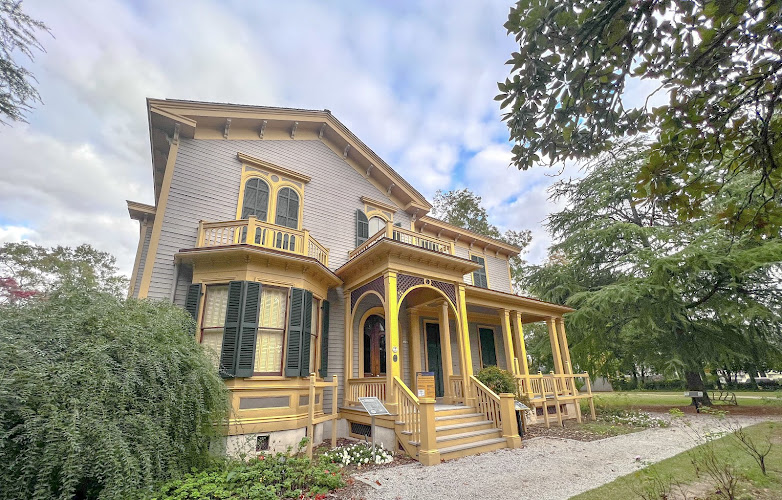
The Museum of Reconstruction Era at Woodrow Wilson Family Home
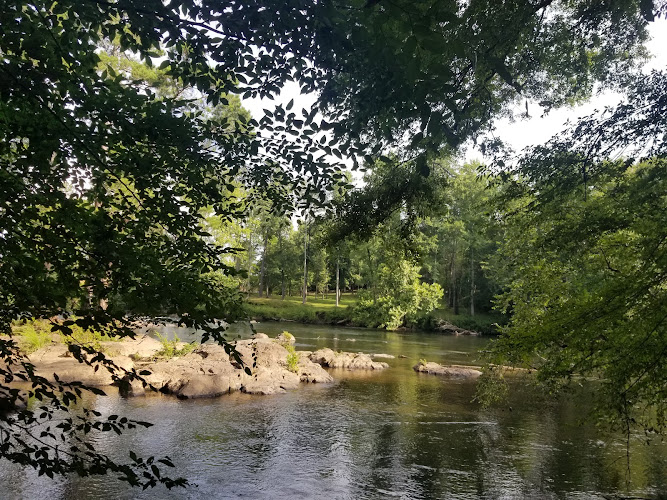
Saluda Shoals Park

Harbison State Forest
Find Accommodations Nearby
Recommended Tours & Activities
Visitor Reviews
There are no reviews yet. Be the first one to write one.
Share Your Experience
Have you visited Historic Columbia? Help other travelers by leaving a review.