
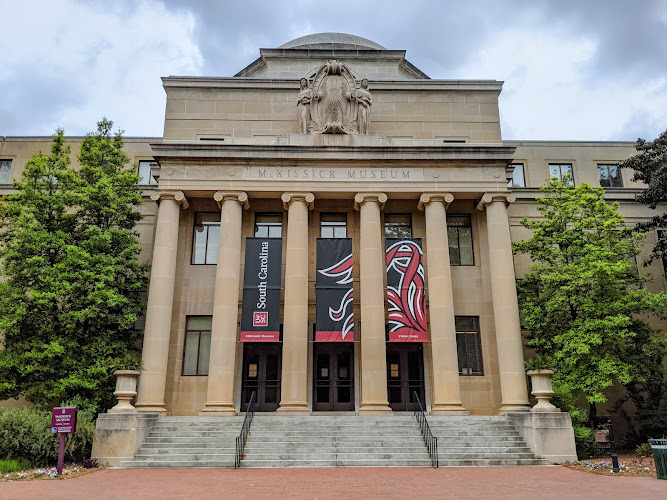
McKissick Museum
About McKissick Museum
Description
The McKissick Museum stands as one of South Carolina's most engaging cultural institutions, offering travelers an authentic window into the American South's rich tapestry of stories, traditions, and artistic expressions. Located on the University of South Carolina campus, this college-affiliated museum has been collecting, preserving, and showcasing regional heritage for decades, making it an essential stop for anyone wanting to understand what makes this corner of the country truly special. What strikes most visitors first is how the museum manages to feel both academic and accessible at the same time. You won't find stuffy displays here that talk down to you or require an advanced degree to appreciate. Instead, the exhibitions blend scholarly research with storytelling that actually connects with real people who just want to learn something interesting during their travels. And honestly, that's refreshing in a world where some museums seem more interested in impressing other academics than engaging with curious visitors. The museum's focus on Southern culture and geography goes way beyond what you might expect. We're not just talking about Civil War artifacts and plantation history here, though those elements certainly have their place in understanding the region. The McKissick digs deeper into the everyday lives, artistic achievements, and diverse communities that have shaped the South over centuries. From folk art traditions that have been passed down through generations to contemporary exhibitions that challenge preconceptions about what Southern culture means today, the museum offers perspectives you probably haven't encountered before. One thing I've always appreciated about regional museums like this is how they preserve stories that might otherwise disappear. The McKissick takes this responsibility seriously, serving as both a research facility for scholars and an educational resource for the general public. But they manage to do this without being boring, which is no small feat.Key Features
The McKissick Museum delivers several standout features that make it worth adding to your South Carolina itinerary: • Rotating exhibitions that explore different aspects of Southern culture, from traditional crafts to contemporary art movements, ensuring that repeat visitors always find something new to discover • Collections featuring historic textiles, ceramics, and folk art that showcase the incredible craftsmanship and artistic traditions developed across the region over generations • Educational displays about Southern geography that help visitors understand how the landscape itself shaped the cultures and communities that developed here • Special exhibitions focusing on South Carolina's unique contributions to American culture, including everything from music traditions to agricultural innovations • Accessibility features throughout the facility, including wheelchair-accessible entrances, parking, and restrooms, making the museum welcoming for all travelers regardless of mobility considerations • Family-friendly exhibitions designed to engage younger visitors while still offering depth for adults, making it an excellent choice for multi-generational travel groups • Climate-controlled galleries that protect delicate artifacts while providing comfortable viewing conditions year-round • Regular programming including lectures, workshops, and special events that offer deeper dives into specific topics for those who want to extend their learning beyond a basic visit • Archival collections available for researchers and serious history enthusiasts who want to explore primary sources • Restroom facilities on-site, because let's be honest, that matters more than guidebooks usually admitBest Time to Visit
Planning when to visit the McKissick Museum requires thinking about a few different factors, and honestly, there isn't really a "bad" time to go. Since it's primarily an indoor attraction, weather concerns that might affect outdoor activities don't really apply here. But there are definitely some considerations that might make your visit more enjoyable depending on what you're looking for. The academic calendar plays a bigger role than you might initially think. During the fall and spring semesters, the campus buzzes with student activity, which adds a certain energy to the area. You'll find more dining options open, easier parking validation at nearby facilities, and generally more life around the museum. Some visitors really enjoy being part of that collegiate atmosphere, while others find it a bit too hectic for their taste. Summer months tend to be quieter on campus, which means fewer crowds at the museum itself. If you prefer a more contemplative museum experience where you can really take your time with exhibits without feeling rushed by other visitors, summer visits might appeal to you. However, South Carolina summers are notoriously hot and humid, so you'll appreciate that air-conditioned museum environment even more. Weekday mornings typically offer the most peaceful viewing conditions, especially during the academic year when most students are in class. I've found that arriving right when they open gives you a good hour or two before any school groups or afternoon visitors arrive. Special exhibitions often debut during the academic year, so checking their schedule before planning your trip makes sense. Some of their most interesting temporary exhibitions coincide with university events or regional festivals, offering opportunities to experience the museum as part of a broader cultural experience. Winter visits have their own charm too. The campus takes on a quieter, more reflective quality, and you'll likely have galleries nearly to yourself. Plus, if you're traveling during the holidays, the museum provides a cultural alternative to shopping and commercial attractions.How to Get There
Getting to the McKissick Museum is relatively straightforward, though navigating a college campus always requires a bit more attention than finding a standalone attraction. The museum sits on the historic Horseshoe area of the University of South Carolina campus, which is actually one of the prettiest parts of the grounds with its massive oak trees and historic buildings. For travelers driving to Columbia, the museum is located in the heart of the downtown campus area. GPS will generally get you to the right vicinity, though parking requires some strategy. The university operates several parking facilities nearby, and visitors can typically use these lots for a small fee. Some metered street parking exists around the campus perimeter, but availability varies significantly depending on when you visit. During the academic year, parking gets competitive, especially mid-morning through early afternoon. If you're staying in downtown Columbia, walking to the museum is actually quite pleasant and takes only about 10-15 minutes from most hotels. The campus itself is worth exploring on foot anyway, so combining your museum visit with a campus walk makes good sense. Just wear comfortable shoes because you'll be covering some distance. The Columbia Metropolitan Airport sits about 10 miles from campus, making the museum accessible for travelers flying into the region. Rideshare services operate throughout the area and provide convenient direct transport to the museum. Taxi services work too, though they're sometimes harder to find than rideshare options. For those relying on public transportation, the city's bus system serves the university area with several routes. The COMET bus system isn't as extensive as what you'd find in larger cities, but it gets the job done for reaching major destinations like the university. Once you arrive on campus, the McKissick Museum building itself is pretty recognizable, and campus maps posted throughout the grounds help orient visitors. Don't be shy about asking students for directions either – most are surprisingly helpful and friendly toward confused-looking visitors wandering around campus.Tips for Visiting
Making the most of your McKissick Museum experience doesn't require elaborate planning, but a few practical tips can definitely enhance your visit. First off, don't rush through this place. I've seen too many travelers treat museums like checkboxes on an itinerary, spending 20 minutes doing a quick lap before heading out. The McKissick deserves at least an hour, preferably two if you're genuinely interested in Southern culture and history. Allow yourself to actually read the exhibition text. I know, I know – wall text in museums can sometimes be mind-numbing. But the curators here generally write in an engaging style that adds real context to what you're seeing. Those little details about where an artifact came from or how it was used often transform objects from "kind of interesting" to genuinely fascinating. Photography policies vary by exhibition, so check with staff when you arrive. Some temporary exhibits restrict photography to protect artists' rights or preserve light-sensitive materials. But when photos are allowed, take advantage of it. These exhibitions change regularly, so capturing images helps you remember what you saw and share discoveries with friends back home. The museum is free to visit, which honestly makes it one of the best values for cultural tourism in South Carolina. But because it's free and relatively small compared to major metropolitan museums, some travelers underestimate it. That would be a mistake. The quality of exhibitions here rivals much larger institutions, just in a more intimate setting. If you're traveling with children, the museum does accommodate young visitors, though it isn't specifically a children's museum. Setting appropriate expectations helps – this isn't a hands-on, interactive play space. But kids who can handle a traditional museum environment will find plenty to interest them, especially in exhibitions featuring folk art or material culture items they can relate to. Timing your visit around special events or programs can significantly enhance the experience. The museum hosts lectures, artist talks, and special programming that provide deeper context than self-guided visits alone. Check their event calendar before your trip and consider adjusting your schedule if something particularly interesting is happening. The restroom facilities are clean and well-maintained, which matters more than most travel guides acknowledge. There's no restaurant on-site, but the campus area offers numerous dining options within easy walking distance. Planning to grab lunch before or after your visit works better than trying to find food mid-visit. Wheelchair accessibility throughout the building means visitors with mobility considerations can access all public areas comfortably. The staff is also generally helpful if you need any accommodations or assistance navigating the space. Don't skip the gift shop if they have one open. Museum shops at academic institutions often carry unique items you won't find in typical tourist stores – books published by university presses, works by regional artists, and specialty items related to current exhibitions. Finally, approach your visit with genuine curiosity rather than preconceived notions about what Southern culture means. The McKissick's exhibitions often challenge stereotypes and present perspectives that might surprise you. Being open to learning something unexpected makes the experience far more rewarding than simply confirming what you already thought you knew.Key Features
- Key Features
- Best Time to Visit
- How to Get There
- Tips for Visiting
More Details
Updated March 30, 2026
Table of Contents
Description
The McKissick Museum stands as one of South Carolina’s most engaging cultural institutions, offering travelers an authentic window into the American South’s rich tapestry of stories, traditions, and artistic expressions. Located on the University of South Carolina campus, this college-affiliated museum has been collecting, preserving, and showcasing regional heritage for decades, making it an essential stop for anyone wanting to understand what makes this corner of the country truly special.
What strikes most visitors first is how the museum manages to feel both academic and accessible at the same time. You won’t find stuffy displays here that talk down to you or require an advanced degree to appreciate. Instead, the exhibitions blend scholarly research with storytelling that actually connects with real people who just want to learn something interesting during their travels. And honestly, that’s refreshing in a world where some museums seem more interested in impressing other academics than engaging with curious visitors.
The museum’s focus on Southern culture and geography goes way beyond what you might expect. We’re not just talking about Civil War artifacts and plantation history here, though those elements certainly have their place in understanding the region. The McKissick digs deeper into the everyday lives, artistic achievements, and diverse communities that have shaped the South over centuries. From folk art traditions that have been passed down through generations to contemporary exhibitions that challenge preconceptions about what Southern culture means today, the museum offers perspectives you probably haven’t encountered before.
One thing I’ve always appreciated about regional museums like this is how they preserve stories that might otherwise disappear. The McKissick takes this responsibility seriously, serving as both a research facility for scholars and an educational resource for the general public. But they manage to do this without being boring, which is no small feat.
Key Features
The McKissick Museum delivers several standout features that make it worth adding to your South Carolina itinerary:
• Rotating exhibitions that explore different aspects of Southern culture, from traditional crafts to contemporary art movements, ensuring that repeat visitors always find something new to discover
• Collections featuring historic textiles, ceramics, and folk art that showcase the incredible craftsmanship and artistic traditions developed across the region over generations
• Educational displays about Southern geography that help visitors understand how the landscape itself shaped the cultures and communities that developed here
• Special exhibitions focusing on South Carolina’s unique contributions to American culture, including everything from music traditions to agricultural innovations
• Accessibility features throughout the facility, including wheelchair-accessible entrances, parking, and restrooms, making the museum welcoming for all travelers regardless of mobility considerations
• Family-friendly exhibitions designed to engage younger visitors while still offering depth for adults, making it an excellent choice for multi-generational travel groups
• Climate-controlled galleries that protect delicate artifacts while providing comfortable viewing conditions year-round
• Regular programming including lectures, workshops, and special events that offer deeper dives into specific topics for those who want to extend their learning beyond a basic visit
• Archival collections available for researchers and serious history enthusiasts who want to explore primary sources
• Restroom facilities on-site, because let’s be honest, that matters more than guidebooks usually admit
Best Time to Visit
Planning when to visit the McKissick Museum requires thinking about a few different factors, and honestly, there isn’t really a “bad” time to go. Since it’s primarily an indoor attraction, weather concerns that might affect outdoor activities don’t really apply here. But there are definitely some considerations that might make your visit more enjoyable depending on what you’re looking for.
The academic calendar plays a bigger role than you might initially think. During the fall and spring semesters, the campus buzzes with student activity, which adds a certain energy to the area. You’ll find more dining options open, easier parking validation at nearby facilities, and generally more life around the museum. Some visitors really enjoy being part of that collegiate atmosphere, while others find it a bit too hectic for their taste.
Summer months tend to be quieter on campus, which means fewer crowds at the museum itself. If you prefer a more contemplative museum experience where you can really take your time with exhibits without feeling rushed by other visitors, summer visits might appeal to you. However, South Carolina summers are notoriously hot and humid, so you’ll appreciate that air-conditioned museum environment even more.
Weekday mornings typically offer the most peaceful viewing conditions, especially during the academic year when most students are in class. I’ve found that arriving right when they open gives you a good hour or two before any school groups or afternoon visitors arrive.
Special exhibitions often debut during the academic year, so checking their schedule before planning your trip makes sense. Some of their most interesting temporary exhibitions coincide with university events or regional festivals, offering opportunities to experience the museum as part of a broader cultural experience.
Winter visits have their own charm too. The campus takes on a quieter, more reflective quality, and you’ll likely have galleries nearly to yourself. Plus, if you’re traveling during the holidays, the museum provides a cultural alternative to shopping and commercial attractions.
How to Get There
Getting to the McKissick Museum is relatively straightforward, though navigating a college campus always requires a bit more attention than finding a standalone attraction. The museum sits on the historic Horseshoe area of the University of South Carolina campus, which is actually one of the prettiest parts of the grounds with its massive oak trees and historic buildings.
For travelers driving to Columbia, the museum is located in the heart of the downtown campus area. GPS will generally get you to the right vicinity, though parking requires some strategy. The university operates several parking facilities nearby, and visitors can typically use these lots for a small fee. Some metered street parking exists around the campus perimeter, but availability varies significantly depending on when you visit. During the academic year, parking gets competitive, especially mid-morning through early afternoon.
If you’re staying in downtown Columbia, walking to the museum is actually quite pleasant and takes only about 10-15 minutes from most hotels. The campus itself is worth exploring on foot anyway, so combining your museum visit with a campus walk makes good sense. Just wear comfortable shoes because you’ll be covering some distance.
The Columbia Metropolitan Airport sits about 10 miles from campus, making the museum accessible for travelers flying into the region. Rideshare services operate throughout the area and provide convenient direct transport to the museum. Taxi services work too, though they’re sometimes harder to find than rideshare options.
For those relying on public transportation, the city’s bus system serves the university area with several routes. The COMET bus system isn’t as extensive as what you’d find in larger cities, but it gets the job done for reaching major destinations like the university.
Once you arrive on campus, the McKissick Museum building itself is pretty recognizable, and campus maps posted throughout the grounds help orient visitors. Don’t be shy about asking students for directions either – most are surprisingly helpful and friendly toward confused-looking visitors wandering around campus.
Tips for Visiting
Making the most of your McKissick Museum experience doesn’t require elaborate planning, but a few practical tips can definitely enhance your visit. First off, don’t rush through this place. I’ve seen too many travelers treat museums like checkboxes on an itinerary, spending 20 minutes doing a quick lap before heading out. The McKissick deserves at least an hour, preferably two if you’re genuinely interested in Southern culture and history.
Allow yourself to actually read the exhibition text. I know, I know – wall text in museums can sometimes be mind-numbing. But the curators here generally write in an engaging style that adds real context to what you’re seeing. Those little details about where an artifact came from or how it was used often transform objects from “kind of interesting” to genuinely fascinating.
Photography policies vary by exhibition, so check with staff when you arrive. Some temporary exhibits restrict photography to protect artists’ rights or preserve light-sensitive materials. But when photos are allowed, take advantage of it. These exhibitions change regularly, so capturing images helps you remember what you saw and share discoveries with friends back home.
The museum is free to visit, which honestly makes it one of the best values for cultural tourism in South Carolina. But because it’s free and relatively small compared to major metropolitan museums, some travelers underestimate it. That would be a mistake. The quality of exhibitions here rivals much larger institutions, just in a more intimate setting.
If you’re traveling with children, the museum does accommodate young visitors, though it isn’t specifically a children’s museum. Setting appropriate expectations helps – this isn’t a hands-on, interactive play space. But kids who can handle a traditional museum environment will find plenty to interest them, especially in exhibitions featuring folk art or material culture items they can relate to.
Timing your visit around special events or programs can significantly enhance the experience. The museum hosts lectures, artist talks, and special programming that provide deeper context than self-guided visits alone. Check their event calendar before your trip and consider adjusting your schedule if something particularly interesting is happening.
The restroom facilities are clean and well-maintained, which matters more than most travel guides acknowledge. There’s no restaurant on-site, but the campus area offers numerous dining options within easy walking distance. Planning to grab lunch before or after your visit works better than trying to find food mid-visit.
Wheelchair accessibility throughout the building means visitors with mobility considerations can access all public areas comfortably. The staff is also generally helpful if you need any accommodations or assistance navigating the space.
Don’t skip the gift shop if they have one open. Museum shops at academic institutions often carry unique items you won’t find in typical tourist stores – books published by university presses, works by regional artists, and specialty items related to current exhibitions.
Finally, approach your visit with genuine curiosity rather than preconceived notions about what Southern culture means. The McKissick’s exhibitions often challenge stereotypes and present perspectives that might surprise you. Being open to learning something unexpected makes the experience far more rewarding than simply confirming what you already thought you knew.
Key Highlights
- Key Features
- Best Time to Visit
- How to Get There
- Tips for Visiting
Location
Places to Stay Near McKissick Museum
Find and Book a Tour
Explore More Travel Guides
No reviews found! Be the first to review!
McKissick Museum is a prominent museums located in Columbia.
Visit us at: 816 Bull St, Columbia, SC 29208.
Traveler Reviews for McKissick Museum
There are no reviews yet. Be the first one to write one.
Have you visited McKissick Museum? Help other travelers by sharing your review.
You Might Also Like

Hampton-Preston Mansion and Gardens

South Carolina State Museum

South Carolina Confederate Relic Room and Military Museum
Find Accommodations Nearby
Recommended Tours & Activities
Visitor Reviews
There are no reviews yet. Be the first one to write one.
Share Your Experience
Have you visited McKissick Museum? Help other travelers by leaving a review.