Park 4.6 Staten Island, United States of AmericaCommunity Guide

High Rock Park

High Rock Park
1,972 Photos

About & Overview

High Rock Park offers travelers something genuinely different from the typical urban park experience—it’s one of those places that makes you forget you’re still technically within city limits.

Highlights & Key Features

  • Key Features
  • Best Time to Visit
  • How to Get There
  • Tips for Visiting

Visitor Guide & Information

Description

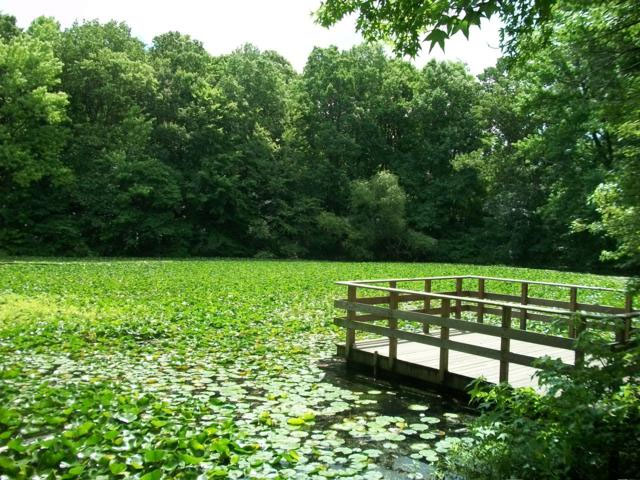
High Rock Park offers travelers something genuinely different from the typical urban park experience—it’s one of those places that makes you forget you’re still technically within city limits. The park sprawls across a surprisingly diverse landscape where ponds shimmer beside wetland ecosystems, and walking trails wind their way up to a hilltop that rewards your effort with sweeping panoramic views that’ll have you reaching for your camera more times than you’d planned.

I’ve always found that the best parks are the ones that manage to feel a bit wild, and High Rock Park definitely delivers on that front. The terrain here isn’t manicured to within an inch of its life—instead, you’ll find authentic natural features that create genuine ecological value. The wetlands alone support an impressive variety of wildlife that most visitors don’t expect to encounter so close to developed areas. And honestly? That element of surprise is part of what makes this destination special for travelers who’ve grown tired of cookie-cutter green spaces.

The park serves as an important natural preserve, which means the vegetation and wildlife here get to do their thing with minimal interference. You’ll notice this immediately when you start exploring the trails—the plant communities here reflect what this region looked like before urban development changed everything. For nature enthusiasts and travelers seeking authentic outdoor experiences, High Rock Park provides an opportunity to witness ecological processes that have become increasingly rare in metropolitan areas.

What really sets this place apart is the topographical variety. You’ve got lowland wetlands that transition into forested areas, which then climb toward elevated points offering those spectacular views I mentioned earlier. This vertical diversity creates microclimates throughout the park, meaning different sections can feel remarkably distinct from each other even though you’re technically in the same space.

Key Features

High Rock Park delivers several standout features that travelers should know about before visiting:

  • Panoramic hilltop views that stretch across the surrounding landscape—bring your camera because you’ll want to capture this perspective, especially during golden hour when the lighting turns everything magical
  • Multiple pond ecosystems that attract waterfowl and provide peaceful spots for contemplation or photography throughout different seasons
  • Extensive wetland areas that function as living classrooms for anyone interested in ecology—these aren’t just pretty to look at, they’re actively supporting biodiversity
  • Well-maintained walking trails that accommodate various fitness levels, from casual strollers to serious hikers looking for a solid workout
  • Wheelchair accessible entrance and parking ensuring that mobility challenges don’t prevent anyone from experiencing this natural space
  • Designated cycling lanes for visitors who prefer exploring on two wheels rather than two feet
  • Kid-friendly hiking options that make this park an excellent choice for families traveling with children who need outdoor time
  • Pet-friendly policies welcoming dogs, so your four-legged travel companion doesn’t have to miss out
  • Picnic facilities scattered throughout the park for travelers who want to pack a lunch and make an afternoon of it
  • Public restroom access because sometimes nature calls when you’re out in nature, and adequate facilities matter more than people usually admit

Best Time to Visit

Timing your visit to High Rock Park can significantly impact your experience, and I’ve learned through various outdoor adventures that seasonal considerations really do matter more than most travelers initially think.

Spring brings the park to life in spectacular fashion. From late April through early June, you’ll witness the landscape shaking off winter’s grip as wildflowers emerge and migratory birds return to the wetlands. The ponds become particularly active during this period, with amphibians adding their voices to the soundscape. But fair warning—spring also means mud season, so waterproof footwear becomes essential rather than optional.

Summer offers the longest daylight hours, which means more time for exploration. The canopy fills in completely during these months, providing shade along the forested trails that becomes genuinely appreciated when temperatures climb. Early morning visits during summer are absolutely worth setting your alarm for—the wildlife activity peaks before the heat sets in, and you’ll often have trails mostly to yourself. Late afternoon into evening also works beautifully, especially if you’re aiming to catch sunset from the hilltop viewpoint.

Fall might be my personal favorite season here, though I’ll admit I’m biased toward autumn colors. The foliage transformation typically peaks in mid to late October, turning the park into a patchwork of golds, oranges, and deep reds. The cooler temperatures make hiking more comfortable, and the reduced humidity creates crystal-clear conditions for those panoramic views. Weekday visits during fall are generally less crowded than weekends when leaf-peepers descend en masse.

Winter transforms High Rock Park into a completely different environment. The bare trees open up sightlines that remain hidden during other seasons, and if you catch the ponds after a freeze, the ice formations create their own visual interest. Snow cover reveals animal tracks and movement patterns that usually go unnoticed. Just know that winter visits require proper preparation—trails can become slippery, and the temperature drops more noticeably at elevation.

Weekday mornings generally offer the quietest experience regardless of season. Weekend afternoons attract local families and outdoor enthusiasts, which isn’t necessarily bad but does change the atmosphere from contemplative solitude to social recreation.

How to Get There

Getting to High Rock Park requires a bit more planning than just pulling up directions on your phone and hoping for the best—though that certainly works as a starting point.

For travelers with their own vehicle or a rental car, driving remains the most straightforward option. The park features accessible parking facilities designed to accommodate visitors with mobility needs, which isn’t always guaranteed at natural areas. Parking availability typically isn’t an issue on weekdays, but weekend visits during peak seasons might require arriving earlier than you’d prefer to secure a convenient spot.

Public transportation options exist for travelers without vehicle access, though the journey takes more time and requires some route planning. Local bus services run relatively close to the park entrances, but you’ll want to check current schedules since service frequency varies by day and time. I’ve found that transit apps provide more reliable real-time information than printed schedules, which tend to become outdated quickly.

Cycling to the park represents an increasingly popular option, especially for travelers staying in nearby areas. The approach routes include bike-friendly roads, and the park itself features designated cycling lanes once you arrive. Just be prepared for some elevation changes along the way—this isn’t pan-flat terrain, and you’ll earn those downhill coasting sections.

Ride-sharing services can drop travelers directly at park entrances, which works particularly well for one-way trips. You might hike in, enjoy the park thoroughly, and then call for pickup when you’re ready to leave rather than worrying about returning to a parked vehicle.

Tips for Visiting

High Rock Park rewards prepared travelers, so here’s what you actually need to know beyond the obvious “wear comfortable shoes” advice.

Footwear matters more here than at typical urban parks. The trails include unpaved sections that become muddy after rain, and the elevation changes mean your feet and ankles need proper support. I learned this the hard way during an early visit when I foolishly wore flat canvas sneakers—my feet reminded me of that mistake for days afterward. Hiking boots or substantial trail runners make the experience considerably more enjoyable.

Bring more water than seems reasonable. The hill climbs are legitimately challenging if you’re not accustomed to elevation changes, and staying hydrated makes everything easier. There’s nothing worse than being thirsty halfway up a hill with no water source in sight.

Bug spray becomes essential during warmer months, particularly if you’re spending time near the wetlands and ponds. Mosquitoes consider these areas prime real estate, and they’re not shy about sharing space with human visitors. Late spring and early summer represent peak bug season—prepare accordingly or suffer the consequences of becoming a walking buffet.

Binoculars significantly enhance the experience for anyone interested in bird watching or wildlife observation. The park supports diverse species, but many remain at distances where unaided observation misses important details. Even compact binoculars transform what you’ll notice and appreciate.

Pack out everything you pack in—this should go without saying, but trash receptacles in natural areas sometimes overflow, and leaving waste behind damages the ecological systems that make this park special. Bring a small bag for your trash and dispose of it properly elsewhere if needed.

Photography enthusiasts should time visits around lighting conditions. That panoramic hilltop view looks dramatically different depending on sun position and weather conditions. Overcast days actually work beautifully for wetland photography since harsh shadows disappear, while clear mornings and evenings provide that coveted golden light for landscapes.

Leashed dogs are welcome, but remember that leash rules exist for good reasons. Wildlife in the park includes ground-nesting birds and small mammals that vulnerable to disturbance. Plus, not every park visitor is comfortable around off-leash dogs, regardless of how friendly your pet might be.

Check weather conditions before visiting and have a backup plan for severe weather. The hilltop area becomes genuinely dangerous during thunderstorms—elevation and isolated trees create lightning risk that shouldn’t be ignored. If you hear thunder, descend immediately rather than trying to tough it out for better photos.

The park’s natural character means cell service can be spotty in certain areas. Download offline maps before arriving, and let someone know your plans if you’re visiting alone. Most trails are well-marked, but having navigation backup prevents minor wrong turns from becoming frustrating ordeals.

Families with young children should start with the easier, lower elevation trails before attempting the hill climb. The kid-friendly options provide plenty of interest without demanding endurance that small legs simply don’t have yet. Successful early experiences in natural spaces create enthusiasm for future outdoor adventures.

Seasonal allergies sufferers should plan accordingly—the diverse plant communities here produce plenty of pollen during spring and early summer. Antihistamines might make the difference between enjoying your visit and spending the whole time sneezing miserably.

Finally, permit yourself to slow down and actually experience the park rather than just checking it off a list. High Rock Park offers something increasingly rare in modern travel—genuine natural spaces where ecological processes haven’t been completely sanitized for visitor convenience. The ponds, wetlands, trails, and hilltop views deserve more than a rushed walk-through between other scheduled activities.

Community & Insider Notes

Last modified March 30, 2026

Description

High Rock Park offers travelers something genuinely different from the typical urban park experience—it’s one of those places that makes you forget you’re still technically within city limits. The park sprawls across a surprisingly diverse landscape where ponds shimmer beside wetland ecosystems, and walking trails wind their way up to a hilltop that rewards your effort with sweeping panoramic views that’ll have you reaching for your camera more times than you’d planned.

I’ve always found that the best parks are the ones that manage to feel a bit wild, and High Rock Park definitely delivers on that front. The terrain here isn’t manicured to within an inch of its life—instead, you’ll find authentic natural features that create genuine ecological value. The wetlands alone support an impressive variety of wildlife that most visitors don’t expect to encounter so close to developed areas. And honestly? That element of surprise is part of what makes this destination special for travelers who’ve grown tired of cookie-cutter green spaces.

The park serves as an important natural preserve, which means the vegetation and wildlife here get to do their thing with minimal interference. You’ll notice this immediately when you start exploring the trails—the plant communities here reflect what this region looked like before urban development changed everything. For nature enthusiasts and travelers seeking authentic outdoor experiences, High Rock Park provides an opportunity to witness ecological processes that have become increasingly rare in metropolitan areas.

What really sets this place apart is the topographical variety. You’ve got lowland wetlands that transition into forested areas, which then climb toward elevated points offering those spectacular views I mentioned earlier. This vertical diversity creates microclimates throughout the park, meaning different sections can feel remarkably distinct from each other even though you’re technically in the same space.

Key Features

High Rock Park delivers several standout features that travelers should know about before visiting:

  • Panoramic hilltop views that stretch across the surrounding landscape—bring your camera because you’ll want to capture this perspective, especially during golden hour when the lighting turns everything magical
  • Multiple pond ecosystems that attract waterfowl and provide peaceful spots for contemplation or photography throughout different seasons
  • Extensive wetland areas that function as living classrooms for anyone interested in ecology—these aren’t just pretty to look at, they’re actively supporting biodiversity
  • Well-maintained walking trails that accommodate various fitness levels, from casual strollers to serious hikers looking for a solid workout
  • Wheelchair accessible entrance and parking ensuring that mobility challenges don’t prevent anyone from experiencing this natural space
  • Designated cycling lanes for visitors who prefer exploring on two wheels rather than two feet
  • Kid-friendly hiking options that make this park an excellent choice for families traveling with children who need outdoor time
  • Pet-friendly policies welcoming dogs, so your four-legged travel companion doesn’t have to miss out
  • Picnic facilities scattered throughout the park for travelers who want to pack a lunch and make an afternoon of it
  • Public restroom access because sometimes nature calls when you’re out in nature, and adequate facilities matter more than people usually admit

Best Time to Visit

Timing your visit to High Rock Park can significantly impact your experience, and I’ve learned through various outdoor adventures that seasonal considerations really do matter more than most travelers initially think.

Spring brings the park to life in spectacular fashion. From late April through early June, you’ll witness the landscape shaking off winter’s grip as wildflowers emerge and migratory birds return to the wetlands. The ponds become particularly active during this period, with amphibians adding their voices to the soundscape. But fair warning—spring also means mud season, so waterproof footwear becomes essential rather than optional.

Summer offers the longest daylight hours, which means more time for exploration. The canopy fills in completely during these months, providing shade along the forested trails that becomes genuinely appreciated when temperatures climb. Early morning visits during summer are absolutely worth setting your alarm for—the wildlife activity peaks before the heat sets in, and you’ll often have trails mostly to yourself. Late afternoon into evening also works beautifully, especially if you’re aiming to catch sunset from the hilltop viewpoint.

Fall might be my personal favorite season here, though I’ll admit I’m biased toward autumn colors. The foliage transformation typically peaks in mid to late October, turning the park into a patchwork of golds, oranges, and deep reds. The cooler temperatures make hiking more comfortable, and the reduced humidity creates crystal-clear conditions for those panoramic views. Weekday visits during fall are generally less crowded than weekends when leaf-peepers descend en masse.

Winter transforms High Rock Park into a completely different environment. The bare trees open up sightlines that remain hidden during other seasons, and if you catch the ponds after a freeze, the ice formations create their own visual interest. Snow cover reveals animal tracks and movement patterns that usually go unnoticed. Just know that winter visits require proper preparation—trails can become slippery, and the temperature drops more noticeably at elevation.

Weekday mornings generally offer the quietest experience regardless of season. Weekend afternoons attract local families and outdoor enthusiasts, which isn’t necessarily bad but does change the atmosphere from contemplative solitude to social recreation.

How to Get There

Getting to High Rock Park requires a bit more planning than just pulling up directions on your phone and hoping for the best—though that certainly works as a starting point.

For travelers with their own vehicle or a rental car, driving remains the most straightforward option. The park features accessible parking facilities designed to accommodate visitors with mobility needs, which isn’t always guaranteed at natural areas. Parking availability typically isn’t an issue on weekdays, but weekend visits during peak seasons might require arriving earlier than you’d prefer to secure a convenient spot.

Public transportation options exist for travelers without vehicle access, though the journey takes more time and requires some route planning. Local bus services run relatively close to the park entrances, but you’ll want to check current schedules since service frequency varies by day and time. I’ve found that transit apps provide more reliable real-time information than printed schedules, which tend to become outdated quickly.

Cycling to the park represents an increasingly popular option, especially for travelers staying in nearby areas. The approach routes include bike-friendly roads, and the park itself features designated cycling lanes once you arrive. Just be prepared for some elevation changes along the way—this isn’t pan-flat terrain, and you’ll earn those downhill coasting sections.

Ride-sharing services can drop travelers directly at park entrances, which works particularly well for one-way trips. You might hike in, enjoy the park thoroughly, and then call for pickup when you’re ready to leave rather than worrying about returning to a parked vehicle.

Tips for Visiting

High Rock Park rewards prepared travelers, so here’s what you actually need to know beyond the obvious “wear comfortable shoes” advice.

Footwear matters more here than at typical urban parks. The trails include unpaved sections that become muddy after rain, and the elevation changes mean your feet and ankles need proper support. I learned this the hard way during an early visit when I foolishly wore flat canvas sneakers—my feet reminded me of that mistake for days afterward. Hiking boots or substantial trail runners make the experience considerably more enjoyable.

Bring more water than seems reasonable. The hill climbs are legitimately challenging if you’re not accustomed to elevation changes, and staying hydrated makes everything easier. There’s nothing worse than being thirsty halfway up a hill with no water source in sight.

Bug spray becomes essential during warmer months, particularly if you’re spending time near the wetlands and ponds. Mosquitoes consider these areas prime real estate, and they’re not shy about sharing space with human visitors. Late spring and early summer represent peak bug season—prepare accordingly or suffer the consequences of becoming a walking buffet.

Binoculars significantly enhance the experience for anyone interested in bird watching or wildlife observation. The park supports diverse species, but many remain at distances where unaided observation misses important details. Even compact binoculars transform what you’ll notice and appreciate.

Pack out everything you pack in—this should go without saying, but trash receptacles in natural areas sometimes overflow, and leaving waste behind damages the ecological systems that make this park special. Bring a small bag for your trash and dispose of it properly elsewhere if needed.

Photography enthusiasts should time visits around lighting conditions. That panoramic hilltop view looks dramatically different depending on sun position and weather conditions. Overcast days actually work beautifully for wetland photography since harsh shadows disappear, while clear mornings and evenings provide that coveted golden light for landscapes.

Leashed dogs are welcome, but remember that leash rules exist for good reasons. Wildlife in the park includes ground-nesting birds and small mammals that vulnerable to disturbance. Plus, not every park visitor is comfortable around off-leash dogs, regardless of how friendly your pet might be.

Check weather conditions before visiting and have a backup plan for severe weather. The hilltop area becomes genuinely dangerous during thunderstorms—elevation and isolated trees create lightning risk that shouldn’t be ignored. If you hear thunder, descend immediately rather than trying to tough it out for better photos.

The park’s natural character means cell service can be spotty in certain areas. Download offline maps before arriving, and let someone know your plans if you’re visiting alone. Most trails are well-marked, but having navigation backup prevents minor wrong turns from becoming frustrating ordeals.

Families with young children should start with the easier, lower elevation trails before attempting the hill climb. The kid-friendly options provide plenty of interest without demanding endurance that small legs simply don’t have yet. Successful early experiences in natural spaces create enthusiasm for future outdoor adventures.

Seasonal allergies sufferers should plan accordingly—the diverse plant communities here produce plenty of pollen during spring and early summer. Antihistamines might make the difference between enjoying your visit and spending the whole time sneezing miserably.

Finally, permit yourself to slow down and actually experience the park rather than just checking it off a list. High Rock Park offers something increasingly rare in modern travel—genuine natural spaces where ecological processes haven’t been completely sanitized for visitor convenience. The ponds, wetlands, trails, and hilltop views deserve more than a rushed walk-through between other scheduled activities.

Key Highlights

  • Key Features
  • Best Time to Visit
  • How to Get There
  • Tips for Visiting

Location

Places to Stay Near High Rock Park

Find and Book a Tour

Explore More Travel Guides

No reviews found! Be the first to review!

Select a Rating5 Stars4 Stars3 Stars2 Stars1 Star

High Rock Park is a prominent attractions located in Staten Island.

Nearby Attractions (Within 5 km)

Explore verified points of interest within walking or short transit distance.

No neighboring places mapped within 5 km yet.

Find Places to Stay Nearby

Stay22 provides this accommodation search. We may earn a commission if you book through it; verify current prices and terms with the provider.

Recommended Experiences & Activities

GetYourGuide provides this tour inventory. We may earn a commission if you book through it; verify current availability, prices, and terms with the provider.

Top Viator Experiences & Guided Tours in Staten Island

We may earn a commission if you book through links on this page at no extra cost to you. All tours feature verified customer reviews and flexible cancellation options.

Traveler Reviews & Community Q&A

No traveler reviews yet. Share your experience below!

No traveler questions yet. Be the first to ask a local!

Real Journey Travels Community

Reset your password · Create an account