

Hetauda
About Hetauda
Hetauda—now there’s a city that gets under your skin in the best possible way. Tucked right where the hills start giving out to the Terai plains of Nepal, Hetauda is kind of this crossroads of old stories, loaded history, and modern ambitions. You might not spot it blazing across the covers of glossy travel magazines, but honestly? That’s part of Hetauda’s charm. It hasn’t put on airs or developed a flashy tourist persona. Locals here will chat your ear off about everything from the best buffalo momo joints to the very real pride they feel for their hometown.
A lot of folks think of Hetauda primarily as an industrial hub—I mean, yes, it’s no stranger to factory smokestacks. But look around and you’ll see there’s a wild side too: thick forests roll almost right up to the city, there’s rivers twisting through, and the vibe feels more like a gateway than just a stopover. The Triveni river park, for one, is proper peaceful, and if you’re into watching birds flit about, you’re in for a treat. The city serves as the capital of Bagmati Province, which just gives it more gravitas. This is where policy meets tradition, with a big helping of that trademark Nepali hospitality.
And I’ll let you in on a secret. People here don’t just tolerate travelers—they’re downright curious. You’ll get a lot of questions, a few invitations home for tea, and, if you hang around, a sense that local stories live long and get told with a wink. Hetauda’s not for those who want five-star polish. It’s for travelers who want to see how real life plays out in a rapidly changing Nepal. If you want a city that’s not just passing through history but shaping it—well, Hetauda will get under your skin too.
Key Features
- Administrative Heart: Serving as the operational center of Bagmati Province and Makwanpur district, Hetauda buzzes with a unique blend of political discourse and grassroots energy.
- Nature Meets Urbanity: The lush Chure hills embrace one side of the city, while the plains and farmlands stretch to the horizon on the other—spot monkeys dancing along the road or peacocks strutting in the woods.
- Triveni Dham: A sacred confluence point where three rivers—Karahra, Samari, and Rapti—intersect. Locals say you haven’t visited Hetauda until your feet get wet here.
- Martyrs’ Memorial Park (Sahid Smarak): An offbeat forested park honoring Nepalese freedom fighters, with sculptures and trails designed for peaceful walks (I once got lost here, and honestly never wanted to be found).
- Industrial Hubs: Not the romantic side, but an eye-opener—traditional brick kilns to steel rolling mills have put Hetauda on the economic map of the country.
- Bazaar Life: The central park and Hetauda Bazar thrum with snack stalls selling sel roti and chatpate, and street vendors hawking everything from ceremonial flowers to imported electronics.
- Gateway to Adventure: Hetauda’s strategic location near Parsa Wildlife Reserve means you can dip into the wild in under an hour. Think elephants, deer, and the odd Bengal tiger if you’re lucky (so far, I’ve only spotted their pawprints, which—let’s be honest—is wild enough).
- Colorful Festivals: Dashain and Tihar bring the city to a standstill—flowers, music, and processions spill over every lane, and guests are always welcomed, not judged for their rusty Nepali.
- Unfiltered Hospitality: You’ll hear “Ramro shahar ho!” (“It’s a nice city!”) more than once. And they mean it—if not, they’ll offer you tea and prove it.
- Local Eats: Hetauda’s own take on momo, spicy thukpa, fresh sugarcane juice in hawker carts, and legendary yogurt—try them and joke with the chef; they’ll appreciate it.
Best Time to Visit
Here’s something a seasoned traveler should know—the best time to feel Hetauda’s heartbeat is from October through April. The post-monsoon air scrubs the hills clean, and mornings carry the scent of wet earth and fresh flowers (not to get poetic, but it’s true—you’ll want to fill your lungs). Temperatures hover in that goldilocks zone: think mild, with just a hint of chill at night, and plenty warm by afternoon. Not sticky, not freezing—just right.
Festivals like Dashain and Tihar usually fall in the autumn, and that’s when Hetauda feels plugged into every cultural current running through Nepal. Streets from Hetauda Bazaar to peripheral neighborhoods buzz with activity, and if you haven’t been handed a sweet treat or marigold garland, you’re probably just too shy.
May to early September gets the full-on Nepali monsoon. I mean, everything turns green, frogs sing opera after dark, but the cloudbursts can slow you down and the city’s busyness tapers off. Some people love the rain-soaked vibe—makes every meal and cup of tea taste better. But if you want to hike, sightsee, and eat your weight in spicy snacks without ducking for cover every hour, stick to the dry season.
How to Get There
Getting to Hetauda involves a little bit of adventure, but hey—that’s half the fun. Kathmandu, the capital, is the main launching point. Here’s the honest breakdown:
By Road: Most folks hop on a bus, minivan, or shared jeep from Kathmandu. The route via Tribhuvan Highway is famous for its switchbacks, mountain views, and the odd wayward goat on the road—you’ll want to keep your camera handy and motion sickness tablets even handier if you get queasy. It’s about 4-5 hours, give or take (and probably a story or two). If you’re coming from Bharatpur or Birgunj, express buses and local vehicles make the trip in about 2-3 hours. Roads can be rough, so buckle up and loosen your expectations; it’s more about the journey than the ETA.
By Private Car: If you prefer a little extra comfort (and, let’s face it, control over bathroom breaks), you can rent a taxi or car easily in Kathmandu or Bharatpur. Make sure to top up your playlist because the ride is scenic, but you might get hit with traffic in unexpected places.
By Air: There’s not an airport in Hetauda proper. If you’re flying in, Tribhuvan International in Kathmandu is your best bet. A taxi or microbus can zip you down the highway from there.
Local Mobility: Once in town, Hetauda is compact enough for bikes or tuk-tuks. Shared tempos and buses ply most routes. If you ask a local for directions, be ready for a full rundown (including several scenic detours—just ask, you’ll see what I mean).
Tips for Visiting
I’m not going to sugarcoat it—here’s what will help smooth your Hetauda experience and, hopefully, spice it up too.
Come with an open mind—and a big appetite: Hetauda’s culinary scene doesn’t try to impress, but with things like homemade daal-bhat and the freshest cucumbers at the bazaar, honestly, you’ll be in for surprises. Ditch your meal plan and follow your nose.
Pace yourself: The city’s not massive, but between the Bazar, Triveni Dham, Martyrs’ Memorial Park, and the side streets, you’ll clock steps fast. Take breaks. Enjoy roadside tea stalls—they’re local institutions, and also, where half the city’s news gets swapped.
Cash is king: Cards aren’t always accepted, especially for street food, local rides, and at smaller shops. Keep smaller bills handy; most locals will break a 1000 rupee note with a smile, but you’ll thank yourself for stocking up on tens and twenties.
Expect wildlife… even in the city: Monkeys, goats, peacocks—they’ve all been known to make cameos. One afternoon, I swear a monkey tried to trade my snack for his half-eaten guava (I lost, of course). Keep your wits about you, and your snacks well-guarded.
Language helps, but curiosity is enough: Not everyone speaks English, but locals are outrageously patient with pantomimes and Google Translate. Learn a few Nepali phrases—it opens doors and usually gets you a smile or better service.
Don’t expect a nightlife: Evenings wind down early. The city hums by day and rests with the sunset. That
You Might Also Like
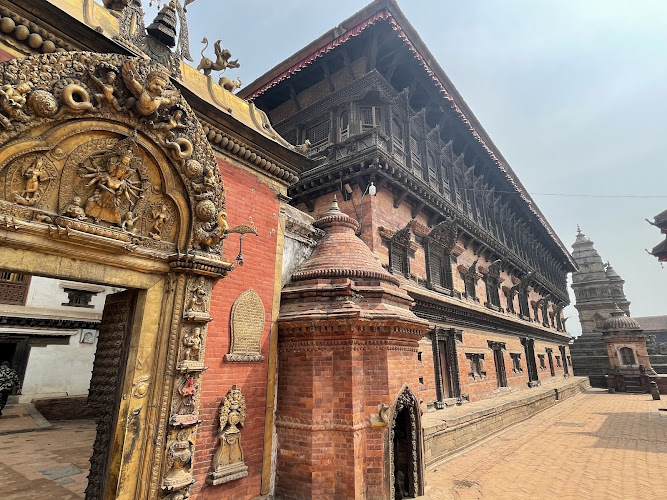
55 Window Palace
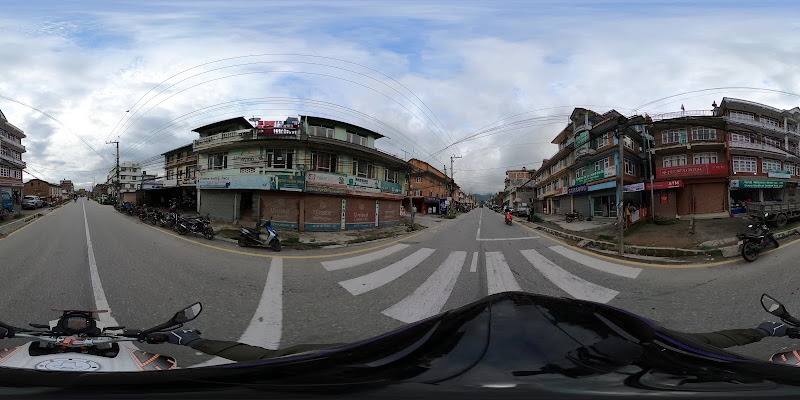
63 Satdobato-Godavari Rd
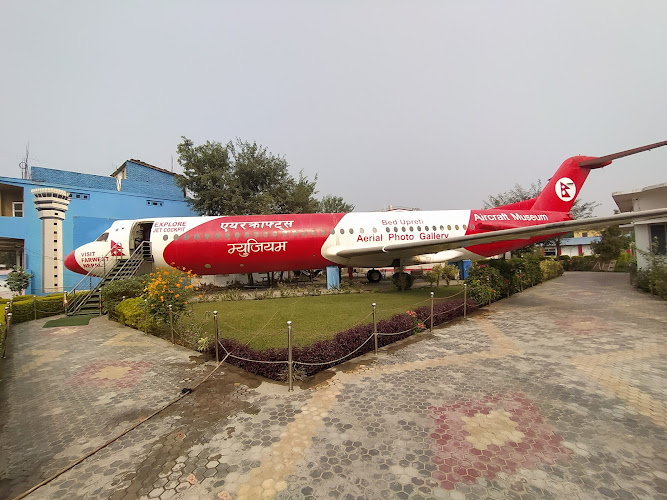
Aircraft Museum
Tours & Activities
GetYourGuide provides this tour inventory. We may earn a commission if you book through it; verify current availability, prices, and terms with the provider.
Visitor Reviews
There are no reviews yet. Be the first one to write one.
Share Your Experience
Have you visited Hetauda? Help other travelers by leaving a review.