
Het Nederlands Vestingmuseum
About Het Nederlands Vestingmuseum
Description
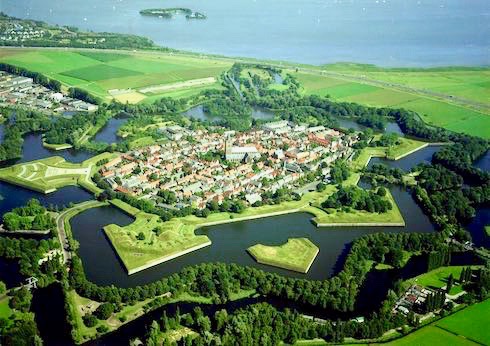
Het Nederlands Vestingmuseum sits proudly on bastion Turfpoort, a 17th-century fortress bastion that tells a layered story about Dutch military engineering, daily life in a garrison town, and the long-running defense strategy known as the Hollandse Waterlinies. Visitors step into a place where thick earthworks meet low, arched kazematten (casemates), where the echo of an old cannon shot feels oddly plausible even though the guns are long retired. Naarden-Vesting is the best-preserved fortified town in the Netherlands and carries the weight of UNESCO World Heritage status for its role in the Waterlinies. That matters: what people see here isn’t a staged recreation, it’s a genuine piece of the landscape and an integral chapter of national history.
The museum’s layout is honest and tactile. On the outer grounds there are earth ramparts and moats to stroll beside, while inside the kazematten there are displays, dioramas, and rooms that recreate the practical and sometimes unglamorous work of soldiers and engineers. It’s not all dusty suits of armor; there are interactive elements, explanatory panels in clear English and Dutch, and little theatrical touches that make history feel like a conversation. The museum focuses on Naarden-Vesting’s role in the military strategy of the Netherlands across centuries, how the town’s people were affected, and how fortification evolved from simple walls to complex ringworks and controlled inundations. One can almost see the layers of time—medieval foundations, 17th-century bastions, 19th-century adaptations—stacked together in one walk.
What many visitors appreciate, and what a travel planner should know, is the museum’s balance between specialist content and accessible storytelling. For history buffs it offers nuts-and-bolts detail about fort construction, cannon placement, and the hydraulic genius of the Waterlinies. For families, there are kid-friendly nooks and chances to picture life in a fortress town. And for photographers—yes, the sightlines across the moat and into the geometry of the bastions are addictive. There’s a small restaurant on site for a relaxed break and free parking which makes it an easy day trip from Amsterdam or Haarlem. Practical stuff like wheelchair accessible entrances and restrooms are in place, though some historic areas remain inherently uneven or narrow. Still, the museum does try to be welcoming.
Visitors often remark that a visit here pairs perfectly with exploring the cobbled streets of Naarden-Vesting itself. The museum does not try to be everything. Instead, it complements the town: the fortress explains the town’s shape, and the town animates the fortress. If you like the idea of walking through time—seeing how engineers, soldiers, and townsfolk responded to threats, technology, and the landscape—this museum delivers.
Key Features
- Location on bastion Turfpoort, a genuine 17th-century fortification forming part of Naarden-Vesting
- Exhibits inside original kazematten that showcase military life, fort construction, and the Hollandse Waterlinies system
- Outdoor ramparts and moats offering panoramic views and excellent photo opportunities
- Hands-on and family-friendly displays suitable for children and first-time visitors
- On-site restaurant and restrooms for visitor convenience
- Free parking on the premises, making it a practical stop for self-driving travelers
- Basic accessibility features including wheelchair-accessible entrance and restroom, plus assisted listening devices
- Wi-Fi available for quick lookups or sharing photos on the go
- Close connection to the greater Naarden-Vesting heritage area and walking routes through the historic town
- Interpretation that links local stories to national defense strategy and UNESCO-listed Hollandse Waterlinies
Best Time to Visit
The best time to visit depends a little on what we mean by ideal. For mild weather and comfortable walking, late spring through early autumn—May to September—offers long daylight hours, blooming grasses on the ramparts, and calmer canals. Weekdays in shoulder months (May, June, September) are usually quieter. If you want photography with dramatic skies and fewer tourists, try early morning light; the angles along the bastions and the reflection in the moat are particularly lovely just after sunrise.
But there are other perks to consider. Summer brings the liveliest scene in Naarden-Vesting. Outdoor events, guided walks, and sometimes re-enactments make the experience more vivid. And if you enjoy the slightly melancholic beauty of off-season travel, a November visit has crisp air and a moody palette that suits fortress photography—just dress warmly and check opening hours. Winter can be atmospheric too, though the museum may have reduced hours and certain outdoor areas can be muddy or icy. If a quieter museum experience matters most, aim for weekdays outside school holidays; families will tend to visit on weekends and during local school breaks.
How to Get There
Getting to Het Nederlands Vestingmuseum is straightforward whether you’re coming by car or public transport. Driving is convenient thanks to free on-site parking, and that makes the museum an excellent choice for a relaxed day trip from nearby cities. From Amsterdam it’s typically a short drive—plan for 30 to 40 minutes depending on traffic. The roads are well-signposted toward Naarden-Vesting; just remember the last stretch passes through cobbled streets where slow speed is both practical and respectful.
By public transport, trains to Naarden-Bussum connect to local buses that drop you near the historic center. From the bus stop it’s a short walk across the moat and into the geometric heart of the fort. Trains and buses run regularly, but timetables vary on weekends and public holidays, so double-check the schedule on the day of travel. If you prefer the leisurely route: cycling is a pleasure in this region. Many cyclists make a day of it, combining nearby lakeshores, charming country roads, and a visit to the fortress.
Note on accessibility: the museum provides a wheelchair-accessible entrance and restroom. However, parts of the historic structures—narrow passages and original stairways—are not easily altered and remain challenging for some visitors. Assisted listening devices are available for talks, but an assistive hearing loop is not. If accessibility is a decisive factor, it’s worth calling ahead or checking current visitor guidance before arrival.
Tips for Visiting
Plan for at least two hours. That sounds obvious, but people underestimate how much ground there is to cover. Between the outdoor ramparts, the casemate exhibits, and a relaxed coffee, two to three hours gives a proper pace. If you’re combining the museum with a wander through Naarden-Vesting, add another hour or two for the town proper.
Wear comfortable shoes and a light waterproof layer. The ramparts can be windy and paths become slick after rain. And please don’t expect smooth museum floors throughout—the charm of the place is also its rough edges. Bring a small backpack rather than a rolling suitcase; stairways and narrow corridors inside the kazematten are not designed for big luggage.
Children often love the tangible bits: cannon models, narrow firing slits, and the sense of walking through real fortifications. The museum caters to families, but supervising adults should watch small kids near the moats and edges of the ramparts. There are interactive areas, but some spaces require care.
Photography is generally allowed. For the best shots, arrive early or late in the day to avoid harsh midday light. A zoom lens helps capture details of cannons, masonry, and the town’s geometric layout from the bastion tops. And yes, don’t miss the small viewpoint that frames the town and the ringworks—people who miss that spot always seem to regret it later.
Guided tours bring out stories you won’t get from panels alone. If the schedule offers a guided walk or a talk, join it. Local guides have a way of connecting the dry engineering facts to human stories: letters home from soldiers, odd city ordinances, or the surprising ways the Waterlinies shaped daily life. Those anecdotes stick with you longer than dry dates do.
Combine the visit with a walking route through Naarden-Vesting. The museum explains the structure; the town animates it. Pop into a local bakery or cafe after the museum and let the fortress sink in while you sip coffee and watch cyclists glide by. If time allows, stroll the inner streets and peek into the church and town ramparts for a fuller sense of place.
Accessibility-wise, call ahead if mobility aids or special assistance are needed. The museum has made improvements, but this is a historic place and some original features are immovable. If you need assisted listening or other accommodations, the staff are generally helpful and will advise on the best routes through the site.
Finally, pace yourself. This is not a rush-in, tick-it-off attraction. A mindful visit—listening to the clink of shoes on old stone, reading a wartime letter, imagining the slow rise of floodwaters in an engineered defense—yields those small insights that make a trip memorable. Visitors who rush through often miss the subtler parts: the interlocking logic of fort design, the local stories that humanize strategy, and the quiet beauty of a town built to withstand time and tides.
In short, Het Nederlands Vestingmuseum is a rewarding stop for anyone intrigued by military architecture, landscape engineering, or the lived experience of a fortified town. Packed with tactile exhibits, set in genuine 17th-century structures, and supported by practical visitor amenities, it offers both context and atmosphere. Come curious, bring sensible shoes, and leave with stories you’ll want to tell back home.
Key Features
- Location on bastion Turfpoort, a genuine 17th-century fortification forming part of Naarden-Vesting
- Exhibits inside original kazematten that showcase military life, fort construction, and the Hollandse Waterlinies system
- Outdoor ramparts and moats offering panoramic views and excellent photo opportunities
- Hands-on and family-friendly displays suitable for children and first-time visitors
- On-site restaurant and restrooms for visitor convenience
- Free parking on the premises, making it a practical stop for self-driving travelers
- Basic accessibility features including wheelchair-accessible entrance and restroom, plus assisted listening devices
- Wi-Fi available for quick lookups or sharing photos on the go
More Details
Updated August 30, 2025
Table of Contents
Description
Het Nederlands Vestingmuseum sits proudly on bastion Turfpoort, a 17th-century fortress bastion that tells a layered story about Dutch military engineering, daily life in a garrison town, and the long-running defense strategy known as the Hollandse Waterlinies. Visitors step into a place where thick earthworks meet low, arched kazematten (casemates), where the echo of an old cannon shot feels oddly plausible even though the guns are long retired. Naarden-Vesting is the best-preserved fortified town in the Netherlands and carries the weight of UNESCO World Heritage status for its role in the Waterlinies. That matters: what people see here isn’t a staged recreation, it’s a genuine piece of the landscape and an integral chapter of national history.
The museum’s layout is honest and tactile. On the outer grounds there are earth ramparts and moats to stroll beside, while inside the kazematten there are displays, dioramas, and rooms that recreate the practical and sometimes unglamorous work of soldiers and engineers. It’s not all dusty suits of armor; there are interactive elements, explanatory panels in clear English and Dutch, and little theatrical touches that make history feel like a conversation. The museum focuses on Naarden-Vesting’s role in the military strategy of the Netherlands across centuries, how the town’s people were affected, and how fortification evolved from simple walls to complex ringworks and controlled inundations. One can almost see the layers of time—medieval foundations, 17th-century bastions, 19th-century adaptations—stacked together in one walk.
What many visitors appreciate, and what a travel planner should know, is the museum’s balance between specialist content and accessible storytelling. For history buffs it offers nuts-and-bolts detail about fort construction, cannon placement, and the hydraulic genius of the Waterlinies. For families, there are kid-friendly nooks and chances to picture life in a fortress town. And for photographers—yes, the sightlines across the moat and into the geometry of the bastions are addictive. There’s a small restaurant on site for a relaxed break and free parking which makes it an easy day trip from Amsterdam or Haarlem. Practical stuff like wheelchair accessible entrances and restrooms are in place, though some historic areas remain inherently uneven or narrow. Still, the museum does try to be welcoming.
Visitors often remark that a visit here pairs perfectly with exploring the cobbled streets of Naarden-Vesting itself. The museum does not try to be everything. Instead, it complements the town: the fortress explains the town’s shape, and the town animates the fortress. If you like the idea of walking through time—seeing how engineers, soldiers, and townsfolk responded to threats, technology, and the landscape—this museum delivers.
Key Features
- Location on bastion Turfpoort, a genuine 17th-century fortification forming part of Naarden-Vesting
- Exhibits inside original kazematten that showcase military life, fort construction, and the Hollandse Waterlinies system
- Outdoor ramparts and moats offering panoramic views and excellent photo opportunities
- Hands-on and family-friendly displays suitable for children and first-time visitors
- On-site restaurant and restrooms for visitor convenience
- Free parking on the premises, making it a practical stop for self-driving travelers
- Basic accessibility features including wheelchair-accessible entrance and restroom, plus assisted listening devices
- Wi-Fi available for quick lookups or sharing photos on the go
- Close connection to the greater Naarden-Vesting heritage area and walking routes through the historic town
- Interpretation that links local stories to national defense strategy and UNESCO-listed Hollandse Waterlinies
Best Time to Visit
The best time to visit depends a little on what we mean by ideal. For mild weather and comfortable walking, late spring through early autumn—May to September—offers long daylight hours, blooming grasses on the ramparts, and calmer canals. Weekdays in shoulder months (May, June, September) are usually quieter. If you want photography with dramatic skies and fewer tourists, try early morning light; the angles along the bastions and the reflection in the moat are particularly lovely just after sunrise.
But there are other perks to consider. Summer brings the liveliest scene in Naarden-Vesting. Outdoor events, guided walks, and sometimes re-enactments make the experience more vivid. And if you enjoy the slightly melancholic beauty of off-season travel, a November visit has crisp air and a moody palette that suits fortress photography—just dress warmly and check opening hours. Winter can be atmospheric too, though the museum may have reduced hours and certain outdoor areas can be muddy or icy. If a quieter museum experience matters most, aim for weekdays outside school holidays; families will tend to visit on weekends and during local school breaks.
How to Get There
Getting to Het Nederlands Vestingmuseum is straightforward whether you’re coming by car or public transport. Driving is convenient thanks to free on-site parking, and that makes the museum an excellent choice for a relaxed day trip from nearby cities. From Amsterdam it’s typically a short drive—plan for 30 to 40 minutes depending on traffic. The roads are well-signposted toward Naarden-Vesting; just remember the last stretch passes through cobbled streets where slow speed is both practical and respectful.
By public transport, trains to Naarden-Bussum connect to local buses that drop you near the historic center. From the bus stop it’s a short walk across the moat and into the geometric heart of the fort. Trains and buses run regularly, but timetables vary on weekends and public holidays, so double-check the schedule on the day of travel. If you prefer the leisurely route: cycling is a pleasure in this region. Many cyclists make a day of it, combining nearby lakeshores, charming country roads, and a visit to the fortress.
Note on accessibility: the museum provides a wheelchair-accessible entrance and restroom. However, parts of the historic structures—narrow passages and original stairways—are not easily altered and remain challenging for some visitors. Assisted listening devices are available for talks, but an assistive hearing loop is not. If accessibility is a decisive factor, it’s worth calling ahead or checking current visitor guidance before arrival.
Tips for Visiting
Plan for at least two hours. That sounds obvious, but people underestimate how much ground there is to cover. Between the outdoor ramparts, the casemate exhibits, and a relaxed coffee, two to three hours gives a proper pace. If you’re combining the museum with a wander through Naarden-Vesting, add another hour or two for the town proper.
Wear comfortable shoes and a light waterproof layer. The ramparts can be windy and paths become slick after rain. And please don’t expect smooth museum floors throughout—the charm of the place is also its rough edges. Bring a small backpack rather than a rolling suitcase; stairways and narrow corridors inside the kazematten are not designed for big luggage.
Children often love the tangible bits: cannon models, narrow firing slits, and the sense of walking through real fortifications. The museum caters to families, but supervising adults should watch small kids near the moats and edges of the ramparts. There are interactive areas, but some spaces require care.
Photography is generally allowed. For the best shots, arrive early or late in the day to avoid harsh midday light. A zoom lens helps capture details of cannons, masonry, and the town’s geometric layout from the bastion tops. And yes, don’t miss the small viewpoint that frames the town and the ringworks—people who miss that spot always seem to regret it later.
Guided tours bring out stories you won’t get from panels alone. If the schedule offers a guided walk or a talk, join it. Local guides have a way of connecting the dry engineering facts to human stories: letters home from soldiers, odd city ordinances, or the surprising ways the Waterlinies shaped daily life. Those anecdotes stick with you longer than dry dates do.
Combine the visit with a walking route through Naarden-Vesting. The museum explains the structure; the town animates it. Pop into a local bakery or cafe after the museum and let the fortress sink in while you sip coffee and watch cyclists glide by. If time allows, stroll the inner streets and peek into the church and town ramparts for a fuller sense of place.
Accessibility-wise, call ahead if mobility aids or special assistance are needed. The museum has made improvements, but this is a historic place and some original features are immovable. If you need assisted listening or other accommodations, the staff are generally helpful and will advise on the best routes through the site.
Finally, pace yourself. This is not a rush-in, tick-it-off attraction. A mindful visit—listening to the clink of shoes on old stone, reading a wartime letter, imagining the slow rise of floodwaters in an engineered defense—yields those small insights that make a trip memorable. Visitors who rush through often miss the subtler parts: the interlocking logic of fort design, the local stories that humanize strategy, and the quiet beauty of a town built to withstand time and tides.
In short, Het Nederlands Vestingmuseum is a rewarding stop for anyone intrigued by military architecture, landscape engineering, or the lived experience of a fortified town. Packed with tactile exhibits, set in genuine 17th-century structures, and supported by practical visitor amenities, it offers both context and atmosphere. Come curious, bring sensible shoes, and leave with stories you’ll want to tell back home.
Key Highlights
- Location on bastion Turfpoort, a genuine 17th-century fortification forming part of Naarden-Vesting
- Exhibits inside original kazematten that showcase military life, fort construction, and the Hollandse Waterlinies system
- Outdoor ramparts and moats offering panoramic views and excellent photo opportunities
- Hands-on and family-friendly displays suitable for children and first-time visitors
- On-site restaurant and restrooms for visitor convenience
- Free parking on the premises, making it a practical stop for self-driving travelers
- Basic accessibility features including wheelchair-accessible entrance and restroom, plus assisted listening devices
- Wi-Fi available for quick lookups or sharing photos on the go
Location
Places to Stay Near Het Nederlands Vestingmuseum
Find and Book a Tour
Explore More Travel Guides
No reviews found! Be the first to review!
Traveler Reviews for Het Nederlands Vestingmuseum
There are no reviews yet. Be the first one to write one.
Have you visited Het Nederlands Vestingmuseum? Help other travelers by sharing your review.
You Might Also Like
Utrechtse Poort

Naardermeer
Valkeveen
Find Accommodations Nearby
Recommended Tours & Activities
Visitor Reviews
There are no reviews yet. Be the first one to write one.
Share Your Experience
Have you visited Het Nederlands Vestingmuseum? Help other travelers by leaving a review.