
Heempark
About Heempark
Key Features
More Details
Updated June 11, 2025
Heempark, South Holland, Netherlands – 3 Reviews, Map | AllTrails
## Heempark (Alphen aan den Rijn): what it is, what you’ll actually do there, and how to visit well
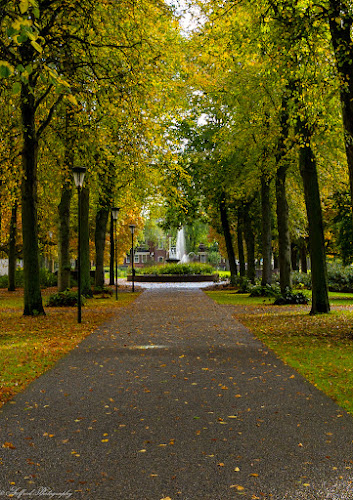
Heempark in Alphen aan den Rijn (South Holland, Netherlands) sits in the Zegersloot area by the Zegerplas recreational lake system. It’s described locally as a quieter, more nature-focused part of Park Zegersloot—good for a low-effort walk, birdwatching, and kid-friendly outdoor time without needing a “big attraction” schedule.
From the details you provided, you’ll find it in Alphen aan den Rijn, Netherlands, with coordinates 52.1439625, 4.6924214 and an average rating around 4.3.
—
## Quick facts you can rely on
– Name used locally: “Heempark” is also referenced in town guides alongside Prinses Irenebos (a related/adjacent nature area name used around the Zegerplas). is Alphen
– Setting: part of the wider Park Zegersloot / Zegerplas recreation area, but positioned as a “more nature” zone compared with the busier lake edges.
– Landscape types mentioned for the heempark area (De Kromme Aar): alder carr/wet woodland (“elzenbroekbos”), reedland, and grassland—i.e., classic lowland wet habitats.
– Marked routes: Park Zegersloot describes three signed walking/running routes using colored posts: 2 km, 5 km, 10 km (with the start indicated at the children’s swimming beach area in the park).
– Nature education nearby: Bezoekerscentrum de Veenweiden is referenced as a base for IVN Alphen aan den Rijn with guided walks/excursions and activities.
—
## What makes a “heempark” different (and why it matters when you visit)
A heempark is framed locally as nature-oriented recreation—less “designed” landscaping, more focus on habitats and native biodiversity. In the Alphens.nl description of Heempark De Kromme Aar (in Zegersloot), the point is that you’re meant to move through a living landscape rather than just pass through a manicured city park.
Practically, that changes how you plan:
– Footwear matters more than in a typical urban park (soft ground, muddy edges in wet months).
– Binoculars beat selfie-sticks—this is one of those places where small details (birds, dragonflies, reed margins) are the “activity.”
– You’ll get more value by slowing down: short loops, pauses at reedbeds, and scanning edges where land meets water.
—
## What you’ll see: habitats, wildlife, and “the good kind of unpredictability”
### Wetland mosaics along the (Kromme) Aar and Zegerplas edge
The heempark write-up highlights multiple habitat types typical of the region—wet woodland, reedbeds, and grassland—and ties them to the area’s peat/clay landscape history.
### Grazing and management
The same source notes Galloway cattle being used for grazing management in the area. That’s not a “petting zoo” situation—it’s habitat maintenance: grazing helps keep certain zones open and supports meadow/edge biodiversity.
### Birdlife and nature watching
Alphens.nl characterizes the area as bird-rich, mentioning many species groups (woodpeckers, owls/raptors, reed birds) and stating that “around fifty species” breed there.
Important accuracy note: that “~50 breeding species” figure may age quickly because bird populations and nesting success change year to year, and the page doesn’t clearly date the claim. Treat it as a signal that birding can be rewarding here—not as a current-season inventory.
### Reptiles and amphibians (with a big caveat)
The same write-up mentions ring snakes (noting they are descendants of an introduced Italian subspecies), plus amphibians like frogs, toads, and salamanders, and it warns against dumping pets—also mentioning red-eared sliders as discarded pets that persist in the wild.
Important accuracy note: sightings are never guaranteed, and “introduced lineage” details are exactly the kind of thing that can be contested or updated by local conservation guidance. If you’re publishing this as evergreen content, consider adding a small “check local signage / IVN updates” line in your final CMS version.
—
## The best way to experience Heempark (without overplanning it)
### 1) Do a short loop first, then decide if you want longer
Because Park Zegersloot describes 2 km / 5 km / 10 km marked routes, you can treat Heempark as a “calibration walk”:
– First 15 minutes: follow the shortest route segment or a visible footpath toward reed edges.
– If it’s windy/open: go longer only if you’re enjoying it—wind can reduce bird activity.
– If it’s calm: extend the walk; calm conditions are often better for scanning water margins and hearing reed birds.
### 2) Use the edges: waterlines, reedbeds, and woodland transitions
This park rewards “edge walking.” The most interesting biodiversity tends to sit where habitats meet: reed-to-water, woodland-to-grass, and shallow pools.
### 3) If you want structure, use the nature education layer
If your goal is learning (or you’re visiting with kids who engage better with “missions”), look for programming tied to IVN and Bezoekerscentrum de Veenweiden, which is explicitly referenced as organizing walks/excursions and activities.
—
## Visiting with kids: what’s realistic
People come to the wider Park Zegersloot area for family activities: playgrounds, a petting zoo, mini golf, climbing park, tiny forest, play forest, and more—listed as options around the park.
Two practical takeaways:
– Heempark can be your “nature reset” segment between higher-energy stops.
– If kids are very young, plan for short bursts: a 20–40 minute nature walk, then switch to a playground zone elsewhere in the park system.
—
## Dogs, running, and low-friction logistics
– Running routes: Park Zegersloot notes marked routes and that people use the area for jogging/hardlopen.
– Dogs: the same park page references a dog beach (“Hondenstrandje”) for people walking dogs.
Good visitor behavior in nature-heavy zones: keep dogs controlled near reedbeds and water margins where wildlife is more sensitive—especially in breeding season.
—
## Suggested internal links (contextual, editorial)
Because I don’t have your site’s URL structure confirmed here, treat these as drop-in internal link targets you can map to your existing slugs:
– /things-to-do-in-alphen-aan-den-rijn/ (context: pair Heempark with other low-key stops and the Zegerplas area)
– /zegerplas-walk-park-zegersloot/ (context: expand the “2/5/10 km routes” and family activities around the lake)
—
## Data freshness + accuracy flags (for an evergreen post)
– Wildlife specifics and counts can change (e.g., the “~50 breeding bird species” claim, or which reptiles/amphibians are commonly seen). If you want this post to stay clean long-term, add a quick “check IVN updates / signage” line or periodically refresh.
– The “introduced ringsnake lineage” note is highly specific; keep it clearly attributed to the cited local write-up rather than presenting it as universally agreed fact.
—
## Bottom line
If you want a nature-forward break in Alphen aan den Rijn—short walk options, real habitat variety, and an easy way to layer in guided nature education—Heempark fits. It’s best approached as a slow, observant walk (binoculars help), with the flexibility to extend into the broader Park Zegersloot network when you want more “activities per hour.”
Table of Contents
Key Highlights
Heempark
Location
Places to Stay Near Heempark"A nice park, with lots of nature, animals and things to play for children"
Find and Book a Tour
Explore More Travel Guides
No reviews found! Be the first to review!
Traveler Reviews for Heempark
There are no reviews yet. Be the first one to write one.
Have you visited Heempark? Help other travelers by sharing your review.
You Might Also Like
Burgemeester Visserpark
Bospark
Het Klimaatbos
Find Accommodations Nearby
Recommended Tours & Activities
Visitor Reviews
There are no reviews yet. Be the first one to write one.
Share Your Experience
Have you visited Heempark? Help other travelers by leaving a review.