
Heddon-on-the-Wall – Hadrian’s Wall
About Heddon-on-the-Wall – Hadrian’s Wall
Description
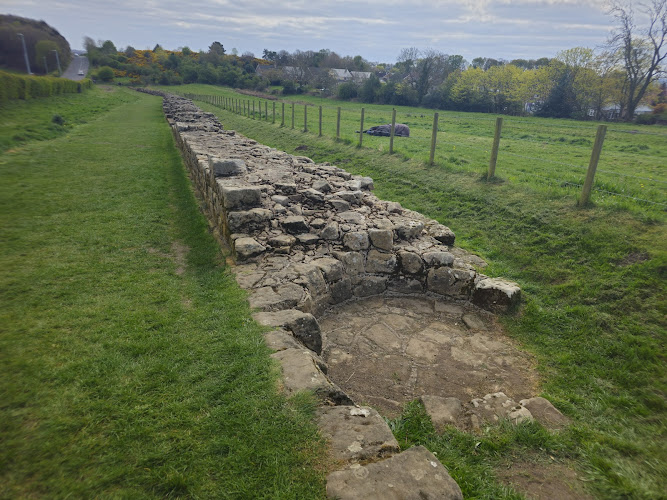
Heddon-on-the-Wall, a small yet historically rich village just west of Newcastle upon Tyne, is home to one of the best-preserved sections of Hadrian’s Wall. There’s something quietly powerful about standing here, staring at those ancient stones that have weathered nearly two millennia of British weather. The wall at Heddon-on-the-Wall is part of the original “broad wall” plan, built around AD 122 during Emperor Hadrian’s reign, and it still stands up to two metres thick in places. It’s one of those places that makes you stop, breathe, and think about the sheer scale of Roman ambition.
Unlike some of the more tourist-heavy stretches of Hadrian’s Wall, Heddon-on-the-Wall feels wonderfully unhurried. You can walk along the grassy path beside the stonework, listen to the wind sweep over the Tyne Valley, and almost hear the faint echo of Roman soldiers marching centuries ago. The village itself is charming, with that cozy Northumberland feel—stone cottages, friendly locals, and the quiet hum of countryside life.
It’s not a huge site, but that’s part of its appeal. The wall here stretches for roughly 220 to 255 metres, and it’s been carefully consolidated by English Heritage to preserve its structure. You can actually see the different layers of stonework, the craftsmanship of Roman builders who probably never imagined their work would still be standing in the 21st century. And while the site doesn’t have the grandeur of nearby forts like Housesteads or Chesters, it offers something more intimate—an unfiltered glimpse into the Roman frontier that once divided an empire.
Families often stop here for a quick walk or picnic, and kids love imagining Roman soldiers guarding this ancient boundary. It’s accessible, peaceful, and easy to explore without feeling overwhelmed by crowds. Sure, not every visitor is blown away—some might wish for more signage or facilities—but the simplicity is part of the charm. This is a place that rewards curiosity and quiet observation rather than flashy exhibits.
Key Features
- One of the best-preserved sections of Hadrian’s Wall built to the original broad gauge plan
- Up to two metres thick in parts, showing authentic Roman construction techniques
- Approximately 220–255 metres of consolidated wall cared for by English Heritage
- Visible remains of the Wall ditch to the north, offering a clear look at Roman defensive design
- Peaceful walking paths with scenic countryside views
- Free access and open year-round, making it an easy stop for travelers
- Located near other Roman sites and forts for those planning a longer historical trail
Best Time to Visit
Honestly, there’s no bad time to visit Heddon-on-the-Wall, but each season brings its own flavor. Spring is lovely—fresh green grass, blooming hedgerows, and just enough warmth to make a leisurely walk pleasant. Summer is the busiest, with families and cyclists exploring the Hadrian’s Wall Path, but even then, it rarely feels crowded. Autumn might just be my favorite, though. The golden light, crisp air, and rustling leaves make the site feel almost cinematic.
Winter visits can be chilly, sure, but there’s something magical about seeing frost glisten on the ancient stones. Just remember to bundle up and wear sturdy shoes—the path can get muddy. If you’re hoping for good photos, early morning or late afternoon light brings out the textures of the wall beautifully. And if you’re lucky, you might catch one of those breathtaking Northumberland sunsets that turn the sky into a watercolor painting.
How to Get There
Reaching Heddon-on-the-Wall is straightforward. It sits just off the B6318 (often called the Military Road), which follows the line of Hadrian’s Wall for much of its length. If you’re driving from Newcastle, it’s about a 20-minute journey west, and the route itself is scenic enough to make the drive enjoyable. There’s usually free roadside parking near the site, and from there it’s just a short walk to the wall itself.
For those relying on public transport, buses from Newcastle or Hexham stop in Heddon village. From the bus stop, it’s a brief stroll to the site—perfect for travelers without a car. Cyclists will also find the Hadrian’s Cycleway passes nearby, making it a great pit stop for a rest and a bit of history.
If you’re planning a larger Hadrian’s Wall adventure, Heddon makes a good starting or ending point for walking sections of the trail. The Hadrian’s Wall Path National Trail runs right through the village, so you can easily connect with other major Roman sites along the route.
Tips for Visiting
First off, take your time. It’s tempting to rush through, snap a few photos, and move on, but the beauty of Heddon-on-the-Wall lies in the details. Look closely at the masonry—you’ll notice the precision of the Roman stonework and the subtle differences where repairs have been made over the centuries.
Wear comfortable shoes, especially if you plan to explore beyond the immediate site. The ground can be uneven, and the grass gets slippery after rain. Bring a light jacket, even in summer; the Northumbrian breeze has a way of sneaking up on you.
If you’re visiting with children, turn it into a mini adventure. Challenge them to imagine what life was like for Roman soldiers stationed here—what they ate, how they stayed warm, what they might have thought about this far-flung corner of the empire. I once brought my nephew here, and he spent half an hour pretending to guard the wall from “invaders.” It’s that kind of place—simple, but it sparks imagination.
Photography enthusiasts will find plenty to love. The contrast between the ancient stone and the rolling green hills makes for striking compositions. Come early or late in the day for the best light, and don’t forget to look back toward the village—the view across the Tyne Valley is worth it.
There aren’t many facilities directly at the site, so bring water and maybe a snack. The village has a few cozy pubs and cafes if you’re after something heartier afterward. And if you’re planning to explore more of Hadrian’s Wall, consider downloading an offline map or guide beforehand—mobile signal can be patchy in some rural stretches.
Above all, respect the site. These stones have stood here for nearly 1,900 years. Avoid climbing on the wall or removing stones (you’d be surprised how often that happens). Leave it as you found it so others can enjoy the same sense of wonder.
In the end, Heddon-on-the-Wall isn’t about spectacle—it’s about connection. It’s about standing in a quiet field, feeling the weight of history beneath your feet, and realizing that the world has changed countless times since these stones were laid, yet they’re still here. That’s the kind of perspective that stays with you long after you’ve left.
Key Features
- One of the best-preserved sections of Hadrian’s Wall built to the original broad gauge plan
- Up to two metres thick in parts, showing authentic Roman construction techniques
- Approximately 220–255 metres of consolidated wall cared for by English Heritage
- Visible remains of the Wall ditch to the north, offering a clear look at Roman defensive design
- Peaceful walking paths with scenic countryside views
- Free access and open year-round, making it an easy stop for travelers
- Located near other Roman sites and forts for those planning a longer historical trail
More Details
Updated November 9, 2025
Table of Contents
- Description
- Key Features
- Best Time to Visit
- How to Get There
- Tips for Visiting
- Key Highlights
- Location
- Places to Stay Near Heddon-on-the-Wall - Hadrian's Wall
- Find and Book a Tour
- Explore More Travel Guides
- Nearby Places You Might Like
- Traveler Reviews for Heddon-on-the-Wall – Hadrian’s Wall
- Share Your Experience
Description
Heddon-on-the-Wall, a small yet historically rich village just west of Newcastle upon Tyne, is home to one of the best-preserved sections of Hadrian’s Wall. There’s something quietly powerful about standing here, staring at those ancient stones that have weathered nearly two millennia of British weather. The wall at Heddon-on-the-Wall is part of the original “broad wall” plan, built around AD 122 during Emperor Hadrian’s reign, and it still stands up to two metres thick in places. It’s one of those places that makes you stop, breathe, and think about the sheer scale of Roman ambition.
Unlike some of the more tourist-heavy stretches of Hadrian’s Wall, Heddon-on-the-Wall feels wonderfully unhurried. You can walk along the grassy path beside the stonework, listen to the wind sweep over the Tyne Valley, and almost hear the faint echo of Roman soldiers marching centuries ago. The village itself is charming, with that cozy Northumberland feel—stone cottages, friendly locals, and the quiet hum of countryside life.
It’s not a huge site, but that’s part of its appeal. The wall here stretches for roughly 220 to 255 metres, and it’s been carefully consolidated by English Heritage to preserve its structure. You can actually see the different layers of stonework, the craftsmanship of Roman builders who probably never imagined their work would still be standing in the 21st century. And while the site doesn’t have the grandeur of nearby forts like Housesteads or Chesters, it offers something more intimate—an unfiltered glimpse into the Roman frontier that once divided an empire.
Families often stop here for a quick walk or picnic, and kids love imagining Roman soldiers guarding this ancient boundary. It’s accessible, peaceful, and easy to explore without feeling overwhelmed by crowds. Sure, not every visitor is blown away—some might wish for more signage or facilities—but the simplicity is part of the charm. This is a place that rewards curiosity and quiet observation rather than flashy exhibits.
Key Features
- One of the best-preserved sections of Hadrian’s Wall built to the original broad gauge plan
- Up to two metres thick in parts, showing authentic Roman construction techniques
- Approximately 220–255 metres of consolidated wall cared for by English Heritage
- Visible remains of the Wall ditch to the north, offering a clear look at Roman defensive design
- Peaceful walking paths with scenic countryside views
- Free access and open year-round, making it an easy stop for travelers
- Located near other Roman sites and forts for those planning a longer historical trail
Best Time to Visit
Honestly, there’s no bad time to visit Heddon-on-the-Wall, but each season brings its own flavor. Spring is lovely—fresh green grass, blooming hedgerows, and just enough warmth to make a leisurely walk pleasant. Summer is the busiest, with families and cyclists exploring the Hadrian’s Wall Path, but even then, it rarely feels crowded. Autumn might just be my favorite, though. The golden light, crisp air, and rustling leaves make the site feel almost cinematic.
Winter visits can be chilly, sure, but there’s something magical about seeing frost glisten on the ancient stones. Just remember to bundle up and wear sturdy shoes—the path can get muddy. If you’re hoping for good photos, early morning or late afternoon light brings out the textures of the wall beautifully. And if you’re lucky, you might catch one of those breathtaking Northumberland sunsets that turn the sky into a watercolor painting.
How to Get There
Reaching Heddon-on-the-Wall is straightforward. It sits just off the B6318 (often called the Military Road), which follows the line of Hadrian’s Wall for much of its length. If you’re driving from Newcastle, it’s about a 20-minute journey west, and the route itself is scenic enough to make the drive enjoyable. There’s usually free roadside parking near the site, and from there it’s just a short walk to the wall itself.
For those relying on public transport, buses from Newcastle or Hexham stop in Heddon village. From the bus stop, it’s a brief stroll to the site—perfect for travelers without a car. Cyclists will also find the Hadrian’s Cycleway passes nearby, making it a great pit stop for a rest and a bit of history.
If you’re planning a larger Hadrian’s Wall adventure, Heddon makes a good starting or ending point for walking sections of the trail. The Hadrian’s Wall Path National Trail runs right through the village, so you can easily connect with other major Roman sites along the route.
Tips for Visiting
First off, take your time. It’s tempting to rush through, snap a few photos, and move on, but the beauty of Heddon-on-the-Wall lies in the details. Look closely at the masonry—you’ll notice the precision of the Roman stonework and the subtle differences where repairs have been made over the centuries.
Wear comfortable shoes, especially if you plan to explore beyond the immediate site. The ground can be uneven, and the grass gets slippery after rain. Bring a light jacket, even in summer; the Northumbrian breeze has a way of sneaking up on you.
If you’re visiting with children, turn it into a mini adventure. Challenge them to imagine what life was like for Roman soldiers stationed here—what they ate, how they stayed warm, what they might have thought about this far-flung corner of the empire. I once brought my nephew here, and he spent half an hour pretending to guard the wall from “invaders.” It’s that kind of place—simple, but it sparks imagination.
Photography enthusiasts will find plenty to love. The contrast between the ancient stone and the rolling green hills makes for striking compositions. Come early or late in the day for the best light, and don’t forget to look back toward the village—the view across the Tyne Valley is worth it.
There aren’t many facilities directly at the site, so bring water and maybe a snack. The village has a few cozy pubs and cafes if you’re after something heartier afterward. And if you’re planning to explore more of Hadrian’s Wall, consider downloading an offline map or guide beforehand—mobile signal can be patchy in some rural stretches.
Above all, respect the site. These stones have stood here for nearly 1,900 years. Avoid climbing on the wall or removing stones (you’d be surprised how often that happens). Leave it as you found it so others can enjoy the same sense of wonder.
In the end, Heddon-on-the-Wall isn’t about spectacle—it’s about connection. It’s about standing in a quiet field, feeling the weight of history beneath your feet, and realizing that the world has changed countless times since these stones were laid, yet they’re still here. That’s the kind of perspective that stays with you long after you’ve left.
Key Highlights
- One of the best-preserved sections of Hadrian’s Wall built to the original broad gauge plan
- Up to two metres thick in parts, showing authentic Roman construction techniques
- Approximately 220–255 metres of consolidated wall cared for by English Heritage
- Visible remains of the Wall ditch to the north, offering a clear look at Roman defensive design
- Peaceful walking paths with scenic countryside views
- Free access and open year-round, making it an easy stop for travelers
- Located near other Roman sites and forts for those planning a longer historical trail
Location
Places to Stay Near Heddon-on-the-Wall - Hadrian's Wall
Find and Book a Tour
Explore More Travel Guides
No reviews found! Be the first to review!
Traveler Reviews for Heddon-on-the-Wall – Hadrian’s Wall
There are no reviews yet. Be the first one to write one.
Have you visited Heddon-on-the-Wall – Hadrian’s Wall? Help other travelers by sharing your review.
You Might Also Like
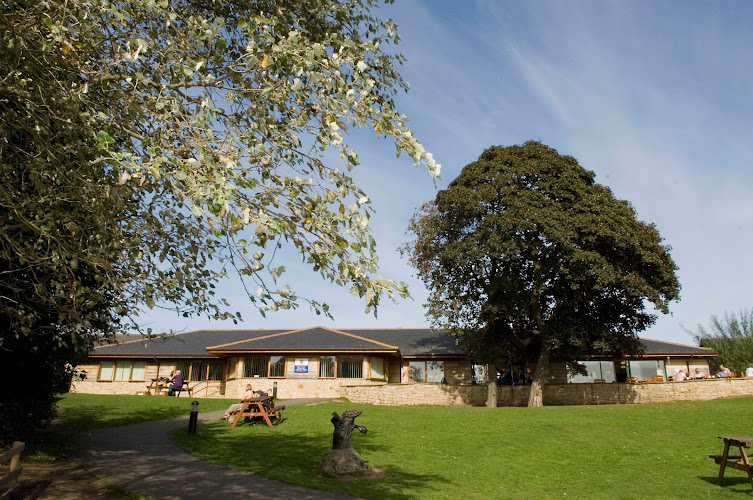
The Rising Sun Countryside Centre
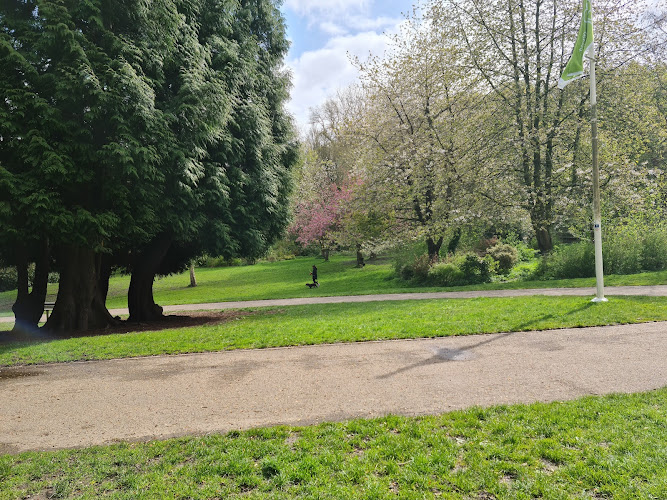
Armstrong Park
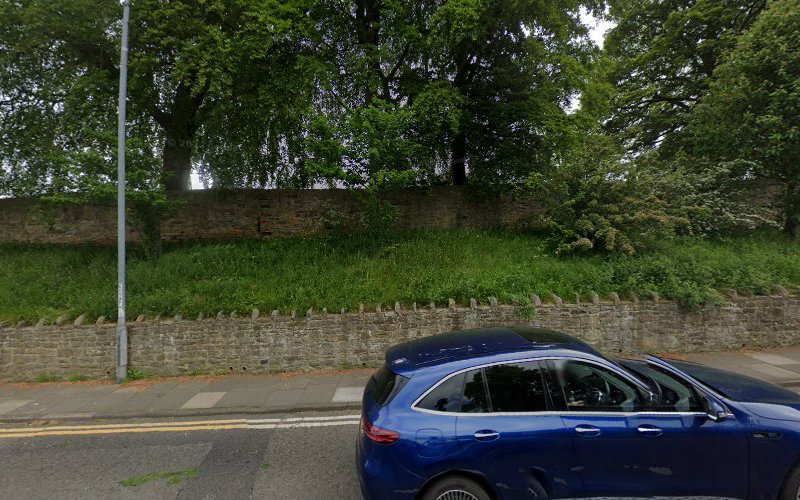
Chase Park
Find Accommodations Nearby
Recommended Tours & Activities
Visitor Reviews
There are no reviews yet. Be the first one to write one.
Share Your Experience
Have you visited Heddon-on-the-Wall – Hadrian’s Wall? Help other travelers by leaving a review.