
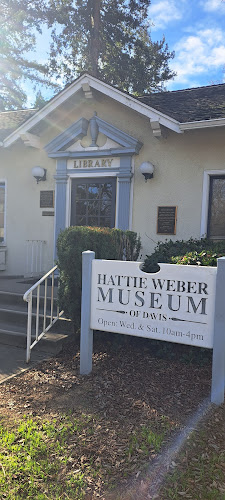
Hattie Weber Museum of Davis
About Hattie Weber Museum of Davis
Description
Small town museums get such a bad rap sometimes, and honestly, I don’t get it. Step inside the Hattie Weber Museum of Davis and you’ll quickly sense it’s a local gem with far more to offer than first meets the eye. The museum sits cozily in Davis’s first library building—the same sturdy brick walls that have watched over a century of change. Built way back in 1911, this spot is all about celebrating the layers of history Davis, California, has experienced, from railroad stops and farming roots to frantic cycles (yep, bicycles everywhere!) and modern university life.
You know that feeling when you wander into a place, hear real stories, and suddenly the past feels kind of close? That’s what you get here. The Hattie Weber Museum tells the tale of Davis in a way that’s tangible—you’ll see relics and artifacts that go all the way back to the city’s beginning as Davisville, through the transformation into the city of Davis, to the fun and quirky culture it has today. If you’re like me and crave connection when you travel, this museum is that—community, pride, the stubborn spirit that built something lasting in California’s heartland.
The Weber Museum goes beyond “old stuff behind glass.” Expect engaging exhibits on local history and culture, including the Yolo County timeline, spotlight displays on frontier life, and more recent stories about public projects, Native California heritage, and even that storied university farm (now UC Davis, of course) that grew up alongside the town. Walking in, you feel like an honorary Davisite—someone’s always excited to share a tidbit or point out a quirky old snapshot.
It’s worth mentioning, the building itself is a bit of living history. In a world where shiny new always seems better, being in a place that remembers feels good. The creak in the floor, the garden out back, even the vintage library desk — all make you slow down (in a good way). And while it’s not huge, what the Hattie Weber Museum lacks in size, it makes up for in warmth (and did I mention the volunteers? Radiate small town kindness).
Whether you’re tracing your roots, dreaming up a fun weekend with the kids, or just killing time before hitting Davis Farmers Market, this is a stop begging for a little more attention. Trust me, let yourself linger. You’ll uncover stories, oddities (don’t miss the collection of vintage telephones and kids' school photos), and a slice of California you won’t find anywhere else.
Key Features
- Historic Library Building (1911): The museum is housed in Davis’s original public library, itself a central artifact of local history. There’s something about wandering those brick halls that makes you want to speak softly, like you’re surrounded by stacks of wisdom.
- Exhibits on Early Davis: You’ll find displays and stories recounting Davisville’s agricultural days, railroad tales, and even the odd scandal or two from back in the day. The photo timelines alone are worth your time—people here had grit.
- Yolo County Heritage: Special focus shines on community projects and the unique mix of cultures that have called this patch of Yolo County home. It’s a great place to get a feel for how this area shaped generations, from long-gone Native Californian communities to new settlers and innovators.
- Curious Collections: Fashions, everyday household artifacts, antique tech (seriously, the old cash registers are wild), and tales from the city’s first families. If you grew up in a small town, some of this stuff will tug at your memory.
- Welcoming for All: The Hattie Weber Museum walks the walk of inclusivity—wheelchair accessible in all the right spots, restrooms on-site, and a reputation for being both LGBTQ+ friendly and a safe space for everyone. This is a place where community comes first, and everyone’s welcome.
- Family-Friendly Exploration: Got curious kids? History comes alive here—costumes, games, scavenger hunts, and hands-on activities pop up depending on the season. The garden is also a great spot to let them roam while you soak in the exhibits.
- Authentic Local Stories: Volunteers and docents love a question. Every visit seems to reveal some new tidbit, whether you want to talk bicycles (Davis is “bike city USA,” after all), the first schoolhouse, or infamous local characters.
- Intimate Setting: No crowds, no parking battles, no overpriced merch sprawl—just solid local storytelling in a friendly, relaxed spot. You feel like you’re celebrating history with your own neighbors, not gawking from behind a rope.
Best Time to Visit
Let’s be honest – you could pop by the Hattie Weber Museum of Davis any time it’s open and have a rewarding visit, but there are a few sweet spots to keep in mind. Mornings are typically calm, and that’s the magic hour if you want to stroll quietly and let your curiosity roam without bumping elbows. After lunch, the crowd (which, to be fair, is never wild and enormous) picks up a bit with families, especially during school field trip season.
If you love pairing your museum trip with some outdoor fun, Saturdays can’t be beat. The Davis Farmers Market happens just steps away in Central Park, so you can sandwich your history fix between local eats and fresh air. Every now and then, there are themed events and temporary exhibits (history scavenger hunts, heritage days, you name it)—totally worth scheduling around if you like a bit of lively action and maybe a story or two from a costumed local.
Honestly, even after more than a decade of stepping inside little museums like this one across the United States, I always recommend weekday afternoons if you’re a details person. That’s when you get to chat with docents at length, ask odd-ball questions, and hear unscripted stories that never make it inside brochures.
How to Get There
Finding the Weber Museum in Davis is refreshingly simple—and let’s admit it, that’s not always the case with hidden-history spots in California! If you’re already in downtown Davis, you’re in luck. The museum is within easy walking distance of the main streets, city hall, and that always-bustling Central Park. If you’re like me and you love to explore by foot or on two wheels, Davis’s famously bike-friendly streets (it is kind of the bike capital of the U.S.!) make this extra fun.
Got a car? Parking is shockingly hassle-free for California. There’s wheelchair-accessible parking right out front and plenty of metered parking on the street. Just avoid midday Saturdays when the farmers market floods the whole area with veggie-hunters. Otherwise, no sweat.
Coming from Sacramento? The ride clocks in around 20 minutes if traffic’s being friendly—just follow I-80 west and take the main Davis exit. If you’re feeling green or want a taste of local life, consider the Amtrak (the station’s just blocks away), or go wild and rent a bike… it’s the Davis way, after all.
Tips for Visiting
- If you’re a history buff, or even if you just like the idea of peeking into California’s small town past, definitely ask the docents about their favorite artifacts—you’ll get stories you won’t find on the display cards. I still remember learning about the town’s old firehouse and its quirky “bucket brigade” from a passionate local guide.
- Traveling with little ones? There’s a small but mighty collection of hands-on activities—look for scavenger hunt cards and interactive displays that let kids (and adults, no shame!) actually touch history. Family-friendly, for sure.
- Plan to combine your museum trip with a stroll through Central Park or time at the Davis Farmers Market if you can. Nothing like a good dose of fresh air, local food, and street musicians after some time with museum stories. The contrast is just… classic Davis.
- Accessibility is strong here: wheelchair users will have no problem navigating the grounds or restroom, and there’s a clear focus on making everyone feel welcome—including the LGBTQ+ community and folks of all backgrounds.
- No on-site food—so don’t arrive famished. But you’re a quick walk from all the eateries downtown. (If you’re like me, make a beeline for a local bakery after—you’ve earned it.)
- If possible, check ahead for hours and special exhibits. Sometimes they run pop-up events or even walking tours, and you’ll want to pencil those into your day.
- Photography isn’t forbidden, but always ask before snapping closeups of artifacts—rules shift depending on the display, and volunteers appreciate the courtesy.
- Leave time for the museum’s small garden out back, a hidden spot with native plants where you can recharge and ponder the stories you’ve just absorbed. You might even spot a few birds or local bees doing their thing among the flowers.
- And finally, bring a sense of curiosity! It’s not about big-ticket thrills here—it’s about connecting with a place, meeting a few passionate locals, and letting the stories of yesteryear sneak up on you.
All in all, the Hattie Weber Museum of Davis is proof that small can be mighty. If you want an encounter with the beating heart of Davis—not just the shiny present but its roots—put this spot on your list. Maybe you’ll leave with a story of your own.
Key Features
- Historic former library building (moved to Central Park in 1988)
- Local artifacts and period rooms highlighting Davis history
- Rotating community-focused exhibits
- Knowledgeable volunteer docents and oral histories
- Central Park location adjacent to downtown Davis
More Details
Updated July 12, 2025
Table of Contents
Description
Small town museums get such a bad rap sometimes, and honestly, I don’t get it. Step inside the Hattie Weber Museum of Davis and you’ll quickly sense it’s a local gem with far more to offer than first meets the eye. The museum sits cozily in Davis’s first library building—the same sturdy brick walls that have watched over a century of change. Built way back in 1911, this spot is all about celebrating the layers of history Davis, California, has experienced, from railroad stops and farming roots to frantic cycles (yep, bicycles everywhere!) and modern university life.
You know that feeling when you wander into a place, hear real stories, and suddenly the past feels kind of close? That’s what you get here. The Hattie Weber Museum tells the tale of Davis in a way that’s tangible—you’ll see relics and artifacts that go all the way back to the city’s beginning as Davisville, through the transformation into the city of Davis, to the fun and quirky culture it has today. If you’re like me and crave connection when you travel, this museum is that—community, pride, the stubborn spirit that built something lasting in California’s heartland.
The Weber Museum goes beyond “old stuff behind glass.” Expect engaging exhibits on local history and culture, including the Yolo County timeline, spotlight displays on frontier life, and more recent stories about public projects, Native California heritage, and even that storied university farm (now UC Davis, of course) that grew up alongside the town. Walking in, you feel like an honorary Davisite—someone’s always excited to share a tidbit or point out a quirky old snapshot.
It’s worth mentioning, the building itself is a bit of living history. In a world where shiny new always seems better, being in a place that remembers feels good. The creak in the floor, the garden out back, even the vintage library desk — all make you slow down (in a good way). And while it’s not huge, what the Hattie Weber Museum lacks in size, it makes up for in warmth (and did I mention the volunteers? Radiate small town kindness).
Whether you’re tracing your roots, dreaming up a fun weekend with the kids, or just killing time before hitting Davis Farmers Market, this is a stop begging for a little more attention. Trust me, let yourself linger. You’ll uncover stories, oddities (don’t miss the collection of vintage telephones and kids’ school photos), and a slice of California you won’t find anywhere else.
Key Features
- Historic Library Building (1911): The museum is housed in Davis’s original public library, itself a central artifact of local history. There’s something about wandering those brick halls that makes you want to speak softly, like you’re surrounded by stacks of wisdom.
- Exhibits on Early Davis: You’ll find displays and stories recounting Davisville’s agricultural days, railroad tales, and even the odd scandal or two from back in the day. The photo timelines alone are worth your time—people here had grit.
- Yolo County Heritage: Special focus shines on community projects and the unique mix of cultures that have called this patch of Yolo County home. It’s a great place to get a feel for how this area shaped generations, from long-gone Native Californian communities to new settlers and innovators.
- Curious Collections: Fashions, everyday household artifacts, antique tech (seriously, the old cash registers are wild), and tales from the city’s first families. If you grew up in a small town, some of this stuff will tug at your memory.
- Welcoming for All: The Hattie Weber Museum walks the walk of inclusivity—wheelchair accessible in all the right spots, restrooms on-site, and a reputation for being both LGBTQ+ friendly and a safe space for everyone. This is a place where community comes first, and everyone’s welcome.
- Family-Friendly Exploration: Got curious kids? History comes alive here—costumes, games, scavenger hunts, and hands-on activities pop up depending on the season. The garden is also a great spot to let them roam while you soak in the exhibits.
- Authentic Local Stories: Volunteers and docents love a question. Every visit seems to reveal some new tidbit, whether you want to talk bicycles (Davis is “bike city USA,” after all), the first schoolhouse, or infamous local characters.
- Intimate Setting: No crowds, no parking battles, no overpriced merch sprawl—just solid local storytelling in a friendly, relaxed spot. You feel like you’re celebrating history with your own neighbors, not gawking from behind a rope.
Best Time to Visit
Let’s be honest – you could pop by the Hattie Weber Museum of Davis any time it’s open and have a rewarding visit, but there are a few sweet spots to keep in mind. Mornings are typically calm, and that’s the magic hour if you want to stroll quietly and let your curiosity roam without bumping elbows. After lunch, the crowd (which, to be fair, is never wild and enormous) picks up a bit with families, especially during school field trip season.
If you love pairing your museum trip with some outdoor fun, Saturdays can’t be beat. The Davis Farmers Market happens just steps away in Central Park, so you can sandwich your history fix between local eats and fresh air. Every now and then, there are themed events and temporary exhibits (history scavenger hunts, heritage days, you name it)—totally worth scheduling around if you like a bit of lively action and maybe a story or two from a costumed local.
Honestly, even after more than a decade of stepping inside little museums like this one across the United States, I always recommend weekday afternoons if you’re a details person. That’s when you get to chat with docents at length, ask odd-ball questions, and hear unscripted stories that never make it inside brochures.
How to Get There
Finding the Weber Museum in Davis is refreshingly simple—and let’s admit it, that’s not always the case with hidden-history spots in California! If you’re already in downtown Davis, you’re in luck. The museum is within easy walking distance of the main streets, city hall, and that always-bustling Central Park. If you’re like me and you love to explore by foot or on two wheels, Davis’s famously bike-friendly streets (it is kind of the bike capital of the U.S.!) make this extra fun.
Got a car? Parking is shockingly hassle-free for California. There’s wheelchair-accessible parking right out front and plenty of metered parking on the street. Just avoid midday Saturdays when the farmers market floods the whole area with veggie-hunters. Otherwise, no sweat.
Coming from Sacramento? The ride clocks in around 20 minutes if traffic’s being friendly—just follow I-80 west and take the main Davis exit. If you’re feeling green or want a taste of local life, consider the Amtrak (the station’s just blocks away), or go wild and rent a bike… it’s the Davis way, after all.
Tips for Visiting
- If you’re a history buff, or even if you just like the idea of peeking into California’s small town past, definitely ask the docents about their favorite artifacts—you’ll get stories you won’t find on the display cards. I still remember learning about the town’s old firehouse and its quirky “bucket brigade” from a passionate local guide.
- Traveling with little ones? There’s a small but mighty collection of hands-on activities—look for scavenger hunt cards and interactive displays that let kids (and adults, no shame!) actually touch history. Family-friendly, for sure.
- Plan to combine your museum trip with a stroll through Central Park or time at the Davis Farmers Market if you can. Nothing like a good dose of fresh air, local food, and street musicians after some time with museum stories. The contrast is just… classic Davis.
- Accessibility is strong here: wheelchair users will have no problem navigating the grounds or restroom, and there’s a clear focus on making everyone feel welcome—including the LGBTQ+ community and folks of all backgrounds.
- No on-site food—so don’t arrive famished. But you’re a quick walk from all the eateries downtown. (If you’re like me, make a beeline for a local bakery after—you’ve earned it.)
- If possible, check ahead for hours and special exhibits. Sometimes they run pop-up events or even walking tours, and you’ll want to pencil those into your day.
- Photography isn’t forbidden, but always ask before snapping closeups of artifacts—rules shift depending on the display, and volunteers appreciate the courtesy.
- Leave time for the museum’s small garden out back, a hidden spot with native plants where you can recharge and ponder the stories you’ve just absorbed. You might even spot a few birds or local bees doing their thing among the flowers.
- And finally, bring a sense of curiosity! It’s not about big-ticket thrills here—it’s about connecting with a place, meeting a few passionate locals, and letting the stories of yesteryear sneak up on you.
All in all, the Hattie Weber Museum of Davis is proof that small can be mighty. If you want an encounter with the beating heart of Davis—not just the shiny present but its roots—put this spot on your list. Maybe you’ll leave with a story of your own.
Key Highlights
- Historic former library building (moved to Central Park in 1988)
- Local artifacts and period rooms highlighting Davis history
- Rotating community-focused exhibits
- Knowledgeable volunteer docents and oral histories
- Central Park location adjacent to downtown Davis
Location
Places to Stay Near Hattie Weber Museum of Davis
Find and Book a Tour
Explore More Travel Guides
No reviews found! Be the first to review!
Traveler Reviews for Hattie Weber Museum of Davis
There are no reviews yet. Be the first one to write one.
Have you visited Hattie Weber Museum of Davis? Help other travelers by sharing your review.
Nearby Attractions
You Might Also Like
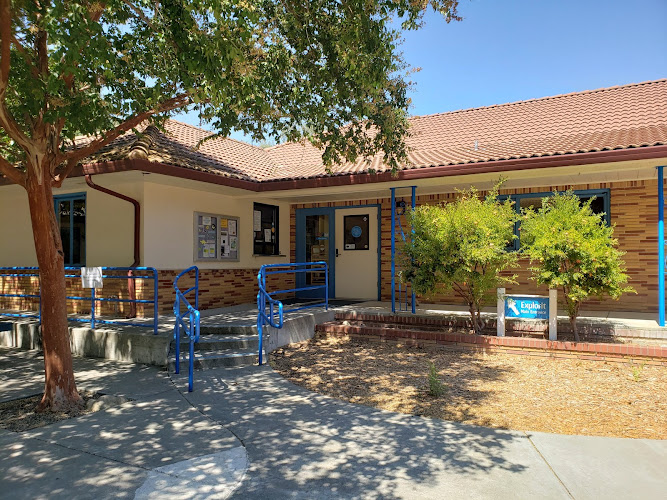
Explorit Science Center
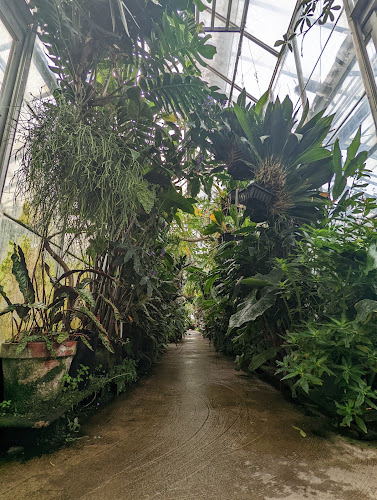
UC Davis Botanical Conservatory

Jan Shrem and Maria Manetti Shrem Museum of Art
Find Accommodations Nearby
Recommended Tours & Activities
Visitor Reviews
There are no reviews yet. Be the first one to write one.
Share Your Experience
Have you visited Hattie Weber Museum of Davis? Help other travelers by leaving a review.