
Haribon Sanctuary – Diver
About Haribon Sanctuary – Diver
Key Features
More Details
Updated June 11, 2025
# Haribon Sanctuary – Diver’s Paradise (Sugbo Island, Surigao City): What You Can Reliably Plan With
If you’re mapping out nature stops around Surigao City, Surigao del Norte, you may see a listing for Haribon Sanctuary – Diver’s Paradise KATFC Mabagsik Espi SAJ on Sugbo Island. The most dependable details available publicly are basic (name, location label, category), so the smartest approach is to treat this as a pin to navigate to—then confirm access, rules, and conditions on the ground.
Here’s what can be stated confidently, plus practical planning advice that doesn’t rely on guesswork.
—
## The facts you can verify before you go
### Official-ish listing details (as published online)
The place is listed online under the name:
– Haribon Sanctuary – Diver’s Paradise KATFC Mabagsik Espi SAJ
– Address label: Sugbo Island, PNPort JoYen1407, Surigao City, Surigao del Norte, Philippines
– Category shown online: Nature Preserve Worldorgs
### Coordinates to use for navigation
Use the coordinates you provided as your primary “source of truth” for getting close:
– 9.7935908, 125.6514116
Tip: when local address formatting is inconsistent (common with island pins), coordinates are often more reliable than road-style addresses.
—
## What’s likely unknown until you confirm locally (and why that matters)
Most listings for smaller sanctuaries in the Philippines don’t consistently publish any of the items travelers usually need. For this specific place, I did not find reliable, primary-source confirmation for:
– entrance fees
– opening hours
– whether there’s an on-site warden/office
– whether diving/snorkeling is actually permitted (despite the “Diver’s Paradise” wording)
– required guides, permits, or safety rules
– whether the pin represents a shoreline access point, a management area, or a broader protected zone
Because of that, treat any third-party “hours” or “fee” snippets you see elsewhere as potentially outdated and verify in Surigao City before committing time and boat costs.
—
## Getting to Surigao City (reliably confirmed logistics)
### Flying in
Surigao Airport (IATA: SUG) serves Surigao City.
That’s the cleanest verified anchor for trip planning: get yourself to Surigao City first, then handle onward transport to the sanctuary locally.
### From Surigao City: plan for a boat leg, but don’t assume the route
The listing’s address includes Sugbo Island, which strongly suggests an island access pattern—however, I can’t confirm the exact boat route or departure point for this sanctuary from available sources.
Practical approach:
– Go to Surigao City first.
– Ask for the most current local routing to “Haribon Sanctuary – Sugbo Island” using the coordinates.
– Confirm whether you need:
– a charter boat vs. scheduled public transport
– a guide/warden sign-in
– tide/time-of-day constraints
—
## How to visit a nature preserve responsibly (no fluff, just what matters)
Even without site-specific rules published, you can follow best-practice behavior that aligns with how marine and coastal protected areas are typically managed:
### On the water
– No touching corals or wildlife. Even “light contact” breaks fragile organisms and can trigger enforcement issues.
– Don’t anchor on reef. If you’re on a private boat, ask the operator how they’ll moor (sand patches or established moorings are the usual low-impact options).
– Control fins and buoyancy if snorkeling or diving—most damage in sanctuaries is accidental, not malicious.
### Onshore / trail-side (if applicable)
– Stay on durable surfaces; avoid trampling coastal vegetation.
– Pack out everything, including organic scraps (they attract pests and change local animal behavior).
### Inclusivity and accessibility reality check
Many nature preserves in island contexts have:
– uneven footing, small boats, and no ramps
– limited shade and limited toilets
– variable safety equipment standards
If anyone in your group has mobility, balance, or heat-sensitivity considerations, plan as if amenities are minimal and confirm specifics locally before you go.
—
## What to bring (the boring stuff that prevents a bad day)
This is the “you’ll thank yourself later” list for remote coastal/island nature stops:
– Dry bag (phone + documents)
– reef-safe sun protection (or long-sleeve rash guard + hat)
– water + electrolytes (heat and boat rides dehydrate fast)
– basic first aid (cuts happen easily around rocks/boats)
– cash in small bills (signal + card payments can be unreliable in small-operator setups)
– snorkel mask you trust (rentals vary wildly in fit and condition)
—
—
## A simple, low-risk plan for visiting
If you want the lowest “wasted day” risk:
1. Arrive in Surigao City early.
2. Validate the pin (9.7935908, 125.6514116) with a local boat operator or tourism desk using offline maps.
3. Ask three questions before you pay for transport:
– “Is access open today?”
– “Is snorkeling/diving allowed there right now?”
– “Are there any restrictions, fees, or a required guide?”
4. Go only if answers are clear and the operator sounds consistent (vague answers often = you’ll get stuck midstream).
—
## Data quality note (important)
The only consistently verifiable public info for this specific place is its name, island label, Surigao City/Surigao del Norte association, and nature preserve categorization as shown in online listings. Those listings can lag reality, so treat them as starting points, not confirmations.
Table of Contents
Key Highlights
Haribon Sanctuary – Diver
Location
Places to Stay Near Haribon Sanctuary - Diver's Paradise KATFC Mabagsik Espi SAJ
Find and Book a Tour
Explore More Travel Guides
No reviews found! Be the first to review!
Traveler Reviews for Haribon Sanctuary – Diver
There are no reviews yet. Be the first one to write one.
Have you visited Haribon Sanctuary – Diver? Help other travelers by sharing your review.
You Might Also Like

Mabua Pebble Beach
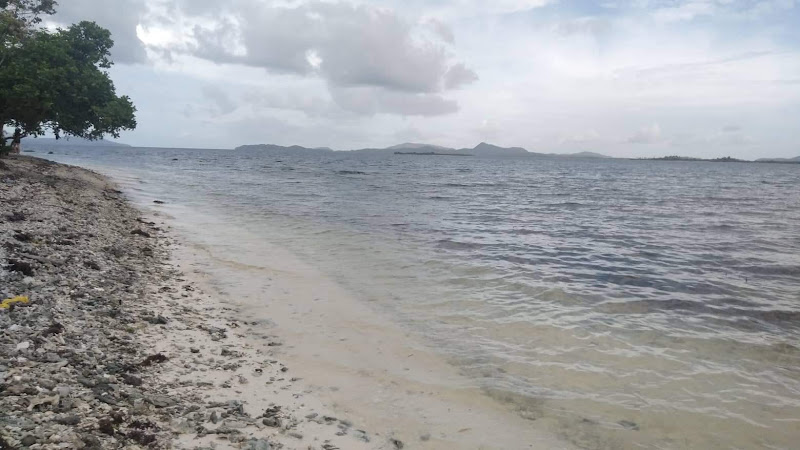
Tanghanonan beach Surigao City Surigao del Norte
Samuyo Beach
Find Accommodations Nearby
Recommended Tours & Activities
Visitor Reviews
There are no reviews yet. Be the first one to write one.
Share Your Experience
Have you visited Haribon Sanctuary – Diver? Help other travelers by leaving a review.