
Haijimadaishi
About Haijimadaishi
Description
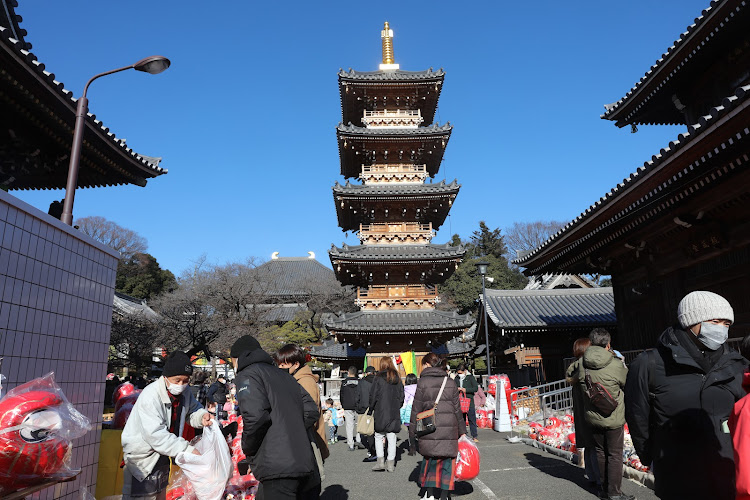
Walk through the quiet lanes of western Tokyo and you'll stumble upon Haijimadaishi, a Buddhist temple with an energy that is oddly calming yet busy, especially at the turn of the year. What stands out most to me? It’s a place that wears its history on every stone and wooden beam, dating back over 440 years. Now, if you’re like me and you love poking your head into temples not just for the architecture, but for the people-watching and the atmosphere of genuine devotion, Haijimadaishi is a real treat.
This temple doesn't just exist in a sleepy corner—it pulses with life during festivals, especially the daruma market (daruma-ichi) in early January. To me, that’s the real magic here. For a place that’s very much about solemn ritual and spiritual tradition, it bursts open with color and chatter during festivals, with stalls and daruma dolls lining the way like sentinels of good luck. The founders of Haijimadaishi were deeply rooted in the study and teaching of Buddhism, with fascinating tales of academic debate and striving for enlightenment.
Although some parts of the complex feel weathered—and maybe not every visitor will be swept off their feet at first glance—the sincere atmosphere and unique blend of water, greenery, and historical halls give the place a distinctive, approachable character. Plus, while it's not exactly wheelchair-friendly (thanks, ancient staircases), if you’re up for a few steps and meandering gravel paths, you'll find plenty to inspire, intrigue, and soothe.
Key Features
- Daruma Market (Daruma-ichi): If you ever wanted to be part of Japan’s earliest daruma doll market, show up for the January New Year festival. The buzz, the colors, even the taste of festival food—it’s worth braving the crowd.
- Historical Significance: The temple’s over four centuries old and carries stories from the Daigo Emperor era, including traditions of rigorous scholarly debate on Buddhist doctrine. If you appreciate places with “been-there-done-that” vibes, this one delivers on depth and gravitas.
- Fortune Rituals: Haijimadaishi is famous for its rites offering protection from bad luck, family safety, traffic safety, academic achievement, and business prosperity. I saw locals patiently waiting in line for the annual goma fire ritual—something I'd recommend witnessing if you can.
- Seasonal Festivals: Besides the New Year rush, the temple hosts ceremonies for children’s milestones (like Shichi-Go-San in November), and worshipers flock here year-round for events big and small.
- Natural Setting: I absolutely loved the temple's grounds: pockets of green, water features, and classic Buddhist architecture all bundled together. In spring, you’ll spot cherry blossoms. In autumn, fiery leaves swirl around the stone steps.
- Buddha Statues and Halls: The main hall, sub-temples, and guardians are statuesque and sturdy, a little weatherworn (which, honestly, adds to their appeal for me), telling stories if you look closely.
Best Time to Visit
If you’re crowd-averse, weekdays outside of festival periods are your best bet—you’ll share the temple with the occasional local visitor, chirping birds, and your own thoughts. But honestly, if you've got that adventurous itch, the first three days of January (right around the New Year) transform the temple into a whirlwind of tradition and color with the legendary daruma market. It's a little chaotic, can’t lie, but it's unforgettable. My cousin was visiting from Australia and still brings up those crowds and the heaps of red, round daruma dolls everywhere.
The autumn leaves in November cast a golden glow across the temple grounds—I can't recommend it enough if you're after classic Japanese autumn vibes (snap some photos, too, because the filters on your phone will barely do it justice). Spring is another excellent time; the temple’s garden comes alive, and the gentle weather makes for easy, lazy wanders.
In short: bracing the crowds in early January for the festivals is 100% worth the memory, but every other season has its charm at Haijimadaishi. Avoid the rainy season (June-ish), unless you enjoy navigating puddles and the smell of pure, clean petrichor.
How to Get There
Finding Haijimadaishi is a breeze compared to some other off-the-path temples I’ve tried to track down in Tokyo. If you’re relying on public transport (and why wouldn’t you? Tokyo’s train system is basically sorcery), get yourself to Haijima Station. From there, it’s about a 10 to 15-minute walk—enough time to build anticipation or grab a steaming cup of coffee from a street-side vending machine on the way. You’ll find plenty of markers and friendly locals happy to point you in the right direction (just flash them your best hajime mashite and a smile).
Driving? Parking’s limited and Japanese street signs can make your head spin if your kanji isn’t up to scratch, so I always tell friends to stick with the train or a taxi. If you’re on a bicycle, good on you—it’s a pleasant enough pedal, just mind those tiny, meandering side streets.
While the route to the temple is straightforward, the temple entrance has several steps, so if mobility’s a concern, it’s good to plan ahead. Don’t be afraid to ask around—locals, in my experience, are patient and often keen to help tourists find their way.
Tips for Visiting
- Festival Timing: The atmosphere at Haijimadaishi during the New Year daruma market is electric, but it can get congested. If crowds aren’t your thing, avoid those first three days of January—but, if you love that festive buzz, don’t miss it!
- Cash is King: You’ll want some yen in your pocket; most festival stalls and ritual offerings are cash-only. There’s a certain simplicity to it—like paying for your fortunes in coins rather than apps.
- Photography Etiquette: The temple, with its mix of ancient halls and lively events, is endlessly photogenic. I’m a “just one more photo” type myself, but be aware of signs and the privacy of worshippers.
- Mind Your Shoes: Some areas (particularly halls and interior spaces) will ask you to remove your shoes. Trust me, there’s nothing more embarrassing than struggling with shoelaces in a busy doorway—slip-ons are your friend here.
- Weather Watch: Tokyo weather can flip from brilliant blue skies to sudden downpours, especially in early summer. Check the forecast before you go. Layer up for winter festivals—it gets nippy.
- Explore Beyond: The Haijima neighborhood is charming in its own right; little bakeries, a few quaint cafes, and some fantastic people-watching. Don’t just rush in and out—linger a while if you can.
- Respect the Space: Many locals come to pray, make offerings, or simply to find a bit of peace. I always try to observe first and blend in rather than stand out— it makes for a much richer experience.
- Kids & Seniors: The steps and gravel paths can be tricky for little ones or elderly visitors. Hold hands, go slow, and if you need to rest, there are usually benches along the way.
Ultimately, Haijimadaishi captures both the ceaseless change and the unshakable traditions of Tokyo. Whether you're collecting good luck, chasing a rare photo opportunity, or just looking for an hour's escape from the relentless pace of city life, this temple has something—quiet or thrilling, depending on when you show up. And don’t take my word for it; go see (and feel) it for yourself. I’ll probably be the one in the corner, debating whether to buy another daruma doll.
Key Features
- Key Features
- Best Time to Visit
- How to Get There
- Tips for Visiting
More Details
Updated June 6, 2025
Table of Contents
Description
Walk through the quiet lanes of western Tokyo and you’ll stumble upon Haijimadaishi, a Buddhist temple with an energy that is oddly calming yet busy, especially at the turn of the year. What stands out most to me? It’s a place that wears its history on every stone and wooden beam, dating back over 440 years. Now, if you’re like me and you love poking your head into temples not just for the architecture, but for the people-watching and the atmosphere of genuine devotion, Haijimadaishi is a real treat.
This temple doesn’t just exist in a sleepy corner—it pulses with life during festivals, especially the daruma market (daruma-ichi) in early January. To me, that’s the real magic here. For a place that’s very much about solemn ritual and spiritual tradition, it bursts open with color and chatter during festivals, with stalls and daruma dolls lining the way like sentinels of good luck. The founders of Haijimadaishi were deeply rooted in the study and teaching of Buddhism, with fascinating tales of academic debate and striving for enlightenment.
Although some parts of the complex feel weathered—and maybe not every visitor will be swept off their feet at first glance—the sincere atmosphere and unique blend of water, greenery, and historical halls give the place a distinctive, approachable character. Plus, while it’s not exactly wheelchair-friendly (thanks, ancient staircases), if you’re up for a few steps and meandering gravel paths, you’ll find plenty to inspire, intrigue, and soothe.
Key Features
- Daruma Market (Daruma-ichi): If you ever wanted to be part of Japan’s earliest daruma doll market, show up for the January New Year festival. The buzz, the colors, even the taste of festival food—it’s worth braving the crowd.
- Historical Significance: The temple’s over four centuries old and carries stories from the Daigo Emperor era, including traditions of rigorous scholarly debate on Buddhist doctrine. If you appreciate places with “been-there-done-that” vibes, this one delivers on depth and gravitas.
- Fortune Rituals: Haijimadaishi is famous for its rites offering protection from bad luck, family safety, traffic safety, academic achievement, and business prosperity. I saw locals patiently waiting in line for the annual goma fire ritual—something I’d recommend witnessing if you can.
- Seasonal Festivals: Besides the New Year rush, the temple hosts ceremonies for children’s milestones (like Shichi-Go-San in November), and worshipers flock here year-round for events big and small.
- Natural Setting: I absolutely loved the temple’s grounds: pockets of green, water features, and classic Buddhist architecture all bundled together. In spring, you’ll spot cherry blossoms. In autumn, fiery leaves swirl around the stone steps.
- Buddha Statues and Halls: The main hall, sub-temples, and guardians are statuesque and sturdy, a little weatherworn (which, honestly, adds to their appeal for me), telling stories if you look closely.
Best Time to Visit
If you’re crowd-averse, weekdays outside of festival periods are your best bet—you’ll share the temple with the occasional local visitor, chirping birds, and your own thoughts. But honestly, if you’ve got that adventurous itch, the first three days of January (right around the New Year) transform the temple into a whirlwind of tradition and color with the legendary daruma market. It’s a little chaotic, can’t lie, but it’s unforgettable. My cousin was visiting from Australia and still brings up those crowds and the heaps of red, round daruma dolls everywhere.
The autumn leaves in November cast a golden glow across the temple grounds—I can’t recommend it enough if you’re after classic Japanese autumn vibes (snap some photos, too, because the filters on your phone will barely do it justice). Spring is another excellent time; the temple’s garden comes alive, and the gentle weather makes for easy, lazy wanders.
In short: bracing the crowds in early January for the festivals is 100% worth the memory, but every other season has its charm at Haijimadaishi. Avoid the rainy season (June-ish), unless you enjoy navigating puddles and the smell of pure, clean petrichor.
How to Get There
Finding Haijimadaishi is a breeze compared to some other off-the-path temples I’ve tried to track down in Tokyo. If you’re relying on public transport (and why wouldn’t you? Tokyo’s train system is basically sorcery), get yourself to Haijima Station. From there, it’s about a 10 to 15-minute walk—enough time to build anticipation or grab a steaming cup of coffee from a street-side vending machine on the way. You’ll find plenty of markers and friendly locals happy to point you in the right direction (just flash them your best hajime mashite and a smile).
Driving? Parking’s limited and Japanese street signs can make your head spin if your kanji isn’t up to scratch, so I always tell friends to stick with the train or a taxi. If you’re on a bicycle, good on you—it’s a pleasant enough pedal, just mind those tiny, meandering side streets.
While the route to the temple is straightforward, the temple entrance has several steps, so if mobility’s a concern, it’s good to plan ahead. Don’t be afraid to ask around—locals, in my experience, are patient and often keen to help tourists find their way.
Tips for Visiting
- Festival Timing: The atmosphere at Haijimadaishi during the New Year daruma market is electric, but it can get congested. If crowds aren’t your thing, avoid those first three days of January—but, if you love that festive buzz, don’t miss it!
- Cash is King: You’ll want some yen in your pocket; most festival stalls and ritual offerings are cash-only. There’s a certain simplicity to it—like paying for your fortunes in coins rather than apps.
- Photography Etiquette: The temple, with its mix of ancient halls and lively events, is endlessly photogenic. I’m a “just one more photo” type myself, but be aware of signs and the privacy of worshippers.
- Mind Your Shoes: Some areas (particularly halls and interior spaces) will ask you to remove your shoes. Trust me, there’s nothing more embarrassing than struggling with shoelaces in a busy doorway—slip-ons are your friend here.
- Weather Watch: Tokyo weather can flip from brilliant blue skies to sudden downpours, especially in early summer. Check the forecast before you go. Layer up for winter festivals—it gets nippy.
- Explore Beyond: The Haijima neighborhood is charming in its own right; little bakeries, a few quaint cafes, and some fantastic people-watching. Don’t just rush in and out—linger a while if you can.
- Respect the Space: Many locals come to pray, make offerings, or simply to find a bit of peace. I always try to observe first and blend in rather than stand out— it makes for a much richer experience.
- Kids & Seniors: The steps and gravel paths can be tricky for little ones or elderly visitors. Hold hands, go slow, and if you need to rest, there are usually benches along the way.
Ultimately, Haijimadaishi captures both the ceaseless change and the unshakable traditions of Tokyo. Whether you’re collecting good luck, chasing a rare photo opportunity, or just looking for an hour’s escape from the relentless pace of city life, this temple has something—quiet or thrilling, depending on when you show up. And don’t take my word for it; go see (and feel) it for yourself. I’ll probably be the one in the corner, debating whether to buy another daruma doll.
Key Highlights
- Key Features
- Best Time to Visit
- How to Get There
- Tips for Visiting
Location
Places to Stay Near Haijimadaishi
Find and Book a Tour
Explore More Travel Guides
No reviews found! Be the first to review!
Traveler Reviews for Haijimadaishi
There are no reviews yet. Be the first one to write one.
Have you visited Haijimadaishi? Help other travelers by sharing your review.
You Might Also Like
Gingko Tree Avenue
Ishibune Bridge
Kujira Sports Park
Find Accommodations Nearby
Recommended Tours & Activities
Visitor Reviews
There are no reviews yet. Be the first one to write one.
Share Your Experience
Have you visited Haijimadaishi? Help other travelers by leaving a review.