
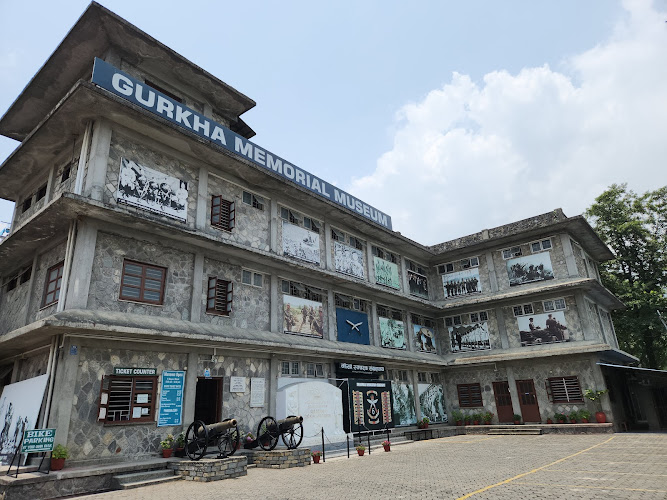
Gurkha Memorial Museum
About Gurkha Memorial Museum
Description
The Gurkha Memorial Museum is one of those places that quietly stays with you long after you’ve walked out the door. It’s not flashy or trying too hard. Instead, it tells the story of Nepal’s Gurkha soldiers in a grounded, respectful way that feels honest. For travelers who like history with heart, this museum lands right in that sweet spot.
The focus here is on the Gurkhas themselves – ordinary men from the hills of Nepal who became extraordinary soldiers serving in armies around the world, most famously the British and Indian forces. The museum uses a mix of traditional displays and interactive multimedia exhibits, which means you’re not just staring at old photos and faded uniforms. You’re hearing voices, watching short films, and following timelines that make sense even if you walked in knowing almost nothing about Gurkha history. And honestly, a lot of people do.
I remember visiting a few years back, expecting a quick stop, maybe an hour at most. I ended up staying way longer. Part of that was the storytelling. One exhibit follows a single soldier’s journey from a rural Nepali village through recruitment, training, and overseas service. It’s detailed, sometimes heavy, but never dull. You start thinking about the families left behind, the culture shock, and the loyalty these soldiers carried with them. It hits harder than you expect.
The tone of the museum is respectful but not stiff. There are moments of pride, moments of loss, and moments that made me pause and reread panels just to take it all in. The famous bravery of the Gurkhas is here, yes, but so are the everyday realities: long separations, changing politics, and what happens after service ends. That balance is what makes the experience feel real rather than polished for tourists.
For travelers with kids, the museum does a decent job keeping younger visitors engaged without dumbing things down. Interactive screens and visual storytelling help a lot. Accessibility is thoughtfully handled too, with wheelchair-friendly entrances and restrooms, which I always notice because, sadly, not every museum gets this right.
Is it perfect? No. Some exhibits could use a refresh, and a few displays feel a bit dated. But somehow that adds to the charm. This is a place built with care, not hype. And if you’re the kind of traveler who wants to understand a country beyond food photos and landmarks, the Gurkha Memorial Museum feels like an essential stop.
Key Features
- Interactive multimedia exhibits that bring Gurkha history to life through sound, video, and personal stories
- Detailed coverage of Gurkha soldiers’ roles in global conflicts, including lesser-known campaigns
- Personal artifacts such as uniforms, medals, letters, and photographs that feel genuinely moving
- Clear explanations of Gurkha recruitment, training, and traditions, even for first-time learners
- Family-friendly layout with engaging displays suitable for children and teens
- Wheelchair-accessible entrance, parking, and restrooms for inclusive visiting
- Quiet reflection areas that let you pause and absorb what you’ve seen
Best Time to Visit
The museum can technically be visited year-round, but timing does make a difference to your experience. Mornings tend to be calmer, especially on weekdays. If you like to take your time reading every panel and watching every video, earlier in the day is your best bet. By midday, especially during peak travel seasons, it can get a little busier with tour groups and families.
If you’re traveling during the hotter months, the museum offers a welcome break from the sun. Climate-controlled indoor spaces mean you can comfortably explore without rushing. I’ve ducked in here on a sweltering afternoon before, thinking I’d cool off for a bit, and ended up staying until closing.
Special commemorative dates related to military history sometimes bring added context, like temporary displays or a more reflective atmosphere. On those days, the museum feels heavier, but also more meaningful. If you’re someone who appreciates that depth, it’s worth planning around those moments. Just know it may be busier.
Weekends are fine if that’s when you’re free, but expect a bit more noise and movement. If you’re sensitive to crowds or want a more personal experience, aim for a weekday morning. Trust me on this one. The stories deserve your full attention.
How to Get There
Getting to the Gurkha Memorial Museum is fairly straightforward, whether you’re using public transport, a taxi, or your own vehicle. Most travelers find taxis or ride-hailing services the easiest option, especially if they’re unfamiliar with the area. Drivers generally know the museum by name, which saves a lot of explaining.
If you prefer public transport, nearby bus routes make it accessible, though you may have a short walk at the end. That walk is usually pleasant and gives you a moment to shift gears mentally before stepping into a place focused on memory and history. I kind of like that transition, actually.
For those driving, parking is available and accessible. That’s a big plus, especially for families or visitors with mobility needs. The approach to the museum is well-signposted, so you’re unlikely to get lost, even if your sense of direction is… let’s say, questionable. Mine certainly is.
Many travelers pair a visit here with other nearby attractions, making it an easy addition to a day’s itinerary. It doesn’t demand an entire day, but it does deserve a solid block of time. Rushing through would feel like doing it a disservice.
Tips for Visiting
Give yourself at least two hours. You could technically walk through faster, but you’d miss the quieter moments that make this museum special. Some of the most powerful parts are short video clips or personal letters tucked away in corners.
Read more than you think you need to. The panels are well-written, and skipping them means losing context. I’m usually guilty of skimming in museums, but here I slowed down. And I’m glad I did.
Bring kids, but set expectations. This isn’t an amusement center, and that’s okay. It’s educational in the best sense. Encourage questions. The exhibits spark good ones.
There’s no restaurant on-site, so plan meals accordingly. A light snack beforehand isn’t a bad idea, especially if you’re visiting with children or planning a longer stay.
Photography rules are generally reasonable, but be respectful. Some areas feel more like memorial spaces than exhibits, and treating them that way just feels right.
If you have limited mobility, you’ll find the museum accommodating. Still, taking breaks is wise. There’s a lot to absorb, emotionally as well as physically.
Finally, don’t rush off immediately after. Take a moment outside, think about what you’ve learned, maybe talk it through with whoever you’re traveling with. The Gurkha Memorial Museum isn’t just about the past. It nudges you to think about service, sacrifice, and what those words really mean. And that, to me, is the mark of a museum worth visiting.
Key Features
- Interactive multimedia exhibits that bring Gurkha history to life through sound, video, and personal stories
- Detailed coverage of Gurkha soldiers’ roles in global conflicts, including lesser-known campaigns
- Personal artifacts such as uniforms, medals, letters, and photographs that feel genuinely moving
- Clear explanations of Gurkha recruitment, training, and traditions, even for first-time learners
- Family-friendly layout with engaging displays suitable for children and teens
- Wheelchair-accessible entrance, parking, and restrooms for inclusive visiting
- Quiet reflection areas that let you pause and absorb what you’ve seen
More Details
Updated December 30, 2025
Table of Contents
Description
The Gurkha Memorial Museum is one of those places that quietly stays with you long after you’ve walked out the door. It’s not flashy or trying too hard. Instead, it tells the story of Nepal’s Gurkha soldiers in a grounded, respectful way that feels honest. For travelers who like history with heart, this museum lands right in that sweet spot.
The focus here is on the Gurkhas themselves – ordinary men from the hills of Nepal who became extraordinary soldiers serving in armies around the world, most famously the British and Indian forces. The museum uses a mix of traditional displays and interactive multimedia exhibits, which means you’re not just staring at old photos and faded uniforms. You’re hearing voices, watching short films, and following timelines that make sense even if you walked in knowing almost nothing about Gurkha history. And honestly, a lot of people do.
I remember visiting a few years back, expecting a quick stop, maybe an hour at most. I ended up staying way longer. Part of that was the storytelling. One exhibit follows a single soldier’s journey from a rural Nepali village through recruitment, training, and overseas service. It’s detailed, sometimes heavy, but never dull. You start thinking about the families left behind, the culture shock, and the loyalty these soldiers carried with them. It hits harder than you expect.
The tone of the museum is respectful but not stiff. There are moments of pride, moments of loss, and moments that made me pause and reread panels just to take it all in. The famous bravery of the Gurkhas is here, yes, but so are the everyday realities: long separations, changing politics, and what happens after service ends. That balance is what makes the experience feel real rather than polished for tourists.
For travelers with kids, the museum does a decent job keeping younger visitors engaged without dumbing things down. Interactive screens and visual storytelling help a lot. Accessibility is thoughtfully handled too, with wheelchair-friendly entrances and restrooms, which I always notice because, sadly, not every museum gets this right.
Is it perfect? No. Some exhibits could use a refresh, and a few displays feel a bit dated. But somehow that adds to the charm. This is a place built with care, not hype. And if you’re the kind of traveler who wants to understand a country beyond food photos and landmarks, the Gurkha Memorial Museum feels like an essential stop.
Key Features
- Interactive multimedia exhibits that bring Gurkha history to life through sound, video, and personal stories
- Detailed coverage of Gurkha soldiers’ roles in global conflicts, including lesser-known campaigns
- Personal artifacts such as uniforms, medals, letters, and photographs that feel genuinely moving
- Clear explanations of Gurkha recruitment, training, and traditions, even for first-time learners
- Family-friendly layout with engaging displays suitable for children and teens
- Wheelchair-accessible entrance, parking, and restrooms for inclusive visiting
- Quiet reflection areas that let you pause and absorb what you’ve seen
Best Time to Visit
The museum can technically be visited year-round, but timing does make a difference to your experience. Mornings tend to be calmer, especially on weekdays. If you like to take your time reading every panel and watching every video, earlier in the day is your best bet. By midday, especially during peak travel seasons, it can get a little busier with tour groups and families.
If you’re traveling during the hotter months, the museum offers a welcome break from the sun. Climate-controlled indoor spaces mean you can comfortably explore without rushing. I’ve ducked in here on a sweltering afternoon before, thinking I’d cool off for a bit, and ended up staying until closing.
Special commemorative dates related to military history sometimes bring added context, like temporary displays or a more reflective atmosphere. On those days, the museum feels heavier, but also more meaningful. If you’re someone who appreciates that depth, it’s worth planning around those moments. Just know it may be busier.
Weekends are fine if that’s when you’re free, but expect a bit more noise and movement. If you’re sensitive to crowds or want a more personal experience, aim for a weekday morning. Trust me on this one. The stories deserve your full attention.
How to Get There
Getting to the Gurkha Memorial Museum is fairly straightforward, whether you’re using public transport, a taxi, or your own vehicle. Most travelers find taxis or ride-hailing services the easiest option, especially if they’re unfamiliar with the area. Drivers generally know the museum by name, which saves a lot of explaining.
If you prefer public transport, nearby bus routes make it accessible, though you may have a short walk at the end. That walk is usually pleasant and gives you a moment to shift gears mentally before stepping into a place focused on memory and history. I kind of like that transition, actually.
For those driving, parking is available and accessible. That’s a big plus, especially for families or visitors with mobility needs. The approach to the museum is well-signposted, so you’re unlikely to get lost, even if your sense of direction is… let’s say, questionable. Mine certainly is.
Many travelers pair a visit here with other nearby attractions, making it an easy addition to a day’s itinerary. It doesn’t demand an entire day, but it does deserve a solid block of time. Rushing through would feel like doing it a disservice.
Tips for Visiting
Give yourself at least two hours. You could technically walk through faster, but you’d miss the quieter moments that make this museum special. Some of the most powerful parts are short video clips or personal letters tucked away in corners.
Read more than you think you need to. The panels are well-written, and skipping them means losing context. I’m usually guilty of skimming in museums, but here I slowed down. And I’m glad I did.
Bring kids, but set expectations. This isn’t an amusement center, and that’s okay. It’s educational in the best sense. Encourage questions. The exhibits spark good ones.
There’s no restaurant on-site, so plan meals accordingly. A light snack beforehand isn’t a bad idea, especially if you’re visiting with children or planning a longer stay.
Photography rules are generally reasonable, but be respectful. Some areas feel more like memorial spaces than exhibits, and treating them that way just feels right.
If you have limited mobility, you’ll find the museum accommodating. Still, taking breaks is wise. There’s a lot to absorb, emotionally as well as physically.
Finally, don’t rush off immediately after. Take a moment outside, think about what you’ve learned, maybe talk it through with whoever you’re traveling with. The Gurkha Memorial Museum isn’t just about the past. It nudges you to think about service, sacrifice, and what those words really mean. And that, to me, is the mark of a museum worth visiting.
Key Highlights
- Interactive multimedia exhibits that bring Gurkha history to life through sound, video, and personal stories
- Detailed coverage of Gurkha soldiers’ roles in global conflicts, including lesser-known campaigns
- Personal artifacts such as uniforms, medals, letters, and photographs that feel genuinely moving
- Clear explanations of Gurkha recruitment, training, and traditions, even for first-time learners
- Family-friendly layout with engaging displays suitable for children and teens
- Wheelchair-accessible entrance, parking, and restrooms for inclusive visiting
- Quiet reflection areas that let you pause and absorb what you’ve seen
Location
Places to Stay Near Gurkha Memorial Museum
Find and Book a Tour
Explore More Travel Guides
No reviews found! Be the first to review!
Traveler Reviews for Gurkha Memorial Museum
There are no reviews yet. Be the first one to write one.
Have you visited Gurkha Memorial Museum? Help other travelers by sharing your review.
You Might Also Like

Shree Bindhyabasini Temple

Sarangkot View Point
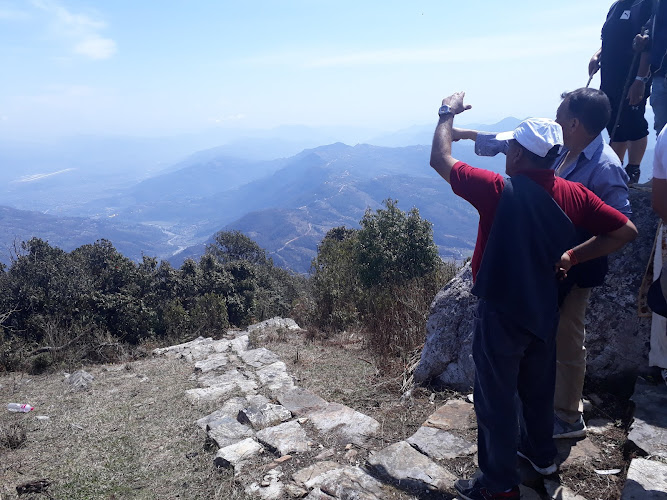
Thaple Tiger Hill
Find Accommodations Nearby
Recommended Tours & Activities
Visitor Reviews
There are no reviews yet. Be the first one to write one.
Share Your Experience
Have you visited Gurkha Memorial Museum? Help other travelers by leaving a review.