
Guitar History Museum
About Guitar History Museum
Description
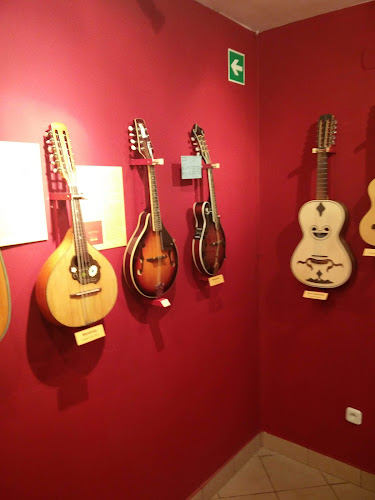
The Guitar History Museum in Katowice, Poland is a privately owned collection that focuses on the story of the guitar — from early acoustic shapes to the blistering electrics that rewrote popular music. Housed in a modest building in the city, the museum presents carefully curated displays of instruments, parts, and ephemera, with guided tours available by appointment. It feels less like a big municipal institution and more like stepping into a collector's living room where each object has a backstory and the curator knows the punchline.
The exhibits trace guitar history across styles and geographies: classical instruments and early Spanish forms sit beside mid-century steel-string workhorses and peculiar experimental electrics. There are Polish-made instruments and components, which underscores the regional craftsmanship that often gets overshadowed by big-name brands elsewhere. The layout is compact but dense; visitors often find themselves lingering over a single cabinet for longer than planned because the labels are informative, sometimes cheeky, and occasionally opinionated — in other words, human.
Because the museum operates on a tour-by-appointment model, the experience is intimate. Small groups, often fewer than a dozen, move room to room with a guide who mixes technical detail with cultural anecdotes. Expect explanations about wood selection, pickup evolution, and the odd repair job that saved a famous instrument from oblivion. The museum emphasizes conservation; many pieces are stabilized and displayed with lighting and humidity considerations that collectors respect. Photography is generally allowed for non-commercial purposes, though the guide will note delicate items that must not be touched. For families, there are kid-friendly explanations and occasional opportunities for children to try out a basic instrument under supervision, which tends to make young visitors perk up and stop sighing five minutes into the tour.
Practical things to know: there is a restroom on site but no restaurant — so bring a snack or plan to eat before or after the visit. Tickets should be booked ahead, especially during weekends or landmark music events in Katowice, because slots fill fast. The museum is often praised for its knowledgeable hosts and rare finds, though some visitors note that its scale is smaller than they expected; that smallness, however, is part of its charm for those who prefer depth over breadth. In short, the Guitar History Museum is for people who care about how instruments were made, how they travelled through time, and how they shaped songs that people keep singing.
Key Features
- Privately curated, specialized collection of guitars and related artifacts
- Tours by appointment offering in-depth guided commentary
- Range of instruments: classical, steel-string, vintage electrics, regional Polish pieces
- Conservation-minded displays with detailed explanatory labels
- Family-friendly elements and educational anecdotes to engage children
- Limited on-site amenities: restroom available, no restaurant
- Small-group atmosphere that encourages questions and close-up viewing (when allowed)
- Good for photography for personal use; commercial photography requires permission
Best Time to Visit
Spring and autumn are particularly pleasant times to visit Katowice and the Guitar History Museum: the weather is mild, city accommodations are often more affordable than during peak summer, and the museum's appointment slots are easier to secure. Weekdays, especially mid-morning appointments, tend to offer the quietest experience — fewer groups, more time with the guide, and a calmer atmosphere for close looking. If the reader happens to be in town for a music festival or a cultural event, it pays to plan early. During city events, demand rises and the museum's already small visitor windows can disappear quickly.
For families traveling with school-age kids, late afternoon visits sometimes work best because youngsters have had the day to adjust to the time zone and are less likely to be cranky. On the other hand, if one wants to meet the curator or hear special-curation stories, asking about early openings or off-peak tours may reward you with longer anecdotes — those behind-the-scenes moments that don't make it into the regular script.
How to Get There
The Guitar History Museum is located within Katowice, a city well connected by train, bus, and regional transport across Silesia. From the main train station in the city center, a short tram or bus ride will do the trick; many visitors choose a quick taxi or rideshare when carrying luggage or musical gear. The neighborhood itself is urban and walkable, so once you arrive, on-foot exploration is straightforward.
If coming from farther afield, regional trains and buses into Katowice are frequent and efficient. The city has good links to the wider Silesian area, so visitors combining a museum trip with other cultural sites can plan a multi-stop day. Drivers should be prepared for typical urban parking situations; street parking and paid lots are available but can fill up during busy times. Because the museum's tours are appointment-based, timing public transport connection to the scheduled tour is wise; nobody likes sprinting through city streets while clutching a ticket and a guitar-shaped dream.
Tips for Visiting
Book ahead. This cannot be stressed enough. The place runs on scheduled tours, and last-minute walk-ins are often turned away simply because the curator wants to deliver a consistent, immersive experience. Advanced booking also makes it possible to request language preferences for the guide — the museum usually accommodates English-speaking visitors if given notice.
Plan for 60 to 90 minutes. That’s the sweet spot for an appointment tour: long enough to explore the key displays and ask questions, short enough to leave you keen for more rather than exhausted. If the visitor is a musician, it’s fine to say so when booking; the guide can sometimes tailor the technical depth accordingly. Likewise, parents should flag if they have very small children — the staff can suggest the most engaging parts of the tour for young ears.
Come curious, not reverent. The museum rewards questions about provenance, construction, and cultural context. Ask about specific makers, the stories behind patched-up instruments, or how certain tones were achieved historically. The guide loves this stuff, truly — and will often reward curiosity with anecdotes, like the time a neglected amp saved a mid-century guitar from being discarded, or how a local luthier improvised a neck replacement in an apartment during winter blackouts. Those little asides make the tour memorable.
Mind the rules. Some instruments are fragile or insured and cannot be handled. Even when touching is allowed, use the cloth gloves provided or follow the guide’s instructions. Photography for personal use is normally okay, but always check before using flash. If a visitor plans to shoot for social media or more formal uses, ask permission in advance — the museum appreciates heads-up for lighting and copyright reasons.
Combine visits. The museum pairs well with other cultural stops in Katowice and the Silesian region. A quick cultural loop might include a larger municipal museum for art or industrial heritage, then finish at a café where conversations about vintage guitars and local music scenes flow freely. The museum's lack of an on-site restaurant means most visitors make a short plan for food nearby; try a local café before or after the tour to keep energy levels up.
Bring a little cash and a card. Most places accept cards in Katowice, but small vendors and smaller cafés sometimes prefer cash. The museum itself is likely to accept card payments, yet the friendly thing to do is to have a small amount of local currency for tips or for snacks nearby.
Finally, temper expectations. The Guitar History Museum is intimate and specialist. If a visitor expects a vast hall of dozens of rooms, disappointment could follow. But if one wants a concentrated, story-rich dive into guitar history, with regional flavor and personable guides, this place is worth carving out an hour of the itinerary. Many leave thinking they learned a fresh angle on an instrument they thought they already knew. And that, truly, is the point of a small museum: it changes the way you listen.
Key Features
- Privately curated, specialized collection of guitars and related artifacts
- Tours by appointment offering in-depth guided commentary
- Range of instruments: classical, steel-string, vintage electrics, regional Polish pieces
- Conservation-minded displays with detailed explanatory labels
- Family-friendly elements and educational anecdotes to engage children
- Limited on-site amenities: restroom available, no restaurant
- Small-group atmosphere that encourages questions and close-up viewing (when allowed)
- Good for photography for personal use; commercial photography requires permission
More Details
Updated August 29, 2025
Table of Contents
Description
The Guitar History Museum in Katowice, Poland is a privately owned collection that focuses on the story of the guitar — from early acoustic shapes to the blistering electrics that rewrote popular music. Housed in a modest building in the city, the museum presents carefully curated displays of instruments, parts, and ephemera, with guided tours available by appointment. It feels less like a big municipal institution and more like stepping into a collector’s living room where each object has a backstory and the curator knows the punchline.
The exhibits trace guitar history across styles and geographies: classical instruments and early Spanish forms sit beside mid-century steel-string workhorses and peculiar experimental electrics. There are Polish-made instruments and components, which underscores the regional craftsmanship that often gets overshadowed by big-name brands elsewhere. The layout is compact but dense; visitors often find themselves lingering over a single cabinet for longer than planned because the labels are informative, sometimes cheeky, and occasionally opinionated — in other words, human.
Because the museum operates on a tour-by-appointment model, the experience is intimate. Small groups, often fewer than a dozen, move room to room with a guide who mixes technical detail with cultural anecdotes. Expect explanations about wood selection, pickup evolution, and the odd repair job that saved a famous instrument from oblivion. The museum emphasizes conservation; many pieces are stabilized and displayed with lighting and humidity considerations that collectors respect. Photography is generally allowed for non-commercial purposes, though the guide will note delicate items that must not be touched. For families, there are kid-friendly explanations and occasional opportunities for children to try out a basic instrument under supervision, which tends to make young visitors perk up and stop sighing five minutes into the tour.
Practical things to know: there is a restroom on site but no restaurant — so bring a snack or plan to eat before or after the visit. Tickets should be booked ahead, especially during weekends or landmark music events in Katowice, because slots fill fast. The museum is often praised for its knowledgeable hosts and rare finds, though some visitors note that its scale is smaller than they expected; that smallness, however, is part of its charm for those who prefer depth over breadth. In short, the Guitar History Museum is for people who care about how instruments were made, how they travelled through time, and how they shaped songs that people keep singing.
Key Features
- Privately curated, specialized collection of guitars and related artifacts
- Tours by appointment offering in-depth guided commentary
- Range of instruments: classical, steel-string, vintage electrics, regional Polish pieces
- Conservation-minded displays with detailed explanatory labels
- Family-friendly elements and educational anecdotes to engage children
- Limited on-site amenities: restroom available, no restaurant
- Small-group atmosphere that encourages questions and close-up viewing (when allowed)
- Good for photography for personal use; commercial photography requires permission
Best Time to Visit
Spring and autumn are particularly pleasant times to visit Katowice and the Guitar History Museum: the weather is mild, city accommodations are often more affordable than during peak summer, and the museum’s appointment slots are easier to secure. Weekdays, especially mid-morning appointments, tend to offer the quietest experience — fewer groups, more time with the guide, and a calmer atmosphere for close looking. If the reader happens to be in town for a music festival or a cultural event, it pays to plan early. During city events, demand rises and the museum’s already small visitor windows can disappear quickly.
For families traveling with school-age kids, late afternoon visits sometimes work best because youngsters have had the day to adjust to the time zone and are less likely to be cranky. On the other hand, if one wants to meet the curator or hear special-curation stories, asking about early openings or off-peak tours may reward you with longer anecdotes — those behind-the-scenes moments that don’t make it into the regular script.
How to Get There
The Guitar History Museum is located within Katowice, a city well connected by train, bus, and regional transport across Silesia. From the main train station in the city center, a short tram or bus ride will do the trick; many visitors choose a quick taxi or rideshare when carrying luggage or musical gear. The neighborhood itself is urban and walkable, so once you arrive, on-foot exploration is straightforward.
If coming from farther afield, regional trains and buses into Katowice are frequent and efficient. The city has good links to the wider Silesian area, so visitors combining a museum trip with other cultural sites can plan a multi-stop day. Drivers should be prepared for typical urban parking situations; street parking and paid lots are available but can fill up during busy times. Because the museum’s tours are appointment-based, timing public transport connection to the scheduled tour is wise; nobody likes sprinting through city streets while clutching a ticket and a guitar-shaped dream.
Tips for Visiting
Book ahead. This cannot be stressed enough. The place runs on scheduled tours, and last-minute walk-ins are often turned away simply because the curator wants to deliver a consistent, immersive experience. Advanced booking also makes it possible to request language preferences for the guide — the museum usually accommodates English-speaking visitors if given notice.
Plan for 60 to 90 minutes. That’s the sweet spot for an appointment tour: long enough to explore the key displays and ask questions, short enough to leave you keen for more rather than exhausted. If the visitor is a musician, it’s fine to say so when booking; the guide can sometimes tailor the technical depth accordingly. Likewise, parents should flag if they have very small children — the staff can suggest the most engaging parts of the tour for young ears.
Come curious, not reverent. The museum rewards questions about provenance, construction, and cultural context. Ask about specific makers, the stories behind patched-up instruments, or how certain tones were achieved historically. The guide loves this stuff, truly — and will often reward curiosity with anecdotes, like the time a neglected amp saved a mid-century guitar from being discarded, or how a local luthier improvised a neck replacement in an apartment during winter blackouts. Those little asides make the tour memorable.
Mind the rules. Some instruments are fragile or insured and cannot be handled. Even when touching is allowed, use the cloth gloves provided or follow the guide’s instructions. Photography for personal use is normally okay, but always check before using flash. If a visitor plans to shoot for social media or more formal uses, ask permission in advance — the museum appreciates heads-up for lighting and copyright reasons.
Combine visits. The museum pairs well with other cultural stops in Katowice and the Silesian region. A quick cultural loop might include a larger municipal museum for art or industrial heritage, then finish at a café where conversations about vintage guitars and local music scenes flow freely. The museum’s lack of an on-site restaurant means most visitors make a short plan for food nearby; try a local café before or after the tour to keep energy levels up.
Bring a little cash and a card. Most places accept cards in Katowice, but small vendors and smaller cafés sometimes prefer cash. The museum itself is likely to accept card payments, yet the friendly thing to do is to have a small amount of local currency for tips or for snacks nearby.
Finally, temper expectations. The Guitar History Museum is intimate and specialist. If a visitor expects a vast hall of dozens of rooms, disappointment could follow. But if one wants a concentrated, story-rich dive into guitar history, with regional flavor and personable guides, this place is worth carving out an hour of the itinerary. Many leave thinking they learned a fresh angle on an instrument they thought they already knew. And that, truly, is the point of a small museum: it changes the way you listen.
Key Highlights
- Privately curated, specialized collection of guitars and related artifacts
- Tours by appointment offering in-depth guided commentary
- Range of instruments: classical, steel-string, vintage electrics, regional Polish pieces
- Conservation-minded displays with detailed explanatory labels
- Family-friendly elements and educational anecdotes to engage children
- Limited on-site amenities: restroom available, no restaurant
- Small-group atmosphere that encourages questions and close-up viewing (when allowed)
- Good for photography for personal use; commercial photography requires permission
Location
Places to Stay Near Guitar History Museum
Find and Book a Tour
Explore More Travel Guides
No reviews found! Be the first to review!
Traveler Reviews for Guitar History Museum
There are no reviews yet. Be the first one to write one.
Have you visited Guitar History Museum? Help other travelers by sharing your review.
You Might Also Like
Kościół Rzymskokatolicki p.w. Niepokalanego Poczęcia NMP w Katowicach

JumpWorld Park Trampolin Katowice
Archdiocesan Museum
Find Accommodations Nearby
Recommended Tours & Activities
Visitor Reviews
There are no reviews yet. Be the first one to write one.
Share Your Experience
Have you visited Guitar History Museum? Help other travelers by leaving a review.