
Archdiocesan Museum
About Archdiocesan Museum
Description
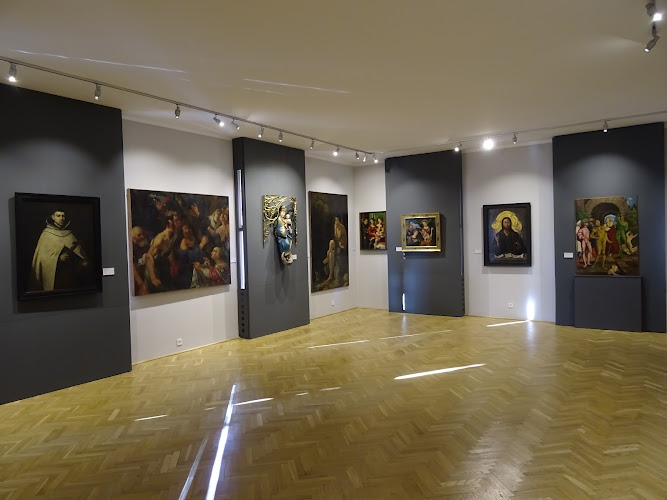
The Archdiocesan Museum in Katowice, Poland, presents a focused, quietly powerful collection that traces faith, craftsmanship and local artistic currents across centuries. This is a museum where religious art meets thoughtful curation — Gothic altarpieces and medieval sacral objects sit in conversation with 20th- and 21st-century modern artwork. The result is not a dusty cabinet of relics but a living catalog of Upper Silesia's spiritual and artistic identity.
Visitors will find paintings, sculptures and liturgical objects carefully displayed to highlight both continuity and contrast. Gothic carvings and devotional panels demonstrate technical virtuosity from earlier centuries, while modern works — sometimes stark, sometimes playful — reflect how Polish artists have reinterpreted faith, memory and social change. Regular temporary exhibitions refresh the program, so returning guests often discover new narratives around Polish sacral art, contemporary religious themes or local cultural history.
What makes the Archdiocesan Museum stand out is its quiet confidence. It does not try to overwhelm with sheer size; instead it relies on selection and context. A small but well-chosen set of paintings might reveal how a particular iconography evolved in Silesia. A single carved figure can tell a thousand small stories about materials, patrons and the hands that shaped the object. For travelers who prefer depth over breadth, this is a welcome approach.
The museum’s curatorial voice also leans toward education without the heavy-handedness some religious museums show. Labels and descriptions are what a curious person would want: concise, informative and — every so often — slightly opinionated (the kind of note that hints at why a restoration mattered or why a certain icon was controversial a hundred years ago). That tonal mix helps visitors connect with the artifacts beyond the obvious: it provokes questions about artistry, devotion, and regional history.
Many visitors remark on the balance between old and new. Gothic altarpieces with their intense storytelling are upstairs or in protected alcoves, while more modern installations often occupy light-filled rooms that encourage reflection. The museum's seasonal exhibitions rotate frequently, so there’s always an incentive to drop by more than once during a stay in Katowice. It’s common to leave thinking about art in ways one didn’t expect — which, frankly, is one of the best outcomes a small museum can hope for.
Architecturally, the museum favors an unflashy but respectful setting: spaces that suit sacred objects (controlled lighting, measured acoustics) and occasional contemporary pieces that require a bit more elbow room. The care taken in displaying fragile Gothic works is obvious; they are conserved and lit with an eye to both preservation and aesthetic impact. That attention to detail signals a museum that treats its collection as both heritage and conversation starter.
Practical notes that matter to travelers: the museum does not have an on-site restaurant, so plan for a light snack beforehand or after. It does, however, make up for that absence with thoughtful amenities for visitors who want to linger: clear signage, helpful staff (often multilingual), and exhibition texts that respect a range of knowledge levels — from first-time museum-goers to people with a background in art history. For those who wish to dig deeper, guided tours and themed displays tend to appear during temporary shows.
For travelers who enjoy context, the Archdiocesan Museum places its collection within the larger story of Silesia and Katowice’s cultural life. Items are not presented in isolation; rather they are threads in a larger weave that includes the city’s religious architecture and industrial past. That regional framing turns a simple visit into a small, concentrated lesson about how faith and art shaped community life here.
There’s also an intimate charm to this place. It’s the kind of museum where a late-afternoon light through a high window suddenly makes a painted saint glow, or where a quiet corner offers an unexpected contemporary piece that makes someone pause and smile (or frown). Small interactions — a staff member pointing out a hidden detail in a baroque frame, a local visitor sharing a family memory tied to a sculpture — often become the memorable parts of the visit.
All in all, the Archdiocesan Museum in Katowice rewards travelers who come prepared to pay attention. It suits those who like to read labels, who prefer conversation over adrenaline, and who appreciate the way sacred art can illuminate a region’s past and present. For anyone interested in religious art, Gothic craftsmanship, Polish painting, or the interplay between tradition and modernity, this museum delivers a considered, pleasantly surprising experience.
Key Features
More Details
Updated August 29, 2025
Table of Contents
Description
The Archdiocesan Museum in Katowice, Poland, presents a focused, quietly powerful collection that traces faith, craftsmanship and local artistic currents across centuries. This is a museum where religious art meets thoughtful curation — Gothic altarpieces and medieval sacral objects sit in conversation with 20th- and 21st-century modern artwork. The result is not a dusty cabinet of relics but a living catalog of Upper Silesia’s spiritual and artistic identity.
Visitors will find paintings, sculptures and liturgical objects carefully displayed to highlight both continuity and contrast. Gothic carvings and devotional panels demonstrate technical virtuosity from earlier centuries, while modern works — sometimes stark, sometimes playful — reflect how Polish artists have reinterpreted faith, memory and social change. Regular temporary exhibitions refresh the program, so returning guests often discover new narratives around Polish sacral art, contemporary religious themes or local cultural history.
What makes the Archdiocesan Museum stand out is its quiet confidence. It does not try to overwhelm with sheer size; instead it relies on selection and context. A small but well-chosen set of paintings might reveal how a particular iconography evolved in Silesia. A single carved figure can tell a thousand small stories about materials, patrons and the hands that shaped the object. For travelers who prefer depth over breadth, this is a welcome approach.
The museum’s curatorial voice also leans toward education without the heavy-handedness some religious museums show. Labels and descriptions are what a curious person would want: concise, informative and — every so often — slightly opinionated (the kind of note that hints at why a restoration mattered or why a certain icon was controversial a hundred years ago). That tonal mix helps visitors connect with the artifacts beyond the obvious: it provokes questions about artistry, devotion, and regional history.
Many visitors remark on the balance between old and new. Gothic altarpieces with their intense storytelling are upstairs or in protected alcoves, while more modern installations often occupy light-filled rooms that encourage reflection. The museum’s seasonal exhibitions rotate frequently, so there’s always an incentive to drop by more than once during a stay in Katowice. It’s common to leave thinking about art in ways one didn’t expect — which, frankly, is one of the best outcomes a small museum can hope for.
Architecturally, the museum favors an unflashy but respectful setting: spaces that suit sacred objects (controlled lighting, measured acoustics) and occasional contemporary pieces that require a bit more elbow room. The care taken in displaying fragile Gothic works is obvious; they are conserved and lit with an eye to both preservation and aesthetic impact. That attention to detail signals a museum that treats its collection as both heritage and conversation starter.
Practical notes that matter to travelers: the museum does not have an on-site restaurant, so plan for a light snack beforehand or after. It does, however, make up for that absence with thoughtful amenities for visitors who want to linger: clear signage, helpful staff (often multilingual), and exhibition texts that respect a range of knowledge levels — from first-time museum-goers to people with a background in art history. For those who wish to dig deeper, guided tours and themed displays tend to appear during temporary shows.
For travelers who enjoy context, the Archdiocesan Museum places its collection within the larger story of Silesia and Katowice’s cultural life. Items are not presented in isolation; rather they are threads in a larger weave that includes the city’s religious architecture and industrial past. That regional framing turns a simple visit into a small, concentrated lesson about how faith and art shaped community life here.
There’s also an intimate charm to this place. It’s the kind of museum where a late-afternoon light through a high window suddenly makes a painted saint glow, or where a quiet corner offers an unexpected contemporary piece that makes someone pause and smile (or frown). Small interactions — a staff member pointing out a hidden detail in a baroque frame, a local visitor sharing a family memory tied to a sculpture — often become the memorable parts of the visit.
All in all, the Archdiocesan Museum in Katowice rewards travelers who come prepared to pay attention. It suits those who like to read labels, who prefer conversation over adrenaline, and who appreciate the way sacred art can illuminate a region’s past and present. For anyone interested in religious art, Gothic craftsmanship, Polish painting, or the interplay between tradition and modernity, this museum delivers a considered, pleasantly surprising experience.
Key Highlights
Archdiocesan Museum
Location
Places to Stay Near Archdiocesan Museum
Find and Book a Tour
Explore More Travel Guides
No reviews found! Be the first to review!
Traveler Reviews for Archdiocesan Museum
There are no reviews yet. Be the first one to write one.
Have you visited Archdiocesan Museum? Help other travelers by sharing your review.
You Might Also Like
House of Fear Asylum
Guitar History Museum
Bajka Pana Kleksa
Find Accommodations Nearby
Recommended Tours & Activities
Visitor Reviews
There are no reviews yet. Be the first one to write one.
Share Your Experience
Have you visited Archdiocesan Museum? Help other travelers by leaving a review.