
Guatemala
About Guatemala
Description
Guatemala has this way of pulling you in slowly—like the smell of fresh tortillas in a small town market or the sound of marimba music echoing through cobblestone streets. It’s a country steeped in stories, layered with ancient civilizations, colonial charm, and the kind of natural beauty that makes you stop mid-sentence. The historical landmarks scattered throughout the country tell tales that go far beyond what you’ll find in guidebooks. Each stone, each carving, feels like it’s whispering something from centuries ago.
Walking through one of Guatemala’s historical sites, you can almost feel the pulse of the past. Some travelers say it’s the mix of Mayan and Spanish influences that gives these places their unique energy. Personally, I think it’s the way the old and new coexist—locals chatting on their phones while leaning against walls built hundreds of years ago. It’s a reminder that history isn’t frozen; it’s alive and breathing, just like the people who live among it.
The architecture alone is worth the journey. You’ll find weathered stone facades, intricate carvings, and those little details that only reveal themselves when you slow down to really look. And yes, some spots are a bit worn around the edges, but that’s part of the charm. It’s not polished perfection—it’s real, and that’s what makes it unforgettable.
Key Features
- Rich historical significance dating back to pre-Columbian times
- Blend of indigenous and colonial architectural styles
- Guided tours available that dive deep into local legends and facts
- Local artisans and vendors often nearby, offering handmade crafts
- Panoramic views of surrounding landscapes perfect for photography
- Quiet corners ideal for reflection or sketching the scenery
- Frequent cultural events or small festivals depending on the season
One of the things I love most about visiting historical landmarks in Guatemala is how accessible they feel. You don’t need to be a history buff to appreciate them. You can just wander, take a few photos, maybe chat with a local guide who’ll share stories that don’t make it into textbooks. Sometimes, those conversations end up being the highlight of the trip.
Best Time to Visit
If you’re planning your trip, the best time to visit is during the dry season—from November to April. The skies are clear, the roads are easier to navigate, and you won’t have to worry about sudden downpours. That said, there’s something almost magical about the rainy season too. The air smells fresher, the colors pop, and the crowds thin out. I once visited in May, and while I did get caught in a few showers, the mist over the hills made everything feel cinematic.
For those who enjoy cultural immersion, timing your visit around local festivals can be a game-changer. Guatemala’s celebrations are deeply rooted in tradition, often blending indigenous rituals with Catholic influences. It’s not uncommon to stumble upon a parade or a procession that transforms an ordinary day into something extraordinary.
How to Get There
Getting to Guatemala’s historical landmarks is usually straightforward, though the journey can vary depending on where you’re coming from. Most travelers fly into La Aurora International Airport in Guatemala City, then continue by bus or private car. The country’s road network connects major cities with smaller towns, but be prepared—some routes can be bumpy. That’s part of the adventure, though.
If you’re traveling from nearby Central American countries, overland routes are also an option. Buses and shuttles run regularly, and while they’re not always the fastest, they’re a great way to see the countryside. I’ve met fellow travelers on these long rides who’ve become lifelong friends. There’s something about sharing snacks and travel stories on a winding mountain road that brings people together.
Once you’re close to your destination, local tuk-tuks or taxis can take you the rest of the way. Just make sure to agree on the fare beforehand—it keeps things smooth and friendly.
Tips for Visiting
A few tips from someone who’s learned the hard way (and sometimes the funny way):
- Bring cash. Smaller towns and landmarks don’t always accept cards. Local currency goes a long way, especially for entrance fees or buying souvenirs.
- Wear comfortable shoes. Many historical sites involve uneven terrain or stairs that seem to go on forever. Trust me, flip-flops won’t cut it.
- Stay hydrated. Guatemala’s sun can be deceptively strong, especially at higher altitudes.
- Hire a local guide. They often know stories passed down through generations—stuff you won’t find online.
- Be respectful. Some landmarks are sacred to local communities. A little mindfulness goes a long way.
- Take your time. Don’t rush. Let yourself wander and absorb the atmosphere. The best discoveries often happen when you’re not looking for them.
Oh, and here’s a quirky thing I learned: always carry a light jacket, even if the day starts out blazing hot. The weather can flip in a heartbeat, especially in the highlands. I once found myself huddled under a tree with a group of locals during a sudden afternoon storm—ended up sharing stories and roasted corn while we waited it out. It’s those unexpected moments that stick with you the most.
Photography lovers will find endless inspiration here. The way light hits the old stones at sunset is something you just can’t replicate. But don’t spend the whole time behind the lens—sometimes it’s worth putting the camera down and just soaking it all in.
When it comes to food, try the local dishes nearby. Even small eateries can surprise you with flavors that feel like home. Guatemalan cuisine is hearty, comforting, and full of character—just like the country itself.
In short, visiting a historical landmark in Guatemala isn’t just about ticking off a destination on your list. It’s about feeling the weight of history beneath your feet, connecting with people whose ancestors shaped the land, and leaving with stories that’ll stay with you long after you’ve gone home. Whether you’re wandering ancient ruins, exploring colonial streets, or simply watching the sunset over the mountains, you’ll find that Guatemala has a quiet way of getting under your skin—and staying there.
Key Features
- Rich historical significance dating back to pre-Columbian times
- Blend of indigenous and colonial architectural styles
- Guided tours available that dive deep into local legends and facts
- Local artisans and vendors often nearby, offering handmade crafts
- Panoramic views of surrounding landscapes perfect for photography
- Quiet corners ideal for reflection or sketching the scenery
- Frequent cultural events or small festivals depending on the season
More Details
Updated November 9, 2025
Table of Contents
Description
Guatemala has this way of pulling you in slowly—like the smell of fresh tortillas in a small town market or the sound of marimba music echoing through cobblestone streets. It’s a country steeped in stories, layered with ancient civilizations, colonial charm, and the kind of natural beauty that makes you stop mid-sentence. The historical landmarks scattered throughout the country tell tales that go far beyond what you’ll find in guidebooks. Each stone, each carving, feels like it’s whispering something from centuries ago.
Walking through one of Guatemala’s historical sites, you can almost feel the pulse of the past. Some travelers say it’s the mix of Mayan and Spanish influences that gives these places their unique energy. Personally, I think it’s the way the old and new coexist—locals chatting on their phones while leaning against walls built hundreds of years ago. It’s a reminder that history isn’t frozen; it’s alive and breathing, just like the people who live among it.
The architecture alone is worth the journey. You’ll find weathered stone facades, intricate carvings, and those little details that only reveal themselves when you slow down to really look. And yes, some spots are a bit worn around the edges, but that’s part of the charm. It’s not polished perfection—it’s real, and that’s what makes it unforgettable.
Key Features
- Rich historical significance dating back to pre-Columbian times
- Blend of indigenous and colonial architectural styles
- Guided tours available that dive deep into local legends and facts
- Local artisans and vendors often nearby, offering handmade crafts
- Panoramic views of surrounding landscapes perfect for photography
- Quiet corners ideal for reflection or sketching the scenery
- Frequent cultural events or small festivals depending on the season
One of the things I love most about visiting historical landmarks in Guatemala is how accessible they feel. You don’t need to be a history buff to appreciate them. You can just wander, take a few photos, maybe chat with a local guide who’ll share stories that don’t make it into textbooks. Sometimes, those conversations end up being the highlight of the trip.
Best Time to Visit
If you’re planning your trip, the best time to visit is during the dry season—from November to April. The skies are clear, the roads are easier to navigate, and you won’t have to worry about sudden downpours. That said, there’s something almost magical about the rainy season too. The air smells fresher, the colors pop, and the crowds thin out. I once visited in May, and while I did get caught in a few showers, the mist over the hills made everything feel cinematic.
For those who enjoy cultural immersion, timing your visit around local festivals can be a game-changer. Guatemala’s celebrations are deeply rooted in tradition, often blending indigenous rituals with Catholic influences. It’s not uncommon to stumble upon a parade or a procession that transforms an ordinary day into something extraordinary.
How to Get There
Getting to Guatemala’s historical landmarks is usually straightforward, though the journey can vary depending on where you’re coming from. Most travelers fly into La Aurora International Airport in Guatemala City, then continue by bus or private car. The country’s road network connects major cities with smaller towns, but be prepared—some routes can be bumpy. That’s part of the adventure, though.
If you’re traveling from nearby Central American countries, overland routes are also an option. Buses and shuttles run regularly, and while they’re not always the fastest, they’re a great way to see the countryside. I’ve met fellow travelers on these long rides who’ve become lifelong friends. There’s something about sharing snacks and travel stories on a winding mountain road that brings people together.
Once you’re close to your destination, local tuk-tuks or taxis can take you the rest of the way. Just make sure to agree on the fare beforehand—it keeps things smooth and friendly.
Tips for Visiting
A few tips from someone who’s learned the hard way (and sometimes the funny way):
- Bring cash. Smaller towns and landmarks don’t always accept cards. Local currency goes a long way, especially for entrance fees or buying souvenirs.
- Wear comfortable shoes. Many historical sites involve uneven terrain or stairs that seem to go on forever. Trust me, flip-flops won’t cut it.
- Stay hydrated. Guatemala’s sun can be deceptively strong, especially at higher altitudes.
- Hire a local guide. They often know stories passed down through generations—stuff you won’t find online.
- Be respectful. Some landmarks are sacred to local communities. A little mindfulness goes a long way.
- Take your time. Don’t rush. Let yourself wander and absorb the atmosphere. The best discoveries often happen when you’re not looking for them.
Oh, and here’s a quirky thing I learned: always carry a light jacket, even if the day starts out blazing hot. The weather can flip in a heartbeat, especially in the highlands. I once found myself huddled under a tree with a group of locals during a sudden afternoon storm—ended up sharing stories and roasted corn while we waited it out. It’s those unexpected moments that stick with you the most.
Photography lovers will find endless inspiration here. The way light hits the old stones at sunset is something you just can’t replicate. But don’t spend the whole time behind the lens—sometimes it’s worth putting the camera down and just soaking it all in.
When it comes to food, try the local dishes nearby. Even small eateries can surprise you with flavors that feel like home. Guatemalan cuisine is hearty, comforting, and full of character—just like the country itself.
In short, visiting a historical landmark in Guatemala isn’t just about ticking off a destination on your list. It’s about feeling the weight of history beneath your feet, connecting with people whose ancestors shaped the land, and leaving with stories that’ll stay with you long after you’ve gone home. Whether you’re wandering ancient ruins, exploring colonial streets, or simply watching the sunset over the mountains, you’ll find that Guatemala has a quiet way of getting under your skin—and staying there.
Key Highlights
- Rich historical significance dating back to pre-Columbian times
- Blend of indigenous and colonial architectural styles
- Guided tours available that dive deep into local legends and facts
- Local artisans and vendors often nearby, offering handmade crafts
- Panoramic views of surrounding landscapes perfect for photography
- Quiet corners ideal for reflection or sketching the scenery
- Frequent cultural events or small festivals depending on the season
Location
Places to Stay Near Guatemala
Find and Book a Tour
Explore More Travel Guides
No reviews found! Be the first to review!
Traveler Reviews for Guatemala
There are no reviews yet. Be the first one to write one.
Have you visited Guatemala? Help other travelers by sharing your review.
You Might Also Like
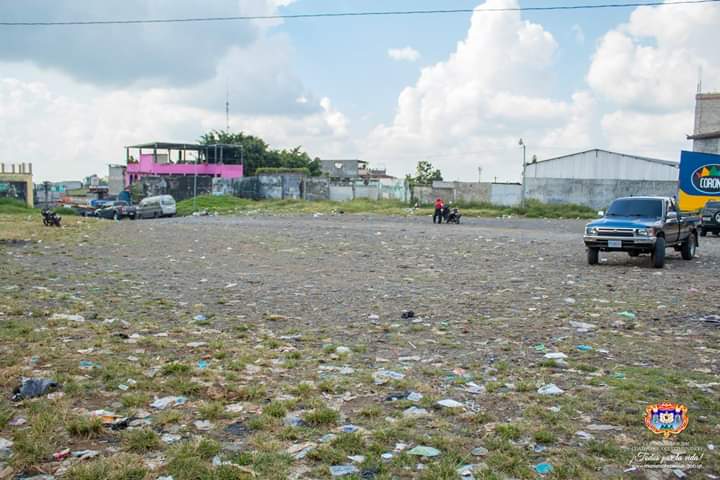
Parqueo Municipal
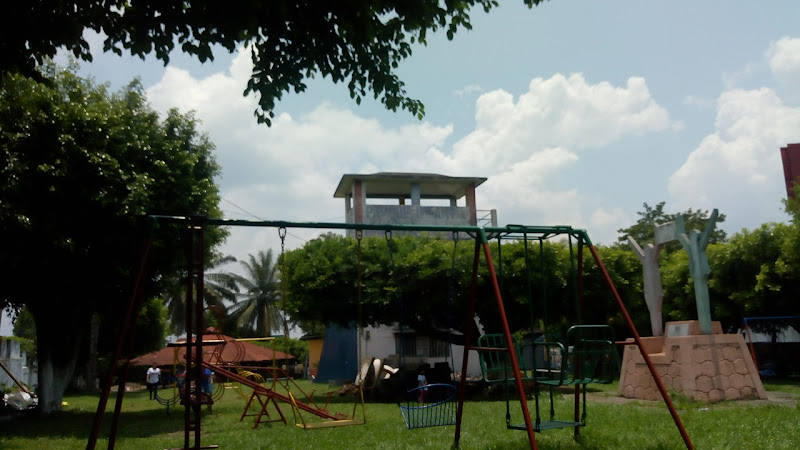
Club De Leones Coatepeque Park
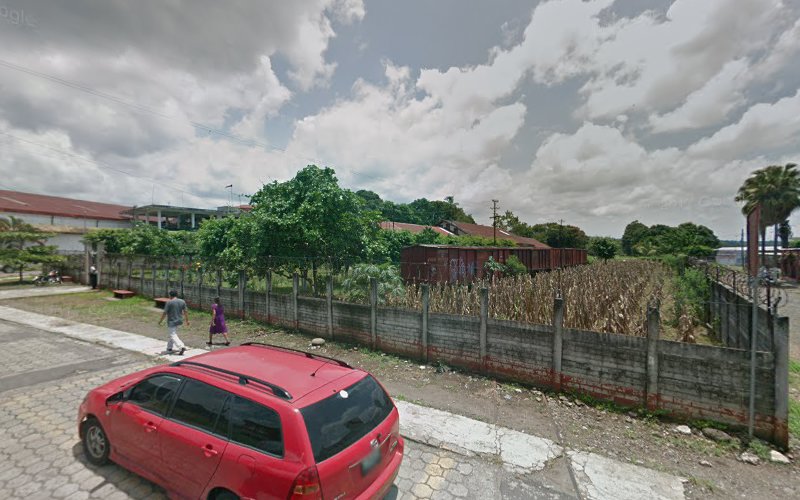
Museo Del Ferrocarril De Coatepeque
Find Accommodations Nearby
Recommended Tours & Activities
Visitor Reviews
There are no reviews yet. Be the first one to write one.
Share Your Experience
Have you visited Guatemala? Help other travelers by leaving a review.