
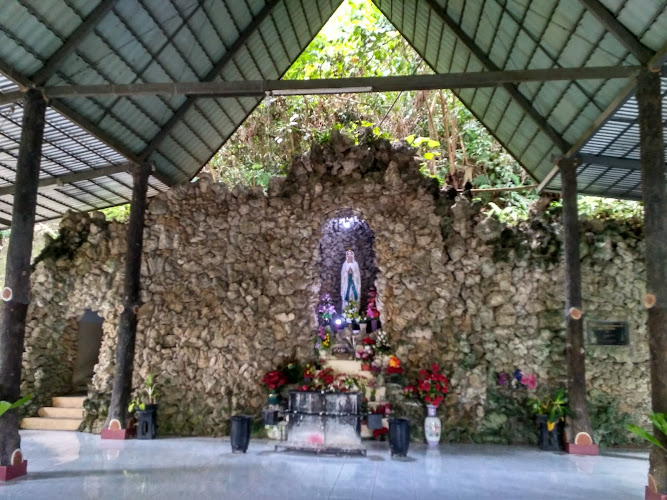
Gua Maria Bukit Kanada
About Gua Maria Bukit Kanada
Description
Gua Maria Bukit Kanada stands as one of Malaysia's most intriguing religious sites, where faith meets natural beauty in a way that genuinely captures your imagination. This Catholic shrine carved into the hillside has been drawing pilgrims and curious travelers alike for decades, and honestly, it's not hard to see why once you arrive. The cave shrine dedicated to the Virgin Mary offers something quite different from your typical religious destination—it combines spiritual reveance with an almost mystical atmosphere that even non-religious visitors find captivating. What strikes most people first is the sheer uniqueness of the location itself. We're talking about a grotto sanctuary that feels both intimate and grand at the same time, tucked into the rock face with careful attention paid to preserving the natural formations while creating a space for worship and reflection. The shrine has grown organically over the years, with local Catholic communities adding their own touches and devotions, making it feel less like a manufactured tourist spot and more like a living, breathing place of faith. I remember speaking with an older Malaysian friend who'd been visiting since childhood, and she described how the place has evolved while maintaining its essential character. The additions have been thoughtful rather than commercial, which is refreshing in today's world where everything seems to get turned into a theme park version of itself. And that's probably why it resonates with so many visitors—it hasn't lost its soul in the process of becoming more accessible. The cave itself maintains a naturally cool temperature year-round, which is a blessing in Malaysia's tropical climate. Inside, you'll find statues, religious iconography, and prayer areas that have been carefully integrated into the rock formations. The lighting is subtle, creating shadows and highlights that emphasize the natural contours of the cave walls. It's the kind of place that encourages quietness, contemplation, and a certain reverence regardless of your religious background.Key Features
The distinctive characteristics of Gua Maria Bukit Kanada make it worth the journey, and these elements combine to create an experience that sticks with you long after you've left: • Natural cave formations that serve as the foundation for the shrine, with stalactites and rock features incorporated into the religious displays rather than removed or altered significantly • Multiple prayer stations and grottos within the main cave system, each dedicated to different aspects of Marian devotion and Catholic tradition • Outdoor stations of the cross that wind up the hillside, offering both a spiritual journey and physical exercise with increasingly impressive views • Wheelchair accessible facilities including the entrance, parking areas, and restrooms, making this one of the more inclusive religious sites in the region • A peaceful atmosphere that's maintained even during busier pilgrimage seasons, partly due to the natural acoustics of the cave which seem to absorb rather than amplify noise • Gardens and landscaped areas surrounding the entrance that provide spots for quiet reflection before or after entering the cave • Regular masses and religious services held within the cave itself, creating an incredibly unique worship experience • Clean, well-maintained facilities that show genuine care for both the site and its visitors • Onsite services that cater to pilgrims and tourists without feeling overly commercialized or pushy • Votive candle areas where visitors can light candles in prayer, creating a beautiful visual effect especially in the dimmer sections of the caveBest Time to Visit
Timing your visit to Gua Maria Bukit Kanada can significantly impact your experience, and there's a few things worth considering before you make plans. The shrine is open year-round, but certain periods definitely offer advantages depending on what kind of visit you're hoping for. Weekdays, particularly Tuesday through Thursday, tend to be quieter if you're seeking a more contemplative experience. You'll have more space to yourself, better opportunities for photography without crowds, and a generally more peaceful atmosphere. But I'll be honest—there's something special about visiting when other pilgrims are there too, even if it's busier. The shared sense of purpose creates its own kind of energy. The dry season from March to October generally provides the most comfortable conditions for the walk up to the shrine and exploring the outdoor stations of the cross. Malaysian weather being what it is, you can never completely avoid the possibility of rain, but your odds are better during these months. The wet season from November through February brings more frequent downpours, though the cave itself remains perfectly accessible and the rain can actually add to the atmospheric quality of the place. Major Catholic feast days, particularly those related to Mary, see significant increases in visitors. The Feast of the Assumption in August and the Feast of Our Lady of Lourdes in February draw large crowds of pilgrims. These occasions offer a chance to witness the shrine at its most active and participate in special masses and celebrations, but don't expect solitude. Early mornings, right around opening time, provide the best light for photography and the coolest temperatures if you're visiting during hotter months. Late afternoons can also be lovely, with softer light filtering through the vegetation around the entrance. Midday visits are perfectly fine, but you'll be dealing with stronger sun on the walk up and potentially more tour groups.How to Get There
Getting to Gua Maria Bukit Kanada requires a bit of planning, but it's definitely manageable even for travelers who don't speak Malay. The shrine is located in Sarawak on the island of Borneo, and you'll need to get yourself to the general area first before making the final approach. Most visitors fly into Kuching International Airport, which serves as the main gateway to Sarawak. From Kuching, you're looking at roughly a two-hour drive to the shrine, give or take depending on traffic and your exact route. Renting a car gives you the most flexibility and is probably the easiest option if you're comfortable driving in Malaysia—just make sure you've got GPS or a good maps app because signage can be inconsistent once you leave the main highways. Shared taxis represent another viable option, particularly if you're traveling solo or want to save money. These operate on somewhat flexible schedules and routes, picking up multiple passengers heading in the same general direction. You might need to arrange this through your hotel or guesthouse, and don't expect the same comfort level as a private vehicle, but it's an authentic way to travel and you'll probably meet some interesting people along the way. Local buses do service the area, though they require more patience and flexibility with your schedule. The bus routes don't drop you directly at the shrine entrance, so you'll need to plan for a bit of walking or arrange a shorter taxi ride for the final leg. This option works best if you're not on a tight timeline and enjoy the adventure of figuring out local transportation systems. If you're already in the region and asking locals for directions, most people are familiar with Gua Maria and can point you in the right direction. The shrine has become a recognized landmark beyond just the Catholic community. Parking is available on site and can accommodate a good number of vehicles, with designated accessible spaces near the entrance. The lot itself is paved and well-maintained, which isn't always a given at religious sites in more rural areas.Tips for Visiting
Making the most of your visit to Gua Maria Bukit Kanada comes down to some practical preparation and the right mindset. These suggestions come from both personal experience and conversations with regular visitors who know the place inside and out. Dress modestly and respectfully—this is an active place of worship, not just a tourist attraction. Shoulders and knees should be covered at minimum, and you'll feel more comfortable fitting in with other visitors if you err on the conservative side. Some people bring a light scarf or shawl to throw on if they're coming from other activities in lighter clothing. Wear comfortable walking shoes with decent grip. The path up to the shrine and the stations of the cross involve some inclines and steps, and the cave floor can be slightly damp in places. Flip-flops or sandals will work in a pinch, but you'll have an easier time in proper walking shoes. Bring water, especially if you plan to do the full stations of the cross walk. There are facilities onsite including restrooms, but having your own water bottle is smart in Malaysia's climate. Just be respectful about where you're drinking—not inside the main shrine areas themselves. Photography is generally permitted, but be mindful of people who are praying or attending services. Use common sense and courtesy—if someone appears deep in prayer, that's not the moment to position yourself for the perfect shot right next to them. Flash photography inside the cave can be disruptive, and honestly the natural lighting creates better photos anyway. Consider timing your visit to attend a mass if you're Catholic or interested in experiencing the shrine as it's truly meant to be used. There's something remarkable about hearing mass in a cave that you just can't get anywhere else. Even if you're not participating in the service, witnessing it respectfully from the back can give you a deeper appreciation for the site. Bring some small bills if you want to light votive candles or make a donation. The shrine operates on donations and the contributions of visitors, and a few ringgit goes a long way toward maintaining this special place. Take your time. This isn't the kind of place where you rush through ticking boxes on a tourist checklist. The whole point is the atmosphere, the quiet, and the unique setting. Give yourself at least an hour, preferably two if you want to do the stations and spend some real time in the cave. The temperature inside the cave stays quite cool, which feels amazing after the heat outside but can be a bit of a shock if you're not expecting it. A light layer isn't necessary for most people, but if you tend to get cold easily, keep that in mind. Respect the space and the people using it for its intended purpose. You might not share their beliefs, and that's perfectly fine—plenty of visitors come purely for the geological and historical interest. But remembering that this is someone's sacred space will guide your behavior appropriately. Check for any special events or celebrations before you visit if you're hoping to either participate in something special or specifically avoid large crowds. The shrine maintains a fairly regular schedule of services, and local Catholic communities can provide information about upcoming feast days or pilgrimages.Key Features
- Grotto with statue of Mary carved into the hillside
- Built in 1988 by Paroki Rangkasbitung with Franciscan Sisters’ support
- Peaceful rural setting with views over surrounding fields and hills
- Stations for prayer and reflection suitable for pilgrims and visitors
- Local devotion events and occasional liturgies/processions
More Details
Updated March 30, 2026
Table of Contents
Description
Gua Maria Bukit Kanada stands as one of Malaysia’s most intriguing religious sites, where faith meets natural beauty in a way that genuinely captures your imagination. This Catholic shrine carved into the hillside has been drawing pilgrims and curious travelers alike for decades, and honestly, it’s not hard to see why once you arrive. The cave shrine dedicated to the Virgin Mary offers something quite different from your typical religious destination—it combines spiritual reveance with an almost mystical atmosphere that even non-religious visitors find captivating.
What strikes most people first is the sheer uniqueness of the location itself. We’re talking about a grotto sanctuary that feels both intimate and grand at the same time, tucked into the rock face with careful attention paid to preserving the natural formations while creating a space for worship and reflection. The shrine has grown organically over the years, with local Catholic communities adding their own touches and devotions, making it feel less like a manufactured tourist spot and more like a living, breathing place of faith.
I remember speaking with an older Malaysian friend who’d been visiting since childhood, and she described how the place has evolved while maintaining its essential character. The additions have been thoughtful rather than commercial, which is refreshing in today’s world where everything seems to get turned into a theme park version of itself. And that’s probably why it resonates with so many visitors—it hasn’t lost its soul in the process of becoming more accessible.
The cave itself maintains a naturally cool temperature year-round, which is a blessing in Malaysia’s tropical climate. Inside, you’ll find statues, religious iconography, and prayer areas that have been carefully integrated into the rock formations. The lighting is subtle, creating shadows and highlights that emphasize the natural contours of the cave walls. It’s the kind of place that encourages quietness, contemplation, and a certain reverence regardless of your religious background.
Key Features
The distinctive characteristics of Gua Maria Bukit Kanada make it worth the journey, and these elements combine to create an experience that sticks with you long after you’ve left:
• Natural cave formations that serve as the foundation for the shrine, with stalactites and rock features incorporated into the religious displays rather than removed or altered significantly
• Multiple prayer stations and grottos within the main cave system, each dedicated to different aspects of Marian devotion and Catholic tradition
• Outdoor stations of the cross that wind up the hillside, offering both a spiritual journey and physical exercise with increasingly impressive views
• Wheelchair accessible facilities including the entrance, parking areas, and restrooms, making this one of the more inclusive religious sites in the region
• A peaceful atmosphere that’s maintained even during busier pilgrimage seasons, partly due to the natural acoustics of the cave which seem to absorb rather than amplify noise
• Gardens and landscaped areas surrounding the entrance that provide spots for quiet reflection before or after entering the cave
• Regular masses and religious services held within the cave itself, creating an incredibly unique worship experience
• Clean, well-maintained facilities that show genuine care for both the site and its visitors
• Onsite services that cater to pilgrims and tourists without feeling overly commercialized or pushy
• Votive candle areas where visitors can light candles in prayer, creating a beautiful visual effect especially in the dimmer sections of the cave
Best Time to Visit
Timing your visit to Gua Maria Bukit Kanada can significantly impact your experience, and there’s a few things worth considering before you make plans. The shrine is open year-round, but certain periods definitely offer advantages depending on what kind of visit you’re hoping for.
Weekdays, particularly Tuesday through Thursday, tend to be quieter if you’re seeking a more contemplative experience. You’ll have more space to yourself, better opportunities for photography without crowds, and a generally more peaceful atmosphere. But I’ll be honest—there’s something special about visiting when other pilgrims are there too, even if it’s busier. The shared sense of purpose creates its own kind of energy.
The dry season from March to October generally provides the most comfortable conditions for the walk up to the shrine and exploring the outdoor stations of the cross. Malaysian weather being what it is, you can never completely avoid the possibility of rain, but your odds are better during these months. The wet season from November through February brings more frequent downpours, though the cave itself remains perfectly accessible and the rain can actually add to the atmospheric quality of the place.
Major Catholic feast days, particularly those related to Mary, see significant increases in visitors. The Feast of the Assumption in August and the Feast of Our Lady of Lourdes in February draw large crowds of pilgrims. These occasions offer a chance to witness the shrine at its most active and participate in special masses and celebrations, but don’t expect solitude.
Early mornings, right around opening time, provide the best light for photography and the coolest temperatures if you’re visiting during hotter months. Late afternoons can also be lovely, with softer light filtering through the vegetation around the entrance. Midday visits are perfectly fine, but you’ll be dealing with stronger sun on the walk up and potentially more tour groups.
How to Get There
Getting to Gua Maria Bukit Kanada requires a bit of planning, but it’s definitely manageable even for travelers who don’t speak Malay. The shrine is located in Sarawak on the island of Borneo, and you’ll need to get yourself to the general area first before making the final approach.
Most visitors fly into Kuching International Airport, which serves as the main gateway to Sarawak. From Kuching, you’re looking at roughly a two-hour drive to the shrine, give or take depending on traffic and your exact route. Renting a car gives you the most flexibility and is probably the easiest option if you’re comfortable driving in Malaysia—just make sure you’ve got GPS or a good maps app because signage can be inconsistent once you leave the main highways.
Shared taxis represent another viable option, particularly if you’re traveling solo or want to save money. These operate on somewhat flexible schedules and routes, picking up multiple passengers heading in the same general direction. You might need to arrange this through your hotel or guesthouse, and don’t expect the same comfort level as a private vehicle, but it’s an authentic way to travel and you’ll probably meet some interesting people along the way.
Local buses do service the area, though they require more patience and flexibility with your schedule. The bus routes don’t drop you directly at the shrine entrance, so you’ll need to plan for a bit of walking or arrange a shorter taxi ride for the final leg. This option works best if you’re not on a tight timeline and enjoy the adventure of figuring out local transportation systems.
If you’re already in the region and asking locals for directions, most people are familiar with Gua Maria and can point you in the right direction. The shrine has become a recognized landmark beyond just the Catholic community.
Parking is available on site and can accommodate a good number of vehicles, with designated accessible spaces near the entrance. The lot itself is paved and well-maintained, which isn’t always a given at religious sites in more rural areas.
Tips for Visiting
Making the most of your visit to Gua Maria Bukit Kanada comes down to some practical preparation and the right mindset. These suggestions come from both personal experience and conversations with regular visitors who know the place inside and out.
Dress modestly and respectfully—this is an active place of worship, not just a tourist attraction. Shoulders and knees should be covered at minimum, and you’ll feel more comfortable fitting in with other visitors if you err on the conservative side. Some people bring a light scarf or shawl to throw on if they’re coming from other activities in lighter clothing.
Wear comfortable walking shoes with decent grip. The path up to the shrine and the stations of the cross involve some inclines and steps, and the cave floor can be slightly damp in places. Flip-flops or sandals will work in a pinch, but you’ll have an easier time in proper walking shoes.
Bring water, especially if you plan to do the full stations of the cross walk. There are facilities onsite including restrooms, but having your own water bottle is smart in Malaysia’s climate. Just be respectful about where you’re drinking—not inside the main shrine areas themselves.
Photography is generally permitted, but be mindful of people who are praying or attending services. Use common sense and courtesy—if someone appears deep in prayer, that’s not the moment to position yourself for the perfect shot right next to them. Flash photography inside the cave can be disruptive, and honestly the natural lighting creates better photos anyway.
Consider timing your visit to attend a mass if you’re Catholic or interested in experiencing the shrine as it’s truly meant to be used. There’s something remarkable about hearing mass in a cave that you just can’t get anywhere else. Even if you’re not participating in the service, witnessing it respectfully from the back can give you a deeper appreciation for the site.
Bring some small bills if you want to light votive candles or make a donation. The shrine operates on donations and the contributions of visitors, and a few ringgit goes a long way toward maintaining this special place.
Take your time. This isn’t the kind of place where you rush through ticking boxes on a tourist checklist. The whole point is the atmosphere, the quiet, and the unique setting. Give yourself at least an hour, preferably two if you want to do the stations and spend some real time in the cave.
The temperature inside the cave stays quite cool, which feels amazing after the heat outside but can be a bit of a shock if you’re not expecting it. A light layer isn’t necessary for most people, but if you tend to get cold easily, keep that in mind.
Respect the space and the people using it for its intended purpose. You might not share their beliefs, and that’s perfectly fine—plenty of visitors come purely for the geological and historical interest. But remembering that this is someone’s sacred space will guide your behavior appropriately.
Check for any special events or celebrations before you visit if you’re hoping to either participate in something special or specifically avoid large crowds. The shrine maintains a fairly regular schedule of services, and local Catholic communities can provide information about upcoming feast days or pilgrimages.
Key Highlights
- Grotto with statue of Mary carved into the hillside
- Built in 1988 by Paroki Rangkasbitung with Franciscan Sisters’ support
- Peaceful rural setting with views over surrounding fields and hills
- Stations for prayer and reflection suitable for pilgrims and visitors
- Local devotion events and occasional liturgies/processions
Location
Places to Stay Near Gua Maria Bukit Kanada
Find and Book a Tour
Explore More Travel Guides
No reviews found! Be the first to review!
Gua Maria Bukit Kanada is a prominent attractions located in Lebak Regency.
Visit us at: Jatimulya, Rangkasbitung, Lebak Regency, Banten 42315, Indonesia.
Traveler Reviews for Gua Maria Bukit Kanada
There are no reviews yet. Be the first one to write one.
Have you visited Gua Maria Bukit Kanada? Help other travelers by sharing your review.
Nearby Attractions
You Might Also Like

Find Accommodations Nearby
Recommended Tours & Activities
Visitor Reviews
There are no reviews yet. Be the first one to write one.
Share Your Experience
Have you visited Gua Maria Bukit Kanada? Help other travelers by leaving a review.