

Gregorian Egyptian Museum
About Gregorian Egyptian Museum
Description
The Gregorian Egyptian Museum is one of those places that quietly surprises you. Tucked within the Vatican Museums, it’s not the first stop most travelers think of, but once you step inside, the atmosphere feels like a time warp back to the days of pharaohs and ancient gods. The galleries are ornate, almost ceremonial in their layout, and filled with Egyptian antiquities that range from intricate sculptures and reliefs to sarcophagi that seem to carry whispers of millennia past.
What makes it stand out is the way the rooms are curated. It’s not just a jumble of artifacts; there’s a flow, a sense of storytelling. One moment you’re staring at a massive statue of a deity, the next you’re leaning in close to study delicate hieroglyphics carved into stone. I remember pausing in front of a mummy case, half expecting it to twitch (yes, blame too many late-night movies). The museum isn’t overwhelming in size, which I actually appreciate—it allows you to slow down and absorb the details without rushing. Sure, not every visitor walks away enchanted, but the vast majority find themselves impressed by the depth and beauty of the collection.
It’s also worth noting the accessibility here. The entrance and restrooms are wheelchair-friendly, which is a relief for travelers who worry about mobility. Families with kids often find it engaging too—children tend to get wide-eyed at the sight of mummies and statues that seem larger than life. There’s no restaurant inside, so you’ll want to plan meals elsewhere, but basic amenities like restrooms are available. Overall, the Gregorian Egyptian Museum offers a fascinating slice of history in a setting that feels both grand and intimate.
Key Features
- Collection of Egyptian antiquities, including statues, reliefs, and sarcophagi
- Exhibits that highlight ancient Egyptian religious practices and daily life
- Mummies and funerary artifacts displayed in ornate galleries
- Wheelchair accessible entrance and restrooms
- Family-friendly environment with exhibits that spark curiosity in children
- Located within the Vatican Museums complex, allowing easy access to nearby collections
Best Time to Visit
If you’ve ever wandered through a crowded museum shoulder to shoulder with strangers, you’ll know how much timing matters. The Gregorian Egyptian Museum, being part of the Vatican Museums, can get busy—especially in peak tourist months like June, July, and August. Personally, I’d recommend visiting in the spring or autumn when the crowds thin out a bit, and the weather outside is more forgiving. Early mornings right after opening are golden hours; you’ll have more breathing space to actually enjoy the exhibits instead of shuffling along in a line.
Winter can be a surprisingly good time too. Yes, it’s cooler outside, but inside the museum you’ll find fewer people, which makes the experience more personal. If you’re a photographer, the softer light in the mornings makes for better photos, especially of the intricate carvings and statues. And don’t forget Wednesdays can be tricky since that’s when papal audiences draw extra visitors to the Vatican area.
How to Get There
Reaching the Gregorian Egyptian Museum is straightforward since it sits within the larger Vatican Museums complex. Most travelers arrive by metro, bus, or even on foot if staying nearby. The Ottaviano metro stop is the most convenient—just a short walk away. From there, you’ll follow signs to the Vatican Museums entrance, and once inside, you can navigate toward the Egyptian collection.
If you’re someone who likes a bit of ease, I’d say book your tickets online in advance. It saves you from standing in those famously long lines outside. Taxis and ride-share services are also an option, though traffic in Rome can be unpredictable (I once spent nearly 40 minutes stuck just a few streets away). Walking, if you’re staying in the city center, is honestly one of the nicest ways to approach—it feels like part of the adventure.
Tips for Visiting
A few things I’ve learned from both personal visits and swapping stories with other travelers: first, absolutely get your tickets ahead of time. The Vatican Museums are notorious for their queues, and you don’t want to waste hours outside when you could be marveling at ancient artifacts.
Wear comfortable shoes. I can’t stress this enough. The museum isn’t enormous on its own, but remember—it’s part of the Vatican Museums, which means lots of walking if you plan to see more than just the Egyptian collection. Bring a bottle of water too, though keep in mind you can’t drink inside the galleries.
Photography is allowed in most areas without flash, so bring your camera or phone, but be respectful—these are ancient objects, not props. If you’re traveling with kids, prepare them with a little backstory. Even a short story about pharaohs or mummies can make the visit more magical for them. And if you’re someone who likes quiet, aim for the first entry slot of the day. It’s worth the early alarm.
Lastly, give yourself time. Don’t rush through just to tick it off a list. The Gregorian Egyptian Museum rewards curiosity, whether you’re marveling at a colossal statue or tracing the lines of a hieroglyph with your eyes. It’s one of those places where history feels alive, and if you let it, it might just leave you with stories you’ll be telling long after your trip ends.
Key Features
- Collection of Egyptian antiquities, including statues, reliefs, and sarcophagi
- Exhibits that highlight ancient Egyptian religious practices and daily life
- Mummies and funerary artifacts displayed in ornate galleries
- Wheelchair accessible entrance and restrooms
- Family-friendly environment with exhibits that spark curiosity in children
- Located within the Vatican Museums complex, allowing easy access to nearby collections
More Details
Updated October 2, 2025
Table of Contents
Description
The Gregorian Egyptian Museum is one of those places that quietly surprises you. Tucked within the Vatican Museums, it’s not the first stop most travelers think of, but once you step inside, the atmosphere feels like a time warp back to the days of pharaohs and ancient gods. The galleries are ornate, almost ceremonial in their layout, and filled with Egyptian antiquities that range from intricate sculptures and reliefs to sarcophagi that seem to carry whispers of millennia past.
What makes it stand out is the way the rooms are curated. It’s not just a jumble of artifacts; there’s a flow, a sense of storytelling. One moment you’re staring at a massive statue of a deity, the next you’re leaning in close to study delicate hieroglyphics carved into stone. I remember pausing in front of a mummy case, half expecting it to twitch (yes, blame too many late-night movies). The museum isn’t overwhelming in size, which I actually appreciate—it allows you to slow down and absorb the details without rushing. Sure, not every visitor walks away enchanted, but the vast majority find themselves impressed by the depth and beauty of the collection.
It’s also worth noting the accessibility here. The entrance and restrooms are wheelchair-friendly, which is a relief for travelers who worry about mobility. Families with kids often find it engaging too—children tend to get wide-eyed at the sight of mummies and statues that seem larger than life. There’s no restaurant inside, so you’ll want to plan meals elsewhere, but basic amenities like restrooms are available. Overall, the Gregorian Egyptian Museum offers a fascinating slice of history in a setting that feels both grand and intimate.
Key Features
- Collection of Egyptian antiquities, including statues, reliefs, and sarcophagi
- Exhibits that highlight ancient Egyptian religious practices and daily life
- Mummies and funerary artifacts displayed in ornate galleries
- Wheelchair accessible entrance and restrooms
- Family-friendly environment with exhibits that spark curiosity in children
- Located within the Vatican Museums complex, allowing easy access to nearby collections
Best Time to Visit
If you’ve ever wandered through a crowded museum shoulder to shoulder with strangers, you’ll know how much timing matters. The Gregorian Egyptian Museum, being part of the Vatican Museums, can get busy—especially in peak tourist months like June, July, and August. Personally, I’d recommend visiting in the spring or autumn when the crowds thin out a bit, and the weather outside is more forgiving. Early mornings right after opening are golden hours; you’ll have more breathing space to actually enjoy the exhibits instead of shuffling along in a line.
Winter can be a surprisingly good time too. Yes, it’s cooler outside, but inside the museum you’ll find fewer people, which makes the experience more personal. If you’re a photographer, the softer light in the mornings makes for better photos, especially of the intricate carvings and statues. And don’t forget Wednesdays can be tricky since that’s when papal audiences draw extra visitors to the Vatican area.
How to Get There
Reaching the Gregorian Egyptian Museum is straightforward since it sits within the larger Vatican Museums complex. Most travelers arrive by metro, bus, or even on foot if staying nearby. The Ottaviano metro stop is the most convenient—just a short walk away. From there, you’ll follow signs to the Vatican Museums entrance, and once inside, you can navigate toward the Egyptian collection.
If you’re someone who likes a bit of ease, I’d say book your tickets online in advance. It saves you from standing in those famously long lines outside. Taxis and ride-share services are also an option, though traffic in Rome can be unpredictable (I once spent nearly 40 minutes stuck just a few streets away). Walking, if you’re staying in the city center, is honestly one of the nicest ways to approach—it feels like part of the adventure.
Tips for Visiting
A few things I’ve learned from both personal visits and swapping stories with other travelers: first, absolutely get your tickets ahead of time. The Vatican Museums are notorious for their queues, and you don’t want to waste hours outside when you could be marveling at ancient artifacts.
Wear comfortable shoes. I can’t stress this enough. The museum isn’t enormous on its own, but remember—it’s part of the Vatican Museums, which means lots of walking if you plan to see more than just the Egyptian collection. Bring a bottle of water too, though keep in mind you can’t drink inside the galleries.
Photography is allowed in most areas without flash, so bring your camera or phone, but be respectful—these are ancient objects, not props. If you’re traveling with kids, prepare them with a little backstory. Even a short story about pharaohs or mummies can make the visit more magical for them. And if you’re someone who likes quiet, aim for the first entry slot of the day. It’s worth the early alarm.
Lastly, give yourself time. Don’t rush through just to tick it off a list. The Gregorian Egyptian Museum rewards curiosity, whether you’re marveling at a colossal statue or tracing the lines of a hieroglyph with your eyes. It’s one of those places where history feels alive, and if you let it, it might just leave you with stories you’ll be telling long after your trip ends.
Key Highlights
- Collection of Egyptian antiquities, including statues, reliefs, and sarcophagi
- Exhibits that highlight ancient Egyptian religious practices and daily life
- Mummies and funerary artifacts displayed in ornate galleries
- Wheelchair accessible entrance and restrooms
- Family-friendly environment with exhibits that spark curiosity in children
- Located within the Vatican Museums complex, allowing easy access to nearby collections
Location
Places to Stay Near Gregorian Egyptian Museum
Find and Book a Tour
Explore More Travel Guides
No reviews found! Be the first to review!
Traveler Reviews for Gregorian Egyptian Museum
There are no reviews yet. Be the first one to write one.
Have you visited Gregorian Egyptian Museum? Help other travelers by sharing your review.
You Might Also Like

Lapidary Gallery

Giardino Quadrato (o giardino segreto)
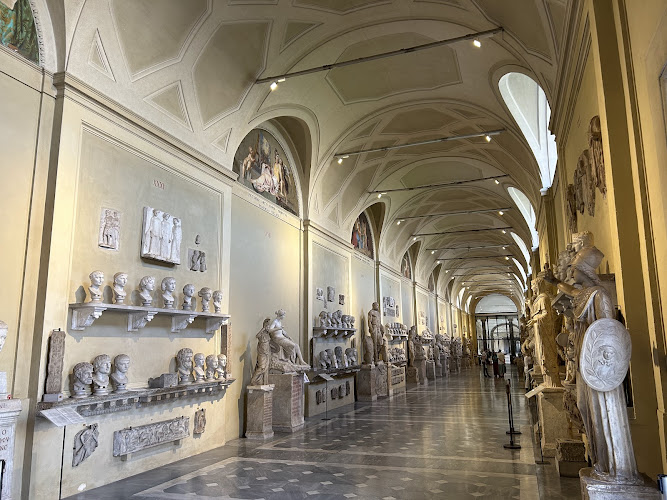
Chiaramonti Museum
Find Accommodations Nearby
Recommended Tours & Activities
Visitor Reviews
There are no reviews yet. Be the first one to write one.
Share Your Experience
Have you visited Gregorian Egyptian Museum? Help other travelers by leaving a review.