

Lapidary Gallery
About Lapidary Gallery
Description
The Lapidary Gallery is one of those hidden corners inside the Vatican Museums that many travelers overlook, but once you step inside, it feels like you’ve stumbled into an entirely different world. This gallery focuses on ancient Roman stonework, inscriptions, and carved artifacts, and it’s a place where history literally speaks from the walls. The collection is primarily made up of marble slabs, sarcophagi fragments, and decorative stones that once adorned imperial buildings and monuments. And while it might not have the immediate glamour of the Sistine Chapel or Raphael’s Rooms, the Lapidary Gallery has a quiet, contemplative charm that makes it worth slowing down for.
What makes it particularly fascinating is how much you can learn about everyday Roman life through these inscriptions. Some are funerary, some are dedicatory, and some are just plain practical. They give names, dates, professions, and even little glimpses into the humor and quirks of people who lived centuries ago. Personally, I found myself lingering longer than I expected, reading the Latin texts (with the help of translations, of course) and imagining the individuals behind them. It’s almost like hearing voices carried through time.
The gallery is well-maintained, accessible, and not as crowded as the more famous sections of the Vatican Museums. That’s a huge plus if you’re someone who gets overwhelmed by throngs of people. Families with children often appreciate it too, since the inscriptions and carvings are tangible and easy for kids to connect with—like a puzzle of history they can piece together visually. On the flip side, if you’re someone who craves dramatic paintings or colorful frescoes, you might find the Lapidary Gallery a bit understated. But that’s also its strength: it’s a quieter space to catch your breath and reflect.
Key Features
- Extensive collection of Roman inscriptions and carved stones
- Fragments from sarcophagi, monuments, and ancient buildings
- Wheelchair accessible entrance and restrooms for ease of mobility
- Less crowded compared to other Vatican Museum sections
- Good for children, offering a more tactile and straightforward connection to history
- Airy corridors that provide a break from the more congested galleries
- Scholarly value for those interested in ancient Roman history and epigraphy
Best Time to Visit
Timing can make or break your experience here. The Vatican Museums are notoriously busy, so if you want to enjoy the Lapidary Gallery without feeling rushed, aim for early mornings right after opening or later in the afternoon before closing. Midday tends to be the most crowded. I once made the mistake of visiting around noon, and while the gallery itself wasn’t packed, the walk to get there was a bit of a shuffle through shoulder-to-shoulder crowds. If you’re traveling in the off-season—say, late fall or winter—you’ll likely find the gallery even more peaceful. Summer, on the other hand, is always buzzing, so patience is key.
Another tip: Tuesdays and Thursdays tend to be slightly calmer than Mondays and Fridays, when tour groups are more concentrated. If you’re the type who enjoys wandering slowly and reading every little detail, you’ll want that extra breathing room.
How to Get There
Reaching the Lapidary Gallery is part of the larger Vatican Museum journey. Once inside the museums, you’ll follow the designated paths that weave through different sections, and the Lapidary Gallery is included along the way. It’s not always highlighted on the main maps, which is why some visitors accidentally skip it. My advice is to keep an eye out for signs pointing toward the gallery, or ask a museum staff member if you feel unsure. They’re usually helpful and used to people missing it.
The Vatican Museums themselves are easily accessible by public transport in Rome. The nearest metro stop is Ottaviano, which is about a 10-minute walk from the entrance. Buses also stop nearby, and taxis can drop you off close to the main entrance. If you’re already in the Vatican area for St. Peter’s Basilica, it’s just a short walk to the museum entrance. Just remember that you’ll need a ticket to get inside the museums, and it’s highly recommended to purchase it in advance to avoid long lines.
Tips for Visiting
Here’s the thing: the Lapidary Gallery may not be the headliner of the Vatican Museums, but it’s worth giving it some dedicated time. To make the most of your visit, keep these tips in mind:
- Book tickets ahead of time: It saves you from standing in the notoriously long ticket lines. Trust me, I’ve been there once without a reservation, and it was a rookie mistake I won’t repeat.
- Wear comfortable shoes: The Vatican Museums involve a lot of walking, and the Lapidary Gallery is just one stop on a very long route. Your feet will thank you later.
- Bring water: While there’s no restaurant inside the gallery, you can find restrooms nearby. Staying hydrated will keep your energy up as you explore.
- Slow down: Don’t just breeze through. Take a moment to really look at the inscriptions. Even if you don’t read Latin, the artistry and craftsmanship are worth studying.
- Good for kids: If you’re traveling with children, encourage them to spot symbols, patterns, or even letters they recognize. It turns the gallery into a kind of treasure hunt.
- Photography: You can take pictures, but be respectful and avoid flash. It’s a great spot for capturing details that you can later research or admire at home.
- Accessibility: The gallery is wheelchair accessible, which makes it inclusive and comfortable for visitors with mobility needs.
One last thought: don’t rush through the Lapidary Gallery just because it’s not on the “must-see” lists that everyone talks about. Some of the most meaningful travel moments happen in the quieter spaces where you can connect with history on your own terms. For me, standing in front of a centuries-old inscription and realizing that someone carved it by hand two thousand years ago was more powerful than I expected. You might feel the same.
Key Features
- Extensive collection of Roman inscriptions and carved stones
- Fragments from sarcophagi, monuments, and ancient buildings
- Wheelchair accessible entrance and restrooms for ease of mobility
- Less crowded compared to other Vatican Museum sections
- Good for children, offering a more tactile and straightforward connection to history
- Airy corridors that provide a break from the more congested galleries
- Scholarly value for those interested in ancient Roman history and epigraphy
More Details
Updated October 2, 2025
Table of Contents
Description
The Lapidary Gallery is one of those hidden corners inside the Vatican Museums that many travelers overlook, but once you step inside, it feels like you’ve stumbled into an entirely different world. This gallery focuses on ancient Roman stonework, inscriptions, and carved artifacts, and it’s a place where history literally speaks from the walls. The collection is primarily made up of marble slabs, sarcophagi fragments, and decorative stones that once adorned imperial buildings and monuments. And while it might not have the immediate glamour of the Sistine Chapel or Raphael’s Rooms, the Lapidary Gallery has a quiet, contemplative charm that makes it worth slowing down for.
What makes it particularly fascinating is how much you can learn about everyday Roman life through these inscriptions. Some are funerary, some are dedicatory, and some are just plain practical. They give names, dates, professions, and even little glimpses into the humor and quirks of people who lived centuries ago. Personally, I found myself lingering longer than I expected, reading the Latin texts (with the help of translations, of course) and imagining the individuals behind them. It’s almost like hearing voices carried through time.
The gallery is well-maintained, accessible, and not as crowded as the more famous sections of the Vatican Museums. That’s a huge plus if you’re someone who gets overwhelmed by throngs of people. Families with children often appreciate it too, since the inscriptions and carvings are tangible and easy for kids to connect with—like a puzzle of history they can piece together visually. On the flip side, if you’re someone who craves dramatic paintings or colorful frescoes, you might find the Lapidary Gallery a bit understated. But that’s also its strength: it’s a quieter space to catch your breath and reflect.
Key Features
- Extensive collection of Roman inscriptions and carved stones
- Fragments from sarcophagi, monuments, and ancient buildings
- Wheelchair accessible entrance and restrooms for ease of mobility
- Less crowded compared to other Vatican Museum sections
- Good for children, offering a more tactile and straightforward connection to history
- Airy corridors that provide a break from the more congested galleries
- Scholarly value for those interested in ancient Roman history and epigraphy
Best Time to Visit
Timing can make or break your experience here. The Vatican Museums are notoriously busy, so if you want to enjoy the Lapidary Gallery without feeling rushed, aim for early mornings right after opening or later in the afternoon before closing. Midday tends to be the most crowded. I once made the mistake of visiting around noon, and while the gallery itself wasn’t packed, the walk to get there was a bit of a shuffle through shoulder-to-shoulder crowds. If you’re traveling in the off-season—say, late fall or winter—you’ll likely find the gallery even more peaceful. Summer, on the other hand, is always buzzing, so patience is key.
Another tip: Tuesdays and Thursdays tend to be slightly calmer than Mondays and Fridays, when tour groups are more concentrated. If you’re the type who enjoys wandering slowly and reading every little detail, you’ll want that extra breathing room.
How to Get There
Reaching the Lapidary Gallery is part of the larger Vatican Museum journey. Once inside the museums, you’ll follow the designated paths that weave through different sections, and the Lapidary Gallery is included along the way. It’s not always highlighted on the main maps, which is why some visitors accidentally skip it. My advice is to keep an eye out for signs pointing toward the gallery, or ask a museum staff member if you feel unsure. They’re usually helpful and used to people missing it.
The Vatican Museums themselves are easily accessible by public transport in Rome. The nearest metro stop is Ottaviano, which is about a 10-minute walk from the entrance. Buses also stop nearby, and taxis can drop you off close to the main entrance. If you’re already in the Vatican area for St. Peter’s Basilica, it’s just a short walk to the museum entrance. Just remember that you’ll need a ticket to get inside the museums, and it’s highly recommended to purchase it in advance to avoid long lines.
Tips for Visiting
Here’s the thing: the Lapidary Gallery may not be the headliner of the Vatican Museums, but it’s worth giving it some dedicated time. To make the most of your visit, keep these tips in mind:
- Book tickets ahead of time: It saves you from standing in the notoriously long ticket lines. Trust me, I’ve been there once without a reservation, and it was a rookie mistake I won’t repeat.
- Wear comfortable shoes: The Vatican Museums involve a lot of walking, and the Lapidary Gallery is just one stop on a very long route. Your feet will thank you later.
- Bring water: While there’s no restaurant inside the gallery, you can find restrooms nearby. Staying hydrated will keep your energy up as you explore.
- Slow down: Don’t just breeze through. Take a moment to really look at the inscriptions. Even if you don’t read Latin, the artistry and craftsmanship are worth studying.
- Good for kids: If you’re traveling with children, encourage them to spot symbols, patterns, or even letters they recognize. It turns the gallery into a kind of treasure hunt.
- Photography: You can take pictures, but be respectful and avoid flash. It’s a great spot for capturing details that you can later research or admire at home.
- Accessibility: The gallery is wheelchair accessible, which makes it inclusive and comfortable for visitors with mobility needs.
One last thought: don’t rush through the Lapidary Gallery just because it’s not on the “must-see” lists that everyone talks about. Some of the most meaningful travel moments happen in the quieter spaces where you can connect with history on your own terms. For me, standing in front of a centuries-old inscription and realizing that someone carved it by hand two thousand years ago was more powerful than I expected. You might feel the same.
Key Highlights
- Extensive collection of Roman inscriptions and carved stones
- Fragments from sarcophagi, monuments, and ancient buildings
- Wheelchair accessible entrance and restrooms for ease of mobility
- Less crowded compared to other Vatican Museum sections
- Good for children, offering a more tactile and straightforward connection to history
- Airy corridors that provide a break from the more congested galleries
- Scholarly value for those interested in ancient Roman history and epigraphy
Location
Places to Stay Near Lapidary Gallery
Find and Book a Tour
Explore More Travel Guides
No reviews found! Be the first to review!
Traveler Reviews for Lapidary Gallery
There are no reviews yet. Be the first one to write one.
Have you visited Lapidary Gallery? Help other travelers by sharing your review.
You Might Also Like

Vatican Museums
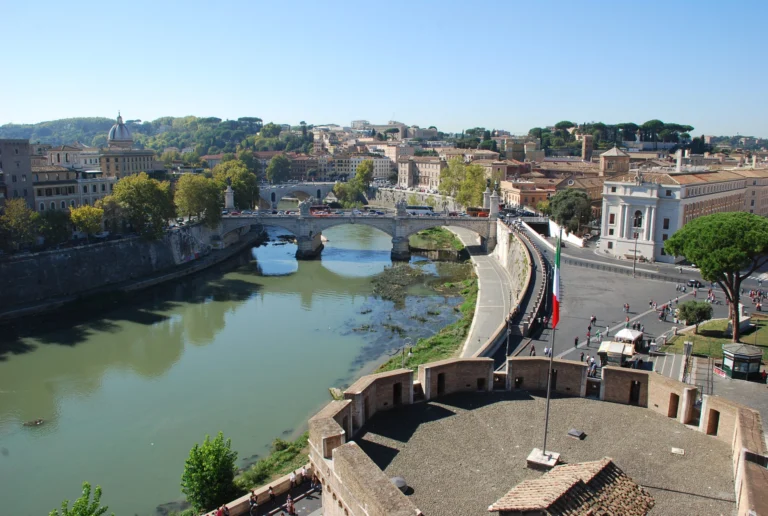
Castel Sant

Giardino Quadrato (o giardino segreto)
Find Accommodations Nearby
Recommended Tours & Activities
Visitor Reviews
There are no reviews yet. Be the first one to write one.
Share Your Experience
Have you visited Lapidary Gallery? Help other travelers by leaving a review.