
Great Himalayan National Park
About Great Himalayan National Park
Description
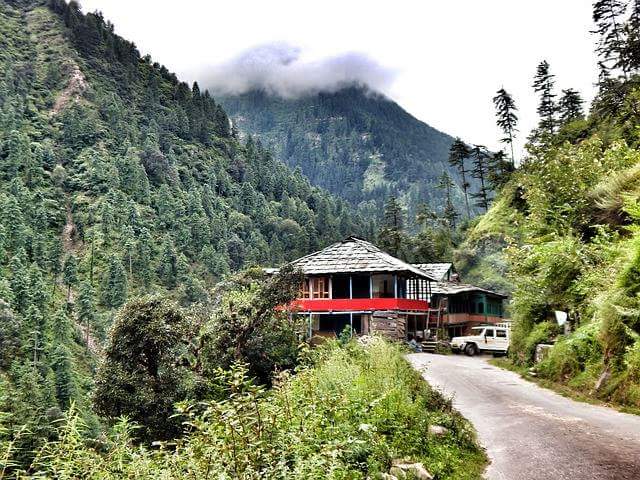
The Great Himalayan National Park is one of those rare places that feels like it’s been plucked straight from a dream – but not in an overly polished, postcard-perfect way. It’s raw, untamed, and absolutely brimming with life. Spread across the higher reaches of Himachal Pradesh, this UNESCO World Heritage Site spans deep valleys, jagged peaks, alpine meadows, and dense forests that seem to swallow you whole. It’s the kind of place where you can hear the wind whistle through pine branches one minute and spot a Himalayan tahr or a rare pheasant the next. The biodiversity here is staggering – hundreds of plant species, elusive snow leopards, and birds you didn’t even know existed until you see them flashing through the trees.
Now, it’s not without its quirks. The terrain can be challenging, and the weather has a mind of its own – sunny and warm one moment, misty and cold the next. That’s part of its charm though. You don’t come here for a manicured garden stroll; you come for the wildness, the unpredictability, and the sheer scale of nature. And despite being remote, the park is surprisingly family-friendly in certain areas, with picnic spots, playgrounds, and kid-friendly hikes. It’s also accessible to visitors with mobility needs in some sections, which is a big plus you don’t often see in high-altitude parks.
What really makes this place stand out is the mix of experiences it offers. You could be trekking along a rugged trail in the morning, sharing a barbecue lunch by a stream in the afternoon, and watching the sun dip behind snow-capped peaks by evening. There’s a sense of authenticity here – it’s not overrun with commercial stalls or blaring tour buses. Sure, it’s popular, but it still feels like nature has the upper hand. And honestly, that’s rare these days.
Key Features
- UNESCO World Heritage Site with exceptional biodiversity
- High-altitude landscapes including alpine meadows, glaciers, and dense forests
- Home to rare wildlife such as snow leopards, Himalayan brown bears, and over 200 bird species
- Wheelchair accessible entrance and parking in certain areas
- Family-friendly amenities like picnic tables, playgrounds, and kid-friendly hikes
- Facilities including barbecue grills, public restrooms, and volleyball courts
- Dog park for pet owners
- Opportunities for hiking, nature photography, and birdwatching
Best Time to Visit
If you ask ten people when’s the best time to visit, you’ll probably get ten different answers. Personally, I think late spring (April to June) is unbeatable – the snow has melted enough to open up the trails, wildflowers are in full bloom, and the skies are often crystal clear. Autumn (September to November) is another gem of a season, with crisp air, golden forests, and fewer crowds. Summer can get busy, and while winter has its own stark beauty, heavy snow can cut off access to many areas – so unless you’re an experienced snow trekker, it might be tricky.
One thing’s for sure: no matter when you come, the weather here can turn on a dime. Always pack layers, a rain jacket, and good walking shoes. Trust me, you’ll thank yourself later when the temperature drops suddenly during what started as a sunny hike.
How to Get There
Reaching the Great Himalayan National Park is half the adventure. The nearest major town is Kullu, which is well connected by road from cities like Delhi and Chandigarh. From Kullu, you’ll need to head towards Banjar or Gushaini – these are the main gateways to the park. The drive is scenic but winding, so if you get motion sickness, be prepared. Public buses do run, but they’re not the most comfortable option if you’re carrying a lot of gear. Hiring a taxi or driving yourself gives you more flexibility to stop for chai breaks and photo ops along the way.
For those flying in, the closest airport is Bhuntar, just outside Kullu. It’s small and flights can be limited, but it saves a lot of road time. From there, it’s still a couple of hours’ drive to the park entrance. And if you’re a train person, the nearest railhead is Joginder Nagar, though you’ll still need to hop on a bus or taxi to get the rest of the way.
Tips for Visiting
Here’s the thing – this isn’t the kind of park where you just show up in flip-flops and expect to wing it. A little prep goes a long way:
- Plan your trek in advance – Some areas require permits, and certain trails are only open in specific seasons.
- Pack smart – Layers, sturdy shoes, sunscreen, and a reusable water bottle are non-negotiable.
- Respect the wildlife – Keep your distance, don’t feed animals, and remember you’re in their home, not the other way around.
- Carry cash – Card payments aren’t always accepted, especially in remote villages.
- Stay hydrated and acclimatize – The altitude can sneak up on you; take it slow if you’re not used to higher elevations.
- Leave no trace – Pack out all your trash. The park’s beauty depends on visitors keeping it clean.
- Bring a sense of adventure – Things might not always go according to plan here, and that’s part of the fun.
And one last thing – don’t rush it. If you can, give yourself at least three or four days here. The park has a way of revealing itself slowly, and the longer you stay, the more you’ll appreciate its quiet magic. Whether you’re here for a challenging trek, a family picnic, or just to breathe in that crisp mountain air, the Great Himalayan National Park has a way of sticking with you long after you’ve left.
Key Features
- UNESCO World Heritage Site with exceptional biodiversity
- High-altitude landscapes including alpine meadows, glaciers, and dense forests
- Home to rare wildlife such as snow leopards, Himalayan brown bears, and over 200 bird species
- Wheelchair accessible entrance and parking in certain areas
- Family-friendly amenities like picnic tables, playgrounds, and kid-friendly hikes
- Facilities including barbecue grills, public restrooms, and volleyball courts
- Dog park for pet owners
- Opportunities for hiking, nature photography, and birdwatching
More Details
Updated August 10, 2025
Table of Contents
Description
The Great Himalayan National Park is one of those rare places that feels like it’s been plucked straight from a dream – but not in an overly polished, postcard-perfect way. It’s raw, untamed, and absolutely brimming with life. Spread across the higher reaches of Himachal Pradesh, this UNESCO World Heritage Site spans deep valleys, jagged peaks, alpine meadows, and dense forests that seem to swallow you whole. It’s the kind of place where you can hear the wind whistle through pine branches one minute and spot a Himalayan tahr or a rare pheasant the next. The biodiversity here is staggering – hundreds of plant species, elusive snow leopards, and birds you didn’t even know existed until you see them flashing through the trees.
Now, it’s not without its quirks. The terrain can be challenging, and the weather has a mind of its own – sunny and warm one moment, misty and cold the next. That’s part of its charm though. You don’t come here for a manicured garden stroll; you come for the wildness, the unpredictability, and the sheer scale of nature. And despite being remote, the park is surprisingly family-friendly in certain areas, with picnic spots, playgrounds, and kid-friendly hikes. It’s also accessible to visitors with mobility needs in some sections, which is a big plus you don’t often see in high-altitude parks.
What really makes this place stand out is the mix of experiences it offers. You could be trekking along a rugged trail in the morning, sharing a barbecue lunch by a stream in the afternoon, and watching the sun dip behind snow-capped peaks by evening. There’s a sense of authenticity here – it’s not overrun with commercial stalls or blaring tour buses. Sure, it’s popular, but it still feels like nature has the upper hand. And honestly, that’s rare these days.
Key Features
- UNESCO World Heritage Site with exceptional biodiversity
- High-altitude landscapes including alpine meadows, glaciers, and dense forests
- Home to rare wildlife such as snow leopards, Himalayan brown bears, and over 200 bird species
- Wheelchair accessible entrance and parking in certain areas
- Family-friendly amenities like picnic tables, playgrounds, and kid-friendly hikes
- Facilities including barbecue grills, public restrooms, and volleyball courts
- Dog park for pet owners
- Opportunities for hiking, nature photography, and birdwatching
Best Time to Visit
If you ask ten people when’s the best time to visit, you’ll probably get ten different answers. Personally, I think late spring (April to June) is unbeatable – the snow has melted enough to open up the trails, wildflowers are in full bloom, and the skies are often crystal clear. Autumn (September to November) is another gem of a season, with crisp air, golden forests, and fewer crowds. Summer can get busy, and while winter has its own stark beauty, heavy snow can cut off access to many areas – so unless you’re an experienced snow trekker, it might be tricky.
One thing’s for sure: no matter when you come, the weather here can turn on a dime. Always pack layers, a rain jacket, and good walking shoes. Trust me, you’ll thank yourself later when the temperature drops suddenly during what started as a sunny hike.
How to Get There
Reaching the Great Himalayan National Park is half the adventure. The nearest major town is Kullu, which is well connected by road from cities like Delhi and Chandigarh. From Kullu, you’ll need to head towards Banjar or Gushaini – these are the main gateways to the park. The drive is scenic but winding, so if you get motion sickness, be prepared. Public buses do run, but they’re not the most comfortable option if you’re carrying a lot of gear. Hiring a taxi or driving yourself gives you more flexibility to stop for chai breaks and photo ops along the way.
For those flying in, the closest airport is Bhuntar, just outside Kullu. It’s small and flights can be limited, but it saves a lot of road time. From there, it’s still a couple of hours’ drive to the park entrance. And if you’re a train person, the nearest railhead is Joginder Nagar, though you’ll still need to hop on a bus or taxi to get the rest of the way.
Tips for Visiting
Here’s the thing – this isn’t the kind of park where you just show up in flip-flops and expect to wing it. A little prep goes a long way:
- Plan your trek in advance – Some areas require permits, and certain trails are only open in specific seasons.
- Pack smart – Layers, sturdy shoes, sunscreen, and a reusable water bottle are non-negotiable.
- Respect the wildlife – Keep your distance, don’t feed animals, and remember you’re in their home, not the other way around.
- Carry cash – Card payments aren’t always accepted, especially in remote villages.
- Stay hydrated and acclimatize – The altitude can sneak up on you; take it slow if you’re not used to higher elevations.
- Leave no trace – Pack out all your trash. The park’s beauty depends on visitors keeping it clean.
- Bring a sense of adventure – Things might not always go according to plan here, and that’s part of the fun.
And one last thing – don’t rush it. If you can, give yourself at least three or four days here. The park has a way of revealing itself slowly, and the longer you stay, the more you’ll appreciate its quiet magic. Whether you’re here for a challenging trek, a family picnic, or just to breathe in that crisp mountain air, the Great Himalayan National Park has a way of sticking with you long after you’ve left.
Key Highlights
- UNESCO World Heritage Site with exceptional biodiversity
- High-altitude landscapes including alpine meadows, glaciers, and dense forests
- Home to rare wildlife such as snow leopards, Himalayan brown bears, and over 200 bird species
- Wheelchair accessible entrance and parking in certain areas
- Family-friendly amenities like picnic tables, playgrounds, and kid-friendly hikes
- Facilities including barbecue grills, public restrooms, and volleyball courts
- Dog park for pet owners
- Opportunities for hiking, nature photography, and birdwatching
Location
Places to Stay Near Great Himalayan National Park
Find and Book a Tour
Explore More Travel Guides
No reviews found! Be the first to review!
Traveler Reviews for Great Himalayan National Park
There are no reviews yet. Be the first one to write one.
Have you visited Great Himalayan National Park? Help other travelers by sharing your review.
You Might Also Like

Vattathil Waterfall Kalladathanni

Nellore Park

Ayyanar Kovil Waterfalls
Find Accommodations Nearby
Recommended Tours & Activities
Visitor Reviews
There are no reviews yet. Be the first one to write one.
Share Your Experience
Have you visited Great Himalayan National Park? Help other travelers by leaving a review.