About Grapefruit Bike Trails

Description

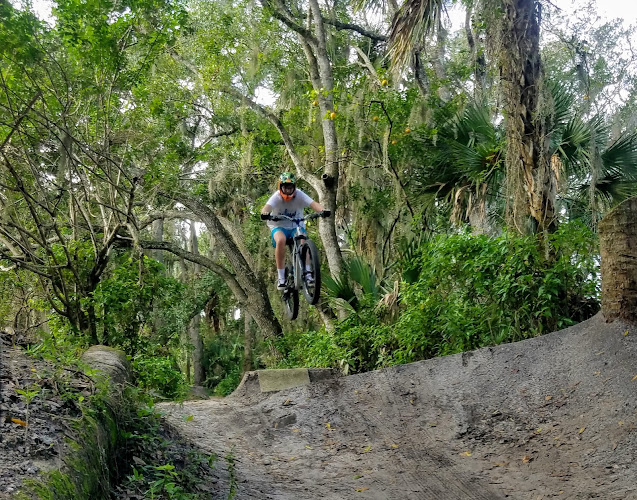
The Grapefruit Bike Trails offer mountain biking enthusiasts a proper challenge that'll test your skills and probably your nerve too. These trails wind through dense woodland terrain, designed specifically for intermediate and advanced riders who aren't satisfied with your typical paved path around the park. And honestly, if you're still using training wheels (figuratively speaking), you might want to look elsewhere because these trails don't mess around. What sets this place apart is the technical nature of the course itself. We're talking jumps, obstacles, and features that demand genuine bike handling ability. The trails snake through natural forest settings, giving riders that authentic backcountry experience without having to drive hours into the wilderness. I remember the first time I hit a proper jump section on a trail like this - my heart was pounding so hard I thought it might actually exit my chest. That rush? That's what keeps people coming back here weekend after weekend. The trail system has developed a reputation among the mountain biking community as a serious workout combined with serious fun. You'll find yourself navigating root systems, tackling wooden features, and launching off berms that test both your courage and your suspension. But it's not just about the adrenaline. There's something genuinely peaceful about being deep in the woods, hearing nothing but your tires on dirt and birds overhead, feeling completely disconnected from the daily grind.

Key Features

The Grapefruit Bike Trails pack quite a punch when it comes to what they offer riders willing to tackle their challenging terrain:
  • Multiple jump lines designed for progressive skill development, allowing riders to push their limits at their own pace
  • Technical obstacles including log rides, rock gardens, and wooden features that demand precision and control
  • Dense forest canopy providing natural shade during warmer months and protection from light rain
  • Well-maintained trail surfaces despite being natural terrain, showing clear evidence of dedicated trail management
  • Onsite services available for rider convenience and safety
  • Various difficulty progressions within the intermediate to advanced categories, so you're not stuck with just one challenge level
  • Natural terrain features incorporated into the trail design, making use of the existing landscape rather than fighting against it
  • Sufficient trail length to provide a proper workout without feeling like you're just doing endless laps
  • A tight-knit community of regular riders who genuinely look out for each other on the trails
  • Bermed corners that let you carry speed through turns if you've got the confidence

Best Time to Visit

Timing your visit to the Grapefruit Bike Trails can make the difference between an epic ride and a muddy slog through barely-rideable conditions. The sweet spot typically falls during spring and fall months when temperatures hover in that perfect range - not too hot that you're gasping for air on climbs, not too cold that your hands go numb on the grips. Spring brings renewed trail conditions after winter, though you'll want to wait until things dry out properly. Riding on wet trails doesn't just make for a miserable experience; it tears up the trail surface and creates erosion problems that affect everyone. Generally speaking, if it's rained in the past 24-48 hours, give it some time. Your patience will be rewarded with better grip and happier trail maintainers. Fall might actually be the champion season here. The forest canopy puts on a show with changing leaves, temperatures cool down to absolutely perfect riding weather, and the trails tend to stay in primo condition. I've had some of my best trail days ever during October mornings when the air is crisp and the dirt is tacky. Summer isn't off limits, but you'll want to start early. Like, really early. Think 7 AM or earlier if possible. The forest provides decent shade, but once afternoon heat settles in, those climbs become exponentially harder. Bring more water than you think you'll need - dehydration will wreck your riding faster than a flat tire. Winter riding is possible depending on your local climate, though frozen ground and potential ice on wooden features adds risk. Some riders love the challenge; others wisely stick to their indoor trainers when temps drop too low. Weekday mornings offer the quietest trail experience if your schedule allows it. Weekends see heavier traffic, which isn't necessarily bad - there's something energizing about the community atmosphere - but passing slower riders on technical sections can interrupt your flow.

How to Get There

Getting to the Grapefruit Bike Trails requires some planning since this isn't exactly the kind of place you'll stumble upon accidentally during a Sunday drive. The trailhead sits in a wooded area that demands intentional navigation, so don't rely on just following signs once you're close. Your best bet is using GPS coordinates or a reliable mapping app on your smartphone, making sure to download offline maps beforehand in case cell service gets spotty near the trails. The parking area isn't massive, so arriving earlier means better parking spots closer to the trail entrance. And trust me, when you're exhausted after a two-hour session, you'll appreciate not having to walk an extra quarter mile carrying your bike. The entrance itself isn't wheelchair accessible, which is worth noting for anyone in your travel party with mobility considerations. The natural terrain and purpose of the trails make accessibility modifications pretty much impossible without completely changing the character of the place. If you're traveling from out of town, you'll likely need a vehicle. Public transportation doesn't typically service trailheads like this, and rideshare services might give you odd looks when you request a pickup from the middle of the woods with a mud-covered bike. Plan accordingly. Parking is free, which is a nice touch in an era where every outdoor recreation area seems to be implementing fee systems. Just remember to lock your vehicle and don't leave valuables visible - standard outdoor recreation area precautions apply.

Tips for Visiting

Arriving prepared at the Grapefruit Bike Trails makes the difference between an awesome day and a frustrating experience that has you limping home early. First things first: bring the right bike. This isn't the place for your vintage road bike or beach cruiser. You need a proper mountain bike with decent suspension, and honestly, full suspension will make your life much easier on the rougher sections. Wear appropriate safety gear, period. A quality helmet isn't optional, and many experienced riders here also sport knee pads, elbow pads, and gloves. Yeah, you might feel like you're suiting up for battle, but the first time you clip a tree or misjudge a landing, you'll be grateful for every bit of protection. I learned this lesson the hard way with a spectacular crash that left me picking bark out of places I'd rather not mention. Hydration deserves its own paragraph because it's that important. Bring way more water than seems reasonable. These trails work you hard, and there aren't water fountains scattered throughout the woods. A hydration pack works better than water bottles since you can drink without stopping, keeping your momentum going. Check your bike before you go. Tire pressure, brake function, chain lubrication - taking fifteen minutes for a pre-ride check can prevent hours of trail-side repairs or worse, a long walk back pushing a broken bike. Carry a basic repair kit including a spare tube, tire levers, a multi-tool, and a pump or CO2 inflator. Study trail etiquette before your first visit. Yielding properly, calling out passes, and controlling your speed around blind corners keeps everyone safer and the atmosphere friendly. The regular riding community here is welcoming, but they expect everyone to respect the trails and each other. Start with easier features before progressing to the bigger obstacles and jumps. Even if you're an advanced rider, every trail system has its own personality and rhythm. Give yourself time to adjust before sending the largest gap jump or attempting the skinniest log ride. Bring snacks with actual substance - protein bars, trail mix, maybe a sandwich. Your body burns through calories fast on technical terrain, and bonking halfway through your ride ruins the fun immediately. Consider riding with a buddy, especially your first few times. Not only is it safer to have someone who can help if you crash or have mechanical issues, but shared experiences on the trail create lasting memories. Plus, someone needs to witness your cleanest jump line run, right? Download a trail app or grab a trail map if available. While the trail system isn't enormous, getting turned around in the woods while exhausted isn't ideal. Knowing where you are and how to get back to the parking area provides peace of mind. Check weather forecasts obsessively before committing to the drive. Again, wet trails equal bad news for everyone involved. If there's rain in the forecast, reschedule. The trails will still be there next weekend. Finally, respect the trails themselves. Stay on designated paths, don't cut switchbacks, and if you see trash, pack it out even if it isn't yours. These trails exist because people put in volunteer hours building and maintaining them. The least we can do is treat them with care so future riders can enjoy the same experience.

Key Features

  • Multiple jump lines designed for progressive skill development, allowing riders to push their limits at their own pace
  • Technical obstacles including log rides, rock gardens, and wooden features that demand precision and control
  • Dense forest canopy providing natural shade during warmer months and protection from light rain
  • Well-maintained trail surfaces despite being natural terrain, showing clear evidence of dedicated trail management
  • Onsite services available for rider convenience and safety
  • Various difficulty progressions within the intermediate to advanced categories, so you're not stuck with just one challenge level
  • Natural terrain features incorporated into the trail design, making use of the existing landscape rather than fighting against it
  • Sufficient trail length to provide a proper workout without feeling like you're just doing endless laps

More Details

Updated March 30, 2026

Description

The Grapefruit Bike Trails offer mountain biking enthusiasts a proper challenge that’ll test your skills and probably your nerve too. These trails wind through dense woodland terrain, designed specifically for intermediate and advanced riders who aren’t satisfied with your typical paved path around the park. And honestly, if you’re still using training wheels (figuratively speaking), you might want to look elsewhere because these trails don’t mess around.

What sets this place apart is the technical nature of the course itself. We’re talking jumps, obstacles, and features that demand genuine bike handling ability. The trails snake through natural forest settings, giving riders that authentic backcountry experience without having to drive hours into the wilderness. I remember the first time I hit a proper jump section on a trail like this – my heart was pounding so hard I thought it might actually exit my chest. That rush? That’s what keeps people coming back here weekend after weekend.

The trail system has developed a reputation among the mountain biking community as a serious workout combined with serious fun. You’ll find yourself navigating root systems, tackling wooden features, and launching off berms that test both your courage and your suspension. But it’s not just about the adrenaline. There’s something genuinely peaceful about being deep in the woods, hearing nothing but your tires on dirt and birds overhead, feeling completely disconnected from the daily grind.

Key Features

The Grapefruit Bike Trails pack quite a punch when it comes to what they offer riders willing to tackle their challenging terrain:

  • Multiple jump lines designed for progressive skill development, allowing riders to push their limits at their own pace
  • Technical obstacles including log rides, rock gardens, and wooden features that demand precision and control
  • Dense forest canopy providing natural shade during warmer months and protection from light rain
  • Well-maintained trail surfaces despite being natural terrain, showing clear evidence of dedicated trail management
  • Onsite services available for rider convenience and safety
  • Various difficulty progressions within the intermediate to advanced categories, so you’re not stuck with just one challenge level
  • Natural terrain features incorporated into the trail design, making use of the existing landscape rather than fighting against it
  • Sufficient trail length to provide a proper workout without feeling like you’re just doing endless laps
  • A tight-knit community of regular riders who genuinely look out for each other on the trails
  • Bermed corners that let you carry speed through turns if you’ve got the confidence

Best Time to Visit

Timing your visit to the Grapefruit Bike Trails can make the difference between an epic ride and a muddy slog through barely-rideable conditions. The sweet spot typically falls during spring and fall months when temperatures hover in that perfect range – not too hot that you’re gasping for air on climbs, not too cold that your hands go numb on the grips.

Spring brings renewed trail conditions after winter, though you’ll want to wait until things dry out properly. Riding on wet trails doesn’t just make for a miserable experience; it tears up the trail surface and creates erosion problems that affect everyone. Generally speaking, if it’s rained in the past 24-48 hours, give it some time. Your patience will be rewarded with better grip and happier trail maintainers.

Fall might actually be the champion season here. The forest canopy puts on a show with changing leaves, temperatures cool down to absolutely perfect riding weather, and the trails tend to stay in primo condition. I’ve had some of my best trail days ever during October mornings when the air is crisp and the dirt is tacky.

Summer isn’t off limits, but you’ll want to start early. Like, really early. Think 7 AM or earlier if possible. The forest provides decent shade, but once afternoon heat settles in, those climbs become exponentially harder. Bring more water than you think you’ll need – dehydration will wreck your riding faster than a flat tire.

Winter riding is possible depending on your local climate, though frozen ground and potential ice on wooden features adds risk. Some riders love the challenge; others wisely stick to their indoor trainers when temps drop too low.

Weekday mornings offer the quietest trail experience if your schedule allows it. Weekends see heavier traffic, which isn’t necessarily bad – there’s something energizing about the community atmosphere – but passing slower riders on technical sections can interrupt your flow.

How to Get There

Getting to the Grapefruit Bike Trails requires some planning since this isn’t exactly the kind of place you’ll stumble upon accidentally during a Sunday drive. The trailhead sits in a wooded area that demands intentional navigation, so don’t rely on just following signs once you’re close.

Your best bet is using GPS coordinates or a reliable mapping app on your smartphone, making sure to download offline maps beforehand in case cell service gets spotty near the trails. The parking area isn’t massive, so arriving earlier means better parking spots closer to the trail entrance. And trust me, when you’re exhausted after a two-hour session, you’ll appreciate not having to walk an extra quarter mile carrying your bike.

The entrance itself isn’t wheelchair accessible, which is worth noting for anyone in your travel party with mobility considerations. The natural terrain and purpose of the trails make accessibility modifications pretty much impossible without completely changing the character of the place.

If you’re traveling from out of town, you’ll likely need a vehicle. Public transportation doesn’t typically service trailheads like this, and rideshare services might give you odd looks when you request a pickup from the middle of the woods with a mud-covered bike. Plan accordingly.

Parking is free, which is a nice touch in an era where every outdoor recreation area seems to be implementing fee systems. Just remember to lock your vehicle and don’t leave valuables visible – standard outdoor recreation area precautions apply.

Tips for Visiting

Arriving prepared at the Grapefruit Bike Trails makes the difference between an awesome day and a frustrating experience that has you limping home early. First things first: bring the right bike. This isn’t the place for your vintage road bike or beach cruiser. You need a proper mountain bike with decent suspension, and honestly, full suspension will make your life much easier on the rougher sections.

Wear appropriate safety gear, period. A quality helmet isn’t optional, and many experienced riders here also sport knee pads, elbow pads, and gloves. Yeah, you might feel like you’re suiting up for battle, but the first time you clip a tree or misjudge a landing, you’ll be grateful for every bit of protection. I learned this lesson the hard way with a spectacular crash that left me picking bark out of places I’d rather not mention.

Hydration deserves its own paragraph because it’s that important. Bring way more water than seems reasonable. These trails work you hard, and there aren’t water fountains scattered throughout the woods. A hydration pack works better than water bottles since you can drink without stopping, keeping your momentum going.

Check your bike before you go. Tire pressure, brake function, chain lubrication – taking fifteen minutes for a pre-ride check can prevent hours of trail-side repairs or worse, a long walk back pushing a broken bike. Carry a basic repair kit including a spare tube, tire levers, a multi-tool, and a pump or CO2 inflator.

Study trail etiquette before your first visit. Yielding properly, calling out passes, and controlling your speed around blind corners keeps everyone safer and the atmosphere friendly. The regular riding community here is welcoming, but they expect everyone to respect the trails and each other.

Start with easier features before progressing to the bigger obstacles and jumps. Even if you’re an advanced rider, every trail system has its own personality and rhythm. Give yourself time to adjust before sending the largest gap jump or attempting the skinniest log ride.

Bring snacks with actual substance – protein bars, trail mix, maybe a sandwich. Your body burns through calories fast on technical terrain, and bonking halfway through your ride ruins the fun immediately.

Consider riding with a buddy, especially your first few times. Not only is it safer to have someone who can help if you crash or have mechanical issues, but shared experiences on the trail create lasting memories. Plus, someone needs to witness your cleanest jump line run, right?

Download a trail app or grab a trail map if available. While the trail system isn’t enormous, getting turned around in the woods while exhausted isn’t ideal. Knowing where you are and how to get back to the parking area provides peace of mind.

Check weather forecasts obsessively before committing to the drive. Again, wet trails equal bad news for everyone involved. If there’s rain in the forecast, reschedule. The trails will still be there next weekend.

Finally, respect the trails themselves. Stay on designated paths, don’t cut switchbacks, and if you see trash, pack it out even if it isn’t yours. These trails exist because people put in volunteer hours building and maintaining them. The least we can do is treat them with care so future riders can enjoy the same experience.

Key Highlights

  • Multiple jump lines designed for progressive skill development, allowing riders to push their limits at their own pace
  • Technical obstacles including log rides, rock gardens, and wooden features that demand precision and control
  • Dense forest canopy providing natural shade during warmer months and protection from light rain
  • Well-maintained trail surfaces despite being natural terrain, showing clear evidence of dedicated trail management
  • Onsite services available for rider convenience and safety
  • Various difficulty progressions within the intermediate to advanced categories, so you're not stuck with just one challenge level
  • Natural terrain features incorporated into the trail design, making use of the existing landscape rather than fighting against it
  • Sufficient trail length to provide a proper workout without feeling like you're just doing endless laps

Location

Places to Stay Near Grapefruit Bike Trails

Find and Book a Tour

Explore More Travel Guides

No reviews found! Be the first to review!

Grapefruit Bike Trails is a prominent attractions located in Palm Bay.

Visit us at: 1414 Norbert Rd NE, Palm Bay, FL 32907.

Traveler Reviews for Grapefruit Bike Trails

There are no reviews yet. Be the first one to write one.

Share Your Experience

Have you visited Grapefruit Bike Trails? Help other travelers by sharing your review.

Find Accommodations Nearby

Recommended Tours & Activities

Visitor Reviews

There are no reviews yet. Be the first one to write one.

Share Your Experience

Have you visited Grapefruit Bike Trails? Help other travelers by leaving a review.