Government Museum and Art Gallery
About Government Museum and Art Gallery
Description
The Government Museum and Art Gallery in Chandigarh is one of those places that quietly surprises you. It doesn’t scream for attention, yet once you step inside, it’s like walking through a time capsule that blends art, history, and a bit of architectural genius. I remember the first time I visited — I was expecting a typical museum experience, but what I found was something far more layered. The museum isn’t just about paintings and sculptures; it’s about stories — of civilizations, creativity, and cultural evolution.
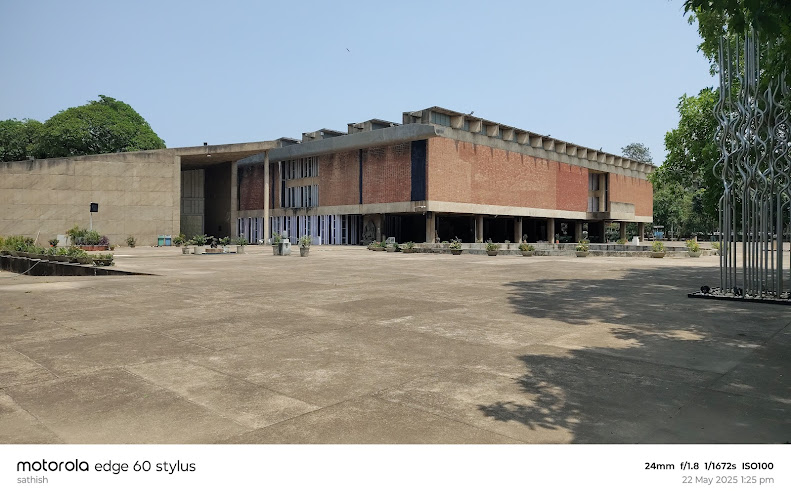
Built after India’s Partition, the museum holds a unique legacy. Many of its artifacts once belonged to the Lahore Museum, and after 1947, they found a new home here. There’s something poetic about that — history finding its way back into the hands of those who cherish it. Designed by Le Corbusier, the same visionary architect who shaped Chandigarh’s urban landscape, the building itself feels like a piece of art. Its clean lines and geometric forms make you pause and admire before you even step inside.
Inside, the museum’s collection is vast and varied. You’ll find ancient Gandhara sculptures that whisper tales of Buddhist heritage, Mughal miniatures that dazzle with their intricate detail, and modern Indian art that feels raw and alive. There’s also a fascinating natural history section — fossils, coins, and even taxidermy displays that take you back to the roots of science and curiosity. I’ve always thought this mix of art and anthropology makes the museum special; it’s not just about admiring beauty but understanding where that beauty comes from.
And honestly, the atmosphere is calm — almost meditative. You can take your time wandering through the galleries without feeling rushed. It’s a place that rewards curiosity. Sure, not every display is perfect or high-tech, but that’s part of its charm. It feels real, approachable, and deeply rooted in the city’s identity. Visitors often leave with a sense of quiet appreciation, especially those who take a moment to notice the little details — the way light hits a sculpture or how a centuries-old coin still gleams faintly under glass.
Key Features
- Architectural Significance: Designed by Le Corbusier, the museum’s structure is a masterpiece of modernist architecture, emphasizing simplicity and harmony.
- Diverse Collections: Houses ancient Gandhara sculptures, Pahari and Mughal miniatures, modern Indian art, and a wide range of natural history exhibits.
- Historical Artifacts: Features relics transferred from the Lahore Museum after Partition, giving it immense historical and emotional value.
- Educational Value: Offers insight into India’s artistic journey from ancient civilizations to contemporary creativity.
- Accessibility: The museum is wheelchair-friendly, with accessible entrances, restrooms, and parking.
- Family-Friendly: Great for children and families looking to explore history and art in an engaging, educational setting.
- Live Performances: Occasionally hosts cultural and artistic performances that bring the exhibits to life.
- Peaceful Ambiance: A quiet and contemplative space, ideal for travelers seeking a slower, more thoughtful experience.
Best Time to Visit
If you’re planning a trip, the cooler months between October and March are definitely the best. Chandigarh’s weather during this time is pleasant and perfect for exploring. I once visited in June — big mistake. The heat made it hard to focus on anything other than finding the nearest fan. In winter, though, you can stroll through the museum’s outdoor areas comfortably and even enjoy a leisurely walk around the surrounding gardens afterward. Weekdays are usually less crowded, so if you prefer a quieter experience, plan your visit mid-morning on a weekday. The natural light streaming into the galleries at that time adds a soft glow that makes the artwork look even more beautiful.
How to Get There
The museum sits right in the heart of Chandigarh’s cultural district, making it easy to reach from almost anywhere in the city. If you’re staying in Sector 17 or near the Capitol Complex, it’s just a short drive or even a pleasant walk if the weather’s kind. Local taxis and auto-rickshaws are plentiful, and most drivers know the place well — just say “Government Museum and Art Gallery” and they’ll nod knowingly. For those coming from outside the city, Chandigarh’s railway station and airport are both well-connected, and you can easily catch a cab or use an app-based ride service. Parking is available nearby, and it’s wheelchair accessible, which is a big plus for travelers with mobility needs.
Public transport is also an option if you’re feeling adventurous. The local buses run quite frequently, and though they can get crowded, they’re an authentic way to experience the city’s rhythm. Personally, I like taking a cab there — it’s affordable, and you can chat with the driver about local spots to grab a bite afterward. Many of them will recommend a visit to the nearby Rock Garden or Sukhna Lake — both worth your time if you’re making a day of it.
Tips for Visiting
Here’s where a few insider tips can make your visit smoother and more enjoyable. First off, give yourself at least two hours — there’s a lot to see, and rushing through it would be a shame. The museum’s layout can be a bit maze-like, so take a photo of the map near the entrance or ask a staff member for directions if you lose your bearings (happens to me every time). The staff are generally friendly and happy to share little bits of trivia about the exhibits if you show genuine interest.
Photography rules can vary — sometimes you’re allowed to take pictures without flash, sometimes not, so always check before snapping away. And bring a bottle of water; there’s no café inside, and walking through the galleries can get tiring. There are restrooms available, though, and they’re decently maintained. If you’re traveling with kids, the museum is surprisingly engaging for them. The natural history section, with its fossils and animal displays, tends to be a hit. I once saw a group of schoolchildren completely fascinated by a dinosaur fossil replica — their excitement was infectious.
Another tip: try to visit when there’s a special exhibition or live performance scheduled. These events add a dynamic element to the experience and often feature local artists or historians sharing insights. It’s a great way to connect with Chandigarh’s creative community. And if you’re an art lover, take a notebook or sketchpad — the atmosphere here is inspiring, and you might find yourself wanting to jot down ideas or even sketch a sculpture or two.
Lastly, don’t skip the small details. Look at the labels, read the stories behind the pieces, and take a moment to imagine the world they came from. That’s where the magic lies. The Government Museum and Art Gallery isn’t just a place to see things; it’s a place to feel connected — to history, to art, and to the quiet rhythm of human creativity that continues to evolve. Whether you’re a casual traveler or a serious art enthusiast, it’s one of those stops that stays with you long after you’ve left.
Key Features
- Key Features
- Best Time to Visit
- How to Get There
- Tips for Visiting
More Details
Updated October 9, 2025
Table of Contents
Description
The Government Museum and Art Gallery in Chandigarh is one of those places that quietly surprises you. It doesn’t scream for attention, yet once you step inside, it’s like walking through a time capsule that blends art, history, and a bit of architectural genius. I remember the first time I visited — I was expecting a typical museum experience, but what I found was something far more layered. The museum isn’t just about paintings and sculptures; it’s about stories — of civilizations, creativity, and cultural evolution.
Built after India’s Partition, the museum holds a unique legacy. Many of its artifacts once belonged to the Lahore Museum, and after 1947, they found a new home here. There’s something poetic about that — history finding its way back into the hands of those who cherish it. Designed by Le Corbusier, the same visionary architect who shaped Chandigarh’s urban landscape, the building itself feels like a piece of art. Its clean lines and geometric forms make you pause and admire before you even step inside.
Inside, the museum’s collection is vast and varied. You’ll find ancient Gandhara sculptures that whisper tales of Buddhist heritage, Mughal miniatures that dazzle with their intricate detail, and modern Indian art that feels raw and alive. There’s also a fascinating natural history section — fossils, coins, and even taxidermy displays that take you back to the roots of science and curiosity. I’ve always thought this mix of art and anthropology makes the museum special; it’s not just about admiring beauty but understanding where that beauty comes from.
And honestly, the atmosphere is calm — almost meditative. You can take your time wandering through the galleries without feeling rushed. It’s a place that rewards curiosity. Sure, not every display is perfect or high-tech, but that’s part of its charm. It feels real, approachable, and deeply rooted in the city’s identity. Visitors often leave with a sense of quiet appreciation, especially those who take a moment to notice the little details — the way light hits a sculpture or how a centuries-old coin still gleams faintly under glass.
Key Features
- Architectural Significance: Designed by Le Corbusier, the museum’s structure is a masterpiece of modernist architecture, emphasizing simplicity and harmony.
- Diverse Collections: Houses ancient Gandhara sculptures, Pahari and Mughal miniatures, modern Indian art, and a wide range of natural history exhibits.
- Historical Artifacts: Features relics transferred from the Lahore Museum after Partition, giving it immense historical and emotional value.
- Educational Value: Offers insight into India’s artistic journey from ancient civilizations to contemporary creativity.
- Accessibility: The museum is wheelchair-friendly, with accessible entrances, restrooms, and parking.
- Family-Friendly: Great for children and families looking to explore history and art in an engaging, educational setting.
- Live Performances: Occasionally hosts cultural and artistic performances that bring the exhibits to life.
- Peaceful Ambiance: A quiet and contemplative space, ideal for travelers seeking a slower, more thoughtful experience.
Best Time to Visit
If you’re planning a trip, the cooler months between October and March are definitely the best. Chandigarh’s weather during this time is pleasant and perfect for exploring. I once visited in June — big mistake. The heat made it hard to focus on anything other than finding the nearest fan. In winter, though, you can stroll through the museum’s outdoor areas comfortably and even enjoy a leisurely walk around the surrounding gardens afterward. Weekdays are usually less crowded, so if you prefer a quieter experience, plan your visit mid-morning on a weekday. The natural light streaming into the galleries at that time adds a soft glow that makes the artwork look even more beautiful.
How to Get There
The museum sits right in the heart of Chandigarh’s cultural district, making it easy to reach from almost anywhere in the city. If you’re staying in Sector 17 or near the Capitol Complex, it’s just a short drive or even a pleasant walk if the weather’s kind. Local taxis and auto-rickshaws are plentiful, and most drivers know the place well — just say “Government Museum and Art Gallery” and they’ll nod knowingly. For those coming from outside the city, Chandigarh’s railway station and airport are both well-connected, and you can easily catch a cab or use an app-based ride service. Parking is available nearby, and it’s wheelchair accessible, which is a big plus for travelers with mobility needs.
Public transport is also an option if you’re feeling adventurous. The local buses run quite frequently, and though they can get crowded, they’re an authentic way to experience the city’s rhythm. Personally, I like taking a cab there — it’s affordable, and you can chat with the driver about local spots to grab a bite afterward. Many of them will recommend a visit to the nearby Rock Garden or Sukhna Lake — both worth your time if you’re making a day of it.
Tips for Visiting
Here’s where a few insider tips can make your visit smoother and more enjoyable. First off, give yourself at least two hours — there’s a lot to see, and rushing through it would be a shame. The museum’s layout can be a bit maze-like, so take a photo of the map near the entrance or ask a staff member for directions if you lose your bearings (happens to me every time). The staff are generally friendly and happy to share little bits of trivia about the exhibits if you show genuine interest.
Photography rules can vary — sometimes you’re allowed to take pictures without flash, sometimes not, so always check before snapping away. And bring a bottle of water; there’s no café inside, and walking through the galleries can get tiring. There are restrooms available, though, and they’re decently maintained. If you’re traveling with kids, the museum is surprisingly engaging for them. The natural history section, with its fossils and animal displays, tends to be a hit. I once saw a group of schoolchildren completely fascinated by a dinosaur fossil replica — their excitement was infectious.
Another tip: try to visit when there’s a special exhibition or live performance scheduled. These events add a dynamic element to the experience and often feature local artists or historians sharing insights. It’s a great way to connect with Chandigarh’s creative community. And if you’re an art lover, take a notebook or sketchpad — the atmosphere here is inspiring, and you might find yourself wanting to jot down ideas or even sketch a sculpture or two.
Lastly, don’t skip the small details. Look at the labels, read the stories behind the pieces, and take a moment to imagine the world they came from. That’s where the magic lies. The Government Museum and Art Gallery isn’t just a place to see things; it’s a place to feel connected — to history, to art, and to the quiet rhythm of human creativity that continues to evolve. Whether you’re a casual traveler or a serious art enthusiast, it’s one of those stops that stays with you long after you’ve left.

Key Highlights
- Key Features
- Best Time to Visit
- How to Get There
- Tips for Visiting
Location
Places to Stay Near Government Museum and Art Gallery
Find and Book a Tour
Explore More Travel Guides
No reviews found! Be the first to review!
Traveler Reviews for Government Museum and Art Gallery
There are no reviews yet. Be the first one to write one.
Have you visited Government Museum and Art Gallery? Help other travelers by sharing your review.
Find Accommodations Nearby
Recommended Tours & Activities
Visitor Reviews
There are no reviews yet. Be the first one to write one.
Share Your Experience
Have you visited Government Museum and Art Gallery? Help other travelers by leaving a review.