
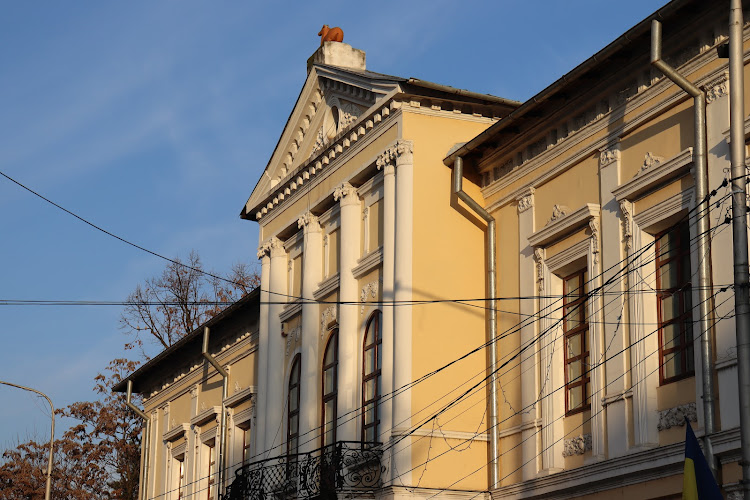
Gorj County Museum Alexander Ștefulescu
About Gorj County Museum Alexander Ștefulescu
Description
If you find yourself wandering around Târgu Jiu and have even a pinch of curiosity about Romanian history, the Gorj County Museum Alexander Ștefulescu has a way of making you linger longer than planned. It's not the kind of museum you breeze through just to say you've ticked it off your travel list. It’s one of those overlooked gems, humming with local stories, layered artifacts, and some pretty passionate curators you might just catch mid-tale if you’re lucky (or ask enough questions).
The museum unfolds the rich tapestry of Gorj’s history, culture, and even a few oddities. Sometimes I walk in expecting a standard history museum vibe, and I leave with my curiosity stoked—Romanian folklore, ancient coins, get this, personal belongings of famous locals…it can easily spark the imagination. There are halls full of archeological finds, medieval weaponry, quirky crafts, and even chilling war memorabilia that make you, for a second, try to picture yourself as a medieval trader or a 19th-century teacher in the old Gorj. The museum doesn’t have that cold, don’t-touch-anything feeling. Instead, it encourages a kind of meandering curiosity.
For folks traveling with kids, you’re in luck—the vibe is welcoming. And yes, little explorers have plenty to marvel at (try explaining some 500-year-old swords in a way that isn’t scary—good luck). Accessibility? Absolutely. There’s step-free access at the entrance, and wheelchair-friendly amenities, so nobody misses out. I love that detail—too many old buildings in Romania leave someone out, but not this one.
Now, don’t expect everything to be shiny and modern; part of the place’s charm is how it wears its age, but you’ll find the exhibits are generally well-cared for and informative. Some rooms are a little dim and old-school, but I find that adds to the authenticity. Few museums in Romania pack this much cultural heritage and community spirit under one roof. Simply put, if you’re even remotely interested in the real stories—from the time of the Dacians forward—this is the place to get your bearings.
Key Features
- Extensive Local History Exhibits: Dive deep into Gorj’s past, from prehistoric settlement displays to WWII artifacts. The focus on everyday life—from pottery to ornate costumes—really grounds you in the region's roots.
- Interactive Learning: Many displays are designed with kids in mind, and some aren’t afraid to get hands-on. It’s not all dusty glass cases here. Bonus: passion projects by the staff sometimes lead to impromptu storytelling.
- Wheelchair Accessibility: Inclusive design stands out. Wheelchair users can access the entrance, restrooms, and parking without a hassle—a rarity for many historical sites around here.
- Perfect for Families and Solo Travelers: Whether you’re herding a pack of junior historians or going solo, the museum is an easy, engaging stop. Calm, safe, and surprisingly enjoyable for kids—just watch out for sudden bursts of enthusiasm about ancient weapons or folk costumes.
- Comprehensive Educational Displays: Bilingual explanations (usually Romanian and English) cover everything from archeology to industry. You don’t get lost if you’re not fluent in Romanian.
- Passionate Staff: Don’t be shy—ask questions. The museum’s team often go above and beyond to bring exhibits to life, especially if you show genuine curiosity. I once got a five-minute oral history about local revolutionaries—totally unexpected and fascinating.
- Restroom Facilities: On-site restrooms are a practical addition, especially if you’re managing children or planning a longer visit.
- Cultural Programs and Events: Occasionally, themed days or temporary exhibitions pop up. Check locally for what’s happening—you might stumble on a craftsfair or folklore performance.
Best Time to Visit
Ah, the age-old question—when’s the perfect moment for a museum visit? Honestly, the Gorj County Museum Alexander Ștefulescu is welcoming year-round, but if you want to sidestep school groups and busloads of travelers, weekdays, especially in late morning or mid-afternoon, are delightfully quiet. That’s when I personally like to visit—there’s a sort of hush that helps you soak in the exhibits, with nobody in a rush nudging you along.
Spring and autumn offer the best weather for wandering through Târgu Jiu itself before or after your museum trip. Summers can get a bit stuffy inside, just like most old buildings lacking state-of-the-art climate control, but it’s manageable and worth it for the immersion. If you land here around national holidays or special events, you might get lucky and catch a festival, though that’s when things can get busy and, to be honest, a tiny bit chaotic (but fun, in a boisterous Romanian way).
If you’re the type who loves wandering at your own pace, avoid weekends and opt for an early-in-the-week slot. That way, you truly get the museum at its best—almost like it’s opened just for you.
How to Get There
Getting to Gorj County Museum Alexander Ștefulescu isn’t a herculean task—even if you don’t have a car, Târgu Jiu is well-connected by train or coach from most cities in southern Romania. Step off the train or bus, and you’re just a quick taxi ride or a decent stroll (if you’re a fan of exploring on foot like me) from the museum.
The city center is compact, so the museum is within striking distance from most landmarks, including the Brâncuși sculptures, which, by the way, are worth your time while you’re here. Public transit in Târgu Jiu does the job—a couple of local bus lines get you quite close, though sometimes I’d rather walk, soaking in the sights (sometimes even stopping for a street pretzel—it’s a weakness).
If you drive, parking’s quite straightforward since the museum offers accessible parking options. No mad dashes for a space on most days, which is always a small travel victory. For cyclists, it’s a breeze—bring your own lock, and don’t be shy about asking museum staff the best spot to stow your bike safely. All in all, it’s easy enough to visit without stressing over logistics, which, honestly, isn’t always the case for museums off the main tourist track.
Tips for Visiting
Alright, a few pointers from someone who’s been in and out of more history museums than most would care to admit:
- Budget at least 1–2 hours. You’ll want enough time to let some exhibits really sink in. Rushing misses the point here.
- Ask questions. The staff can be absolute troves of trivia and personal anecdotes. I’ve come away from simple chats with surprising layers of local lore.
- Watch for temporary exhibits. Sometimes the best stuff is only around for a few weeks—handmade crafts, local artwork, or rare artifacts pulled from the archives. Don’t be shy about asking what’s new when you arrive.
- Plan for lunch elsewhere. The museum doesn’t have an on-site restaurant, so grab a coffee or a meal in the city before or after your visit. There are plenty of good eateries within a 10-minute walk.
- Photography is generally allowed—but politely check before snapping pictures in special exhibits. Some temporary displays have restrictions, and nobody wants a wagged finger in their vacation photos.
- Bring the kids! The exhibits are friendlier for families than you might expect, with lots to keep little minds buzzing—though perhaps steer them gently past the more somber war displays.
- If wheelchair access is key, let staff know if you need extra help. They’re happy to assist and love sharing their favorite highlights.
- Pair it with a walk through Târgu Jiu’s center for the full experience. The city is packed with quirky urban art and cafés, making the museum feel like the start (or capstone) of a great half day.
Above all, give yourself space to roam and let curiosity guide you. The real treasure here isn’t just behind glass—it’s often in the conversations you spark and the little details you notice that, later, sneak unexpectedly into your memory as the best part of Gorj.
Key Features
- Key Features
- Best Time to Visit
- How to Get There
- Tips for Visiting
More Details
Updated July 6, 2025
Table of Contents
- Description
- Key Features
- Best Time to Visit
- How to Get There
- Tips for Visiting
- Key Highlights
- Location
- Places to Stay Near Gorj County Museum Alexander Ștefulescu
- Find and Book a Tour
- Explore More Travel Guides
- Nearby Places You Might Like
- Traveler Reviews for Gorj County Museum Alexander Ștefulescu
- Share Your Experience
Description
If you find yourself wandering around Târgu Jiu and have even a pinch of curiosity about Romanian history, the Gorj County Museum Alexander Ștefulescu has a way of making you linger longer than planned. It’s not the kind of museum you breeze through just to say you’ve ticked it off your travel list. It’s one of those overlooked gems, humming with local stories, layered artifacts, and some pretty passionate curators you might just catch mid-tale if you’re lucky (or ask enough questions).
The museum unfolds the rich tapestry of Gorj’s history, culture, and even a few oddities. Sometimes I walk in expecting a standard history museum vibe, and I leave with my curiosity stoked—Romanian folklore, ancient coins, get this, personal belongings of famous locals…it can easily spark the imagination. There are halls full of archeological finds, medieval weaponry, quirky crafts, and even chilling war memorabilia that make you, for a second, try to picture yourself as a medieval trader or a 19th-century teacher in the old Gorj. The museum doesn’t have that cold, don’t-touch-anything feeling. Instead, it encourages a kind of meandering curiosity.
For folks traveling with kids, you’re in luck—the vibe is welcoming. And yes, little explorers have plenty to marvel at (try explaining some 500-year-old swords in a way that isn’t scary—good luck). Accessibility? Absolutely. There’s step-free access at the entrance, and wheelchair-friendly amenities, so nobody misses out. I love that detail—too many old buildings in Romania leave someone out, but not this one.
Now, don’t expect everything to be shiny and modern; part of the place’s charm is how it wears its age, but you’ll find the exhibits are generally well-cared for and informative. Some rooms are a little dim and old-school, but I find that adds to the authenticity. Few museums in Romania pack this much cultural heritage and community spirit under one roof. Simply put, if you’re even remotely interested in the real stories—from the time of the Dacians forward—this is the place to get your bearings.
Key Features
- Extensive Local History Exhibits: Dive deep into Gorj’s past, from prehistoric settlement displays to WWII artifacts. The focus on everyday life—from pottery to ornate costumes—really grounds you in the region’s roots.
- Interactive Learning: Many displays are designed with kids in mind, and some aren’t afraid to get hands-on. It’s not all dusty glass cases here. Bonus: passion projects by the staff sometimes lead to impromptu storytelling.
- Wheelchair Accessibility: Inclusive design stands out. Wheelchair users can access the entrance, restrooms, and parking without a hassle—a rarity for many historical sites around here.
- Perfect for Families and Solo Travelers: Whether you’re herding a pack of junior historians or going solo, the museum is an easy, engaging stop. Calm, safe, and surprisingly enjoyable for kids—just watch out for sudden bursts of enthusiasm about ancient weapons or folk costumes.
- Comprehensive Educational Displays: Bilingual explanations (usually Romanian and English) cover everything from archeology to industry. You don’t get lost if you’re not fluent in Romanian.
- Passionate Staff: Don’t be shy—ask questions. The museum’s team often go above and beyond to bring exhibits to life, especially if you show genuine curiosity. I once got a five-minute oral history about local revolutionaries—totally unexpected and fascinating.
- Restroom Facilities: On-site restrooms are a practical addition, especially if you’re managing children or planning a longer visit.
- Cultural Programs and Events: Occasionally, themed days or temporary exhibitions pop up. Check locally for what’s happening—you might stumble on a craftsfair or folklore performance.
Best Time to Visit
Ah, the age-old question—when’s the perfect moment for a museum visit? Honestly, the Gorj County Museum Alexander Ștefulescu is welcoming year-round, but if you want to sidestep school groups and busloads of travelers, weekdays, especially in late morning or mid-afternoon, are delightfully quiet. That’s when I personally like to visit—there’s a sort of hush that helps you soak in the exhibits, with nobody in a rush nudging you along.
Spring and autumn offer the best weather for wandering through Târgu Jiu itself before or after your museum trip. Summers can get a bit stuffy inside, just like most old buildings lacking state-of-the-art climate control, but it’s manageable and worth it for the immersion. If you land here around national holidays or special events, you might get lucky and catch a festival, though that’s when things can get busy and, to be honest, a tiny bit chaotic (but fun, in a boisterous Romanian way).
If you’re the type who loves wandering at your own pace, avoid weekends and opt for an early-in-the-week slot. That way, you truly get the museum at its best—almost like it’s opened just for you.
How to Get There
Getting to Gorj County Museum Alexander Ștefulescu isn’t a herculean task—even if you don’t have a car, Târgu Jiu is well-connected by train or coach from most cities in southern Romania. Step off the train or bus, and you’re just a quick taxi ride or a decent stroll (if you’re a fan of exploring on foot like me) from the museum.
The city center is compact, so the museum is within striking distance from most landmarks, including the Brâncuși sculptures, which, by the way, are worth your time while you’re here. Public transit in Târgu Jiu does the job—a couple of local bus lines get you quite close, though sometimes I’d rather walk, soaking in the sights (sometimes even stopping for a street pretzel—it’s a weakness).
If you drive, parking’s quite straightforward since the museum offers accessible parking options. No mad dashes for a space on most days, which is always a small travel victory. For cyclists, it’s a breeze—bring your own lock, and don’t be shy about asking museum staff the best spot to stow your bike safely. All in all, it’s easy enough to visit without stressing over logistics, which, honestly, isn’t always the case for museums off the main tourist track.
Tips for Visiting
Alright, a few pointers from someone who’s been in and out of more history museums than most would care to admit:
- Budget at least 1–2 hours. You’ll want enough time to let some exhibits really sink in. Rushing misses the point here.
- Ask questions. The staff can be absolute troves of trivia and personal anecdotes. I’ve come away from simple chats with surprising layers of local lore.
- Watch for temporary exhibits. Sometimes the best stuff is only around for a few weeks—handmade crafts, local artwork, or rare artifacts pulled from the archives. Don’t be shy about asking what’s new when you arrive.
- Plan for lunch elsewhere. The museum doesn’t have an on-site restaurant, so grab a coffee or a meal in the city before or after your visit. There are plenty of good eateries within a 10-minute walk.
- Photography is generally allowed—but politely check before snapping pictures in special exhibits. Some temporary displays have restrictions, and nobody wants a wagged finger in their vacation photos.
- Bring the kids! The exhibits are friendlier for families than you might expect, with lots to keep little minds buzzing—though perhaps steer them gently past the more somber war displays.
- If wheelchair access is key, let staff know if you need extra help. They’re happy to assist and love sharing their favorite highlights.
- Pair it with a walk through Târgu Jiu’s center for the full experience. The city is packed with quirky urban art and cafés, making the museum feel like the start (or capstone) of a great half day.
Above all, give yourself space to roam and let curiosity guide you. The real treasure here isn’t just behind glass—it’s often in the conversations you spark and the little details you notice that, later, sneak unexpectedly into your memory as the best part of Gorj.
Key Highlights
- Key Features
- Best Time to Visit
- How to Get There
- Tips for Visiting
Location
Places to Stay Near Gorj County Museum Alexander Ștefulescu
Find and Book a Tour
Explore More Travel Guides
No reviews found! Be the first to review!
Traveler Reviews for Gorj County Museum Alexander Ștefulescu
There are no reviews yet. Be the first one to write one.
Have you visited Gorj County Museum Alexander Ștefulescu? Help other travelers by sharing your review.
You Might Also Like

Ramada by Wyndham Targu Jiu
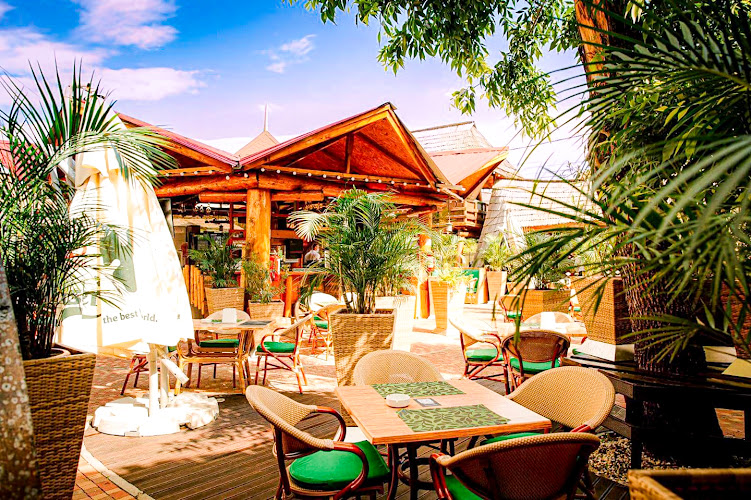
Terasa ANNA
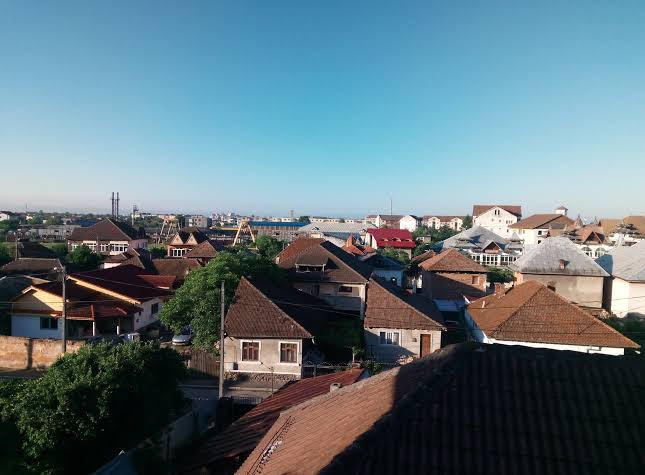
Hotel Story
Find Accommodations Nearby
Recommended Tours & Activities
Visitor Reviews
There are no reviews yet. Be the first one to write one.
Share Your Experience
Have you visited Gorj County Museum Alexander Ștefulescu? Help other travelers by leaving a review.