About Godavari Forest

Description

Godavari Forest in the Godawari region of Nepal is, for many of us, a bit like a nature-lover’s secret code word for "I need a break from city life." If you’ve ever lived in Kathmandu Valley, you already know how priceless a patch of green can feel when the horns and the dust start to get to you. Sitting at the southern rim of the valley, not too far from the fuss of Kathmandu, Godavari Forest is one of those places where you can finally hear your own thoughts—or the chirping of a Himalayan bulbul instead.

The forest covers a lush area that’s cradled by hills, and it joins forces with the National Botanical Garden, which is absolutely teeming with plant species. Seriously, you might spot mosses, orchids, towering trees, and blooming flowers you never knew existed. The air here just smells different—more honest, a bit damp, and full of leaf litter. It's a vibe, believe me.

Along with its diversity of plants, Godavari is famous among bird watchers. People come, binoculars in hand, just to tick off dozens of bird species from their lists. And don’t get me started on the hiking. Whether you’re here for a quick stroll or you feel like sweating it out up to Phulchowki Hill (the highest point ringing the valley), there’s a trail waiting. The forest isn't just for hardcore hikers—kids and even the family dog can join in, and many of the trails are forgiving on younger legs.

What really draws people in, though, is the blend of nature and local culture. There’s the old Godavari Temple, long believed to be the site of sacred water springs. Even if you’re not religious, there's something magical about the sound of water trickling from ancient spouts under huge fig trees. Families spread out at popular picnic spots, locals come for festivals, and students wander through the park, usually with big books and even bigger smiles.

Godavari isn’t perfect (what place is?), but it has genuine character. Some days, it’s quiet and you’ll only run across a few other wanderers. Other days—especially on holidays—it comes alive with visitors from all over Kathmandu and Lalitpur district. If you’re like me and love a good mix of forest solitude, garden order, and a little bit of old-world temple charm, Godavari Forest is a great place to visit. Just don’t forget to pack your sense of exploration.

Key Features

  • Botanical Garden: One of the most remarkable parts of Godavari is the national botanical garden, which houses hundreds of plant species native to Nepal’s rich climate. If you know your orchids from your rhododendrons (or even if you don’t), there’s always a surprise blooming somewhere.
  • Bird Watching: The forest is a hotspot for birding, with over 200 bird species (depending on the season). You might spot colorful barbets, drongos, flycatchers, and if you’re lucky, even a laughingthrush bouncing along the undergrowth.
  • Picnic Spots: There are grassy clearings and well-maintained picnic tables dotted throughout the park, making it ideal for families, friend groups, or even solo picnickers just wanting a sandwich with a side of mountain air.
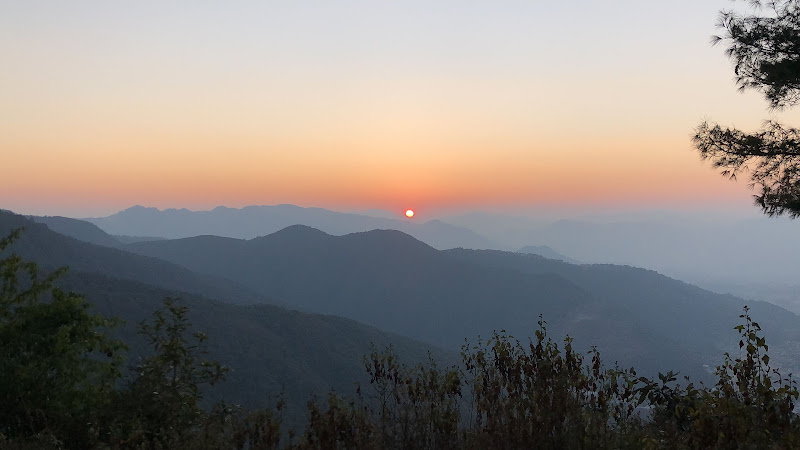
  • Hiking Trails: From easy kid-friendly walks to the challenging climb up Phulchowki Hill (which, by the way, comes with the payoff of brilliant panoramic views), hiking in Godavari is always rewarding.
  • Godavari Temple: This historic temple is tied to ancient legends and a revered water spring—an essential part of the spiritual life of the area.
  • Wildlife: Not just birds—sometimes you’ll catch glimpses of small mammals, butterflies, reptiles, and, if you look closely, all sorts of interesting bugs.
  • Accessibility & Amenities: The park is good for kids and allows dogs (leash recommended—trust me). You’ll find public restrooms and garbage bins, which makes clean-up after a picnic or a muddy hike a bit less stressful.
  • Culture and Festivals: Local people flock to the Godavari area during festivals. The spot comes alive with processions, music, and ceremonies you can experience up close.
  • Educational Value: School groups and researchers often visit for botany, ornithology, and environmental science, given the sheer diversity of plants and animals in this park.
  • Nearby Attractions: Godavari village and various community projects nearby offer chances for side trips—maybe a homestay or a bite of local food you just won’t get anywhere downtown.

Best Time to Visit

Here’s my honest take: Godavari Forest is welcoming in every season, but let’s be real—your experience is going to change a lot depending on when you arrive. Typically, the best time to visit Godavari is spring (March to May) and early autumn (September to November). During spring, the botanical garden just goes wild with flowers and new leaves. There are rhododendrons everywhere, and the air feels sort of fizzy and new. Bird watching is prime time since migratory species arrive, plus this is picnic weather at its best.

If you’re into clear views, autumn’s crisp air after the monsoon rains brings out the bright colors and those Kathmandu Valley vistas. Plus, with most festivals happening in autumn, the cultural energy around Godawari is kind of contagious.

Monsoon season (June to August) does transform the forest into an emerald wonderland, but the trails can be so slippery you’ll wish you brought ten pairs of socks. Still, if you love green and don’t mind getting a bit muddy, monsoon has its charm—and you’ll share the space with frogs and other rain-loving creatures.

Winter (December to February) gets chilly, especially early mornings, but is generally quieter. If you appreciate a peaceful, misty forest and can handle a bit of cold, you’ll enjoy it—just make sure to bring a thermos of tea.

How to Get There

Getting to Godavari Forest from Kathmandu or Lalitpur is pretty straightforward, and that’s one reason locals love it—it’s the most accessible major green space near the city. If you drive (or hire a cab), expect a trip of around 45 minutes to an hour from the city center, depending on traffic. The road gets winding as you approach the hills, so if you get carsick, well, you’ve been warned from personal experience!

There are also regular local buses and microbuses leaving from central Lalitpur (Satdobato and Lagankhel are the usual starting points). They’re cheap, reliable, and get you close enough to walk into the forest area. Just don’t expect air-conditioning—often it’s open windows and the unique soundscape of Nepali pop music mixing with mountain breezes.

For those feeling more adventurous (or maybe sporty types), cycling out to Godavari is possible. The ride is scenic, especially once you break free of traffic and reach the country roads near the park. Not gonna lie, though—the last stretch can be a workout thanks to those hills.

After you arrive at the Godavari area, you’ll see clear signs for the botanical garden and forest entry points. Everything’s pretty walkable once you’re there, and the main sites and trails all radiate out from the village and the garden gates.

Tips for Visiting

  • Plan Ahead for Crowds: Weekends and festival periods can transform the park into a lively, busy place. For peace and quiet, try a weekday morning—it’s almost meditative.
  • Pack Essentials: Bring water (staying hydrated is no joke in the hills), a good hat, sunblock, snacks, and a camera. It gets sunny even under the forest canopy, and picnic snacks just taste better here.
  • Dress for the Weather: Layers are your friend. Early mornings get chilly, afternoons can get surprisingly warm, and after rain it’s muddy. Trust me, more than once I’ve regretted skipping sturdy shoes!
  • Be Respectful of Local Culture: The temple is a sacred site, so modest dress and quiet behavior go a long way—plus, it just feels right walking under ancient trees with a bit of reverence.
  • Take Your Time: No need to rush—some of the most interesting sights are little details: a mossy stone, butterflies, or the echo of a woodpecker up above. If you’re patient, the forest reveals way more than you’d expect.
  • Keep It Clean: This might sound obvious, but you’d be shocked how many people forget to carry out their trash. There are bins, but I always bring an extra bag just in case.
  • For Bird Watchers: Early morning is golden hour. Bring binoculars, and move as quietly as you can—even a loud jacket zipper can send the shyer birds flying.
  • If You Bring a Dog: Godavari is dog-friendly, but please be mindful of leashes and other visitors—some folks are not as fond of furry surprises as you and I are.
  • Explore Beyond the Obvious: The main garden is amazing, but I once wandered off a side trail and found a small hidden waterfall that no one else seemed to know about. Moral of the story: a little curiosity goes a long way here!
  • Watch Out for Weather: Thunderstorms move fast in the hills. If you see clouds brewing, best to find shelter or start your way back. The forest is lovely, but not if you’re completely soaked and shivering.

Whether you’re in it for a deep forest escape, a relaxed day trip with friends, or itching to add a new bird species to your life list, Godavari Forest offers a slice of nature that’s both calming and full of wonder. It’s not just a park—it’s a chance to breathe, explore, and (if you do it right) come back to daily life a bit lighter on your feet. And hey, everyone needs a little green in their story sometimes.

Key Features

  • Key Features
  • Best Time to Visit
  • How to Get There
  • Tips for Visiting

More Details

Updated July 12, 2025

Description

Godavari Forest in the Godawari region of Nepal is, for many of us, a bit like a nature-lover’s secret code word for “I need a break from city life.” If you’ve ever lived in Kathmandu Valley, you already know how priceless a patch of green can feel when the horns and the dust start to get to you. Sitting at the southern rim of the valley, not too far from the fuss of Kathmandu, Godavari Forest is one of those places where you can finally hear your own thoughts—or the chirping of a Himalayan bulbul instead.

The forest covers a lush area that’s cradled by hills, and it joins forces with the National Botanical Garden, which is absolutely teeming with plant species. Seriously, you might spot mosses, orchids, towering trees, and blooming flowers you never knew existed. The air here just smells different—more honest, a bit damp, and full of leaf litter. It’s a vibe, believe me.

Along with its diversity of plants, Godavari is famous among bird watchers. People come, binoculars in hand, just to tick off dozens of bird species from their lists. And don’t get me started on the hiking. Whether you’re here for a quick stroll or you feel like sweating it out up to Phulchowki Hill (the highest point ringing the valley), there’s a trail waiting. The forest isn’t just for hardcore hikers—kids and even the family dog can join in, and many of the trails are forgiving on younger legs.

What really draws people in, though, is the blend of nature and local culture. There’s the old Godavari Temple, long believed to be the site of sacred water springs. Even if you’re not religious, there’s something magical about the sound of water trickling from ancient spouts under huge fig trees. Families spread out at popular picnic spots, locals come for festivals, and students wander through the park, usually with big books and even bigger smiles.

Godavari isn’t perfect (what place is?), but it has genuine character. Some days, it’s quiet and you’ll only run across a few other wanderers. Other days—especially on holidays—it comes alive with visitors from all over Kathmandu and Lalitpur district. If you’re like me and love a good mix of forest solitude, garden order, and a little bit of old-world temple charm, Godavari Forest is a great place to visit. Just don’t forget to pack your sense of exploration.

Key Features

  • Botanical Garden: One of the most remarkable parts of Godavari is the national botanical garden, which houses hundreds of plant species native to Nepal’s rich climate. If you know your orchids from your rhododendrons (or even if you don’t), there’s always a surprise blooming somewhere.
  • Bird Watching: The forest is a hotspot for birding, with over 200 bird species (depending on the season). You might spot colorful barbets, drongos, flycatchers, and if you’re lucky, even a laughingthrush bouncing along the undergrowth.
  • Picnic Spots: There are grassy clearings and well-maintained picnic tables dotted throughout the park, making it ideal for families, friend groups, or even solo picnickers just wanting a sandwich with a side of mountain air.
  • Hiking Trails: From easy kid-friendly walks to the challenging climb up Phulchowki Hill (which, by the way, comes with the payoff of brilliant panoramic views), hiking in Godavari is always rewarding.
  • Godavari Temple: This historic temple is tied to ancient legends and a revered water spring—an essential part of the spiritual life of the area.
  • Wildlife: Not just birds—sometimes you’ll catch glimpses of small mammals, butterflies, reptiles, and, if you look closely, all sorts of interesting bugs.
  • Accessibility & Amenities: The park is good for kids and allows dogs (leash recommended—trust me). You’ll find public restrooms and garbage bins, which makes clean-up after a picnic or a muddy hike a bit less stressful.
  • Culture and Festivals: Local people flock to the Godavari area during festivals. The spot comes alive with processions, music, and ceremonies you can experience up close.
  • Educational Value: School groups and researchers often visit for botany, ornithology, and environmental science, given the sheer diversity of plants and animals in this park.
  • Nearby Attractions: Godavari village and various community projects nearby offer chances for side trips—maybe a homestay or a bite of local food you just won’t get anywhere downtown.

Best Time to Visit

Here’s my honest take: Godavari Forest is welcoming in every season, but let’s be real—your experience is going to change a lot depending on when you arrive. Typically, the best time to visit Godavari is spring (March to May) and early autumn (September to November). During spring, the botanical garden just goes wild with flowers and new leaves. There are rhododendrons everywhere, and the air feels sort of fizzy and new. Bird watching is prime time since migratory species arrive, plus this is picnic weather at its best.

If you’re into clear views, autumn’s crisp air after the monsoon rains brings out the bright colors and those Kathmandu Valley vistas. Plus, with most festivals happening in autumn, the cultural energy around Godawari is kind of contagious.

Monsoon season (June to August) does transform the forest into an emerald wonderland, but the trails can be so slippery you’ll wish you brought ten pairs of socks. Still, if you love green and don’t mind getting a bit muddy, monsoon has its charm—and you’ll share the space with frogs and other rain-loving creatures.

Winter (December to February) gets chilly, especially early mornings, but is generally quieter. If you appreciate a peaceful, misty forest and can handle a bit of cold, you’ll enjoy it—just make sure to bring a thermos of tea.

How to Get There

Getting to Godavari Forest from Kathmandu or Lalitpur is pretty straightforward, and that’s one reason locals love it—it’s the most accessible major green space near the city. If you drive (or hire a cab), expect a trip of around 45 minutes to an hour from the city center, depending on traffic. The road gets winding as you approach the hills, so if you get carsick, well, you’ve been warned from personal experience!

There are also regular local buses and microbuses leaving from central Lalitpur (Satdobato and Lagankhel are the usual starting points). They’re cheap, reliable, and get you close enough to walk into the forest area. Just don’t expect air-conditioning—often it’s open windows and the unique soundscape of Nepali pop music mixing with mountain breezes.

For those feeling more adventurous (or maybe sporty types), cycling out to Godavari is possible. The ride is scenic, especially once you break free of traffic and reach the country roads near the park. Not gonna lie, though—the last stretch can be a workout thanks to those hills.

After you arrive at the Godavari area, you’ll see clear signs for the botanical garden and forest entry points. Everything’s pretty walkable once you’re there, and the main sites and trails all radiate out from the village and the garden gates.

Tips for Visiting

  • Plan Ahead for Crowds: Weekends and festival periods can transform the park into a lively, busy place. For peace and quiet, try a weekday morning—it’s almost meditative.
  • Pack Essentials: Bring water (staying hydrated is no joke in the hills), a good hat, sunblock, snacks, and a camera. It gets sunny even under the forest canopy, and picnic snacks just taste better here.
  • Dress for the Weather: Layers are your friend. Early mornings get chilly, afternoons can get surprisingly warm, and after rain it’s muddy. Trust me, more than once I’ve regretted skipping sturdy shoes!
  • Be Respectful of Local Culture: The temple is a sacred site, so modest dress and quiet behavior go a long way—plus, it just feels right walking under ancient trees with a bit of reverence.
  • Take Your Time: No need to rush—some of the most interesting sights are little details: a mossy stone, butterflies, or the echo of a woodpecker up above. If you’re patient, the forest reveals way more than you’d expect.
  • Keep It Clean: This might sound obvious, but you’d be shocked how many people forget to carry out their trash. There are bins, but I always bring an extra bag just in case.
  • For Bird Watchers: Early morning is golden hour. Bring binoculars, and move as quietly as you can—even a loud jacket zipper can send the shyer birds flying.
  • If You Bring a Dog: Godavari is dog-friendly, but please be mindful of leashes and other visitors—some folks are not as fond of furry surprises as you and I are.
  • Explore Beyond the Obvious: The main garden is amazing, but I once wandered off a side trail and found a small hidden waterfall that no one else seemed to know about. Moral of the story: a little curiosity goes a long way here!
  • Watch Out for Weather: Thunderstorms move fast in the hills. If you see clouds brewing, best to find shelter or start your way back. The forest is lovely, but not if you’re completely soaked and shivering.

Whether you’re in it for a deep forest escape, a relaxed day trip with friends, or itching to add a new bird species to your life list, Godavari Forest offers a slice of nature that’s both calming and full of wonder. It’s not just a park—it’s a chance to breathe, explore, and (if you do it right) come back to daily life a bit lighter on your feet. And hey, everyone needs a little green in their story sometimes.

Key Highlights

  • Key Features
  • Best Time to Visit
  • How to Get There
  • Tips for Visiting

Location

Places to Stay Near Godavari Forest

Find and Book a Tour

Explore More Travel Guides

No reviews found! Be the first to review!

Traveler Reviews for Godavari Forest

There are no reviews yet. Be the first one to write one.

Share Your Experience

Have you visited Godavari Forest? Help other travelers by sharing your review.

Find Accommodations Nearby

Recommended Tours & Activities

Visitor Reviews

There are no reviews yet. Be the first one to write one.

Share Your Experience

Have you visited Godavari Forest? Help other travelers by leaving a review.