

Gladstone Pottery Museum
About Gladstone Pottery Museum
Description
The Gladstone Pottery Museum sits as a rare, living slice of Staffordshire's industrial past in Stoke-on-Trent. It is the sort of place that carries the smell of clay in the air and the echo of hammers in its courtyards — because many of the workshops are original, conserved spaces where pottery was once shaped, fired and sold. Visitors will find a chronological display that traces the rise, fall and quirky resilience of the Staffordshire pottery industry, with an emphasis on real-life tools, kilns and bottle ovens that tell the story better than any placard ever could.
Unlike sterile glass-box museums, Gladstone presents history in situ: the workshops remain largely as they were, complete with original fittings and the patina of a hundred years of hard work. The museum is both a museum and a working heritage site — demonstrations, live performances and hands-on activities keep the place animated. For people who care about craft, industry, and the social history of labour, this is an unexpectedly moving stop. Visitors often remark that they came for a quick look and left with a detailed appreciation of how ceramics shaped everyday life in Britain.
There’s also a pop of contemporary culture here: the Gladstone Pottery Museum has connections with modern TV pottery culture and has been referenced and celebrated in shows that highlight ceramic craft. That lends the site a certain cultural currency — it feels relevant rather than frozen in amber. And while the displays map the big industrial story, smaller vignettes — portraits, oral histories, and recreated interiors — give a human face to the industry. Parents appreciate the child-friendly exhibits, while pottery enthusiasts will linger over the technical details: throwing, glazing, and firing techniques that evolved in Staffordshire and influenced ceramics worldwide.
Practical conveniences include onsite services such as a restaurant and restrooms, a gift shop stocked with locally produced ceramics and themed souvenirs, and free parking. Accessibility is taken seriously: there are wheelchair-accessible entrances, parking bays, and restrooms to help more people experience the museum comfortably. Live demonstrations and scheduled events add energy and give visitors a chance to see potters at work. It’s a place that rewards curiosity. Walk with no hurry and the site will repay the time spent.
Key Features
- Authentic preserved workshops and original bottle ovens that illustrate the evolution of Staffordshire pottery production.
- Live demonstrations and performances showing traditional throwing, glazing, and firing methods.
- Onsite restaurant and visitor facilities for relaxed breaks between galleries and demonstrations.
- Gift shop offering handmade ceramics, reproductions inspired by local kilns, and unique souvenirs tied to regional ceramic heritage.
- Family-friendly amenities: changing tables, interactive displays, and activities designed to engage children and teenagers.
- Good accessibility: wheelchair-accessible entrances, parking bays, and accessible restrooms ensure broader access.
- Free parking available on site, making a visit straightforward for drivers.
- Educational resources and guided tours that contextualize Staffordshire’s global impact on ceramics.
- Connections to contemporary ceramics culture, including recognition from TV programs and craft movements.
- Behind-the-scenes atmosphere: not a polished franchise museum, but a site with character, small quirks and authentic smells and sounds of craft.
Best Time to Visit
The best time to see the Gladstone Pottery Museum depends on what visitors want out of the day. Weekday mornings, particularly just after opening, are usually quieter and offer the best chance to experience demonstrations without crowds. If someone prefers a livelier atmosphere with scheduled performances and hands-on workshops, late spring through early autumn hosts more activities and often special events tied to local festivals or craft weekends.
Weather matters less here than at open-air attractions, but a dry day is pleasant for exploring courtyards and the exteriors of bottle ovens. For families, school holidays bring extra programming; that’s great for kids but expect larger crowds. For adults seeking a more contemplative visit — to study the bottle ovens, read plaques, and enjoy the museum café — midweek outside school breaks is ideal.
Seasonal highlights: the museum often participates in heritage weeks and craft fairs between April and September. Those months typically bring more demonstrations, guest potters and occasional special exhibitions. For photographers, the low winter sun can be atmospheric in the yard spaces; while cold, these months offer quieter galleries and a chance to enjoy the place almost alone. In short: mornings and off-peak weekdays for solitude; event days for high-energy, hands-on experiences.
How to Get There
Gladstone Pottery Museum is easily reachable from Stoke-on-Trent and the surrounding Staffordshire area. Most visitors arrive by car — free onsite parking makes driving hassle-free, especially for family groups or those carrying purchases. The approach roads are straightforward, and parking is flat and close to the main entrance, which helps visitors with mobility needs and families with young children.
Public transport options are available for those who prefer buses or trains. Stoke-on-Trent railway station is a regional hub; from there, local buses or a short taxi ride will reach the museum. Buses run regularly along the main routes and stop near the museum precincts; visitors should check local timetables on the day of travel since schedules can change. For international or out-of-town visitors traveling through major cities, regional train services to Stoke-on-Trent are frequent and reliable, making the museum a practical day trip from larger urban centers.
Walking routes from nearby Longton neighbourhoods are pleasant on a fair day, and cycling is another feasible option if someone wants a slightly more active arrival. The site’s free parking, combined with clear signage and accessible entrances, keeps arrival stress low. For those who value convenience, arriving just after opening or a few hours before closing reduces traffic and crowds in the car park and improves the odds of a relaxed visit.
Tips for Visiting
Plan for at least two hours. The museum is deceptively rich — what looks like a compact site can easily absorb half a day if visitors enjoy the workshops, demonstrations and exhibit details. Those with a particular interest in ceramics should allow more time; the technical displays and staff knowledge can spark deep curiosity.
Check the events schedule in advance. While tickets and booking details are handled onsite or through visitor services, scheduling a visit around live demonstrations or special glazing workshops makes the visit more memorable. Demonstrations often run at set times, so aligning arrival to catch a throwing or kiln-firing demonstration is recommended. People who want to take part in hands-on pottery sessions should look for workshop slots early in the day — these can fill up, especially during school holidays.
Bring comfortable shoes. The site features cobbles, uneven floors in original workshops and outside yards where the historic surfaces are preserved. Good footwear helps; it’s part of the charm, really — but not ideal for high heels. Also, layers are handy: some of the older buildings can feel chilly even on warm days due to stone and brick construction.
Budget time for the gift shop. The shop is a highlight for many visitors — expect well-made ceramics, interesting reproductions and small, locally made souvenirs. Prices range from affordable keepsakes to investment-level pieces, so there is something for casual visitors and serious collectors alike. If someone is hunting for something particular, an early browse makes sense before puddles of people gather later in the day.
Accessibility tips: Those needing wheelchair access will find entrances, parking and restrooms planned with accessibility in mind. However, the historic nature of many buildings means some areas remain less easy to traverse. Staff are generally helpful and can suggest the best routes to see key displays without encountering steps or tight corridors.
Family-friendly advice: changing tables and kid-friendly exhibits are present, and the museum is generally welcoming to families. Still, children might get restless if the visit is overly long; plan shorter stints with a café break mid-visit. Interactive elements and live demos help keep youngsters engaged. Also, consider pairing the visit with another nearby attraction in Stoke-on-Trent to round out a day trip that balances education with play.
Photography: photography for personal use is usually allowed. For those who take lots of photos, a portable bag or small backpack is convenient. But keep in mind that some demonstrations or sensitive objects may have restrictions; staff will advise. And please: treat fragile displays with respect — many pieces are original and irreplaceable, so hands-off unless a demonstration invites participation.
Expect authenticity over polish. The museum’s charm comes from its preserved workshops and lived-in atmosphere. It’s not a high-gloss, modernist gallery; rather, it’s an honest, sometimes gritty, portrait of industrial life. That means occasional rough edges — and that’s part of the appeal for most visitors. Those looking for a glossy, high-production museum experience might be surprised; those who appreciate texture and history will likely be delighted.
Finally, leave time to linger. A slow walk through the yards, a cappuccino in the café while watching craftsmen at work, or a quiet moment in front of an especially fine piece of pottery — these are small rewards that make the visit stick. For many, Gladstone Pottery Museum becomes less of a tick-box attraction and more of a memorable conversation starter about craft, community and change. It rewards curiosity, and it rewards patience. So go with a little time to spare and an appetite for the stories behind the pots.
Key Features
- Preserved Victorian pottery works with original bottle kilns and workshops
- Live demonstrations of throwing, slipcasting, decorating and firing
- Costumed interpreters and immersive displays recreating workers' lives
- Hands-on activities and educational sessions suitable for families
- Museum gift shop selling studio ceramics, local crafts and souvenirs
More Details
Updated August 29, 2025
Table of Contents
Description
The Gladstone Pottery Museum sits as a rare, living slice of Staffordshire’s industrial past in Stoke-on-Trent. It is the sort of place that carries the smell of clay in the air and the echo of hammers in its courtyards — because many of the workshops are original, conserved spaces where pottery was once shaped, fired and sold. Visitors will find a chronological display that traces the rise, fall and quirky resilience of the Staffordshire pottery industry, with an emphasis on real-life tools, kilns and bottle ovens that tell the story better than any placard ever could.
Unlike sterile glass-box museums, Gladstone presents history in situ: the workshops remain largely as they were, complete with original fittings and the patina of a hundred years of hard work. The museum is both a museum and a working heritage site — demonstrations, live performances and hands-on activities keep the place animated. For people who care about craft, industry, and the social history of labour, this is an unexpectedly moving stop. Visitors often remark that they came for a quick look and left with a detailed appreciation of how ceramics shaped everyday life in Britain.
There’s also a pop of contemporary culture here: the Gladstone Pottery Museum has connections with modern TV pottery culture and has been referenced and celebrated in shows that highlight ceramic craft. That lends the site a certain cultural currency — it feels relevant rather than frozen in amber. And while the displays map the big industrial story, smaller vignettes — portraits, oral histories, and recreated interiors — give a human face to the industry. Parents appreciate the child-friendly exhibits, while pottery enthusiasts will linger over the technical details: throwing, glazing, and firing techniques that evolved in Staffordshire and influenced ceramics worldwide.
Practical conveniences include onsite services such as a restaurant and restrooms, a gift shop stocked with locally produced ceramics and themed souvenirs, and free parking. Accessibility is taken seriously: there are wheelchair-accessible entrances, parking bays, and restrooms to help more people experience the museum comfortably. Live demonstrations and scheduled events add energy and give visitors a chance to see potters at work. It’s a place that rewards curiosity. Walk with no hurry and the site will repay the time spent.
Key Features
- Authentic preserved workshops and original bottle ovens that illustrate the evolution of Staffordshire pottery production.
- Live demonstrations and performances showing traditional throwing, glazing, and firing methods.
- Onsite restaurant and visitor facilities for relaxed breaks between galleries and demonstrations.
- Gift shop offering handmade ceramics, reproductions inspired by local kilns, and unique souvenirs tied to regional ceramic heritage.
- Family-friendly amenities: changing tables, interactive displays, and activities designed to engage children and teenagers.
- Good accessibility: wheelchair-accessible entrances, parking bays, and accessible restrooms ensure broader access.
- Free parking available on site, making a visit straightforward for drivers.
- Educational resources and guided tours that contextualize Staffordshire’s global impact on ceramics.
- Connections to contemporary ceramics culture, including recognition from TV programs and craft movements.
- Behind-the-scenes atmosphere: not a polished franchise museum, but a site with character, small quirks and authentic smells and sounds of craft.
Best Time to Visit
The best time to see the Gladstone Pottery Museum depends on what visitors want out of the day. Weekday mornings, particularly just after opening, are usually quieter and offer the best chance to experience demonstrations without crowds. If someone prefers a livelier atmosphere with scheduled performances and hands-on workshops, late spring through early autumn hosts more activities and often special events tied to local festivals or craft weekends.
Weather matters less here than at open-air attractions, but a dry day is pleasant for exploring courtyards and the exteriors of bottle ovens. For families, school holidays bring extra programming; that’s great for kids but expect larger crowds. For adults seeking a more contemplative visit — to study the bottle ovens, read plaques, and enjoy the museum café — midweek outside school breaks is ideal.
Seasonal highlights: the museum often participates in heritage weeks and craft fairs between April and September. Those months typically bring more demonstrations, guest potters and occasional special exhibitions. For photographers, the low winter sun can be atmospheric in the yard spaces; while cold, these months offer quieter galleries and a chance to enjoy the place almost alone. In short: mornings and off-peak weekdays for solitude; event days for high-energy, hands-on experiences.
How to Get There
Gladstone Pottery Museum is easily reachable from Stoke-on-Trent and the surrounding Staffordshire area. Most visitors arrive by car — free onsite parking makes driving hassle-free, especially for family groups or those carrying purchases. The approach roads are straightforward, and parking is flat and close to the main entrance, which helps visitors with mobility needs and families with young children.
Public transport options are available for those who prefer buses or trains. Stoke-on-Trent railway station is a regional hub; from there, local buses or a short taxi ride will reach the museum. Buses run regularly along the main routes and stop near the museum precincts; visitors should check local timetables on the day of travel since schedules can change. For international or out-of-town visitors traveling through major cities, regional train services to Stoke-on-Trent are frequent and reliable, making the museum a practical day trip from larger urban centers.
Walking routes from nearby Longton neighbourhoods are pleasant on a fair day, and cycling is another feasible option if someone wants a slightly more active arrival. The site’s free parking, combined with clear signage and accessible entrances, keeps arrival stress low. For those who value convenience, arriving just after opening or a few hours before closing reduces traffic and crowds in the car park and improves the odds of a relaxed visit.
Tips for Visiting
Plan for at least two hours. The museum is deceptively rich — what looks like a compact site can easily absorb half a day if visitors enjoy the workshops, demonstrations and exhibit details. Those with a particular interest in ceramics should allow more time; the technical displays and staff knowledge can spark deep curiosity.
Check the events schedule in advance. While tickets and booking details are handled onsite or through visitor services, scheduling a visit around live demonstrations or special glazing workshops makes the visit more memorable. Demonstrations often run at set times, so aligning arrival to catch a throwing or kiln-firing demonstration is recommended. People who want to take part in hands-on pottery sessions should look for workshop slots early in the day — these can fill up, especially during school holidays.
Bring comfortable shoes. The site features cobbles, uneven floors in original workshops and outside yards where the historic surfaces are preserved. Good footwear helps; it’s part of the charm, really — but not ideal for high heels. Also, layers are handy: some of the older buildings can feel chilly even on warm days due to stone and brick construction.
Budget time for the gift shop. The shop is a highlight for many visitors — expect well-made ceramics, interesting reproductions and small, locally made souvenirs. Prices range from affordable keepsakes to investment-level pieces, so there is something for casual visitors and serious collectors alike. If someone is hunting for something particular, an early browse makes sense before puddles of people gather later in the day.
Accessibility tips: Those needing wheelchair access will find entrances, parking and restrooms planned with accessibility in mind. However, the historic nature of many buildings means some areas remain less easy to traverse. Staff are generally helpful and can suggest the best routes to see key displays without encountering steps or tight corridors.
Family-friendly advice: changing tables and kid-friendly exhibits are present, and the museum is generally welcoming to families. Still, children might get restless if the visit is overly long; plan shorter stints with a café break mid-visit. Interactive elements and live demos help keep youngsters engaged. Also, consider pairing the visit with another nearby attraction in Stoke-on-Trent to round out a day trip that balances education with play.
Photography: photography for personal use is usually allowed. For those who take lots of photos, a portable bag or small backpack is convenient. But keep in mind that some demonstrations or sensitive objects may have restrictions; staff will advise. And please: treat fragile displays with respect — many pieces are original and irreplaceable, so hands-off unless a demonstration invites participation.
Expect authenticity over polish. The museum’s charm comes from its preserved workshops and lived-in atmosphere. It’s not a high-gloss, modernist gallery; rather, it’s an honest, sometimes gritty, portrait of industrial life. That means occasional rough edges — and that’s part of the appeal for most visitors. Those looking for a glossy, high-production museum experience might be surprised; those who appreciate texture and history will likely be delighted.
Finally, leave time to linger. A slow walk through the yards, a cappuccino in the café while watching craftsmen at work, or a quiet moment in front of an especially fine piece of pottery — these are small rewards that make the visit stick. For many, Gladstone Pottery Museum becomes less of a tick-box attraction and more of a memorable conversation starter about craft, community and change. It rewards curiosity, and it rewards patience. So go with a little time to spare and an appetite for the stories behind the pots.
Key Highlights
- Preserved Victorian pottery works with original bottle kilns and workshops
- Live demonstrations of throwing, slipcasting, decorating and firing
- Costumed interpreters and immersive displays recreating workers’ lives
- Hands-on activities and educational sessions suitable for families
- Museum gift shop selling studio ceramics, local crafts and souvenirs
Location
Places to Stay Near Gladstone Pottery Museum
Find and Book a Tour
Explore More Travel Guides
No reviews found! Be the first to review!
Traveler Reviews for Gladstone Pottery Museum
There are no reviews yet. Be the first one to write one.
Have you visited Gladstone Pottery Museum? Help other travelers by sharing your review.
Nearby Attractions
You Might Also Like

Trentham Estate

Westport Lake View Cafe
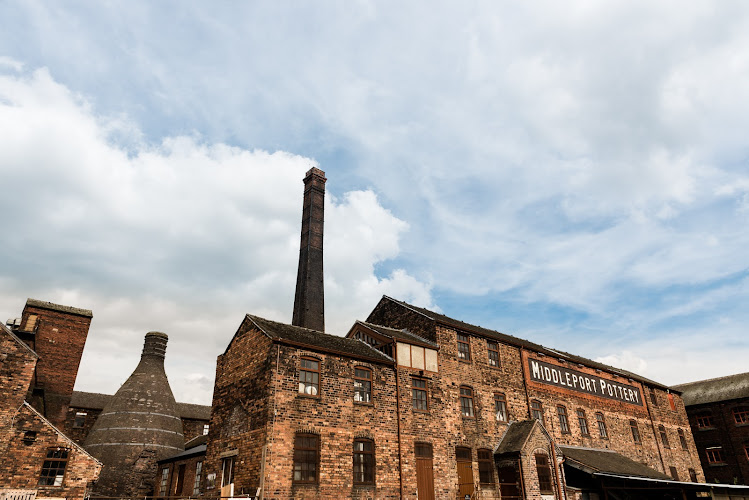
Middleport Pottery
Find Accommodations Nearby
Recommended Tours & Activities
Visitor Reviews
There are no reviews yet. Be the first one to write one.
Share Your Experience
Have you visited Gladstone Pottery Museum? Help other travelers by leaving a review.