
Gilberto Freyre Foundation
About Gilberto Freyre Foundation
Description
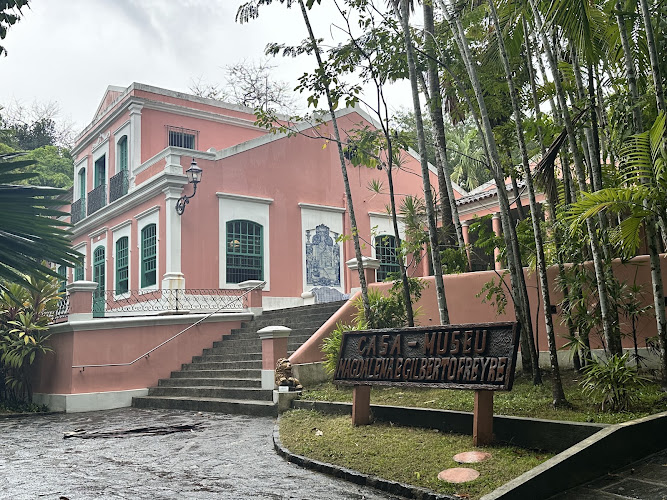
There’s something quietly magnetic about the Gilberto Freyre Foundation. It’s not the kind of museum you rush through with a checklist in hand. It’s the kind you wander through slowly, letting the air, the trees, and the quiet hum of Recife’s Apipucos neighborhood sink in. The Foundation was created to preserve the legacy of Gilberto Freyre — a writer, sociologist, and one of Brazil’s most thought-provoking voices on cultural identity. But it’s more than a tribute to a man. It’s a living space where his ideas about Brazil’s social and cultural fabric still breathe.
The campus feels like a small world of its own — part museum, part ecological site, part cultural hub. The Casa-Museu (House Museum) is where Freyre lived and worked, and stepping inside feels almost like stepping into his mind. His books line the walls, his personal objects rest quietly on the shelves, and the scent of old paper and wood lingers in the air. It’s intimate, even a little nostalgic. You can almost imagine him still pacing the halls, scribbling notes about the nuances of Brazilian life.
Outside, the Sítio Ecológico offers a refreshing contrast. It’s green, peaceful, and full of the kind of tropical flora that makes you forget you’re still in a city. If you’re into photography, this place is a dream. The light filters through the trees just right in the late afternoon. And then there’s the Espaço Cultural, where exhibitions, lectures, and workshops take place regularly. It’s a space that keeps Freyre’s ideas alive — not as relics of the past but as sparks for new conversations about identity, race, and culture in Brazil today.
What I love most about this place is that it doesn’t feel overly curated or commercial. It’s genuine. The staff are warm, knowledgeable, and clearly proud of what they do. You get the sense that this isn’t just a job for them — it’s a mission. Sure, a few corners could use a bit of renovation, and occasionally the signage could be clearer, but those small imperfections almost add to its charm. It’s a museum that feels human, much like the man it honors.
Key Features
- Casa-Museu: The original home of Gilberto Freyre, preserved with his personal belongings, manuscripts, and furniture.
- Sítio Ecológico: A lush ecological site with native plants, walking paths, and shaded areas perfect for reflection or a quiet stroll.
- Espaço Cultural: A multifunctional cultural space hosting exhibitions, lectures, and educational programs.
- Educational Programs: Regular activities for schools and universities that explore Brazilian culture, literature, and social history.
- Accessibility: Wheelchair-accessible entrances, restrooms, and parking make it inclusive for all visitors.
- Family-Friendly: Discounts for children and engaging activities that make it suitable for families.
- Restroom Facilities: Clean and well-maintained amenities available on-site.
For travelers who like places with a story — and not just pretty walls — this one hits the mark. It’s the kind of museum that rewards curiosity. You don’t just see history; you feel it. You leave with more questions than answers, which, honestly, is what good travel is all about.
Best Time to Visit
Recife has a tropical climate, which means it’s warm year-round, but the best time to visit the Gilberto Freyre Foundation is during the dry months, roughly from September to March. The gardens look their best then, and you can explore the outdoor areas without worrying about sudden rain showers. I once went in July, during the wetter season, and while the rain gave the place a certain moody beauty, it did limit how much time I could spend outside. So, if you want to take your time wandering through the ecological site or sitting under the trees with a notebook, aim for the sunnier months.
Weekdays are generally quieter, which makes for a more immersive experience. On weekends, especially during school holidays, it can get busier with families and student groups. But even then, it never feels overcrowded. There’s enough space — and enough peace — for everyone to find their own corner of calm.
How to Get There
Getting to the Foundation is pretty straightforward if you’re already in Recife. It’s located in the Apipucos area, a leafy residential neighborhood that feels worlds away from the city’s busier districts. If you’re staying near Boa Viagem or the city center, a taxi or rideshare will get you there in about 25 to 30 minutes, depending on traffic. Public buses also run nearby, but honestly, if you’re not familiar with Recife’s transport system, a car is probably the easier option.
For those who like a bit of adventure, you can rent a bike and make a day of it. The route takes you past some beautiful old neighborhoods and along stretches of greenery that most tourists miss. Just bring water — Recife’s heat can be relentless. There’s a small parking area near the entrance, and it’s wheelchair accessible, which is a thoughtful touch that not every museum in Brazil can boast.
Tips for Visiting
Here’s what I wish someone had told me before my first visit: take your time. This isn’t a museum you rush through in an hour. Give yourself at least two or three hours to explore properly. The Casa-Museu deserves your full attention — every room tells a story, and the guides love to share little anecdotes that don’t appear in the brochures. Don’t be shy about asking questions; they often have fascinating insights about Freyre’s life and his work on Brazilian identity.
If you’re a reader, you might want to brush up on Freyre’s most famous work, *Casa-Grande & Senzala*, before you go. It’ll give you a deeper appreciation for what you’re seeing. And if you don’t have time, don’t worry — the exhibits do a good job of contextualizing his ideas in a way that’s accessible even if you’re new to his writing.
Wear comfortable shoes — the grounds are larger than they look, and some paths are uneven. Bring insect repellent if you plan to spend time in the ecological area (trust me on that one). There’s no restaurant on-site, so grab a bite before you arrive or pack some snacks. There are a few small cafés nearby where you can get a good coffee afterward — and honestly, sitting there reflecting on what you just saw is part of the experience.
Photography is allowed in most areas, but always check with the staff first. Some rooms in the Casa-Museu may have restrictions to protect the artifacts. And if you’re traveling with kids, you’ll find that the Foundation is surprisingly engaging for them. There are interactive activities and open spaces where they can move around freely without disturbing the quieter areas.
One last thing — don’t skip the gardens. They’re not just a backdrop; they’re part of the story. Freyre was deeply influenced by the idea of harmony between people and environment, and you can feel that philosophy in the way the grounds are designed. Sit for a while under the trees, listen to the birds, and let the place sink in. It’s one of those rare spots where history, culture, and nature blend effortlessly.
In the end, the Gilberto Freyre Foundation isn’t just a museum — it’s an experience that invites reflection. Whether you’re a history buff, a literature lover, or just a curious traveler, you’ll walk away with a richer understanding of Brazil’s cultural soul. And maybe, like me, you’ll find yourself thinking about Freyre’s ideas long after you’ve left, wondering how they still echo in today’s world.
Key Features
- Key Features
- Best Time to Visit
- How to Get There
- Tips for Visiting
More Details
Updated November 7, 2025
Table of Contents There’s something quietly magnetic about the Gilberto Freyre Foundation. It’s not the kind of museum you rush through with a checklist in hand. It’s the kind you wander through slowly, letting the air, the trees, and the quiet hum of Recife’s Apipucos neighborhood sink in. The Foundation was created to preserve the legacy of Gilberto Freyre — a writer, sociologist, and one of Brazil’s most thought-provoking voices on cultural identity. But it’s more than a tribute to a man. It’s a living space where his ideas about Brazil’s social and cultural fabric still breathe. The campus feels like a small world of its own — part museum, part ecological site, part cultural hub. The Casa-Museu (House Museum) is where Freyre lived and worked, and stepping inside feels almost like stepping into his mind. His books line the walls, his personal objects rest quietly on the shelves, and the scent of old paper and wood lingers in the air. It’s intimate, even a little nostalgic. You can almost imagine him still pacing the halls, scribbling notes about the nuances of Brazilian life. Outside, the Sítio Ecológico offers a refreshing contrast. It’s green, peaceful, and full of the kind of tropical flora that makes you forget you’re still in a city. If you’re into photography, this place is a dream. The light filters through the trees just right in the late afternoon. And then there’s the Espaço Cultural, where exhibitions, lectures, and workshops take place regularly. It’s a space that keeps Freyre’s ideas alive — not as relics of the past but as sparks for new conversations about identity, race, and culture in Brazil today. What I love most about this place is that it doesn’t feel overly curated or commercial. It’s genuine. The staff are warm, knowledgeable, and clearly proud of what they do. You get the sense that this isn’t just a job for them — it’s a mission. Sure, a few corners could use a bit of renovation, and occasionally the signage could be clearer, but those small imperfections almost add to its charm. It’s a museum that feels human, much like the man it honors. For travelers who like places with a story — and not just pretty walls — this one hits the mark. It’s the kind of museum that rewards curiosity. You don’t just see history; you feel it. You leave with more questions than answers, which, honestly, is what good travel is all about. Recife has a tropical climate, which means it’s warm year-round, but the best time to visit the Gilberto Freyre Foundation is during the dry months, roughly from September to March. The gardens look their best then, and you can explore the outdoor areas without worrying about sudden rain showers. I once went in July, during the wetter season, and while the rain gave the place a certain moody beauty, it did limit how much time I could spend outside. So, if you want to take your time wandering through the ecological site or sitting under the trees with a notebook, aim for the sunnier months. Weekdays are generally quieter, which makes for a more immersive experience. On weekends, especially during school holidays, it can get busier with families and student groups. But even then, it never feels overcrowded. There’s enough space — and enough peace — for everyone to find their own corner of calm. Getting to the Foundation is pretty straightforward if you’re already in Recife. It’s located in the Apipucos area, a leafy residential neighborhood that feels worlds away from the city’s busier districts. If you’re staying near Boa Viagem or the city center, a taxi or rideshare will get you there in about 25 to 30 minutes, depending on traffic. Public buses also run nearby, but honestly, if you’re not familiar with Recife’s transport system, a car is probably the easier option. For those who like a bit of adventure, you can rent a bike and make a day of it. The route takes you past some beautiful old neighborhoods and along stretches of greenery that most tourists miss. Just bring water — Recife’s heat can be relentless. There’s a small parking area near the entrance, and it’s wheelchair accessible, which is a thoughtful touch that not every museum in Brazil can boast. Here’s what I wish someone had told me before my first visit: take your time. This isn’t a museum you rush through in an hour. Give yourself at least two or three hours to explore properly. The Casa-Museu deserves your full attention — every room tells a story, and the guides love to share little anecdotes that don’t appear in the brochures. Don’t be shy about asking questions; they often have fascinating insights about Freyre’s life and his work on Brazilian identity. If you’re a reader, you might want to brush up on Freyre’s most famous work, *Casa-Grande & Senzala*, before you go. It’ll give you a deeper appreciation for what you’re seeing. And if you don’t have time, don’t worry — the exhibits do a good job of contextualizing his ideas in a way that’s accessible even if you’re new to his writing. Wear comfortable shoes — the grounds are larger than they look, and some paths are uneven. Bring insect repellent if you plan to spend time in the ecological area (trust me on that one). There’s no restaurant on-site, so grab a bite before you arrive or pack some snacks. There are a few small cafés nearby where you can get a good coffee afterward — and honestly, sitting there reflecting on what you just saw is part of the experience. Photography is allowed in most areas, but always check with the staff first. Some rooms in the Casa-Museu may have restrictions to protect the artifacts. And if you’re traveling with kids, you’ll find that the Foundation is surprisingly engaging for them. There are interactive activities and open spaces where they can move around freely without disturbing the quieter areas. One last thing — don’t skip the gardens. They’re not just a backdrop; they’re part of the story. Freyre was deeply influenced by the idea of harmony between people and environment, and you can feel that philosophy in the way the grounds are designed. Sit for a while under the trees, listen to the birds, and let the place sink in. It’s one of those rare spots where history, culture, and nature blend effortlessly. In the end, the Gilberto Freyre Foundation isn’t just a museum — it’s an experience that invites reflection. Whether you’re a history buff, a literature lover, or just a curious traveler, you’ll walk away with a richer understanding of Brazil’s cultural soul. And maybe, like me, you’ll find yourself thinking about Freyre’s ideas long after you’ve left, wondering how they still echo in today’s world.Description
Key Features
Best Time to Visit
How to Get There
Tips for Visiting
Key Highlights
- Key Features
- Best Time to Visit
- How to Get There
- Tips for Visiting
Location
Places to Stay Near Gilberto Freyre Foundation
Find and Book a Tour
Explore More Travel Guides
No reviews found! Be the first to review!
Traveler Reviews for Gilberto Freyre Foundation
There are no reviews yet. Be the first one to write one.
Have you visited Gilberto Freyre Foundation? Help other travelers by sharing your review.
You Might Also Like
Museu do Homem do Nordeste

Parque Estadual Dois Irmãos

Oficina Ceramica Francisco Brennand
Find Accommodations Nearby
Recommended Tours & Activities
Visitor Reviews
There are no reviews yet. Be the first one to write one.
Share Your Experience
Have you visited Gilberto Freyre Foundation? Help other travelers by leaving a review.