
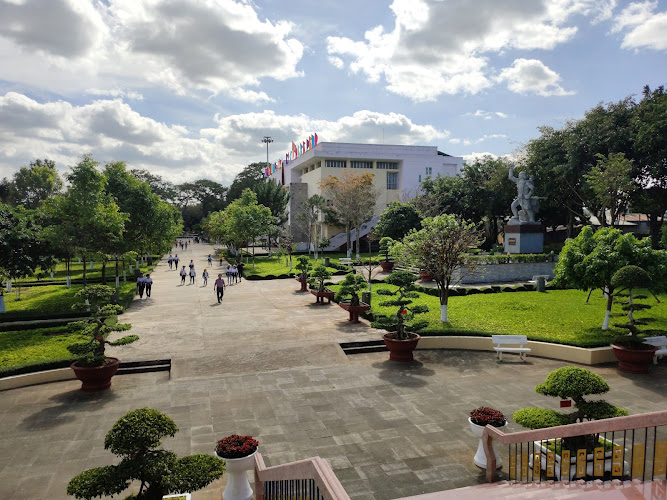
Gia Lai Museum
About Gia Lai Museum
Description
The Gia Lai Museum is one of those places that doesn’t try too hard to impress, yet still leaves a lasting mark on people who walk through its doors. It’s a local history museum, so you’re not going to find flashy, high-tech exhibits like in some of the big city museums, but that’s honestly part of the charm. What you do get is a genuine and very grounded look into the traditions, culture, and history of Vietnam’s Central Highlands, especially the ethnic groups who have lived here for generations. The displays range from traditional costumes and farming tools to musical instruments and archaeological finds. Some sections are more polished than others, but that unevenness kind of makes the place feel more real, less manufactured.
The museum is accessible for wheelchair users, which is a big plus, and there are restrooms available on-site. Families often bring their kids here, and it’s actually a great spot for children to learn without it feeling too heavy or overwhelming. There isn’t a restaurant inside, so it’s worth grabbing a bite before or after your visit. The atmosphere is relaxed, and you don’t feel rushed while exploring. It’s not the kind of museum that overwhelms you with endless halls—you can take your time and actually absorb what’s in front of you.
Now, to be fair, not everyone falls in love with the place. Some visitors find it a bit dated or wish there was more English translation on the displays. And yes, a few exhibits could definitely use a refresh. But for those who come with curiosity and an open mind, the museum offers a fascinating perspective on Gia Lai’s identity and heritage. It’s the kind of place where you might not remember every single detail you saw, but you’ll walk away with a stronger sense of the people and stories that shape this part of Vietnam.
Key Features
- Exhibits highlighting the culture and traditions of ethnic groups in the Central Highlands
- Collections of artifacts including traditional clothing, tools, and musical instruments
- Archaeological displays with historical relics from the region
- Wheelchair accessible facilities and restrooms
- Family-friendly environment suitable for children
- Compact layout that allows for a leisurely visit without feeling overwhelming
Best Time to Visit
The museum can be visited year-round, but if you want to pair your trip with exploring the rest of Gia Lai Province, the dry season from November to April is generally the most comfortable. The weather is cooler, the skies are clearer, and you’ll avoid the heavy rains that sometimes make travel in the Central Highlands a bit tricky. Morning visits are usually quieter, which makes it easier to take your time without feeling crowded. Personally, I enjoy visiting museums in the late morning—there’s enough daylight streaming in, and you can head off for lunch afterward with a head full of new things to talk about.
How to Get There
Reaching the Gia Lai Museum is fairly straightforward if you’re already in Pleiku, the main city of Gia Lai Province. Most travelers arrive in Pleiku either by plane from Ho Chi Minh City or Hanoi, or by bus from nearby provinces. Once you’re in the city, the museum is located in a central area, so a short taxi ride or even a motorbike trip will get you there quickly. If you’re staying nearby, walking is also an option, and it’s a pleasant way to take in the local atmosphere. The roads in the city are not too hectic compared to bigger Vietnamese cities, which makes getting around feel a bit less stressful.
Tips for Visiting
First off, don’t rush. Even though the museum isn’t huge, give yourself at least an hour or two to wander through. Read the labels, look closely at the artifacts, and if you don’t understand something, sometimes just standing there and imagining how it was used in daily life makes the experience richer.
Bring a bottle of water with you—there’s no café inside, and walking around in Gia Lai’s climate can leave you thirsty faster than you expect. If you’re traveling with kids, this is a good place to introduce them to history without it feeling like a lecture. The exhibits are tangible and easy to connect with, which helps keep their attention.
A little side note: if you’re into photography, the museum has some really interesting textures and colors that make for great shots. Just be respectful and check if photography is allowed in the section you’re in. Also, if you don’t speak Vietnamese, consider hiring a local guide or going with someone who can translate. It makes a big difference because some of the stories behind the objects are not fully explained in English.
Lastly, manage your expectations. This isn’t a slick, ultra-modern museum, but that’s not what it’s trying to be. It’s about authenticity, about showing you the roots of the Central Highlands. If you go in looking for that, you’ll leave with a deeper appreciation of the place. And honestly, that’s what makes it memorable.
Key Features
- Exhibits highlighting the culture and traditions of ethnic groups in the Central Highlands
- Collections of artifacts including traditional clothing, tools, and musical instruments
- Archaeological displays with historical relics from the region
- Wheelchair accessible facilities and restrooms
- Family-friendly environment suitable for children
- Compact layout that allows for a leisurely visit without feeling overwhelming
More Details
Updated September 9, 2025
Table of Contents
Description
The Gia Lai Museum is one of those places that doesn’t try too hard to impress, yet still leaves a lasting mark on people who walk through its doors. It’s a local history museum, so you’re not going to find flashy, high-tech exhibits like in some of the big city museums, but that’s honestly part of the charm. What you do get is a genuine and very grounded look into the traditions, culture, and history of Vietnam’s Central Highlands, especially the ethnic groups who have lived here for generations. The displays range from traditional costumes and farming tools to musical instruments and archaeological finds. Some sections are more polished than others, but that unevenness kind of makes the place feel more real, less manufactured.
The museum is accessible for wheelchair users, which is a big plus, and there are restrooms available on-site. Families often bring their kids here, and it’s actually a great spot for children to learn without it feeling too heavy or overwhelming. There isn’t a restaurant inside, so it’s worth grabbing a bite before or after your visit. The atmosphere is relaxed, and you don’t feel rushed while exploring. It’s not the kind of museum that overwhelms you with endless halls—you can take your time and actually absorb what’s in front of you.
Now, to be fair, not everyone falls in love with the place. Some visitors find it a bit dated or wish there was more English translation on the displays. And yes, a few exhibits could definitely use a refresh. But for those who come with curiosity and an open mind, the museum offers a fascinating perspective on Gia Lai’s identity and heritage. It’s the kind of place where you might not remember every single detail you saw, but you’ll walk away with a stronger sense of the people and stories that shape this part of Vietnam.
Key Features
- Exhibits highlighting the culture and traditions of ethnic groups in the Central Highlands
- Collections of artifacts including traditional clothing, tools, and musical instruments
- Archaeological displays with historical relics from the region
- Wheelchair accessible facilities and restrooms
- Family-friendly environment suitable for children
- Compact layout that allows for a leisurely visit without feeling overwhelming
Best Time to Visit
The museum can be visited year-round, but if you want to pair your trip with exploring the rest of Gia Lai Province, the dry season from November to April is generally the most comfortable. The weather is cooler, the skies are clearer, and you’ll avoid the heavy rains that sometimes make travel in the Central Highlands a bit tricky. Morning visits are usually quieter, which makes it easier to take your time without feeling crowded. Personally, I enjoy visiting museums in the late morning—there’s enough daylight streaming in, and you can head off for lunch afterward with a head full of new things to talk about.
How to Get There
Reaching the Gia Lai Museum is fairly straightforward if you’re already in Pleiku, the main city of Gia Lai Province. Most travelers arrive in Pleiku either by plane from Ho Chi Minh City or Hanoi, or by bus from nearby provinces. Once you’re in the city, the museum is located in a central area, so a short taxi ride or even a motorbike trip will get you there quickly. If you’re staying nearby, walking is also an option, and it’s a pleasant way to take in the local atmosphere. The roads in the city are not too hectic compared to bigger Vietnamese cities, which makes getting around feel a bit less stressful.
Tips for Visiting
First off, don’t rush. Even though the museum isn’t huge, give yourself at least an hour or two to wander through. Read the labels, look closely at the artifacts, and if you don’t understand something, sometimes just standing there and imagining how it was used in daily life makes the experience richer.
Bring a bottle of water with you—there’s no café inside, and walking around in Gia Lai’s climate can leave you thirsty faster than you expect. If you’re traveling with kids, this is a good place to introduce them to history without it feeling like a lecture. The exhibits are tangible and easy to connect with, which helps keep their attention.
A little side note: if you’re into photography, the museum has some really interesting textures and colors that make for great shots. Just be respectful and check if photography is allowed in the section you’re in. Also, if you don’t speak Vietnamese, consider hiring a local guide or going with someone who can translate. It makes a big difference because some of the stories behind the objects are not fully explained in English.
Lastly, manage your expectations. This isn’t a slick, ultra-modern museum, but that’s not what it’s trying to be. It’s about authenticity, about showing you the roots of the Central Highlands. If you go in looking for that, you’ll leave with a deeper appreciation of the place. And honestly, that’s what makes it memorable.
Key Highlights
- Exhibits highlighting the culture and traditions of ethnic groups in the Central Highlands
- Collections of artifacts including traditional clothing, tools, and musical instruments
- Archaeological displays with historical relics from the region
- Wheelchair accessible facilities and restrooms
- Family-friendly environment suitable for children
- Compact layout that allows for a leisurely visit without feeling overwhelming
Location
Places to Stay Near Gia Lai Museum
Find and Book a Tour
Explore More Travel Guides
No reviews found! Be the first to review!
Traveler Reviews for Gia Lai Museum
There are no reviews yet. Be the first one to write one.
Have you visited Gia Lai Museum? Help other travelers by sharing your review.
You Might Also Like
Find Accommodations Nearby
Recommended Tours & Activities
Visitor Reviews
There are no reviews yet. Be the first one to write one.
Share Your Experience
Have you visited Gia Lai Museum? Help other travelers by leaving a review.