
Gatineau River
About Gatineau River
Key Features
More Details
Updated April 15, 2024
## Gatineau River (Gatineau, Québec): how to experience it like a local, safely and with context
The Gatineau River (Rivière Gatineau) is one of western Québec’s defining waterways: it runs about 386 km from the north (near the Baskatong Reservoir area) and meets the Ottawa River in the City of Gatineau. That “meeting point” matters—because in and around downtown Gatineau you’re not just looking at a pretty shoreline. You’re standing at a junction of regional history, hydrology, and modern outdoor culture.
This guide focuses on what you can actually do around the river in Gatineau, plus the practical stuff people wish they knew before showing up (weather/water reality, where the enjoyable riverfront walking is, and how to avoid the common safety mistakes).
—
## Quick orientation: what “Gatineau River” means on the ground
– The river system: The Gatineau River flows south through communities including Maniwaki, Gracefield, Low, Wakefield, Chelsea, Cantley, and into Gatineau, where it joins the Ottawa River.
– Why your address matters: Rue Jacques-Cartier is part of Gatineau’s riverfront fabric. Tourism Outaouais describes a 3.2 km stretch of Jacques-Cartier Street that’s designed for walking and cycling along the Gatineau and Outaouais (Ottawa) Rivers, with viewpoints, restaurants, and public spaces. Outaouais
Translation: even if you’re not “doing a big river trip,” you can still get a real river experience right in the city.
—
## The best ways to experience the Gatineau River in the city
### 1) Riverfront walk or bike (lowest friction, highest payoff)
If you want the “show up and it works” option, build your visit around the Jacques-Cartier riverfront corridor:
– Go for a sunrise walk (calmer, fewer cars, cleaner photos).
– Or do a late-afternoon loop when the light hits the water and you can pivot to a meal nearby.
– A specific cultural stop worth knowing about: Abinan Place, a public space on Jacques-Cartier Street that Tourism Outaouais notes is dedicated to Indigenous history. Outaouais
Why it’s useful: you get river views, movement, and context without committing to gear, rentals, or a shuttle.
### 2) Water time (only when conditions make sense)
The Gatineau region is a legitimate paddling area (canoe/kayak culture is strong in the broader Outaouais), but the smart move is matching your plan to conditions and skill level:
– For “I just want a chill paddle” days, many visitors choose lakes in Gatineau Park (more sheltered than big-river water and easier to manage for beginners). The NCC specifically highlights Meech Lake, Philippe Lake, and La Pêche Lake for canoeing/kayaking, with seasonal notes and closures that can affect access. Capital Commission
– If you’re set on river paddling, treat it as a conditions-first decision, not a fixed itinerary item (more on that below).
—
## Seasonal reality: what changes (and what that means for your plan)
### Spring: current + cold-water risk + flooding awareness
Spring is when the region’s waterways can change fast:
– The City of Gatineau maintains flood-alert guidance and actions to take if flooding affects you.
– Hydro-Québec also publishes information about spring runoff and how reservoirs are managed (useful context for why levels can shift).
Practical takeaway: In spring, prioritize riverfront walking + viewpoints unless you’re experienced and have the right cold-water kit.
### Summer: best “city river day” window
Summer is when the Jacques-Cartier riverfront shines: long light, patios, and easy mobility. If you want a simple half-day:
– Walk part of the Jacques-Cartier corridor.
– Stop at Abinan Place for context.
– End with a river-view meal.
### Fall: best photo season, best “long walk” season
Fall is when you can comfortably stay outside longer, and it’s the easiest season to make the river feel like a destination rather than a backdrop.
### Winter: beautiful but deceptively risky
Winter river conditions can be dangerous (ice variability, wind exposure). If you’re visiting in winter, keep it simple: short walks, good footwear, stay back from edges.
—
## Safety and conditions: the 2 checks that prevent most bad days
Even if your plan is “just a stroll,” water conditions matter for footing, shoreline access, and general risk. Two practical resources:
1) Ottawa River Regulation Planning Board – conditions forecast
They publish a regularly updated forecast for water levels/flows on the Ottawa River system. (In late December 2025, they reported below-average levels and posted the next update time.) River Regulation Planning Board
Why it matters here: downtown Gatineau is at/near the Ottawa–Gatineau confluence, so broader basin conditions can influence what you see and what’s safe.
2) City of Gatineau flood alert guidance
If there’s any active risk period, the city guidance is the correct local playbook.
Outdated-data flag: River forecasts and municipal alerts change quickly. Always check the timestamp on the page you’re using—don’t rely on screenshots or old posts for water safety decisions. River Regulation Planning Board
—
## Culture and history you can actually feel (not just trivia)
– The Gatineau River was historically tied to the lumber industry and log transport well into the 20th century, and it is also heavily associated with hydroelectric development along its course.
– For Indigenous context: Friends of the Gatineau River notes the Anishinàbeg name Tenàgàdin Zìbì and describes the watershed in terms of unceded territory. of the Gatineau River
Inclusivity + accuracy note: “Unceded territory” is a significant legal/political claim and can be complex depending on treaty history and ongoing processes. Use it as a prompt to learn, and if you’re writing signage/educational copy, validate wording with Indigenous organizations and official sources relevant to the area. of the Gatineau River
—
## A simple, high-quality half-day itinerary (no guesswork)
Option A: the “riverfront + context” loop (2–3 hours)
– Start on Rue Jacques-Cartier riverfront corridor (walk or bike).
– Stop at Abinan Place for Indigenous-history context. Outaouais
– Grab food/coffee with river views along the same stretch (Tourism Outaouais explicitly notes restaurants/terraces with river views). Outaouais
Option B: add a second river viewpoint (3–4 hours)
– Do the Jacques-Cartier corridor first.
– Then detour to Jacques-Cartier Park (Hull sector) for another big open-river perspective; the NCC notes it sits along the Ottawa River and connects to the Capital Pathway network. Capital Commission
—
## Internal links (contextual, if your site has these pages)
If RealJourneyTravels.com already covers the region, two natural internal-link placements in this article would be:
– “Best things to do in Gatineau” (city guide / attractions roundup)
– “Gatineau Park: lakes, hikes, and seasonal closures” (park guide focused on access + planning)
(If those pages don’t exist yet, these anchors are still solid targets to build next.)
—
## Semantic/LSI keywords woven in (for relevance without stuffing)
Gatineau River, Rivière Gatineau, Outaouais region, Ottawa River confluence, Rue Jacques-Cartier riverfront, walking and cycling path, paddling/canoeing/kayaking, spring runoff, flood alert, Gatineau Park lakes (Meech Lake, Philippe Lake, La Pêche Lake), Jacques-Cartier Park.
—
If you want, paste the article screenshot/text you mentioned earlier (the one you asked an intro for) and I’ll write a new opening section that matches this post’s structure and stays within your “only what we can verify” rule.
Table of Contents
Key Highlights
Gatineau River
Location
Places to Stay Near Gatineau River
Find and Book a Tour
Explore More Travel Guides
No reviews found! Be the first to review!
Traveler Reviews for Gatineau River
There are no reviews yet. Be the first one to write one.
Have you visited Gatineau River? Help other travelers by sharing your review.
You Might Also Like

Parc des Cèdres

Brébeuf Park
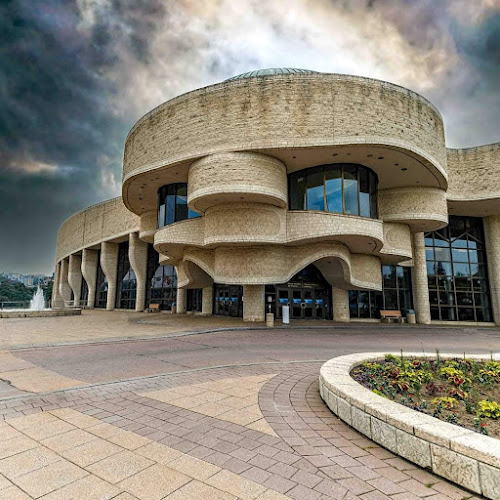
Canadian Museum of History
Find Accommodations Nearby
Recommended Tours & Activities
Visitor Reviews
There are no reviews yet. Be the first one to write one.
Share Your Experience
Have you visited Gatineau River? Help other travelers by leaving a review.