

Fukushūen Garden
About Fukushūen Garden
Description
Fukushūen Garden is one of those places that quietly takes your breath away before you even realize it’s happening. Tucked away in the heart of Naha, this traditional Chinese-style garden feels like stepping into another time and place entirely. The first time I wandered through its arched red gate, I remember thinking, “How is something this serene hiding right in the middle of the city?” The garden was built to celebrate the friendship between Naha and its Chinese sister city, Fuzhou, and that cultural connection is woven into every corner — from the curved bridges and stone pathways to the intricate carvings on the pavilions. It’s not just a park; it’s a living, breathing piece of history, art, and philosophy all rolled into one tranquil space. The garden’s design is deeply symbolic, following the classical Chinese principles of harmony between man and nature. You’ll find winding paths that seem to lead nowhere (but always take you somewhere interesting), layered rock formations that mimic natural mountains, and a shimmering pond filled with lazy koi gliding beneath lotus leaves. And that waterfall — the sound of it alone can wash away the noise of the city in an instant. What I love most, though, is the way Fukushūen changes with the seasons. In spring, the blossoms drift across the pond like pink snow. Summer brings lush greenery that feels almost tropical. Autumn adds a golden warmth, and even in winter, the garden’s bones — the rocks, bridges, and evergreens — keep their quiet dignity. It’s not perfect, of course. Some visitors mention the occasional maintenance hiccup or the crowds on weekends, and yeah, I’ve been there when it felt a bit too busy to be meditative. But even then, there’s always a quiet spot if you look for it — maybe near the stone lanterns or behind one of the smaller pagodas. Fukushūen isn’t a flashy attraction. It’s more of a slow-burn kind of place — the sort that rewards patience and curiosity. If you’re the kind of traveler who likes to sit, listen, and watch the world move a little slower, this garden will feel like a gift.
Key Features
- Traditional Chinese Architecture: Elegant pavilions, curved roofs, and red-painted gates that reflect centuries of design heritage.
- Waterfall & Pond: A central waterfall cascades into a koi-filled pond, creating a soothing soundscape that anchors the garden’s atmosphere.
- Stone Bridges & Pathways: Meandering routes encourage exploration, revealing new perspectives at every turn.
- Rock Formations: Carefully arranged stones mimic natural landscapes, symbolizing mountains and longevity.
- Flora & Fauna: Seasonal plants and trees, along with colorful koi carp, add life and motion to the tranquil setting.
- Cultural Symbolism: Every element — from gate placement to water flow — follows Chinese geomantic principles (Feng Shui).
- Accessibility: The garden is compact and easy to navigate, with shaded areas and benches for rest.
- Amenities: Public restrooms available, and Rakuten Pay accepted for entrance fees or small purchases.
- Family-Friendly: Safe pathways and open spaces make it a relaxing outing for families with children.
Best Time to Visit
While Fukushūen Garden is open year-round, certain times truly bring out its magic. Personally, I think late afternoon is unbeatable — when the sunlight filters through the trees and the water glows with a golden shimmer. If you’re into photography, that’s your golden hour moment right there. Spring is the crowd favorite, with flowers blooming and the air carrying that sweet, earthy scent that only Okinawa seems to have. Summer can be humid, but the garden’s shaded paths and cool breezes make it surprisingly comfortable. Autumn adds a warm palette — the leaves turning amber and the light softening into something almost cinematic. Winter is quieter, and though the flora is less showy, the peacefulness is unmatched. If you’re not a fan of crowds, avoid weekends and public holidays. Weekday mornings are perfect — you’ll often have whole sections to yourself. And if it rains? Don’t write it off. The reflections in the wet stones and the mist rising off the pond give the garden a moody, poetic charm you won’t forget.
How to Get There
Reaching Fukushūen Garden is straightforward, especially if you’re already exploring central Naha. It’s a short distance from the main shopping and dining areas, so you can easily fit it into a half-day itinerary. You can walk from nearby bus stops or take a taxi if you’re coming from further out. If you’re using public transportation, local buses run frequently through the area, and signs are clearly marked in both Japanese and English. For those who prefer digital payments, Rakuten Pay is accepted for entry, though transit IC cards aren’t currently supported at the gate. I’d recommend wearing comfortable shoes — not because it’s a huge garden (it’s actually quite compact), but because you’ll want to take your time exploring every nook and cranny. Trust me, you’ll find yourself stopping every few steps to take a photo or just breathe in the calm.
Tips for Visiting
Here’s the thing about Fukushūen Garden — it’s small but layered, and the more attention you give it, the more it gives back. A few tips from my own visits might help you make the most of it:
- Go early or late: Morning light is soft and gentle, while late afternoon gives the garden a warm, glowing tone. Midday can be bright and harsh for photos.
- Bring a small snack or drink: There’s no café inside, but benches make great picnic spots. Just remember to clean up afterward — locals take pride in keeping it spotless.
- Watch the koi feeding times: If you’re lucky, you might catch staff feeding the carp. The sudden burst of color and motion is mesmerizing, especially for kids.
- Stay quiet and slow down: This isn’t the place for rushing or loud chatter. The whole point is to soak in the stillness — it’s almost meditative.
- Bring a camera, but don’t forget to look up: The details — the roof tiles, the carvings, the play of light on water — are easy to miss if you’re glued to your phone.
- Combine it with nearby attractions: The garden’s location makes it easy to pair with visits to local markets, temples, or museums nearby.
- Check the weather: A drizzle adds mystique, but heavy rain can make the stone paths slippery, so wear good shoes.
- Be patient with crowds: It’s a popular spot, especially with families and tour groups. Wait a few minutes, and the flow of visitors usually clears up.
One last thought — Fukushūen Garden isn’t about ticking off a sightseeing list. It’s about pausing, breathing, and letting a little bit of peace seep in. I’ve visited plenty of gardens across Japan, but there’s something about this one — maybe it’s the blend of Okinawan warmth and Chinese elegance — that lingers long after you leave. You might not notice it right away, but later, when you’re back in the bustle of the city, you’ll find yourself remembering that waterfall sound or the way the koi rippled the water’s surface. And honestly, that’s the best souvenir you can take home.
Key Features
- Key Features
- Best Time to Visit
- How to Get There
- Tips for Visiting
More Details
Updated December 1, 2025
Table of Contents
Description
Fukushūen Garden is one of those places that quietly takes your breath away before you even realize it’s happening. Tucked away in the heart of Naha, this traditional Chinese-style garden feels like stepping into another time and place entirely. The first time I wandered through its arched red gate, I remember thinking, “How is something this serene hiding right in the middle of the city?” The garden was built to celebrate the friendship between Naha and its Chinese sister city, Fuzhou, and that cultural connection is woven into every corner — from the curved bridges and stone pathways to the intricate carvings on the pavilions. It’s not just a park; it’s a living, breathing piece of history, art, and philosophy all rolled into one tranquil space.
The garden’s design is deeply symbolic, following the classical Chinese principles of harmony between man and nature. You’ll find winding paths that seem to lead nowhere (but always take you somewhere interesting), layered rock formations that mimic natural mountains, and a shimmering pond filled with lazy koi gliding beneath lotus leaves. And that waterfall — the sound of it alone can wash away the noise of the city in an instant.
What I love most, though, is the way Fukushūen changes with the seasons. In spring, the blossoms drift across the pond like pink snow. Summer brings lush greenery that feels almost tropical. Autumn adds a golden warmth, and even in winter, the garden’s bones — the rocks, bridges, and evergreens — keep their quiet dignity. It’s not perfect, of course. Some visitors mention the occasional maintenance hiccup or the crowds on weekends, and yeah, I’ve been there when it felt a bit too busy to be meditative. But even then, there’s always a quiet spot if you look for it — maybe near the stone lanterns or behind one of the smaller pagodas.
Fukushūen isn’t a flashy attraction. It’s more of a slow-burn kind of place — the sort that rewards patience and curiosity. If you’re the kind of traveler who likes to sit, listen, and watch the world move a little slower, this garden will feel like a gift.
Key Features
- Traditional Chinese Architecture: Elegant pavilions, curved roofs, and red-painted gates that reflect centuries of design heritage.
- Waterfall & Pond: A central waterfall cascades into a koi-filled pond, creating a soothing soundscape that anchors the garden’s atmosphere.
- Stone Bridges & Pathways: Meandering routes encourage exploration, revealing new perspectives at every turn.
- Rock Formations: Carefully arranged stones mimic natural landscapes, symbolizing mountains and longevity.
- Flora & Fauna: Seasonal plants and trees, along with colorful koi carp, add life and motion to the tranquil setting.
- Cultural Symbolism: Every element — from gate placement to water flow — follows Chinese geomantic principles (Feng Shui).
- Accessibility: The garden is compact and easy to navigate, with shaded areas and benches for rest.
- Amenities: Public restrooms available, and Rakuten Pay accepted for entrance fees or small purchases.
- Family-Friendly: Safe pathways and open spaces make it a relaxing outing for families with children.
Best Time to Visit
While Fukushūen Garden is open year-round, certain times truly bring out its magic. Personally, I think late afternoon is unbeatable — when the sunlight filters through the trees and the water glows with a golden shimmer. If you’re into photography, that’s your golden hour moment right there.
Spring is the crowd favorite, with flowers blooming and the air carrying that sweet, earthy scent that only Okinawa seems to have. Summer can be humid, but the garden’s shaded paths and cool breezes make it surprisingly comfortable. Autumn adds a warm palette — the leaves turning amber and the light softening into something almost cinematic. Winter is quieter, and though the flora is less showy, the peacefulness is unmatched.
If you’re not a fan of crowds, avoid weekends and public holidays. Weekday mornings are perfect — you’ll often have whole sections to yourself. And if it rains? Don’t write it off. The reflections in the wet stones and the mist rising off the pond give the garden a moody, poetic charm you won’t forget.
How to Get There
Reaching Fukushūen Garden is straightforward, especially if you’re already exploring central Naha. It’s a short distance from the main shopping and dining areas, so you can easily fit it into a half-day itinerary. You can walk from nearby bus stops or take a taxi if you’re coming from further out.
If you’re using public transportation, local buses run frequently through the area, and signs are clearly marked in both Japanese and English. For those who prefer digital payments, Rakuten Pay is accepted for entry, though transit IC cards aren’t currently supported at the gate.
I’d recommend wearing comfortable shoes — not because it’s a huge garden (it’s actually quite compact), but because you’ll want to take your time exploring every nook and cranny. Trust me, you’ll find yourself stopping every few steps to take a photo or just breathe in the calm.
Tips for Visiting
Here’s the thing about Fukushūen Garden — it’s small but layered, and the more attention you give it, the more it gives back. A few tips from my own visits might help you make the most of it:
- Go early or late: Morning light is soft and gentle, while late afternoon gives the garden a warm, glowing tone. Midday can be bright and harsh for photos.
- Bring a small snack or drink: There’s no café inside, but benches make great picnic spots. Just remember to clean up afterward — locals take pride in keeping it spotless.
- Watch the koi feeding times: If you’re lucky, you might catch staff feeding the carp. The sudden burst of color and motion is mesmerizing, especially for kids.
- Stay quiet and slow down: This isn’t the place for rushing or loud chatter. The whole point is to soak in the stillness — it’s almost meditative.
- Bring a camera, but don’t forget to look up: The details — the roof tiles, the carvings, the play of light on water — are easy to miss if you’re glued to your phone.
- Combine it with nearby attractions: The garden’s location makes it easy to pair with visits to local markets, temples, or museums nearby.
- Check the weather: A drizzle adds mystique, but heavy rain can make the stone paths slippery, so wear good shoes.
- Be patient with crowds: It’s a popular spot, especially with families and tour groups. Wait a few minutes, and the flow of visitors usually clears up.
One last thought — Fukushūen Garden isn’t about ticking off a sightseeing list. It’s about pausing, breathing, and letting a little bit of peace seep in. I’ve visited plenty of gardens across Japan, but there’s something about this one — maybe it’s the blend of Okinawan warmth and Chinese elegance — that lingers long after you leave. You might not notice it right away, but later, when you’re back in the bustle of the city, you’ll find yourself remembering that waterfall sound or the way the koi rippled the water’s surface. And honestly, that’s the best souvenir you can take home.
Key Highlights
- Key Features
- Best Time to Visit
- How to Get There
- Tips for Visiting
Location
Places to Stay Near Fukushūen Garden
Find and Book a Tour
Explore More Travel Guides
No reviews found! Be the first to review!
Traveler Reviews for Fukushūen Garden
There are no reviews yet. Be the first one to write one.
Have you visited Fukushūen Garden? Help other travelers by sharing your review.
You Might Also Like
Oki-gû Shrine

真珠道
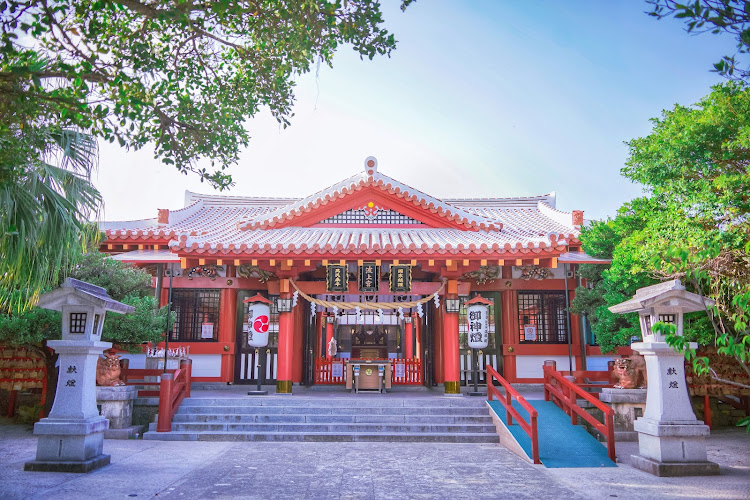
Naminoue Shrine
Find Accommodations Nearby
Recommended Tours & Activities
Visitor Reviews
There are no reviews yet. Be the first one to write one.
Share Your Experience
Have you visited Fukushūen Garden? Help other travelers by leaving a review.