
Fukiageshobu Park
About Fukiageshobu Park
Description
If you’re the sort who finds simple joys in flowers, winding paths, and a good old-fashioned stroll, Fukiageshobu Park in Ome is a hidden slice of comfort on the Tokyo edges. I’ll admit—I wasn’t expecting much the first time I ended up here. I was chasing irises, actually (we’ll get to that bright purple story later), and what I found was a park teetering between tranquil escape and lively local hangout.
You’ll quickly notice that Fukiageshobu Park isn’t your big, flashy type of attraction—no roller coasters, no neon signs, not even a souvenir shop trying to sell you overpriced trinkets. What you do get, though, is a park that feels almost like it grew there for the fun of it. Quiet mornings see a handful of elderly folks stretching, dogs trotting at their heels, and early risers snapping photos of dewdrops on petals. By afternoon, when families and school groups show up, there’s a gentle buzz—kids darting past clumps of flowers, the occasional dog-owner apologizing for a wildly happy golden retriever.
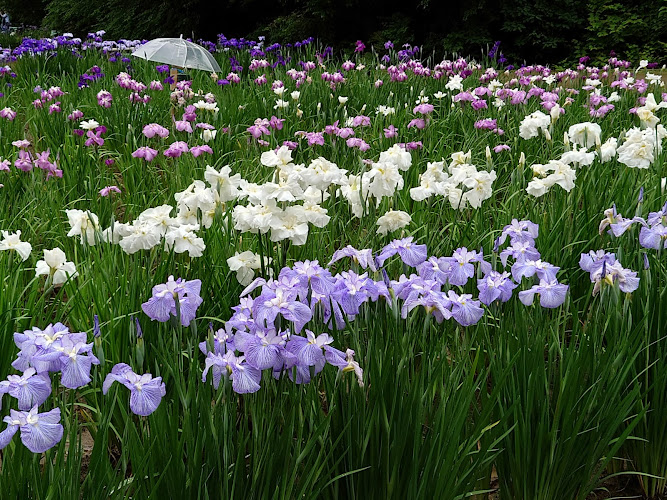
The main draw has to be the vast irises. If, like me, you’ve only seen iris ensata var. ensata in photos, the real deal is in a different league altogether. Blooms paint the marshy sections in June, giving the place a soft, watercolor feeling that begs you to slow down. Some folks come every year just for that, quiet camera in hand. But plenty just come to enjoy a stroll under the willow trees, let their dogs chase sunbeams, or pull up a bench for a quiet lunch.
It’s not all perfect, of course. Even in a serene park, there are rough edges (one old public bathroom could use an update, and rainy days see the paths a bit muddy). But it’s honest, accessible, and real. If you’re craving Tokyo’s high tempo, you might find it a little sleepy. Me? I found it just right for a lazy afternoon—and isn’t that sometimes the magic?
Key Features
- Stunning iris garden: The star of the park is, hands down, the annual iris (hanashobu) display. Over 100 varieties burst into color from late May through June, making it a dream for photographers and flower lovers. You can almost feel your pulse slow as you wander between violet, white, and blue blooms.
- Wheelchair accessible: Flat pathways and dedicated parking make the park friendly for everyone—including strollers and wheelchairs. I’ve seen more than a few multi-generation families making a day of it without any accessibility hiccups.
- Great for dog owners: Dogs are not only allowed—they’re practically regulars here. Just keep the leash handy, especially during iris season when crowds can thicken.
- Public restrooms available: Always nice to know when nature calls. Facilities are basic, but you can depend on them.
- Good for families with children: It’s not a loud playground, but there’s running room, gentle paths, soft grass, and places to watch dragonflies and ducks nearby. My niece still talks about the "little bridge" over the swampy iris bed.
- Peaceful picnic spots: Several quiet benches and grassy knolls, shaded by willow and cherry trees, invite you to bring a bento and linger. Don’t be surprised if a curious crow eyes your sandwich.
- Seasonal events: During the iris bloom, locals sometimes set up small stalls selling snacks or refreshments—perfect for a spontaneous picnic. You won’t find this every day, but stumbling upon it feels like winning a tiny jackpot.
Best Time to Visit
Easy answer: June, for the irises. It’s genuinely like walking through a Monet painting. But—and this part gets missed in the guidebooks—other months have their moments, too. Early spring whispers with fresh greens and the odd cherry blossom. By autumn, golden leaves blanket the park; fewer crowds, cooler air, and a quieter kind of beauty. Summer’s muggy, yes, but the tree canopy keeps you cooler than you’d expect.
Avoid heavy rain if you can. Paths can get a bit slick, especially after a downpour. I’ve made that puddle misstep, and let’s just say, white sneakers don’t bounce back easily. Weekdays after 10am offer fewer crowds, so if you’re picky about your peace and quiet, aim for a lazy late morning.
If you’re itching for those famous iris fields, circle mid-June on your calendar, but remember weekends can get surprisingly busy (for a sleepy park, anyway). Arriving early will give you the flowers mostly to yourself, save for a few patient photographers.
How to Get There
Now, getting to Fukiageshobu Park is pretty straightforward, but don’t expect a flashy sign pointing the way. Hop on a train to Ome Station, part of JR’s Ome Line—the trip in from central Tokyo takes about an hour, give or take. From Ome Station, you can walk to the park in 15–20 minutes if you fancy stretching your legs (it’s a simple, flat trek through a quiet neighborhood). Buses do run toward the park, but if you’re anything like me, you’ll skip the guessing and opt for the easy stroll with a coffee in hand.
Driving? There’s a free parking lot right beside the entrance, and as Tokyo goes, it’s rarely packed full except in June. Wheelchair-accessible spaces are clearly marked, and you won’t battle for them.
I’ll warn you, GPS directions can sometimes try to plop you at a back entrance—which is pretty, but less direct. Stick to the main lot and you’ll save yourself a meandering walk around the perimeter (unless you count that as bonus adventure—I once discovered a hidden frog pond that way).
Tips for Visiting
- Bring a camera—or just your phone: The irises might seem “just flowers” at first, but trust me, by the time you walk out, you’ll wish you’d captured those colors. Even rainy days have a certain misty charm that’s wildly photogenic.
- Pack snacks or a bento: Nearby convenience stores are limited, so bring what you need. Sitting on a bench with homemade sandwiches? Perfection. Bonus: there’s no need to spend a yen, unless you spot a refreshment stall.
- Wear comfy shoes: Especially after rain, some paths stay muddy, and good shoes make a world of difference. The inner marsh area has raised wooden walkways, but err on the side of sturdy soles.
- Leash your dog: Dogs love it here, but during busy flower season, leashes are required. And bring a plastic bag—let’s keep things tidy for everyone.
- Respect quiet hours: While it’s a casual park, early mornings and late evenings are still peaceful zones. If you’re traveling with kids (or are prone to spontaneous singalongs, like my family), save the high energy for midday.
- Plan for the basics: Restrooms are reliable but basic. If you’re expecting fancy toiletries—well, maybe pack your own, just in case.
- Check the bloom calendar: The irises’ peak can shift by a week or two depending on rainfall and temperature. Local news or city sites usually post updates, but I once showed up a tad late and—while it was still beautiful—some flowers were already wilting.
- Be ready to slow down: Fukiageshobu Park isn’t about big thrills. Let yourself relax, listen to the frogs, and people-watch. It’s the sort of spot where a good book or slow thoughts pair best with your surroundings.
Fukiageshobu Park really proves that you don’t need to travel far or spend much to get a generous serving of quiet beauty. It’s humble, but I’ll take its easygoing charm over a hectic Tokyo garden any day. If you’re ever wandering west of Tokyo and craving flowers, dogs, or just a spot to catch your breath, give it a whirl. Maybe I’ll see you there—camera in hand, with muddy shoes and a big grin.
Key Features
- Key Features
- Best Time to Visit
- How to Get There
- Tips for Visiting
More Details
Updated June 22, 2025
Table of Contents
Description
If you’re the sort who finds simple joys in flowers, winding paths, and a good old-fashioned stroll, Fukiageshobu Park in Ome is a hidden slice of comfort on the Tokyo edges. I’ll admit—I wasn’t expecting much the first time I ended up here. I was chasing irises, actually (we’ll get to that bright purple story later), and what I found was a park teetering between tranquil escape and lively local hangout.
You’ll quickly notice that Fukiageshobu Park isn’t your big, flashy type of attraction—no roller coasters, no neon signs, not even a souvenir shop trying to sell you overpriced trinkets. What you do get, though, is a park that feels almost like it grew there for the fun of it. Quiet mornings see a handful of elderly folks stretching, dogs trotting at their heels, and early risers snapping photos of dewdrops on petals. By afternoon, when families and school groups show up, there’s a gentle buzz—kids darting past clumps of flowers, the occasional dog-owner apologizing for a wildly happy golden retriever.
The main draw has to be the vast irises. If, like me, you’ve only seen iris ensata var. ensata in photos, the real deal is in a different league altogether. Blooms paint the marshy sections in June, giving the place a soft, watercolor feeling that begs you to slow down. Some folks come every year just for that, quiet camera in hand. But plenty just come to enjoy a stroll under the willow trees, let their dogs chase sunbeams, or pull up a bench for a quiet lunch.
It’s not all perfect, of course. Even in a serene park, there are rough edges (one old public bathroom could use an update, and rainy days see the paths a bit muddy). But it’s honest, accessible, and real. If you’re craving Tokyo’s high tempo, you might find it a little sleepy. Me? I found it just right for a lazy afternoon—and isn’t that sometimes the magic?
Key Features
- Stunning iris garden: The star of the park is, hands down, the annual iris (hanashobu) display. Over 100 varieties burst into color from late May through June, making it a dream for photographers and flower lovers. You can almost feel your pulse slow as you wander between violet, white, and blue blooms.
- Wheelchair accessible: Flat pathways and dedicated parking make the park friendly for everyone—including strollers and wheelchairs. I’ve seen more than a few multi-generation families making a day of it without any accessibility hiccups.
- Great for dog owners: Dogs are not only allowed—they’re practically regulars here. Just keep the leash handy, especially during iris season when crowds can thicken.
- Public restrooms available: Always nice to know when nature calls. Facilities are basic, but you can depend on them.
- Good for families with children: It’s not a loud playground, but there’s running room, gentle paths, soft grass, and places to watch dragonflies and ducks nearby. My niece still talks about the “little bridge” over the swampy iris bed.
- Peaceful picnic spots: Several quiet benches and grassy knolls, shaded by willow and cherry trees, invite you to bring a bento and linger. Don’t be surprised if a curious crow eyes your sandwich.
- Seasonal events: During the iris bloom, locals sometimes set up small stalls selling snacks or refreshments—perfect for a spontaneous picnic. You won’t find this every day, but stumbling upon it feels like winning a tiny jackpot.
Best Time to Visit
Easy answer: June, for the irises. It’s genuinely like walking through a Monet painting. But—and this part gets missed in the guidebooks—other months have their moments, too. Early spring whispers with fresh greens and the odd cherry blossom. By autumn, golden leaves blanket the park; fewer crowds, cooler air, and a quieter kind of beauty. Summer’s muggy, yes, but the tree canopy keeps you cooler than you’d expect.
Avoid heavy rain if you can. Paths can get a bit slick, especially after a downpour. I’ve made that puddle misstep, and let’s just say, white sneakers don’t bounce back easily. Weekdays after 10am offer fewer crowds, so if you’re picky about your peace and quiet, aim for a lazy late morning.
If you’re itching for those famous iris fields, circle mid-June on your calendar, but remember weekends can get surprisingly busy (for a sleepy park, anyway). Arriving early will give you the flowers mostly to yourself, save for a few patient photographers.
How to Get There
Now, getting to Fukiageshobu Park is pretty straightforward, but don’t expect a flashy sign pointing the way. Hop on a train to Ome Station, part of JR’s Ome Line—the trip in from central Tokyo takes about an hour, give or take. From Ome Station, you can walk to the park in 15–20 minutes if you fancy stretching your legs (it’s a simple, flat trek through a quiet neighborhood). Buses do run toward the park, but if you’re anything like me, you’ll skip the guessing and opt for the easy stroll with a coffee in hand.
Driving? There’s a free parking lot right beside the entrance, and as Tokyo goes, it’s rarely packed full except in June. Wheelchair-accessible spaces are clearly marked, and you won’t battle for them.
I’ll warn you, GPS directions can sometimes try to plop you at a back entrance—which is pretty, but less direct. Stick to the main lot and you’ll save yourself a meandering walk around the perimeter (unless you count that as bonus adventure—I once discovered a hidden frog pond that way).
Tips for Visiting
- Bring a camera—or just your phone: The irises might seem “just flowers” at first, but trust me, by the time you walk out, you’ll wish you’d captured those colors. Even rainy days have a certain misty charm that’s wildly photogenic.
- Pack snacks or a bento: Nearby convenience stores are limited, so bring what you need. Sitting on a bench with homemade sandwiches? Perfection. Bonus: there’s no need to spend a yen, unless you spot a refreshment stall.
- Wear comfy shoes: Especially after rain, some paths stay muddy, and good shoes make a world of difference. The inner marsh area has raised wooden walkways, but err on the side of sturdy soles.
- Leash your dog: Dogs love it here, but during busy flower season, leashes are required. And bring a plastic bag—let’s keep things tidy for everyone.
- Respect quiet hours: While it’s a casual park, early mornings and late evenings are still peaceful zones. If you’re traveling with kids (or are prone to spontaneous singalongs, like my family), save the high energy for midday.
- Plan for the basics: Restrooms are reliable but basic. If you’re expecting fancy toiletries—well, maybe pack your own, just in case.
- Check the bloom calendar: The irises’ peak can shift by a week or two depending on rainfall and temperature. Local news or city sites usually post updates, but I once showed up a tad late and—while it was still beautiful—some flowers were already wilting.
- Be ready to slow down: Fukiageshobu Park isn’t about big thrills. Let yourself relax, listen to the frogs, and people-watch. It’s the sort of spot where a good book or slow thoughts pair best with your surroundings.
Fukiageshobu Park really proves that you don’t need to travel far or spend much to get a generous serving of quiet beauty. It’s humble, but I’ll take its easygoing charm over a hectic Tokyo garden any day. If you’re ever wandering west of Tokyo and craving flowers, dogs, or just a spot to catch your breath, give it a whirl. Maybe I’ll see you there—camera in hand, with muddy shoes and a big grin.
Key Highlights
- Key Features
- Best Time to Visit
- How to Get There
- Tips for Visiting
Location
Places to Stay Near Fukiageshobu Park
Find and Book a Tour
Explore More Travel Guides
No reviews found! Be the first to review!
Traveler Reviews for Fukiageshobu Park
There are no reviews yet. Be the first one to write one.
Have you visited Fukiageshobu Park? Help other travelers by sharing your review.
You Might Also Like

Ome Railway Park
Kingsland Point Park
Fair Lane, Home of Clara and Henry Ford
Find Accommodations Nearby
Recommended Tours & Activities
Visitor Reviews
There are no reviews yet. Be the first one to write one.
Share Your Experience
Have you visited Fukiageshobu Park? Help other travelers by leaving a review.