
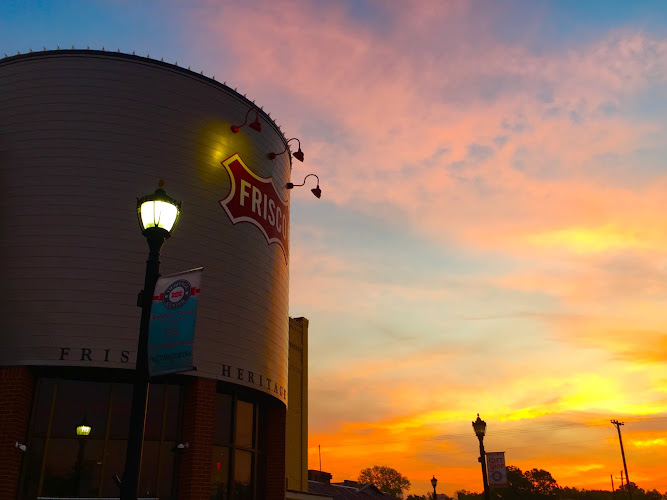
Frisco Heritage Museum
About Frisco Heritage Museum
Description
The Frisco Heritage Museum is a hands-on look at local life in Frisco, Texas through much of the early and mid-20th century. It is a cluster of historic buildings moved and restored to form a small, walkable campus that shows how residents worked, learned, shopped, worshiped and entertained themselves decades ago. The museum foregrounds period exhibits—room settings, community spaces, artifacts and costumes—rather than wall-to-wall plaques, which makes the visit feel like stepping into a neighborhood from another era. Visitors will notice the emphasis on everyday details: painted signs, original wood floors, vintage toys and everyday tools. These are the things that make history less like a textbook and more like a story someone told over coffee.
More than static displays, the museum operates as a living history hub. There are live performances in the theater space, interpretive programs and guided tours that animate objects and buildings. Staff and volunteer interpreters often demonstrate crafts or recount first-person narratives (sourced from oral histories) so the past has a voice. Aside from exhibits, the site doubles as an event venue for small community gatherings, educational programs for school groups, and themed seasonal events that draw families from across the region.
Accessibility is a clear priority. The property includes a wheelchair-accessible entrance, parking and restrooms, making the collection reachable for most visitors. Practical amenities like Wi-Fi and clean restrooms are available, and onsite services include guided tours that help people get the most from the visit. The museum is particularly welcoming to younger audiences: programming and exhibits are designed with children in mind, which means interactive moments, simple language on labels, and activities that allow kids to touch, learn and remember.
For travelers who like to linger, the Frisco Heritage Museum rewards a slower pace. The layout encourages wandering; one building leads to another, and the juxtaposition of residential interiors with municipal and commercial spaces paints a fuller picture of community life. The site also functions as an educational laboratory—teachers use it for history lessons and parents use it for conversations about how technology, architecture and daily chores have changed. Expect friendly staff, volunteer docents who know a ridiculous amount of local lore, and afternoons punctuated by occasional live theater or music performances that bring the town’s past to life.
Key Features
- Collection of early- and mid-20th-century buildings arranged as period exhibits
- Live performances and a small theater that host community programming
- Guided tours led by volunteers and staff who provide historical context
- Wheelchair-accessible entrance, parking and restroom facilities
- Onsite services including educational programming and event hosting
- Wi-Fi available for visitors and educators using digital resources
- Family- and kid-friendly exhibits with interactive elements
- Functioning as an event venue for community gatherings, small weddings and corporate outings
- Restroom facilities and basic visitor amenities (no full-service restaurant on site)
Best Time to Visit
The museum works well year-round, but timing the visit can make a big difference. Spring and fall are comfortable months weather-wise for exploring outdoor portions of the site; mild temperatures invite a relaxed stroll between buildings. Weekday mornings tend to be quieter, ideal for teachers, seniors or anyone who prefers fewer people around. Weekends often host performances, special exhibits or family activities—useful if the goal is to see a living-history program or a musical presentation.
For travelers who plan around events, the museum’s live performances and seasonal programs are the highlights. Holiday-themed events—think community-style celebrations and kids’ activities—bring out a different energy and often include extra interpretive content. But if someone wants more solitude, avoid the busiest family event days and aim for an early entry. Generally, a typical visit lasts between 60 and 120 minutes; plan for two hours if attending a performance or guided tour.
Montly or rotating exhibits sometimes change the focus to a particular decade or theme, so it's worth checking the schedule ahead of time if a specific interest—railroad history, schoolhouse life, mid-century domestic technology—is the reason for the trip. And weather can matter: several buildings and exhibits require short outdoor walks, so rainy days might make a visit less comfortable.
How to Get There
The museum sits within Frisco’s cultural landscape and is accessible by car within the metro area. Most visitors drive and use the on-site parking; there are clearly marked spaces and dedicated accessible parking close to the entrance. For those using rideshare services, drop-off points near the main entrance keep the approach straightforward and short, which is handy for families or people with mobility aids.
Public transit options are limited in parts of suburban Texas, so many out-of-town travelers find driving the easiest route. GPS navigation using the museum name will typically direct visitors to the right location; signage in the area points to public cultural venues and municipal attractions. For guests staying in nearby hotels, the museum is a short drive away and can be combined with other local activities in an easy half-day or full-day itinerary.
Once on site, the walkable layout makes it simple to move from building to building. Sidewalks and pathways are designed to accommodate strollers and wheelchairs, though surfaces vary in places because of historic materials and the character of the restored structures. Comfortable shoes are recommended. For event planners, the museum provides basic event services and a staff contact for arranging setups, though large-scale infrastructure elements like full catering kitchens are not available on site.
Tips for Visiting
Plan ahead for guided tours and performances. Tours often provide the context and storytelling that turn objects into memorable stories, and the theater schedule is where the live-performances magic happens. If a group is particularly interested in a focused theme—like schoolhouse life or local businesses in the 1930s—ask if a docent-led tour can be tailored to that interest. Staff and volunteers are usually happy to accommodate reasonable requests when given notice.
Bring a camera and a curious attitude. The museum’s best moments are small details: a handwritten ledger, a vintage advertisement, a child's toy tucked on a shelf. Photography for personal use is generally fine, but flash can be damaging to some artifacts and may be discouraged. Check signage for any exhibit-specific rules.
Pack for comfort and convenience. Wear comfortable walking shoes and dress in layers; some buildings are climate-controlled, others retain the feel of older structures and can be cooler or warmer depending on the season. Carry a water bottle—there are restrooms on site, but full dining facilities are not provided. If visiting with young children, bring small distractions for any downtime between exhibits; the museum is good for kids, but attention spans vary.
Accessibility tips: the museum provides a wheelchair-accessible entrance, parking and restrooms, and the paths between buildings are generally navigable. Visitors with mobility concerns should contact the museum in advance if they have specific needs, such as a motorized chair requiring wider paths or a request for seating during performances. And if someone uses hearing or vision assistance devices, the staff usually knows which exhibits are more tactile or descriptive and can suggest the best routes through the campus.
Expect a warm, sometimes informal atmosphere. The museum is run with a community-minded spirit, and volunteers are often local residents who love to share stories. That means interactions can be personal and conversational rather than strictly academic. A tip: ask about hidden or surprising artifacts—volunteers love to point out quirky items that don’t always make it into the main interpretive panels.
Group and event planning: the site functions as an event venue for smaller gatherings and educational groups. For teachers, advanced booking for field trips will secure a guided experience that aligns with grade-level standards. For private events, inquire about capacity and available support services; the museum handles small-scale receptions well but is not equipped as a full-scale banquet facility.
Finally, respect the character of the place. The museum preserves real historic fabric and objects, so touching is generally limited to designated interactives. Encourage kids to engage with hands-on stations and activities, but handle antique items only when staff specifically invites interaction. This helps ensure the buildings and artifacts remain intact for future visitors to experience.
All in all, the Frisco Heritage Museum is a thoughtfully curated look at local life across several decades. It offers the sort of low-key but meaningful encounters with the past that linger—stories told with objects and spaces rather than heavy-handed narrative. For travelers interested in regional history, family-friendly outings, or a venue with character for a small event, the museum provides an accessible, personable window into how Frisco’s everyday people lived, worked and celebrated across the 20th century.
Key Features
- 18,000 sq ft museum galleries with rotating and permanent exhibits
- Restored historic buildings on a walkable campus including a one-room schoolhouse
- On-site steam locomotive and wooden caboose at the depot display
- Hands-on, family-friendly interpretive displays and educational programs
- Collaborative heritage site operated with the Heritage Association of Frisco and the City
More Details
Updated August 30, 2025
Table of Contents
Description
The Frisco Heritage Museum is a hands-on look at local life in Frisco, Texas through much of the early and mid-20th century. It is a cluster of historic buildings moved and restored to form a small, walkable campus that shows how residents worked, learned, shopped, worshiped and entertained themselves decades ago. The museum foregrounds period exhibits—room settings, community spaces, artifacts and costumes—rather than wall-to-wall plaques, which makes the visit feel like stepping into a neighborhood from another era. Visitors will notice the emphasis on everyday details: painted signs, original wood floors, vintage toys and everyday tools. These are the things that make history less like a textbook and more like a story someone told over coffee.
More than static displays, the museum operates as a living history hub. There are live performances in the theater space, interpretive programs and guided tours that animate objects and buildings. Staff and volunteer interpreters often demonstrate crafts or recount first-person narratives (sourced from oral histories) so the past has a voice. Aside from exhibits, the site doubles as an event venue for small community gatherings, educational programs for school groups, and themed seasonal events that draw families from across the region.
Accessibility is a clear priority. The property includes a wheelchair-accessible entrance, parking and restrooms, making the collection reachable for most visitors. Practical amenities like Wi-Fi and clean restrooms are available, and onsite services include guided tours that help people get the most from the visit. The museum is particularly welcoming to younger audiences: programming and exhibits are designed with children in mind, which means interactive moments, simple language on labels, and activities that allow kids to touch, learn and remember.
For travelers who like to linger, the Frisco Heritage Museum rewards a slower pace. The layout encourages wandering; one building leads to another, and the juxtaposition of residential interiors with municipal and commercial spaces paints a fuller picture of community life. The site also functions as an educational laboratory—teachers use it for history lessons and parents use it for conversations about how technology, architecture and daily chores have changed. Expect friendly staff, volunteer docents who know a ridiculous amount of local lore, and afternoons punctuated by occasional live theater or music performances that bring the town’s past to life.
Key Features
- Collection of early- and mid-20th-century buildings arranged as period exhibits
- Live performances and a small theater that host community programming
- Guided tours led by volunteers and staff who provide historical context
- Wheelchair-accessible entrance, parking and restroom facilities
- Onsite services including educational programming and event hosting
- Wi-Fi available for visitors and educators using digital resources
- Family- and kid-friendly exhibits with interactive elements
- Functioning as an event venue for community gatherings, small weddings and corporate outings
- Restroom facilities and basic visitor amenities (no full-service restaurant on site)
Best Time to Visit
The museum works well year-round, but timing the visit can make a big difference. Spring and fall are comfortable months weather-wise for exploring outdoor portions of the site; mild temperatures invite a relaxed stroll between buildings. Weekday mornings tend to be quieter, ideal for teachers, seniors or anyone who prefers fewer people around. Weekends often host performances, special exhibits or family activities—useful if the goal is to see a living-history program or a musical presentation.
For travelers who plan around events, the museum’s live performances and seasonal programs are the highlights. Holiday-themed events—think community-style celebrations and kids’ activities—bring out a different energy and often include extra interpretive content. But if someone wants more solitude, avoid the busiest family event days and aim for an early entry. Generally, a typical visit lasts between 60 and 120 minutes; plan for two hours if attending a performance or guided tour.
Montly or rotating exhibits sometimes change the focus to a particular decade or theme, so it’s worth checking the schedule ahead of time if a specific interest—railroad history, schoolhouse life, mid-century domestic technology—is the reason for the trip. And weather can matter: several buildings and exhibits require short outdoor walks, so rainy days might make a visit less comfortable.
How to Get There
The museum sits within Frisco’s cultural landscape and is accessible by car within the metro area. Most visitors drive and use the on-site parking; there are clearly marked spaces and dedicated accessible parking close to the entrance. For those using rideshare services, drop-off points near the main entrance keep the approach straightforward and short, which is handy for families or people with mobility aids.
Public transit options are limited in parts of suburban Texas, so many out-of-town travelers find driving the easiest route. GPS navigation using the museum name will typically direct visitors to the right location; signage in the area points to public cultural venues and municipal attractions. For guests staying in nearby hotels, the museum is a short drive away and can be combined with other local activities in an easy half-day or full-day itinerary.
Once on site, the walkable layout makes it simple to move from building to building. Sidewalks and pathways are designed to accommodate strollers and wheelchairs, though surfaces vary in places because of historic materials and the character of the restored structures. Comfortable shoes are recommended. For event planners, the museum provides basic event services and a staff contact for arranging setups, though large-scale infrastructure elements like full catering kitchens are not available on site.
Tips for Visiting
Plan ahead for guided tours and performances. Tours often provide the context and storytelling that turn objects into memorable stories, and the theater schedule is where the live-performances magic happens. If a group is particularly interested in a focused theme—like schoolhouse life or local businesses in the 1930s—ask if a docent-led tour can be tailored to that interest. Staff and volunteers are usually happy to accommodate reasonable requests when given notice.
Bring a camera and a curious attitude. The museum’s best moments are small details: a handwritten ledger, a vintage advertisement, a child’s toy tucked on a shelf. Photography for personal use is generally fine, but flash can be damaging to some artifacts and may be discouraged. Check signage for any exhibit-specific rules.
Pack for comfort and convenience. Wear comfortable walking shoes and dress in layers; some buildings are climate-controlled, others retain the feel of older structures and can be cooler or warmer depending on the season. Carry a water bottle—there are restrooms on site, but full dining facilities are not provided. If visiting with young children, bring small distractions for any downtime between exhibits; the museum is good for kids, but attention spans vary.
Accessibility tips: the museum provides a wheelchair-accessible entrance, parking and restrooms, and the paths between buildings are generally navigable. Visitors with mobility concerns should contact the museum in advance if they have specific needs, such as a motorized chair requiring wider paths or a request for seating during performances. And if someone uses hearing or vision assistance devices, the staff usually knows which exhibits are more tactile or descriptive and can suggest the best routes through the campus.
Expect a warm, sometimes informal atmosphere. The museum is run with a community-minded spirit, and volunteers are often local residents who love to share stories. That means interactions can be personal and conversational rather than strictly academic. A tip: ask about hidden or surprising artifacts—volunteers love to point out quirky items that don’t always make it into the main interpretive panels.
Group and event planning: the site functions as an event venue for smaller gatherings and educational groups. For teachers, advanced booking for field trips will secure a guided experience that aligns with grade-level standards. For private events, inquire about capacity and available support services; the museum handles small-scale receptions well but is not equipped as a full-scale banquet facility.
Finally, respect the character of the place. The museum preserves real historic fabric and objects, so touching is generally limited to designated interactives. Encourage kids to engage with hands-on stations and activities, but handle antique items only when staff specifically invites interaction. This helps ensure the buildings and artifacts remain intact for future visitors to experience.
All in all, the Frisco Heritage Museum is a thoughtfully curated look at local life across several decades. It offers the sort of low-key but meaningful encounters with the past that linger—stories told with objects and spaces rather than heavy-handed narrative. For travelers interested in regional history, family-friendly outings, or a venue with character for a small event, the museum provides an accessible, personable window into how Frisco’s everyday people lived, worked and celebrated across the 20th century.
Key Highlights
- 18,000 sq ft museum galleries with rotating and permanent exhibits
- Restored historic buildings on a walkable campus including a one-room schoolhouse
- On-site steam locomotive and wooden caboose at the depot display
- Hands-on, family-friendly interpretive displays and educational programs
- Collaborative heritage site operated with the Heritage Association of Frisco and the City
Location
Places to Stay Near Frisco Heritage Museum
Find and Book a Tour
Explore More Travel Guides
No reviews found! Be the first to review!
Traveler Reviews for Frisco Heritage Museum
There are no reviews yet. Be the first one to write one.
Have you visited Frisco Heritage Museum? Help other travelers by sharing your review.
Nearby Attractions
You Might Also Like
Imagine Park

Foncine Settlement Park
Northeast Community Park
Find Accommodations Nearby
Recommended Tours & Activities
Visitor Reviews
There are no reviews yet. Be the first one to write one.
Share Your Experience
Have you visited Frisco Heritage Museum? Help other travelers by leaving a review.